Find the Best Grease Trap Cleaning Companies for Your Business
No obligation • Fast responses • Nationwide coverage

Why you can trust Restaurant Waste Disposal
Restaurant Waste Disposal is a leading U.S. resource for comparing restaurant composting, food-waste recycling, grease trap cleaning, and used cooking oil collection services. Our editorial team researches providers, checks credentials, and organizes unbiased information so operators can make informed decisions. Companies cannot pay to change ratings or placement.
Search providers near you
Top Grease Trap Cleaning Companies in Vineland, New Jersey Ranked
For any restaurant or commercial kitchen in Vineland, managing fats, oils, and grease (FOG) is a critical operational and legal responsibility. Proper grease trap and interceptor maintenance is not just a best practice-it's a requirement enforced by local health and plumbing officials under the New Jersey Uniform Construction Code and EPA standards. Neglecting this essential service can lead to severe sewer blockages, environmental harm, and significant financial penalties. This guide outlines what Vineland food service establishments need to know about compliance, maintenance routines, and selecting professional services to keep their kitchens running smoothly and legally.
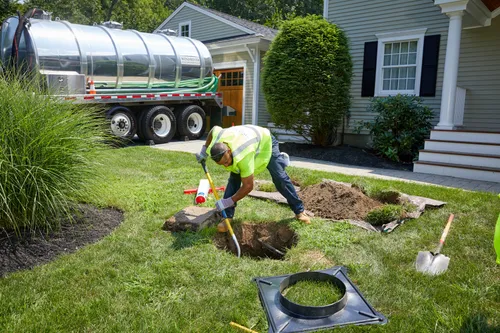
Wind River Environmental LLC
701 2nd St, Swedesboro, NJ 08085
Wind River Environmental LLC provides septic, grease trap, and drain cleaning services in Cherry Hill, NJ. Serving residential, commercial, municipal, and industrial clients, the company offers comprehensive solutions including cleaning, pumping, sewer jetting, and repairs. With a history dating back to 1946, Wind River Environmental combines decades of experience with advanced technology to meet local regulations and community needs. The team is available 24/7 for emergency services, ensuring timely response for urgent septic and grease trap issues.
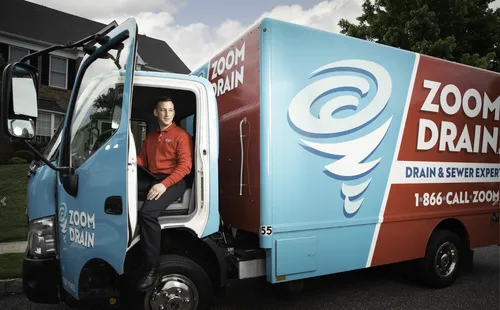
Zoom Drain South Jersey
1049 Kings Hwy Suite B, West Deptford, NJ 08086
Zoom Drain South Jersey provides specialized grease trap cleaning and comprehensive drain and sewer services in Philadelphia, PA. They serve residential, commercial, and contractor clients with expertise in cleaning, repairing, and maintaining various drain systems. The company offers capabilities such as hydro jetting and video inspections to ensure effective clearing and maintenance of drains. Zoom Drain South Jersey is available day and night, providing fast and reliable service with flat-rate pricing and a satisfaction guarantee.
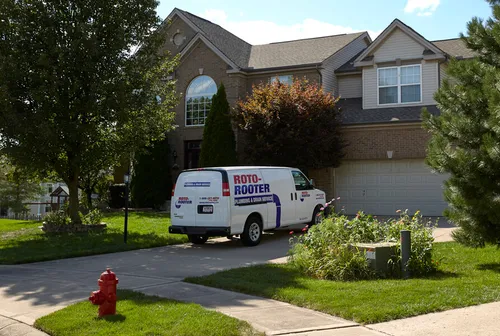
Roto-Rooter Plumbing & Water Cleanup
2087 US-9 Ste 5, Ocean View, NJ 08230
Roto-Rooter Plumbing & Water Cleanup is a full-service plumbing company serving Egg Harbor, NJ, and surrounding areas. They provide a wide range of residential and commercial plumbing services, including sewer and drain cleaning, water heater repair and installation, grease trap maintenance, and floodwater cleanup. The company uses advanced equipment such as hydro-jetting and trenchless sewer line repair to address complex plumbing issues. Roto-Rooter offers 24/7 emergency plumbing services to handle urgent problems anytime throughout the year. With extensive experience and knowledge of local plumbing systems and regulations, they serve multiple communities in the region.
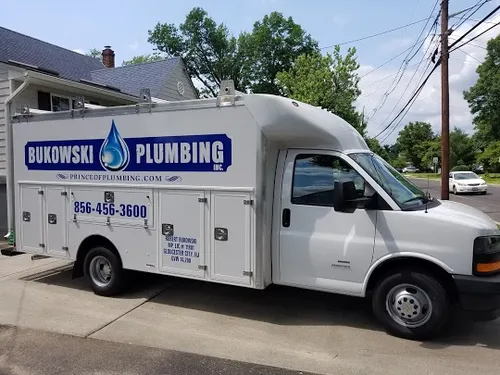
Bukowski Plumbing INC.
340 South 8th st, Gloucester City, NJ 08030
Bukowski Plumbing INC. is a family-owned plumbing company serving Gloucester, NJ, and the broader South Jersey area. With over 40 years of experience, they provide a wide range of plumbing services including grease trap cleaning, leak repairs, drain cleaning, water heater installation, and commercial plumbing for restaurants, medical facilities, and real estate properties. Their licensed plumbers offer 24/7 emergency service to minimize downtime, especially for restaurants and commercial clients. Bukowski Plumbing is known for its direct communication and transparent estimates, ensuring customers understand the work being done.
Roto-Rooter Plumbing & Water Cleanup
120 E 9th Ave #134, Runnemede, NJ 08078
Roto-Rooter Plumbing & Water Cleanup provides comprehensive plumbing and water cleanup services in Philadelphia, PA. Their offerings include drain and sewer cleaning, water heater repair and installation, grease trap maintenance, floodwater cleanup, mold remediation, and emergency plumbing services. The company is equipped with advanced tools such as hydro-jetting for drain cleaning and offers 24/7 emergency support to address urgent plumbing issues. Serving both residential and commercial clients, Roto-Rooter has extensive experience managing complex plumbing systems and environmental challenges in the area.
Understanding Vineland's Grease Trap Regulations
Vineland establishments must adhere to state and local codes designed to protect the municipal sewer system. The cornerstone of compliance is the proper installation, sizing, and maintenance of grease interceptors. These devices must be installed according to the Plumbing Code and standards like PDI G1011 2. A key rule is that traps must be pumped and cleaned when FOG and solids accumulate to 25% of the liquid depth, or at a minimum, every 90 days 3 4. Some high-volume kitchens may require even more frequent service, such as bi-weekly cleaning5.
Local enforcement is carried out by the Vineland Health Department and Plumbing Subcode Officials during routine inspections. They will check for accessibility, proper flow, and most importantly, your maintenance records. Prohibited practices, such as pouring grease down drains or illegally discharging waste, can result in hefty fines, mandatory system retrofits, or even the suspension of your operating permits 6.
The Critical Role of Maintenance Logs
Documentation is your first line of defense during an inspection. Vineland regulations typically require you to keep detailed grease interceptor maintenance logs for a minimum of two years. These logs should include:
- The date and time of each service.
- The volume of waste removed.
- The name and signature of the licensed hauler who performed the work.
- Notes on the condition of the trap.
These records prove due diligence and compliance with the 90-day rule and other local ordinances. It's also wise to implement a simple internal weekly inspection checklist for staff to note any early signs of issues, creating a proactive paper trail.
Routine Service vs. Emergency Cleaning: A Cost Breakdown
Staying on a preventive maintenance schedule is the most cost-effective strategy for managing your grease control system.
- Preventative Cleaning: For routine pumping and cleaning services in Vineland, restaurants can expect costs ranging from approximately $175 to $400 or more per visit 7. The final price depends on the size of your interceptor, its accessibility, and the agreed-upon service frequency.
- Emergency Service: Neglecting regular maintenance often leads to complete blockages, sewer backups, or last-minute violations before a health inspection. Emergency service calls for a clogged or severely neglected trap can cost $800 to $1,200 or more8 9. This stark price difference highlights the significant savings of consistent, scheduled care.
Find the perfect grease trap cleaning companies for your needs
Get personalized recommendations and expert advice
What to Expect During a Professional Service Visit
Hiring a licensed, reputable hauler is non-negotiable for proper disposal and compliance. A thorough professional service visit should include:
- Complete Pumping: Removing all contents-FOG, solids, and wastewater-from the interceptor.
- Scraping and Scrubbing: Manually cleaning the interior walls, baffles, and lids of accumulated grease.
- System Inspection: Checking for cracks, leaks, and structural integrity, and ensuring inlet/outlet tees are clear.
- Proper Disposal: Transporting the waste to an approved facility for rendering or recycling, with documentation provided to you for your logs.
- Post-Service Advice: A professional can offer insights into your kitchen's grease production and recommend best practices to extend time between services.
Consequences of Non-Compliance in Vineland
The risks of ignoring grease interceptor maintenance extend far beyond a simple fine. Enforcement actions can escalate quickly 10:
- Financial Penalties: Municipalities can impose substantial fines for each violation.
- Operational Disruption: The health department can issue a violation that requires immediate remediation, potentially forcing a kitchen to shut down until the issue is resolved.
- Sewer Surcharges: Some municipalities charge businesses for high-strength waste; proper grease trapping can help manage these costs11.
- Reputational Damage: Health code violations are often public record and can damage customer trust.
- Infrastructure Damage: FOG discharged into sewers cools and hardens, creating massive "fatbergs" that cause backups affecting entire neighborhoods. Restaurants may be held liable for cleanup costs12.
Staying proactive with regular cleaning and meticulous record-keeping is the only way to avoid these costly and damaging scenarios 13.
Choosing a Service Provider in Vineland
When selecting a company for grease interceptor maintenance, ensure they are fully licensed and insured to operate in New Jersey. Ask for references from other local restaurants and confirm they provide detailed service reports suitable for your compliance logs. A reliable provider will help you determine the optimal service schedule based on your kitchen's volume and menu, moving you from a reactive to a managed, cost-effective maintenance plan.
Frequently asked questions
Sources
Footnotes
-
Grease Trap Regulations and Maintenance - A Rooter Pros - https://njsewerdrain.com/grease-trap-and-grease-interceptor-regulations-in-nj/ ↩
-
Grease Trap Sizing in NYC & NJ: What Many Kitchens Get Wrong - https://filtakleenco.com/grease-trap-sizing/ ↩
-
New Jersey FOG Regulations - D&W Alternative Energy - https://dandwalternativeenergy.com/blog/new-jersey-fog-regulations/ ↩
-
New Jersey FOG & Used Oil Rules: Permits & 90-Day Limit - https://greaseconnections.com/resources/compliance/nj/ ↩
-
Grease Trap Cleaning in Vineland NJ | Grease Interceptor ... - https://greasetrapcleaningvineland.com/ ↩
-
Grease Traps, Interceptors and Oil Separators - eCode360 - https://ecode360.com/13731865 ↩
-
The Cost To Clean A Grease Trap For Restaurants - https://thegreasecompany.com/blog/greasetrapcleaningcost/ ↩
-
How to Clean a Grease Trap (and How Often You Should) - https://greaseconnections.com/how-to-clean-a-grease-trap-and-how-often-you-should/ ↩
-
Ultimate Grease Trap Pumping Cost Guide: Essential Money-Saving ... - https://www.texwaywastewater.com/grease-trap-pumping-cost/ ↩
-
Grease Trap Regulations and Compliance: What You Need to Know - https://www.texwaywastewater.com/grease-trap-regulations-and-compliance/ ↩
-
N.J. Admin. Code § 7:9A-8.1 - Grease removal and high strength ... - https://www.law.cornell.edu/regulations/new-jersey/N-J-A-C-7-9A-8-1 ↩
-
Installation and Maintenance of Grease Traps - eCode360 - https://ecode360.com/34939379 ↩
-
Commercial Grease Trap Cleaning in New Jersey and New York - https://www.davidzuidema.com/septic-services/commercial-grease-trap-cleaning/ ↩