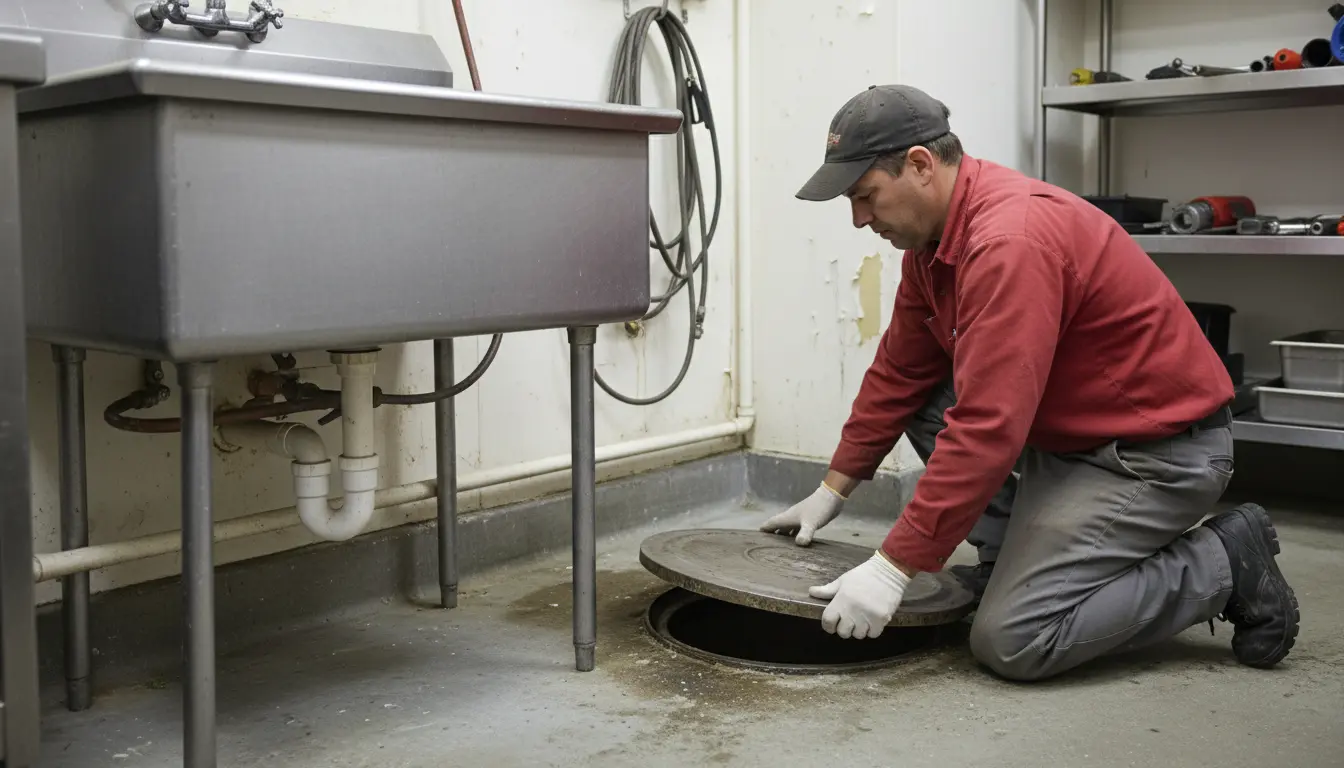
Find the Best Grease Trap Cleaning Companies for Your Business
No obligation • Fast responses • Nationwide coverage

Why you can trust Restaurant Waste Disposal
Restaurant Waste Disposal is a leading U.S. resource for comparing restaurant composting, food-waste recycling, grease trap cleaning, and used cooking oil collection services. Our editorial team researches providers, checks credentials, and organizes unbiased information so operators can make informed decisions. Companies cannot pay to change ratings or placement.
Search providers near you
Top Grease Trap Cleaning Companies in Trenton, New Jersey Ranked
For any restaurant, cafeteria, or food service establishment in Trenton, proper grease interceptor maintenance is not just a best practice-it's a strict legal requirement. New Jersey state codes and local Trenton and Mercer County ordinances mandate regular cleaning and meticulous record-keeping to prevent fats, oils, and grease (FOG) from entering the public sewer system. Failure to comply can lead to severe blockages, environmental harm, and significant financial penalties. This guide outlines the essential regulations, maintenance schedules, and cost considerations for keeping your Trenton business compliant and your plumbing flowing smoothly.
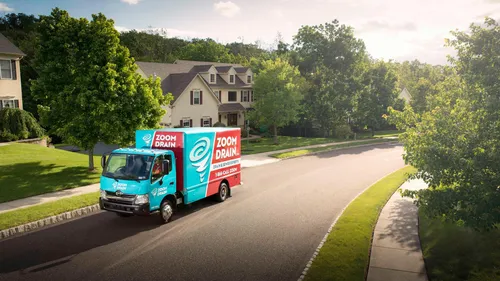
Zoom Drain
Philadelphia, PA
Zoom Drain is a drain and sewer service provider based in Philadelphia, PA, specializing in both residential and commercial drain cleaning and repairs. They offer emergency drain cleaning services, grease trap maintenance, sewer line repairs, and routine maintenance plans. The company is equipped to handle tough clogs using methods such as hydro jetting, which thoroughly cleans pipes and helps reduce odors. Zoom Drain serves the Philadelphia metro area and is known for providing 24/7 emergency service to address urgent plumbing issues.
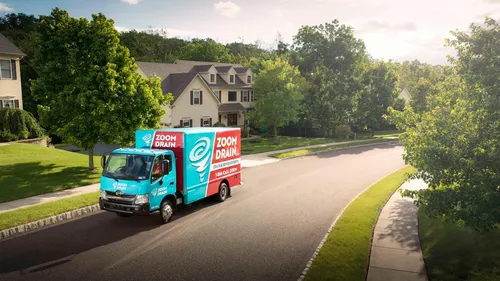
Zoom Drain
500 Davis Dr # 200, Plymouth Meeting, PA 19462
Zoom Drain provides comprehensive drain and sewer services in Philadelphia, PA, specializing in both residential and commercial plumbing needs. They offer emergency drain cleaning, planned maintenance, pipe inspections, and sewer repairs, with a focus on compliance with local Montgomery County plumbing regulations. Their team uses advanced tools to address issues such as clogs, blockages, and tree root intrusions, and they provide trenchless sewer line repair options to minimize property disruption. Zoom Drain also offers specialized grease trap maintenance for the food and hospitality sector and tailored maintenance plans for property managers. The company is known for its expertise in sewer cleaning and pipe jetting, helping to maintain efficient plumbing systems.
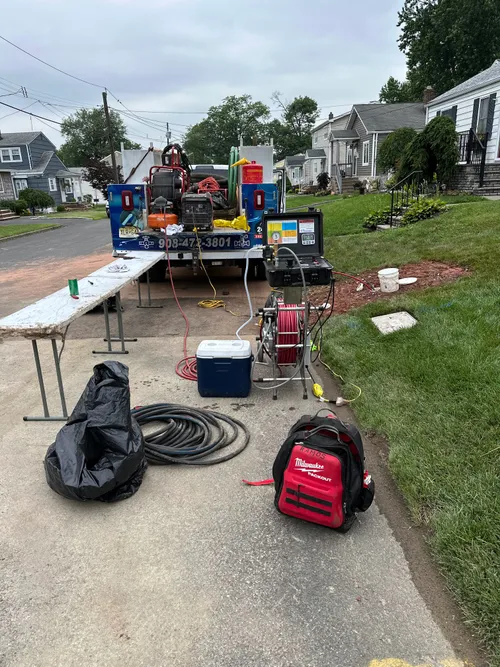
Arrow Sewer and Drain
165 Union Ave, Middlesex, NJ 08846
Arrow Sewer and Drain is a plumbing and sewer service provider based in Middlesex, New Jersey, serving residential and commercial clients throughout Edison and the broader New Jersey area. They offer a wide range of services including grease trap cleaning, trenchless sewer repair, hydro jet drain cleaning, hydro excavation, septic tank installation and replacement, and emergency plumbing. Their use of advanced equipment such as sewer scopes, cured-in-place pipe (CIPP) technology, and hydro excavation allows for efficient, non-invasive repairs that minimize disruption to properties. With over 15 years of experience, Arrow Sewer and Drain provides 24/7 emergency plumbing services to address urgent issues at any time.
Zoom Drain
Philadelphia, PA
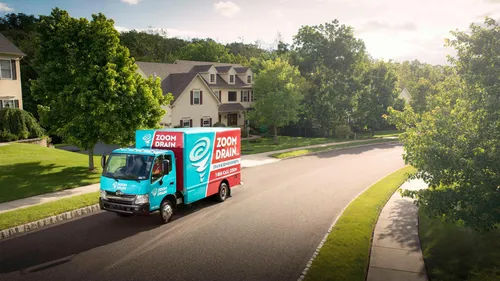
Zoom Drain is a drain and sewer service provider serving Philadelphia, PA, and the surrounding Bucks County area. They offer residential and commercial drain cleaning, sewer line repairs, and specialized services such as grease trap maintenance and bio dispenser installation for the food and hospitality sector. The company uses advanced tools and technology to address a wide range of drainage issues, including clogged drains and sewer emergencies. Zoom Drain supports property managers, contractors, and homeowners with tailored maintenance plans and a referral program. Their team is known for thorough diagnostics, including camera inspections, and they provide up-front pricing with a satisfaction guarantee.
Wind River Environmental
Toms River, NJ
Wind River Environmental is a grease trap cleaning company serving Toms River, NJ, and the Central New Jersey area. They provide residential, commercial, municipal, and industrial septic, grease, and drain cleaning services. The company is part of the Wind River Environmental family, which has been an industry leader since 1946, and has been serving Central New Jersey locally for nearly 30 years. Wind River Environmental offers 24/7 emergency services and uses cost-efficient, minimally invasive methods to maintain and repair septic systems and grease traps.
Understanding Trenton's Grease Interceptor Regulations
New Jersey's regulatory framework for grease management is established under NJAC 7:9A-8.1, which sets the baseline for all food service establishments. However, local municipalities like Trenton and surrounding boroughs within Mercer County can enforce stricter rules. For instance, the Borough of Princeton mandates cleaning a minimum of every two weeks for certain establishments, highlighting the importance of verifying your specific local ordinances.
The core rule is universal: all food service establishments must have an approved and properly sized grease trap or interceptor. These devices are designed to capture FOG before wastewater leaves your property. It is illegal to discharge FOG directly into sinks, floor drains, or the sewer system 1. Furthermore, garbage grinders (disposals) are typically prohibited from discharging into grease interceptors, and new construction must ensure commercial dishwashers and waste disposals are not connected to these systems 1.
Mandatory Cleaning Frequency and Process
How often you need grease trap pumping in Trenton is dictated by both state guidelines and your establishment's volume. The New Jersey Department of Environmental Protection (NJDEP) requires cleaning at a minimum of every 90 days, or whenever the accumulated FOG and solids reach 25% of the trap's capacity-whichever comes first 2 3. High-volume kitchens, such as those in busy restaurants or institutional cafeterias, will almost certainly require service more frequently than the quarterly minimum.
The cleaning process itself must be thorough. A licensed professional should perform a complete evacuation, removing all floating FOG, water, sludge, and settled solids from the interceptor 4. Simply skimming the top layer is insufficient and non-compliant. After servicing, the trap must be refilled with clean water to restore proper operation.
Documentation and Record-Keeping Requirements
In the eyes of an inspector, if it isn't documented, it didn't happen. Maintaining detailed logs is a critical part of compliance. Your records should include:
- The date of each grease interceptor cleaning.
- The name and license number of the service company that performed the pumping.
- Receipts or manifests from the licensed disposal company that handled the waste.
- Documentation of staff training on proper FOG handling practices.
These maintenance logs must be readily available for review during inspections. They serve as your primary proof of due diligence and scheduled maintenance.
Municipal Enforcement and Penalties for Non-Compliance
Enforcement in Trenton is carried out by municipal inspectors who operate under state guidelines and the Uniform Construction Code. Many localities also require an annual inspection by a licensed plumber to certify the system's condition 5.
The consequences of violations are costly. Initial fines can start at $250 or more per violation 6. If a blockage occurs in the public sewer attributed to your establishment, you will be responsible for the full cost of clearing it. Repeated or severe violations can lead to orders for expensive system upgrades or even a suspension of your operating permit 7. The financial risk of neglect far outweighs the cost of consistent, preventative maintenance.
Find the perfect grease trap cleaning companies for your needs
Get personalized recommendations and expert advice
Cost Analysis: Preventative Maintenance vs. Emergency Service
Investing in regular grease trap cleaning is a strategic financial decision for any Trenton food business. Preventative, scheduled pumpings typically cost between $250 and $400 per service, depending on the size of your interceptor and access requirements.
In contrast, emergency service calls-required when a trap overflows, backs up, or causes a blockage-can cost $800 to $1,200 or more 8. This does not include potential fines, sewer remediation charges, lost business during a closure, or repair costs for damaged plumbing.
When you factor in avoided penalties and emergency calls, a consistent maintenance schedule can save a restaurant $2,000 to $4,000 or more annually 9. This makes scheduled cleaning one of the most cost-effective forms of insurance for your operation.
Best Practices for Trenton Restaurant Owners
To ensure seamless compliance and operational efficiency, follow these key steps:
- Verify Local Ordinances: Always check with Trenton and Mercer County authorities to confirm the specific rules that apply to your exact location, as they can vary 10.
- Hire Licensed Professionals: Only contract with county-registered, licensed grease waste haulers and disposal companies. They possess the proper permits and will provide the necessary documentation for your logs 11.
- Implement Staff Training: Educate kitchen staff on best practices to minimize FOG entering the drains. This includes scraping plates into trash bins, using sink strainers, and properly disposing of cooking oil.
- Maintain Impeccable Records: Keep a dedicated binder or digital file with all service records, receipts, training documentation, and inspection reports 12.
Frequently asked questions
Sources
Footnotes
-
Installation and Maintenance of Grease Traps - eCode360 - https://ecode360.com/34939379 ↩ ↩2
-
Commercial Grease Trap Cleaning in New Jersey and New York - https://www.davidzuidema.com/septic-services/commercial-grease-trap-cleaning/ ↩
-
New Jersey FOG & Used Oil Rules: Permits & 90-Day Limit - https://greaseconnections.com/resources/compliance/nj/ ↩
-
NJ Grease Trap Pumping - A Rooter Pros - https://njsewerdrain.com/grease-trap-pumping-cleaning/ ↩
-
Grease Traps, Interceptors and Oil Separators - eCode360 - https://ecode360.com/13731865 ↩
-
New Jersey FOG Regulations - D&W Alternative Energy - https://dandwalternativeenergy.com/blog/new-jersey-fog-regulations/ ↩
-
N.J. Admin. Code § 7:9A-8.1 - Grease removal and high strength ... - https://www.law.cornell.edu/regulations/new-jersey/N-J-A-C-7-9A-8-1 ↩
-
The Cost To Clean A Grease Trap For Restaurants - https://thegreasecompany.com/blog/greasetrapcleaningcost/ ↩
-
Ultimate Grease Trap Pumping Cost Guide: Essential Money-Saving ... - https://www.texwaywastewater.com/grease-trap-pumping-cost/ ↩
-
Septic Pumping and Grease Traps in Restaurants - https://bhcameron.com/2024/07/septic-pumping-and-grease-traps-in-restaurants/ ↩
-
Grease Trap Sizing in NYC & NJ: What Many Kitchens Get Wrong - https://filtakleenco.com/grease-trap-sizing/ ↩
-
Grease Trap Regulations and Maintenance - A Rooter Pros - https://njsewerdrain.com/grease-trap-and-grease-interceptor-regulations-in-nj/ ↩