
Find the Best Grease Trap Cleaning Companies for Your Business
No obligation • Fast responses • Nationwide coverage

Why you can trust Restaurant Waste Disposal
Restaurant Waste Disposal is a leading U.S. resource for comparing restaurant composting, food-waste recycling, grease trap cleaning, and used cooking oil collection services. Our editorial team researches providers, checks credentials, and organizes unbiased information so operators can make informed decisions. Companies cannot pay to change ratings or placement.
Search providers near you
Top Grease Trap Cleaning Companies in Sayreville, New Jersey Ranked
For any food service establishment in Sayreville, managing fats, oils, and grease (FOG) is a critical operational and legal responsibility. Proper grease trap and interceptor maintenance is not just about preventing clogs in your own kitchen; it's a key part of protecting the local sewer infrastructure from blockages and costly overflows. The state of New Jersey, along with local Sayreville ordinances, enforces specific regulations to control FOG discharge, mandating regular cleaning, detailed record-keeping, and the use of licensed waste haulers. Failure to comply can result in significant fines and utility cost recovery fees. This guide outlines the essential requirements and best practices for effective grease management in Sayreville, helping restaurant owners and managers stay compliant, avoid penalties, and ensure their operations run smoothly.
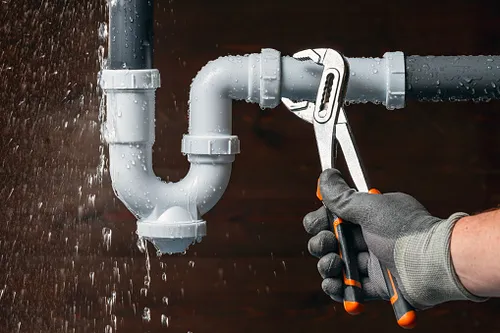
PowerFlo Sewer Service
2277 Victory Blvd, Staten Island, NY 10314
PowerFlo Sewer Service is a sewer and drain cleaning company serving New York, NY. They provide a range of services including grease trap cleaning, water jet cleaning, camera inspection, vacuum pumping, and flood control for residential, commercial, and condominium customers. The company emphasizes respect and care for customers' properties and employs experienced technicians to handle both simple and complex drainage problems. PowerFlo Sewer Service is known for leaving no mess behind and maintaining clear communication throughout the service process.
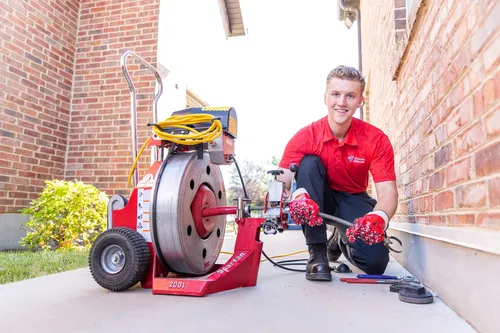
Zoom Drain
152 Stevens Ave, Jersey City, NJ 07305
Zoom Drain is a drain and sewer cleaning company serving New York, NY, and the surrounding North Jersey area. They provide services for residential and commercial properties, including grease trap maintenance and sewer cleaning. The company uses advanced equipment such as PowerSnake, Zoom Jetting®, and video inspection to address clogs, root invasions, and other drain issues efficiently. Zoom Drain also offers specialized solutions like Zoom Drain Bio™ to dissolve common drain blockages. Their team is known for knowledgeable technicians and tailored maintenance plans to meet diverse customer needs.
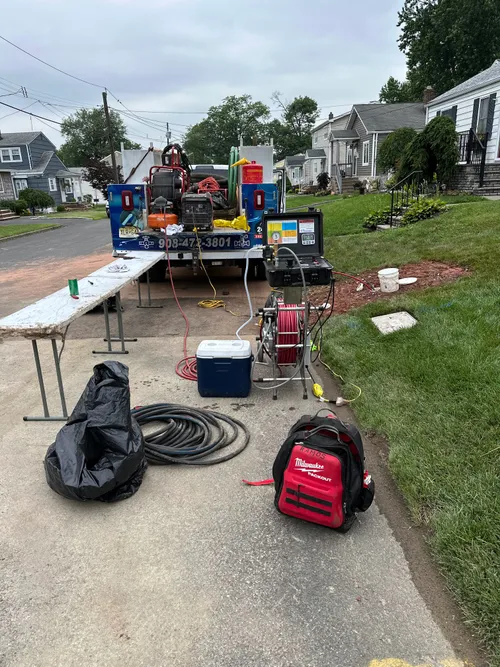
Arrow Sewer and Drain
165 Union Ave, Middlesex, NJ 08846
Arrow Sewer and Drain is a plumbing and sewer service provider based in Middlesex, New Jersey, serving residential and commercial clients throughout Edison and the broader New Jersey area. They offer a wide range of services including grease trap cleaning, trenchless sewer repair, hydro jet drain cleaning, hydro excavation, septic tank installation and replacement, and emergency plumbing. Their use of advanced equipment such as sewer scopes, cured-in-place pipe (CIPP) technology, and hydro excavation allows for efficient, non-invasive repairs that minimize disruption to properties. With over 15 years of experience, Arrow Sewer and Drain provides 24/7 emergency plumbing services to address urgent issues at any time.
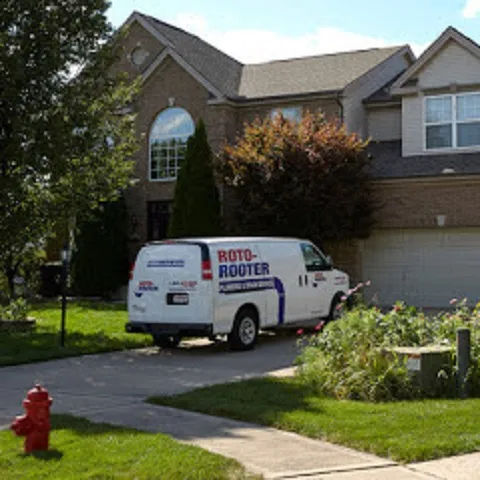
Roto-Rooter Plumbing & Water Cleanup
23 Emmons St Ste 202, Long Branch, NJ 07740
Roto-Rooter Plumbing & Water Cleanup provides comprehensive plumbing services for homes and businesses in Brick, NJ. Their offerings include commercial plumbing, emergency plumbing available 24/7, drain cleaning, grease trap pumping and cleaning, sewer line services, water heater repair and installation, and water softener and filtration system services. The company uses advanced capabilities such as hydro-jetting and video camera sewer inspections to address plumbing issues efficiently. Serving the Long Branch metro area and surrounding communities, Roto-Rooter is fully licensed and insured to handle a wide range of plumbing needs.
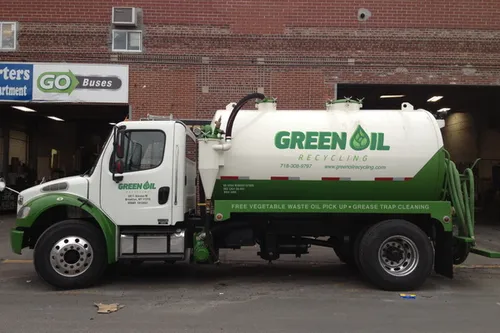
Green Oil Recycling
317 Liberty Ave, Brooklyn, NY 11207
Green Oil Recycling provides professional grease trap cleaning and used cooking oil collection services in New York, NY. They specialize in maintaining commercial kitchen grease traps, including passive hydro mechanical, large pre-cast concrete gravity traps, and auto-grease removal systems like Big Dipper. Their trained technicians thoroughly clean traps, scrape walls, and use bio-safe chemicals to break down waste oil, helping kitchens stay odorless and compliant with local regulations. Green Oil Recycling serves New York City, New Jersey, and Nassau County, ensuring all waste oil disposal meets BIC, DEC, and EPA standards. They also inspect gaskets and fittings to prevent violations and hazards, working closely with Done Right Hood & Fire Safety for comprehensive grease trap and kitchen exhaust maintenance.
Understanding New Jersey and Sayreville FOG Regulations
New Jersey's administrative code (NJAC 7:9A-8.1) forms the backbone of FOG control for food service establishments (FSEs) across the state, including those in Sayreville 1. This regulation mandates that FSEs install and properly maintain grease traps or interceptors to prevent excessive FOG from entering the public sewer system. A key provision prohibits the use of garbage disposals in situations where FOG is a persistent problem, directing waste toward proper pretreatment instead 1 2. Local municipalities like Sayreville adopt and enforce these state guidelines, often adding specific inspection and penalty structures.
Compliance is monitored through regular inspections conducted by local officials, such as the Plumbing Subcode Official, Health Officer, or Construction Official. The process typically involves an initial inspection followed by re-inspections until any violations are resolved. Understanding these rules is the first step in building a compliant and hassle-free maintenance routine for your grease control equipment.
Mandatory Cleaning Frequency and Triggers
One of the most critical compliance aspects is adhering to the mandated cleaning schedule. Regulations are clear: you cannot simply clean your grease interceptor "when it seems full." New Jersey guidelines require pumping when the combined FOG and solids accumulate to 25% of the liquid depth of the trap or interceptor 3 4. Whichever comes first, this 25% threshold or a maximum time interval of every 90 days, triggers the requirement for service 5 6.
This 90-day rule is a strict baseline. For high-volume kitchens, cleaning may be needed more frequently. Proactive scheduling based on your establishment's output is crucial. Waiting for obvious signs of slow drainage or odor is a recipe for violations and emergency service calls, which are far more expensive than routine maintenance.
The Non-Negotiable Maintenance Log
Documentation is just as important as the physical cleaning. Sayreville establishments must maintain a detailed maintenance log for a minimum of 24 months, and this log must be readily available for inspection by authorities 7. Your log should meticulously record every service event with the following information:
- Date of pumping/cleaning
- Name and license number of the waste hauler company
- Volume of grease, solids, and wastewater removed
- Disposal location or method (e.g., the licensed facility where the waste was taken)
This log serves as your proof of compliance. Incomplete or missing records can be cited as a violation just as easily as an overfull trap.
Proper Waste Disposal and Hauler Requirements
You cannot dispose of grease trap waste down a drain, in a dumpster, or on your property. New Jersey law requires that all FOG waste be removed and transported by a licensed waste hauler. These licensed professionals ensure that the collected grease and solids are disposed of at approved facilities, completing the chain of custody responsibly.
When selecting a service provider, always verify their licensing. Using an unlicensed hauler not only breaks the law but also leaves you without valid documentation for your maintenance log, putting you at risk for penalties.
Costs of Compliance vs. Non-Compliance
Investing in regular maintenance is far more economical than facing the consequences of neglect. For a well-maintained grease trap that is serviced on a preventative schedule, the cost for a standard cleaning in the Sayreville area typically ranges from $175 to $225+ per visit8 9.
Contrast this with the costs of non-compliance:
- Emergency Service: A severely clogged or overflowing trap requires immediate, often after-hours, attention, which can cost two to three times more than routine service.
- Municipal Fines: Violations can lead to direct fines. For example, local ordinances often stipulate penalties such as $250 for a first offense and $500 for subsequent offenses 10 11.
- Cost Recovery: If a blockage from your establishment causes a sewer backup or requires municipal intervention, you can be billed for all related utility costs, which can amount to thousands of dollars.
Find the perfect grease trap cleaning companies for your needs
Get personalized recommendations and expert advice
Key Components of an Effective Grease Management Program
Beyond just scheduling cleanings, a comprehensive program involves several proactive steps:
1. Ensure Proper Installation and Accessibility: Your grease trap or interceptor must be correctly sized for your kitchen's volume and easily accessible for service technicians and inspectors. Obstructed or improperly installed units can lead to incomplete cleaning and citations 12 13.
2. Implement Staff Training: Documented training for kitchen staff on proper FOG handling is a best practice and often a regulatory expectation 14. Train employees to scrape food scraps into trash bins before washing, avoid pouring grease down any drain, and use sink strainers. This reduces the load on your trap and extends time between services.
3. Schedule Proactively, Not Reactively: Mark your calendar based on the 90-day rule and your observed fill rate. Building a relationship with a reliable, licensed hauler for regular service is the best way to prevent last-minute scrambles and ensure consistent documentation.
4. Prepare for Inspections: Have your 24-month maintenance log, staff training records, and hauler contact/license information organized and on-site. A smooth inspection process demonstrates responsible management.
Consequences of FOG Violations in Sayreville
Understanding the potential repercussions underscores the importance of compliance. If an inspection finds violations-such as an overfull trap, missing logs, or evidence of improper disposal-the process is stringent. You will be given a notice to correct the issues within a specified timeframe, followed by re-inspections.
Failure to comply can lead to the penalties previously mentioned: escalating fines and cost recovery charges for any public sewer problems attributed to your establishment. In severe or repeat cases, officials may have the authority to suspend sewer service until compliance is achieved, effectively forcing a business to close until the situation is resolved.
Frequently asked questions
Sources
Footnotes
-
N.J. Admin. Code § 7:9A-8.1 - Grease removal and high strength ... - https://www.law.cornell.edu/regulations/new-jersey/N-J-A-C-7-9A-8-1 ↩ ↩2
-
Borough of Bellmawr, NJ Grease Traps - eCode360 - https://ecode360.com/32390857 ↩
-
New Jersey FOG Regulations - D&W Alternative Energy - https://dandwalternativeenergy.com/blog/new-jersey-fog-regulations/ ↩
-
101.08 OPERATION, MAINTENANCE AND CLEANING OF GREASE ... - https://codelibrary.amlegal.com/codes/ankeny/latest/ankeny_ia/0-0-0-3530 ↩
-
Ordinance 1777-25 for Fats Oils and Grease and Sewer System - https://www.hazlettwp.org/DocumentCenter/View/10120/2025-07-22-Ordinance-1777-25-for-Fats-Oils-and-Grease-and-Sewer-System ↩
-
New Jersey FOG & Used Oil Rules: Permits & 90-Day Limit - https://greaseconnections.com/resources/compliance/nj/ ↩
-
Grease Traps - Township of South Hackensack, NJ - eCode360 - https://ecode360.com/33193654 ↩
-
How to Clean a Grease Trap (and How Often You Should) - https://greaseconnections.com/how-to-clean-a-grease-trap-and-how-often-you-should/ ↩
-
The Cost To Clean A Grease Trap For Restaurants - https://thegreasecompany.com/blog/greasetrapcleaningcost/ ↩
-
Township of Springfield, NJ Grease Traps and Grease Interceptors - https://ecode360.com/35108125 ↩
-
Borough of Alpha, NJ Food-Related Grease Control - eCode360 - https://ecode360.com/30677390 ↩
-
Installation and Maintenance of Grease Traps - eCode360 - https://ecode360.com/34939379 ↩
-
Grease Trap Regulations and Maintenance - A Rooter Pros - https://njsewerdrain.com/grease-trap-and-grease-interceptor-regulations-in-nj/ ↩
-
Borough of Clementon, NJ Grease Traps, Interceptors and Oil Separators - https://ecode360.com/13731865 ↩