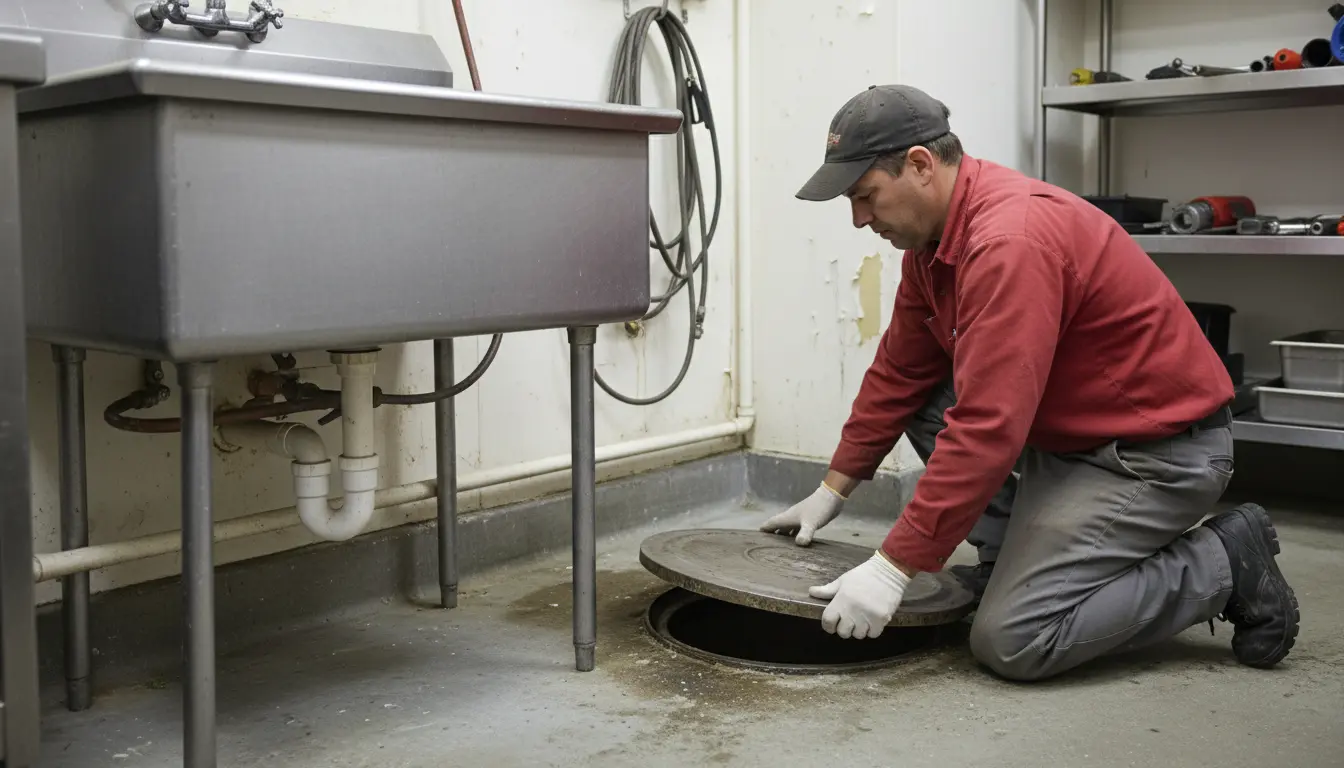
Find the Best Grease Trap Cleaning Companies for Your Business
No obligation • Fast responses • Nationwide coverage

Why you can trust Restaurant Waste Disposal
Restaurant Waste Disposal is a leading U.S. resource for comparing restaurant composting, food-waste recycling, grease trap cleaning, and used cooking oil collection services. Our editorial team researches providers, checks credentials, and organizes unbiased information so operators can make informed decisions. Companies cannot pay to change ratings or placement.
Search providers near you
Top Grease Trap Cleaning Companies in Plainfield, New Jersey Ranked
For any food service establishment in Plainfield, from bustling downtown eateries to corporate cafeterias, managing fats, oils, and grease (FOG) is a critical operational and legal responsibility. The city enforces specific regulations to protect the local sewer system from blockages that can lead to costly backups and environmental issues. Compliance isn't just about avoiding fines; it's about ensuring your business runs smoothly without interruption. This guide outlines the essential rules, maintenance schedules, and best practices for grease trap and interceptor upkeep as mandated by Plainfield and New Jersey state codes. Staying proactive with a licensed service provider is the most effective way to maintain compliance and protect your investment.
PowerFlo Sewer Service
2277 Victory Blvd, Staten Island, NY 10314
PowerFlo Sewer Service is a sewer and drain cleaning company serving New York, NY. They provide a range of services including grease trap cleaning, water jet cleaning, camera inspection, vacuum pumping, and flood control for residential, commercial, and condominium customers. The company emphasizes respect and care for customers' properties and employs experienced technicians to handle both simple and complex drainage problems. PowerFlo Sewer Service is known for leaving no mess behind and maintaining clear communication throughout the service process.
Viper Jet Drain Services
5-02 Banta Pl, Fair Lawn, NJ 07410
Viper Jet Drain Services provides drain, septic, and grease trap cleaning services in New York, NY, and New Jersey. They serve residential, commercial, and municipal clients with solutions ranging from household drain cleaning to large-scale sewer and stormwater management. Their licensed and insured technicians use advanced equipment such as hydro jetting and camera inspections to deliver reliable results. The family-owned company emphasizes expertise and customer care, offering emergency services and professional maintenance for grease traps and septic systems.
Zoom Drain
152 Stevens Ave, Jersey City, NJ 07305
Zoom Drain is a drain and sewer cleaning company serving New York, NY, and the surrounding North Jersey area. They provide services for residential and commercial properties, including grease trap maintenance and sewer cleaning. The company uses advanced equipment such as PowerSnake, Zoom Jetting®, and video inspection to address clogs, root invasions, and other drain issues efficiently. Zoom Drain also offers specialized solutions like Zoom Drain Bio™ to dissolve common drain blockages. Their team is known for knowledgeable technicians and tailored maintenance plans to meet diverse customer needs.
Arrow Sewer and Drain
165 Union Ave, Middlesex, NJ 08846
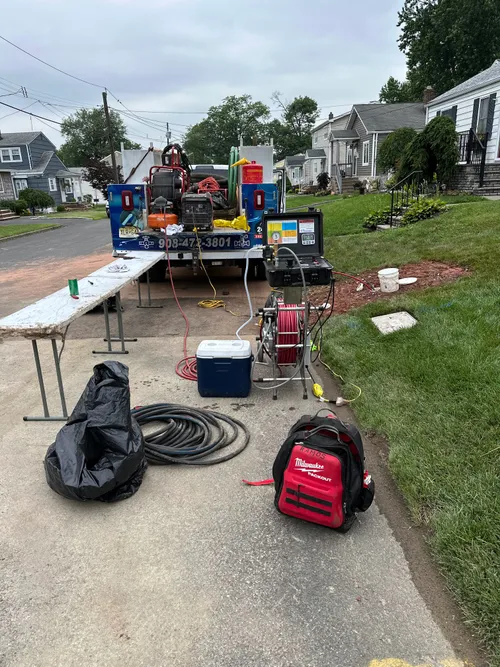
Arrow Sewer and Drain is a plumbing and sewer service provider based in Middlesex, New Jersey, serving residential and commercial clients throughout Edison and the broader New Jersey area. They offer a wide range of services including grease trap cleaning, trenchless sewer repair, hydro jet drain cleaning, hydro excavation, septic tank installation and replacement, and emergency plumbing. Their use of advanced equipment such as sewer scopes, cured-in-place pipe (CIPP) technology, and hydro excavation allows for efficient, non-invasive repairs that minimize disruption to properties. With over 15 years of experience, Arrow Sewer and Drain provides 24/7 emergency plumbing services to address urgent issues at any time.
Green Oil Recycling
317 Liberty Ave, Brooklyn, NY 11207
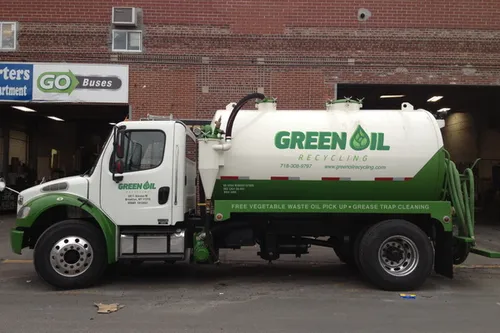
Green Oil Recycling provides professional grease trap cleaning and used cooking oil collection services in New York, NY. They specialize in maintaining commercial kitchen grease traps, including passive hydro mechanical, large pre-cast concrete gravity traps, and auto-grease removal systems like Big Dipper. Their trained technicians thoroughly clean traps, scrape walls, and use bio-safe chemicals to break down waste oil, helping kitchens stay odorless and compliant with local regulations. Green Oil Recycling serves New York City, New Jersey, and Nassau County, ensuring all waste oil disposal meets BIC, DEC, and EPA standards. They also inspect gaskets and fittings to prevent violations and hazards, working closely with Done Right Hood & Fire Safety for comprehensive grease trap and kitchen exhaust maintenance.
Understanding Plainfield's FOG Regulations
Plainfield's plumbing and health codes incorporate state-level FOG regulations designed to prevent sewer overflows. The core principle is that all grease must be intercepted before it enters the public sewer lines. These rules apply to any facility that prepares or serves food, including restaurants, bakeries, schools, and hospitals.
Key regulatory requirements include:
- Mandatory Installation: All food service establishments must have an approved and properly sized grease trap or interceptor.
- Proper Connections: Waste from garbage disposals and dishwashers should not be connected to the grease interceptor, as this can reduce its efficiency and lead to more frequent cleanings.
- Prohibited Practices: It is illegal to pour any fats, oils, grease, or food solids down sinks, floor drains, or any other drain that connects to the sewer.
Enforcement is handled by the Borough's Plumbing Subcode Official, who conducts inspections to verify compliance.
Determining Cleaning Frequency and Best Practices
How often you need grease trap cleaning in Plainfield is not a one-size-fits-all schedule. While local codes often cite a minimum of every six months, the actual frequency is typically determined by the volume of FOG your kitchen produces and the size of your interceptor. High-volume restaurants may require service as often as bi-weekly or monthly, while lower-volume operations might adhere to a quarterly schedule.
A standard best practice is to have the trap pumped when the FOG and solids accumulate to 25% of the unit's capacity. Waiting until it's overly full compromises its effectiveness and can lead to grease escaping into the sewer lines. A licensed professional can assess your specific operation and recommend an optimal service interval during your initial cleaning 1 2.
Find the perfect grease trap cleaning companies for your needs
Get personalized recommendations and expert advice
The Inspection Process and Penalties for Non-Compliance
Regular inspections by the Plumbing Subcode Official are a reality of operating a food business in Plainfield. Being prepared is key to a smooth inspection 3.
During an inspection, officials will typically:
- Check the physical condition and accessibility of the grease interceptor.
- Verify the unit is correctly sized for the establishment's flow rate.
- Review the maintenance logbook for proof of regular, licensed cleanings.
The maintenance log is your primary documentation. It must include detailed receipts from a licensed hauler, noting the date of service, the volume of waste removed, and the signature of the service technician 4. Failure to maintain this log or to comply with cleaning regulations can result in significant penalties. Violations may lead to fines starting at $250 for a first offense and escalating to $500 or more for subsequent offenses. Additionally, business owners are responsible for all costs associated with clearing any sewer blockages caused by their negligence 5 6.
The Professional Cleaning Process and Associated Costs
Hiring a licensed, county-registered hauler is not just a recommendation-it's a requirement for proper disposal in New Jersey. These professionals handle the hazardous waste from pump-out to approved disposal facilities 7.
A thorough professional service includes:
- Complete Pump-Out: Removing all liquid, FOG, and solid waste from the trap.
- Interior Cleaning: Scraping and pressure-washing the walls and baffles to remove clinging grease and solids.
- System Check: Testing the flow and operation to ensure the trap is functioning correctly before leaving the site.
The cost for this essential service in Plainfield varies. A routine, preventative cleaning for a standard-sized trap often starts in the range of $175 to $225 per visit 8. However, costs can be significantly higher for larger interceptors, severely neglected traps that require extra labor, or for establishments that need more frequent service. Investing in regular maintenance is almost always less expensive than paying emergency cleanup fees or regulatory fines 9 8.
Maintaining Your Compliance Record
The cornerstone of ongoing compliance is diligent record-keeping. Your grease trap maintenance log should be kept on-site and updated after every service. This log serves as your proof of due diligence during inspections and helps you track your service schedule. Partnering with a reliable, licensed service provider ensures you receive the proper documentation and can set up automatic reminders for your next required cleaning, taking the guesswork out of compliance.
Frequently asked questions
Sources
Footnotes
-
How to Clean a Grease Trap (and How Often You Should) - https://greaseconnections.com/how-to-clean-a-grease-trap-and-how-often-you-should/ ↩
-
NJ Grease Trap Pumping - A Rooter Pros - https://njsewerdrain.com/grease-trap-pumping-cleaning/ ↩
-
Grease Trap Sizing in NYC & NJ: What Many Kitchens Get ... - https://filtakleenco.com/grease-trap-sizing/ ↩
-
Grease Trap Regulations and Maintenance - A Rooter Pros - https://njsewerdrain.com/grease-trap-and-grease-interceptor-regulations-in-nj/ ↩
-
New Jersey FOG Regulations - D&W Alternative Energy - https://dandwalternativeenergy.com/blog/new-jersey-fog-regulations/ ↩
-
Installation and Maintenance of Grease Traps - eCode360 - https://ecode360.com/34939379 ↩
-
New Jersey FOG & Used Oil Rules: Permits & 90-Day Limit - https://greaseconnections.com/resources/compliance/nj/ ↩
-
The Cost To Clean A Grease Trap For Restaurants - https://thegreasecompany.com/blog/greasetrapcleaningcost/ ↩ ↩2
-
Grease Traps, Interceptors and Oil Separators - eCode360 - https://ecode360.com/13731865 ↩