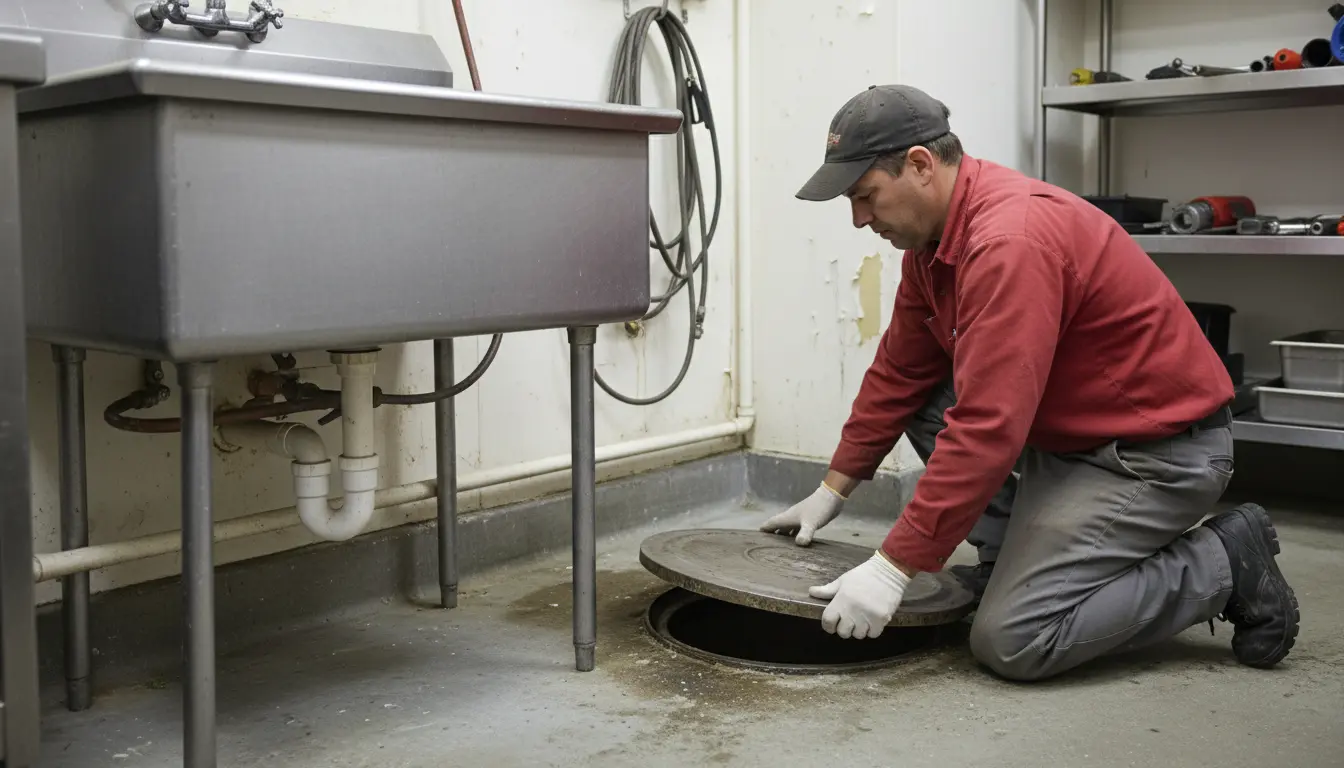
Find the Best Grease Trap Cleaning Companies for Your Business
No obligation • Fast responses • Nationwide coverage

Why you can trust Restaurant Waste Disposal
Restaurant Waste Disposal is a leading U.S. resource for comparing restaurant composting, food-waste recycling, grease trap cleaning, and used cooking oil collection services. Our editorial team researches providers, checks credentials, and organizes unbiased information so operators can make informed decisions. Companies cannot pay to change ratings or placement.
Search providers near you
Top Grease Trap Cleaning Companies in Paterson, New Jersey Ranked
For any restaurant or commercial kitchen in Paterson, managing fats, oils, and grease (FOG) is a critical operational and legal responsibility. Proper grease interceptor maintenance is not just about avoiding clogs; it's a mandatory requirement enforced by both state regulations and the Passaic Valley Sewerage Commission (PVSC) to protect the city's sewer infrastructure. Failure to comply can lead to significant fines, operational disruptions, and costly emergency repairs. This guide outlines the essential rules, best practices, and local considerations for effective grease trap service in Paterson, helping your business stay compliant and run smoothly.
PowerFlo Sewer Service
2277 Victory Blvd, Staten Island, NY 10314
PowerFlo Sewer Service is a sewer and drain cleaning company serving New York, NY. They provide a range of services including grease trap cleaning, water jet cleaning, camera inspection, vacuum pumping, and flood control for residential, commercial, and condominium customers. The company emphasizes respect and care for customers' properties and employs experienced technicians to handle both simple and complex drainage problems. PowerFlo Sewer Service is known for leaving no mess behind and maintaining clear communication throughout the service process.
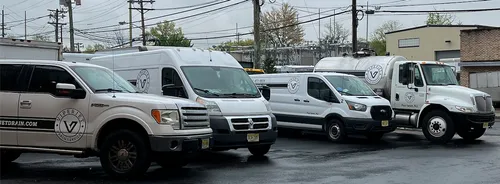
Viper Jet Drain Services
5-02 Banta Pl, Fair Lawn, NJ 07410
Viper Jet Drain Services provides drain, septic, and grease trap cleaning services in New York, NY, and New Jersey. They serve residential, commercial, and municipal clients with solutions ranging from household drain cleaning to large-scale sewer and stormwater management. Their licensed and insured technicians use advanced equipment such as hydro jetting and camera inspections to deliver reliable results. The family-owned company emphasizes expertise and customer care, offering emergency services and professional maintenance for grease traps and septic systems.
Loeffels Waste Oil Services
43 Layton Ln, Sparta, NJ 07871
Loeffels Waste Oil Services is a family-owned company based near New York, NY, specializing in used cooking oil collection and grease trap cleaning. They serve commercial clients with reliable waste oil removal and grease trap maintenance, including emergency pump-out services. With over ninety years of experience, Loeffels Waste Oil Services emphasizes safety and efficiency in their operations.
EarthCare, A Wind River Company
Woodbridge, NJ
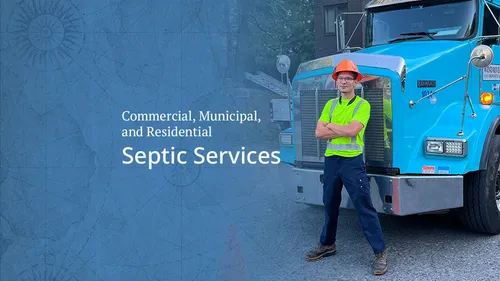
EarthCare, A Wind River Company, provides septic and grease trap cleaning services in Woodbridge, NJ, and the surrounding North Jersey and Hudson Valley areas. They serve residential, commercial, and municipal clients with a wide range of services including pumping, cleaning, waste hauling, disposal, and environmental compliance. With a history dating back to 1946, EarthCare operates one of the industry's largest fleets and offers 24/7 emergency availability. Their services include detailed inspections and real-time reporting to help clients maintain compliance with local and state regulations.
Zoom Drain
152 Stevens Ave, Jersey City, NJ 07305
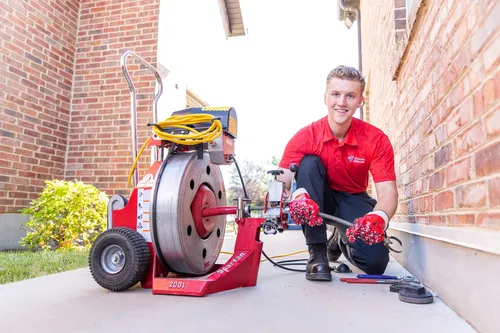
Zoom Drain is a drain and sewer cleaning company serving New York, NY, and the surrounding North Jersey area. They provide services for residential and commercial properties, including grease trap maintenance and sewer cleaning. The company uses advanced equipment such as PowerSnake, Zoom Jetting®, and video inspection to address clogs, root invasions, and other drain issues efficiently. Zoom Drain also offers specialized solutions like Zoom Drain Bio™ to dissolve common drain blockages. Their team is known for knowledgeable technicians and tailored maintenance plans to meet diverse customer needs.
Understanding Paterson's Grease Control Mandates
In Paterson, the rules for grease management are clear and strictly enforced. All food service establishments that discharge grease-laden wastewater are required to install and maintain an approved grease trap or interceptor. These devices must be properly sized for your kitchen's volume and installed according to professional standards, typically on a separate line before connecting to the main sewer 1 2. The overarching goal is to prevent FOG from entering the public sewer system, where it can solidify, cause blockages, and lead to sanitary sewer overflows-a serious environmental and public health concern.
Local enforcement is a joint effort. While the Paterson Health Department conducts inspections of food establishments, the PVSC holds ultimate authority over what goes into the sewer lines 3. This means your facility must satisfy both entities. The cornerstone of compliance is maintaining a detailed maintenance log. Paterson and PVSC regulations require you to keep these records on-site for a minimum of five years, ready for inspection at any time 3. This log should document every pumping and cleaning service, including dates, the volume of waste removed, the name of the servicing company, and a signature from the service provider.
The Critical Maintenance Schedule: When to Pump
Determining the right pumping frequency is the most important step in proactive maintenance. New Jersey state guidelines provide a clear benchmark: grease interceptors must be cleaned when the combined floating grease and settled solids reach 25% of the unit's liquid depth 4 5. For many busy Paterson restaurants, this condition is met every 1 to 3 months. Some local interpretations and vendor recommendations enforce a maximum interval of 90 days between services to ensure consistent compliance 5.
The frequency depends entirely on your operation's volume. A high-turnover diner or a large banquet hall will fill its interceptor much faster than a small café. The only reliable way to know your schedule is through regular inspection, either by your staff checking the trap's baffles or as part of a professional service visit. Adhering to a routine, scheduled cleaning cycle based on your actual usage is far more effective-and economical-than waiting for a problem to arise.
Navigating Inspections and Avoiding Penalties
Compliance is verified through inspections, and being unprepared can be costly. Facilities are subject to annual inspections, which must be performed by a licensed plumber 6. Health Department inspectors will review your maintenance logs and check that the grease interceptor is functioning efficiently.
Violations carry tangible consequences. Fines for infractions can start at $250 for a first offense 7. Perhaps more burdensome are the reinspection fees imposed by the city if you fail an initial check. These fees escalate with each subsequent reinspection required: $75 for the first, $200 for the second, and $300 or more for additional visits 7. In cases of repeated or severe non-compliance, the city can pursue legal action or even suspend your operating license until the issue is resolved 8. The clear path to avoiding these penalties is meticulous record-keeping and unwavering adherence to your pumping schedule.
Find the perfect grease trap cleaning companies for your needs
Get personalized recommendations and expert advice
Cost of Compliance: Scheduled vs. Emergency Service
Investing in regular grease trap maintenance is a wise financial decision. The cost for a standard, scheduled pumping service in the Paterson area typically ranges from $250 to $400 per service visit 9. This is a predictable operating expense that keeps your system functioning and your business in good standing.
Contrast this with the cost of neglect. If a grease interceptor overflows, causes a backup, or leads to a sewer line blockage on your property, you are facing an emergency. Emergency pumping and repair services can easily cost between $800 and $1,200 or more, not including any fines from the city or PVSC for a violation 10 11. Furthermore, you may be liable for the cost of cleaning any public sewer line blockage attributed to your establishment. The math is straightforward: proactive, scheduled maintenance saves significant money over reactive emergency calls.
Choosing a Service Provider in Paterson
Selecting the right partner for grease interceptor cleaning is crucial. Look for a licensed, insured, and experienced service provider familiar with the specific codes of Paterson and the requirements of the PVSC. A reputable company will not only pump the waste but also provide a detailed service report that you can add to your official logbook. They should be able to advise on your optimal pumping frequency and alert you to any potential issues with your interceptor's condition or capacity. Establishing a relationship with a reliable vendor turns a complex regulatory task into a streamlined, worry-free process.
Best Practices for Paterson Restaurant Owners
Beyond hiring a good service, there are daily practices that extend the life of your grease interceptor and improve compliance. First, educate kitchen staff to scrape all food scraps into trash bins, not sinks or dish pits. Pre-rinsing dishes over a sink basket strainer can catch solids. Avoid using garbage disposals, as they send fine organic material into the interceptor, accelerating the accumulation of solids. Finally, ensure that only appropriate wastewater enters the drain; never pour used cooking oil or grease down the sink-it should be collected separately for recycling. These simple steps reduce the load on your interceptor, potentially extending the time between necessary pumpings and reducing long-term service costs.
Staying ahead of grease trap maintenance is a non-negotiable aspect of responsible restaurant ownership in Paterson. By understanding the local regulations, maintaining impeccable records, and partnering with a qualified service provider for regular cleaning, you protect your business from fines, avoid expensive emergencies, and contribute to the health of the city's wastewater system. A small, consistent investment in compliance safeguards your operation and your reputation.
Frequently asked questions
Sources
Footnotes
-
Grease Trap Sizing in NYC & NJ: What Many Kitchens Get Wrong - Filta Kleen - https://filtakleenco.com/grease-trap-sizing/ ↩
-
Installation and Maintenance of Grease Traps - eCode360 - https://ecode360.com/34939379 ↩
-
RULES AND REGULATIONS - NJ.gov - https://www.nj.gov/pvsc/home/forms/pdf/20130701_Rules%20&%20Regulations.pdf ↩ ↩2
-
New Jersey FOG Regulations - D&W Alternative Energy - https://dandwalternativeenergy.com/blog/new-jersey-fog-regulations/ ↩
-
New Jersey FOG & Used Oil Rules: Permits & 90-Day Limit - https://greaseconnections.com/resources/compliance/nj/ ↩ ↩2
-
Grease Traps, Interceptors and Oil Separators - eCode360 - https://ecode360.com/13731865 ↩
-
City of Paterson, NJ Food Establishments, Retail - eCode360 - https://ecode360.com/8551188 ↩ ↩2
-
City of Paterson, NJ Food Establishments, Retail - https://ecode360.com/8551188 ↩
-
Commercial Grease Trap Cleaning in New Jersey and New York - https://www.davidzuidema.com/septic-services/commercial-grease-trap-cleaning/ ↩
-
Ultimate Grease Trap Pumping Cost Guide: Essential Money-Saving ... - https://www.texwaywastewater.com/grease-trap-pumping-cost/ ↩
-
Grease Trap Regulations and Compliance: What You Need to Know - https://www.texwaywastewater.com/grease-trap-regulations-and-compliance/ ↩