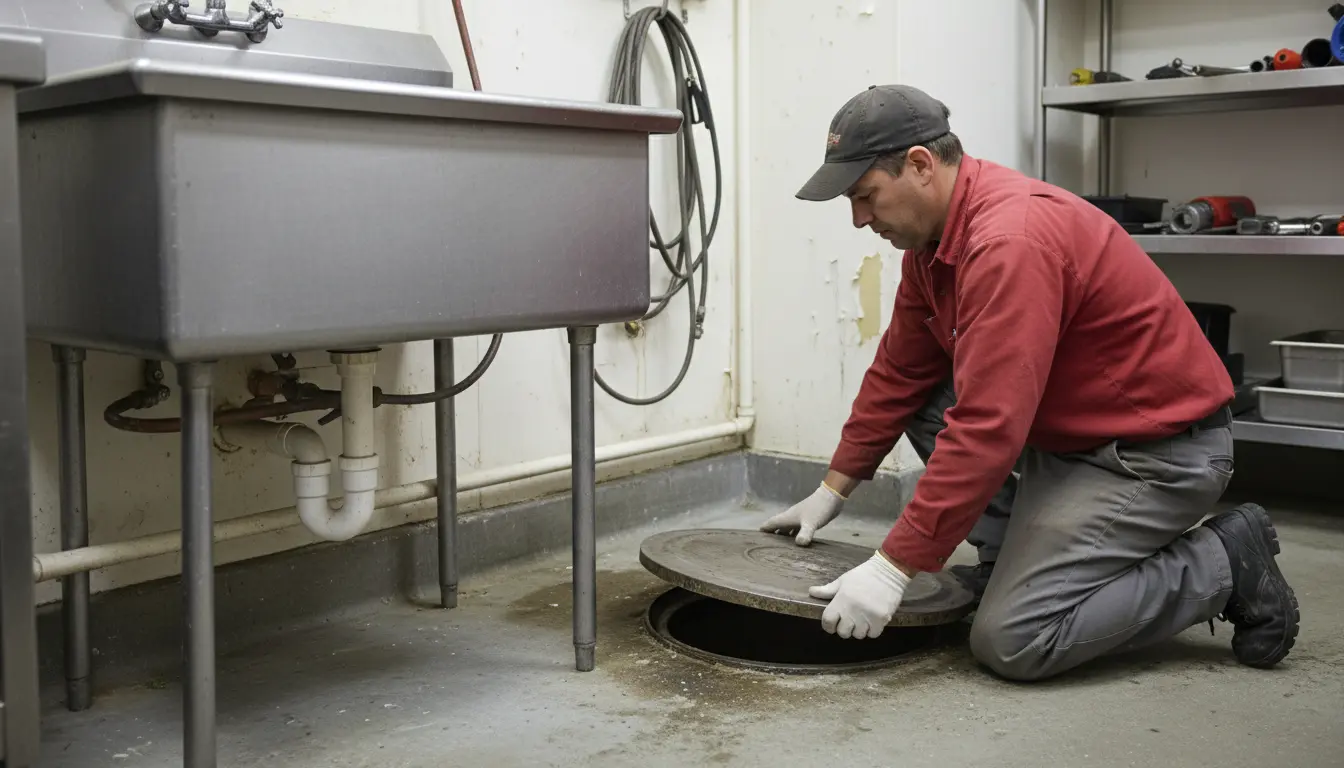
Find the Best Grease Trap Cleaning Companies for Your Business
No obligation • Fast responses • Nationwide coverage

Why you can trust Restaurant Waste Disposal
Restaurant Waste Disposal is a leading U.S. resource for comparing restaurant composting, food-waste recycling, grease trap cleaning, and used cooking oil collection services. Our editorial team researches providers, checks credentials, and organizes unbiased information so operators can make informed decisions. Companies cannot pay to change ratings or placement.
Search providers near you
Top Grease Trap Cleaning Companies in Linden, New Jersey Ranked
For any restaurant or food service establishment in Linden, proper grease trap and interceptor maintenance is not just a best practice-it's a legal requirement. The City of Linden enforces strict local ordinances to protect the municipal sewer system from blockages and overflows caused by fats, oils, and grease (FOG). Compliance involves scheduled cleanings by licensed professionals, meticulous record-keeping, and routine inspections. Understanding these regulations and the associated costs for grease interceptor pumping is essential for smooth, uninterrupted operations and avoiding significant fines.
PowerFlo Sewer Service
2277 Victory Blvd, Staten Island, NY 10314
PowerFlo Sewer Service is a sewer and drain cleaning company serving New York, NY. They provide a range of services including grease trap cleaning, water jet cleaning, camera inspection, vacuum pumping, and flood control for residential, commercial, and condominium customers. The company emphasizes respect and care for customers' properties and employs experienced technicians to handle both simple and complex drainage problems. PowerFlo Sewer Service is known for leaving no mess behind and maintaining clear communication throughout the service process.
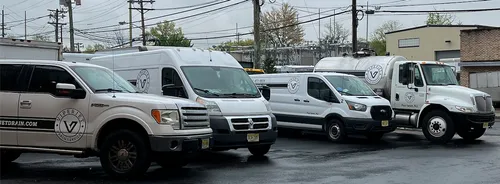
Viper Jet Drain Services
5-02 Banta Pl, Fair Lawn, NJ 07410
Viper Jet Drain Services provides drain, septic, and grease trap cleaning services in New York, NY, and New Jersey. They serve residential, commercial, and municipal clients with solutions ranging from household drain cleaning to large-scale sewer and stormwater management. Their licensed and insured technicians use advanced equipment such as hydro jetting and camera inspections to deliver reliable results. The family-owned company emphasizes expertise and customer care, offering emergency services and professional maintenance for grease traps and septic systems.
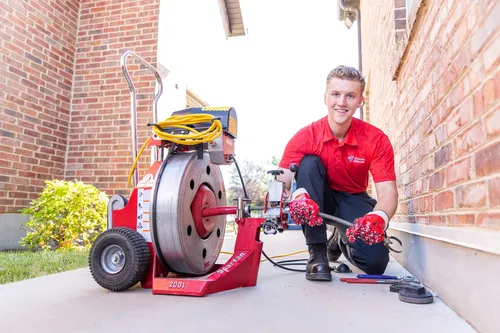
Zoom Drain
152 Stevens Ave, Jersey City, NJ 07305
Zoom Drain is a drain and sewer cleaning company serving New York, NY, and the surrounding North Jersey area. They provide services for residential and commercial properties, including grease trap maintenance and sewer cleaning. The company uses advanced equipment such as PowerSnake, Zoom Jetting®, and video inspection to address clogs, root invasions, and other drain issues efficiently. Zoom Drain also offers specialized solutions like Zoom Drain Bio™ to dissolve common drain blockages. Their team is known for knowledgeable technicians and tailored maintenance plans to meet diverse customer needs.
Arrow Sewer and Drain
165 Union Ave, Middlesex, NJ 08846
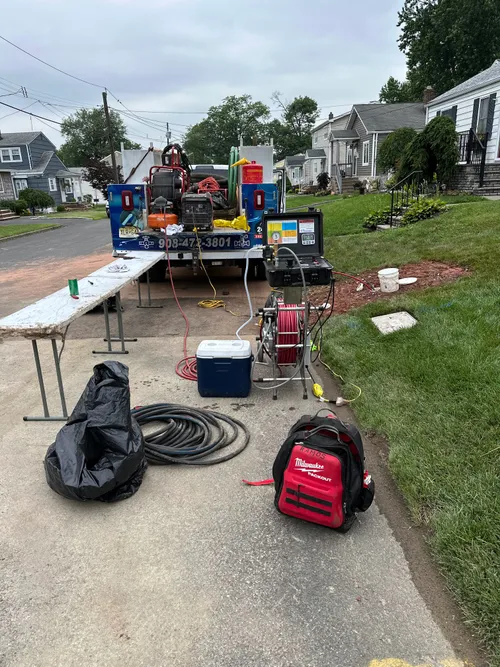
Arrow Sewer and Drain is a plumbing and sewer service provider based in Middlesex, New Jersey, serving residential and commercial clients throughout Edison and the broader New Jersey area. They offer a wide range of services including grease trap cleaning, trenchless sewer repair, hydro jet drain cleaning, hydro excavation, septic tank installation and replacement, and emergency plumbing. Their use of advanced equipment such as sewer scopes, cured-in-place pipe (CIPP) technology, and hydro excavation allows for efficient, non-invasive repairs that minimize disruption to properties. With over 15 years of experience, Arrow Sewer and Drain provides 24/7 emergency plumbing services to address urgent issues at any time.
Roto-Rooter Plumbing & Water Cleanup
23 Emmons St Ste 202, Long Branch, NJ 07740
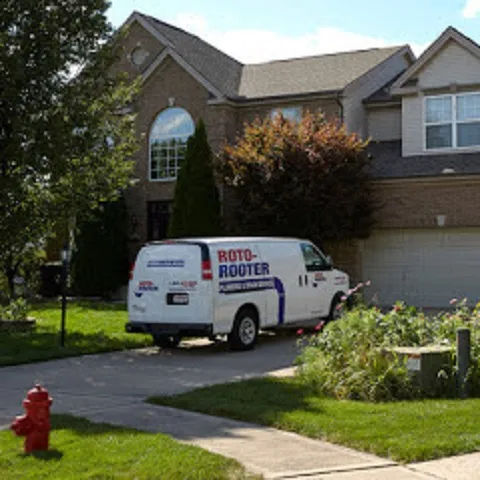
Roto-Rooter Plumbing & Water Cleanup provides comprehensive plumbing services for homes and businesses in Brick, NJ. Their offerings include commercial plumbing, emergency plumbing available 24/7, drain cleaning, grease trap pumping and cleaning, sewer line services, water heater repair and installation, and water softener and filtration system services. The company uses advanced capabilities such as hydro-jetting and video camera sewer inspections to address plumbing issues efficiently. Serving the Long Branch metro area and surrounding communities, Roto-Rooter is fully licensed and insured to handle a wide range of plumbing needs.
Understanding Linden's Grease Trap Regulations
Linden's plumbing code mandates that all food service establishments install and maintain grease traps or interceptors at the owner's expense. The primary goal is to prevent FOG from entering the public sewer lines, which can cause severe blockages, sanitary sewer overflows, and costly damage to infrastructure 1.
Key prohibited discharges include pouring any food waste-such as fats, oils, grease, and food solids-into slop sinks, floor drains, toilets, or any plumbing fixture not directly connected to an approved grease interceptor. These rules are designed to ensure that all wastewater from kitchen activities passes through the grease control device before leaving your property.
Required Cleaning Frequency and Documentation
The cornerstone of compliance is a regular cleaning schedule. Linden requires that grease interceptors be pumped and cleaned a minimum of every six months. However, the Borough's Plumbing Subcode Official has the authority to require more frequent service-such as quarterly or monthly-if inspections reveal excessive accumulation or if the interceptor is 25% full of FOG and solids.
Each cleaning must be performed by a licensed waste hauler and involve the complete removal of all contents: floating FOG, wastewater, and settled sludge. Simply skimming the surface is not sufficient and will not satisfy the ordinance. After service, you must obtain and retain a detailed bill or receipt from the service provider. Establishments are also required to maintain an on-site maintenance log documenting every cleaning service, which must be available for review during inspections.
Inspection and Enforcement Process
Compliance is verified through inspections conducted by the Borough's Plumbing Official. During an inspection, the official will assess the interceptor's condition and efficiency. If a trap is found to be non-compliant, the official can mandate immediate upgrades to the equipment, impose a stricter cleaning schedule, or even require laboratory testing of the effluent-all at the owner's expense.
Enforcement actions for violations can be costly. Initial offenses may result in fines, while subsequent violations often carry heavier penalties. For example, some New Jersey municipalities institute fines starting at $250 for a first offense and $500 for later offenses 2. Furthermore, if a blockage in the public sewer is traced back to your establishment, you can be held financially responsible for all costs associated with clearing the blockage and repairing any damage 3 4.
The Cost of Grease Trap Maintenance in Linden
Investing in routine maintenance is far more economical than dealing with emergencies or violations. For a standard, well-maintained indoor grease trap, routine pumping costs in the Linden area typically range from $175 to $475 per service visit 5. This is the baseline cost for proactive, scheduled cleaning.
Several factors influence the final price:
- Size and Type: Larger in-ground grease interceptors cost more to service than smaller under-sink traps.
- Condition and Accessibility: A severely neglected trap with hardened grease requires more labor and time. Easy access for service trucks keeps costs down.
- FOG and Solids Content: The volume of material to be hauled away directly impacts price.
- Service Frequency: Establishments on a monthly maintenance plan often pay a lower per-visit rate than those opting for less frequent quarterly service, as the job is quicker and easier 6.
The High Price of Non-Compliance
Neglecting regular grease interceptor cleaning is a financial risk. An emergency service call for a completely clogged interceptor or a sewer backup can cost $800 to $1,200 or more, not including potential fines from the city or revenue lost from a forced closure 7 8. Proactive, scheduled maintenance at $250-$400 per visit is a minor operational expense that protects against these major, unpredictable costs and ensures your business remains in good standing with local authorities.
Find the perfect grease trap cleaning companies for your needs
Get personalized recommendations and expert advice
Best Practices for Grease Trap Management
Beyond scheduling regular professional pump-outs, restaurant staff play a crucial role in interceptor health. Implementing simple kitchen practices can extend time between services and improve efficiency.
Train Your Staff: Ensure all employees understand what should never go down the drain. This includes cooking oils, gravy, dairy products, food scraps, and even coffee grounds. Scrape all plates and cookware into a trash or compost bin before washing. Use Strainers: Install and regularly clean strainer baskets in all sink drains to catch solid food particles. Monitor Performance: Keep an eye on drainage speed in kitchen sinks. Slow drains can be an early warning sign that the grease trap is nearing capacity and needs service sooner than scheduled. Partner with a Licensed Provider: Establish a relationship with a reliable, licensed grease trap cleaning company familiar with Linden's specific codes. They can help you determine the optimal service schedule and ensure all documentation is provided for your compliance log.
Navigating New Jersey's Broader FOG Rules
Linden's local ordinances operate within the framework of New Jersey's statewide FOG regulations. The New Jersey Department of Environmental Protection (NJDEP) mandates that establishments generating significant amounts of FOG may need permits and must ensure their waste is hauled by licensed transporters to approved disposal or recycling facilities 9. Some state rules require waste to be removed from a trap within 90 days of accumulation. Your service provider should be well-versed in both local and state requirements to keep you fully compliant 9.
Frequently asked questions
Sources
Footnotes
-
Grease Trap Regulations and Maintenance - A Rooter Pros - https://njsewerdrain.com/grease-trap-and-grease-interceptor-regulations-in-nj/ ↩
-
New Jersey FOG Regulations - D&W Alternative Energy - https://dandwalternativeenergy.com/blog/new-jersey-fog-regulations/ ↩
-
Installation and Maintenance of Grease Traps - eCode360 - https://ecode360.com/34939379 ↩
-
Grease Traps, Interceptors and Oil Separators - eCode360 - https://ecode360.com/13731865 ↩
-
Restaurant Grease Trap & Interceptor Cleaning Cost - https://greasemanagement.org/pricing.html ↩
-
Grease Trap Cleaning Price | Grease Interceptor Pumping Price - https://www.greasemanagement.org/servicecost.html ↩
-
Ultimate Grease Trap Pumping Cost Guide: Essential Money-Saving ... - https://www.texwaywastewater.com/grease-trap-pumping-cost/ ↩
-
The Cost To Clean A Grease Trap For Restaurants - https://thegreasecompany.com/blog/greasetrapcleaningcost/ ↩
-
New Jersey FOG & Used Oil Rules: Permits & 90-Day Limit - https://greaseconnections.com/resources/compliance/nj/ ↩ ↩2