Find the Best Grease Trap Cleaning Companies for Your Business
No obligation • Fast responses • Nationwide coverage

Why you can trust Restaurant Waste Disposal
Restaurant Waste Disposal is a leading U.S. resource for comparing restaurant composting, food-waste recycling, grease trap cleaning, and used cooking oil collection services. Our editorial team researches providers, checks credentials, and organizes unbiased information so operators can make informed decisions. Companies cannot pay to change ratings or placement.
Search providers near you
Top Grease Trap Cleaning Companies in Jersey City, New Jersey Ranked
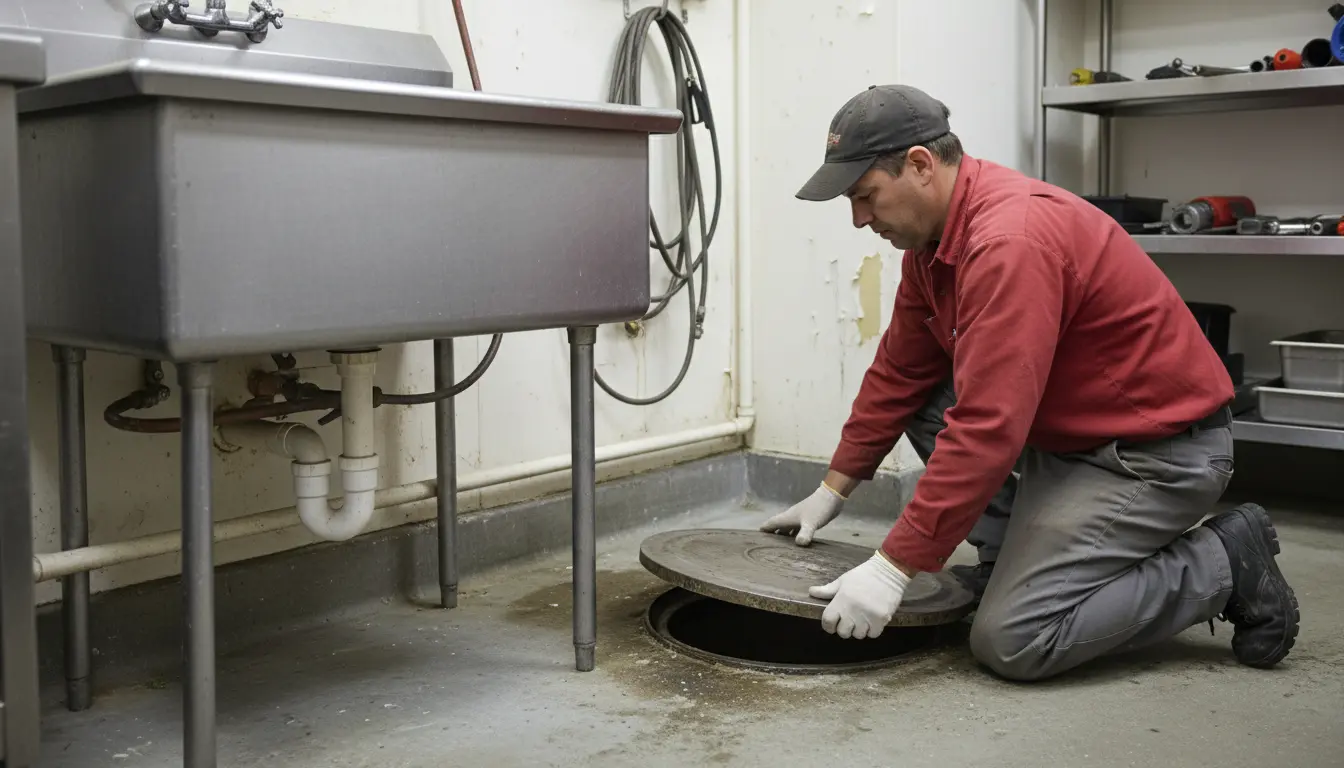
For any restaurant, deli, or commercial kitchen in Jersey City, maintaining a grease trap or interceptor isn't just a good practice-it's a strict legal requirement. Local regulations, modeled after New Jersey state codes, mandate proper installation, regular cleaning, and diligent record-keeping to prevent fats, oils, and grease (FOG) from entering the public sewer system. Failure to comply can lead to severe penalties, including hefty fines and responsibility for costly sewer blockages. This guide outlines the essential compliance steps, maintenance schedules, and best management practices specific to Jersey City food service establishments, helping you navigate the rules and protect your business.
PowerFlo Sewer Service
2277 Victory Blvd, Staten Island, NY 10314
PowerFlo Sewer Service is a sewer and drain cleaning company serving New York, NY. They provide a range of services including grease trap cleaning, water jet cleaning, camera inspection, vacuum pumping, and flood control for residential, commercial, and condominium customers. The company emphasizes respect and care for customers' properties and employs experienced technicians to handle both simple and complex drainage problems. PowerFlo Sewer Service is known for leaving no mess behind and maintaining clear communication throughout the service process.
Envirogreen Solutions
New York, NY
Envirogreen Solutions provides grease trap cleaning and used cooking oil collection services in New York, NY, including the five boroughs and Nassau County. They help commercial kitchens comply with local environmental regulations by responsibly removing and recycling cooking oil and grease trap waste. Envirogreen is fully licensed and insured, offering compliance paperwork and stickers upon service completion. Their capabilities include grease trap cleaning, cooking oil recycling, and emergency grease trap waste collection. The company is known for maintaining grease traps to keep them flowing properly and offers prompt emergency services when needed.
Viper Jet Drain Services
5-02 Banta Pl, Fair Lawn, NJ 07410
Viper Jet Drain Services provides drain, septic, and grease trap cleaning services in New York, NY, and New Jersey. They serve residential, commercial, and municipal clients with solutions ranging from household drain cleaning to large-scale sewer and stormwater management. Their licensed and insured technicians use advanced equipment such as hydro jetting and camera inspections to deliver reliable results. The family-owned company emphasizes expertise and customer care, offering emergency services and professional maintenance for grease traps and septic systems.
Zoom Drain
152 Stevens Ave, Jersey City, NJ 07305
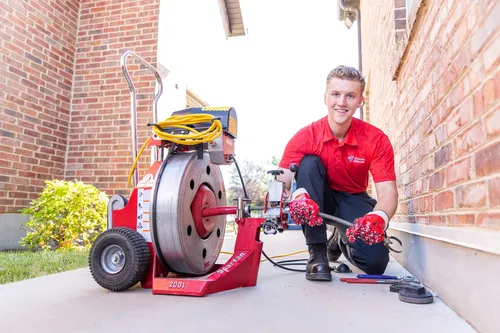
Zoom Drain is a drain and sewer cleaning company serving New York, NY, and the surrounding North Jersey area. They provide services for residential and commercial properties, including grease trap maintenance and sewer cleaning. The company uses advanced equipment such as PowerSnake, Zoom Jetting®, and video inspection to address clogs, root invasions, and other drain issues efficiently. Zoom Drain also offers specialized solutions like Zoom Drain Bio™ to dissolve common drain blockages. Their team is known for knowledgeable technicians and tailored maintenance plans to meet diverse customer needs.
Arrow Sewer and Drain
165 Union Ave, Middlesex, NJ 08846
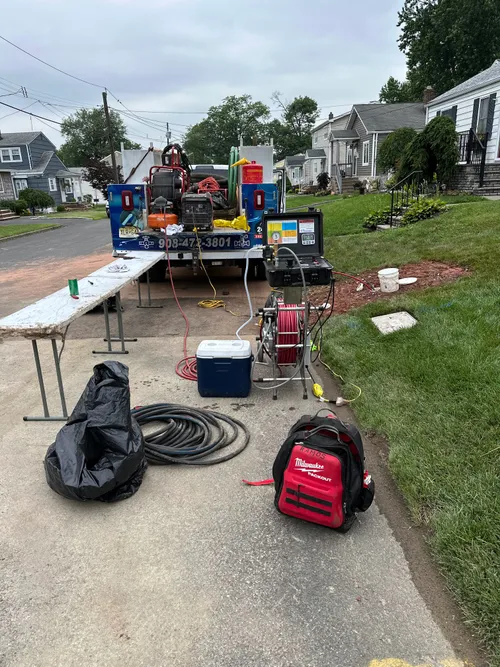
Arrow Sewer and Drain is a plumbing and sewer service provider based in Middlesex, New Jersey, serving residential and commercial clients throughout Edison and the broader New Jersey area. They offer a wide range of services including grease trap cleaning, trenchless sewer repair, hydro jet drain cleaning, hydro excavation, septic tank installation and replacement, and emergency plumbing. Their use of advanced equipment such as sewer scopes, cured-in-place pipe (CIPP) technology, and hydro excavation allows for efficient, non-invasive repairs that minimize disruption to properties. With over 15 years of experience, Arrow Sewer and Drain provides 24/7 emergency plumbing services to address urgent issues at any time.
Understanding Jersey City's Grease Interceptor Regulations
Jersey City's plumbing and health codes require all food service establishments (FSEs) to have an approved and properly sized grease removal device. These rules are designed to protect the municipal sewer infrastructure from blockages that can cause backups and environmental issues. Compliance is not optional; it's enforced through regular inspections and can impact your operating permits.
Key installation and operational mandates include:
- Mandatory Installation: Every kitchen that produces grease-laden wastewater must have a grease interceptor or trap.
- Proper Location & Design: Interceptors must be easily accessible for service and inspection, with separate plumbing lines for all grease-producing fixtures.
- Strict Discharge Limits: The effluent (outgoing water) from your trap must meet specific concentration limits for oil and grease, often averaging below 100-150 mg/L 1.
- Prohibition on Garbage Disposals: It is typically prohibited to have a garbage grinder discharge into a grease interceptor, as this overwhelms the system with solids 2.
- Best Management Practices (BMPs): Establishments are required to implement BMPs, which include staff training on proper waste disposal, using sink strainers, dry-wiping pots and pans before washing, and controlling water temperature to prevent grease from emulsifying and passing through the trap.
Determining Your Cleaning Frequency: The Critical 25% Rule
One of the most common compliance mistakes is infrequent cleaning. Jersey City guidelines, in line with state recommendations, emphasize the "25% Rule" 3 4. This means your grease interceptor must be fully pumped out and cleaned whenever the combined volume of floating fats, settled solids, and sludge reaches 25% of the trap's total liquid capacity. Allowing FOG and solids to accumulate beyond this point significantly reduces the device's effectiveness and increases the risk of grease escaping into the sewer lines.
While the 25% rule is the standard, actual pumping schedules vary based on your kitchen's volume:
- High-Volume Kitchens: Busy restaurants, diners, or catering halls may require monthly cleaning to stay compliant.
- Moderate to Low-Volume Establishments: Some cafes or lower-output kitchens might manage with quarterly service (every 3 months) 5 6.
A licensed service provider can assess your specific operation and recommend a compliant schedule. Crucially, cleaning means a complete removal of all contents-floating grease, wastewater, and bottom sludge-not just skimming the surface 7.
Inspection, Enforcement, and Penalties
The Jersey City Health Department or authorized plumbing inspectors conduct checks to ensure compliance. Being prepared for an inspection is key to avoiding violations.
- Annual Inspections: Many jurisdictions require an annual inspection certified by a licensed plumber or qualified contractor.
- Required Documentation: You must maintain a service logbook on-site. This log should detail every pump-out date, the service company used, the volume of waste removed, and records of employee training on BMPs. An incomplete or missing logbook is a common violation 8.
- Common Violations: Inspectors look for leaks, undersized or improperly installed interceptors, evidence of high FOG discharge, and lack of maintenance records.
- Penalties for Non-Compliance: Violations can result in substantial fines (e.g., $250 for a first offense, $500 or more for subsequent offenses), financial responsibility for cleaning any public sewer blockages caused by your establishment, and potential issues with renewing your health or operating permits 9 10.
Find the perfect grease trap cleaning companies for your needs
Get personalized recommendations and expert advice
Cost Considerations for Service
The cost for professional grease trap pumping in Jersey City is not a flat fee; it varies based on several factors. Understanding these can help you budget effectively.
- Trap Size and Type: Larger in-ground interceptors (e.g., 1,000-1,500 gallons) cost more to service than smaller under-sink grease traps.
- Volume of Waste: The amount of FOG and solids accumulated directly impacts disposal costs for the service provider.
- Service Frequency and Contract: Establishing a regular service contract can often be more cost-effective than emergency calls and may provide predictable pricing.
- Accessibility: Easy, clear access to the trap keeps costs down. Difficult access can add labor time.
For a typical restaurant, you can anticipate a cost range of $225 to $500 or more per pump-out 11 12. Emergency services or cleaning severely neglected traps will be significantly more expensive.
Best Management Practices for Your Kitchen
Beyond hiring a reliable service, proactive in-house practices are your first line of defense. Implementing these BMPs extends the time between necessary pump-outs, reduces the risk of blockages, and demonstrates a good-faith effort to inspectors.
- Train Your Staff: Ensure every employee understands what can and cannot go down the drain. Post clear "NO GREASE" signs in dishwashing areas.
- Scrape and Dry-Wipe: Scrape all food scraps into trash or compost bins. Use a paper towel to wipe greasy pots, pans, and dishes before they are rinsed.
- Use Sink Strainers: Install and maintain strainers in all prep and dish sinks to catch solid food particles.
- Control Water Temperature: Avoid using excessively hot water (>140°F) to rinse grease down drains, as it melts grease, allowing it to flow through the trap only to solidify later in cooler sewer pipes.
- Schedule Regular Maintenance: Don't wait for an odor or a slow drain. Adhere to a preventive pumping schedule based on the 25% rule.
The key takeaway for Jersey City food service operators is that proactive, documented maintenance of your grease interceptor is a critical business operation. It avoids far more expensive problems like fines, sewer surcharges, and disruptive backups, ensuring your kitchen runs smoothly and in full compliance with local law.
Frequently asked questions
Sources
Footnotes
-
N.J. Admin. Code § 7:9A-8.1 - Grease removal and high ... - https://www.law.cornell.edu/regulations/new-jersey/N-J-A-C-7-9A-8-1 ↩
-
Township of Maplewood, NJ Grease Traps - eCode360 - https://ecode360.com/37622134 ↩
-
Grease Trap Cleaning in Jersey City, NJ - https://www.gattiplumbingnj.com/plumbing/grease-trap-cleaning/ ↩
-
Commercial Grease Trap Cleaning in New Jersey and New York - https://www.davidzuidema.com/septic-services/commercial-grease-trap-cleaning/ ↩
-
Installation and Maintenance of Grease Traps - eCode360 - https://ecode360.com/34939379 ↩
-
New Jersey FOG & Used Oil Rules: Permits & 90-Day Limit - https://greaseconnections.com/resources/compliance/nj/ ↩
-
Grease Trap Cleaning Guide: 25% Rule, Schedule & Compliance - https://greaseconnections.com/how-to-clean-a-grease-trap-and-how-often-you-should/ ↩
-
Township of Springfield, NJ Grease Traps and Grease Interceptors - https://ecode360.com/35108125 ↩
-
Grease Trap Sizing in NYC & NJ: What Many Kitchens Get Wrong - https://filtakleenco.com/grease-trap-sizing/ ↩
-
New Jersey FOG Regulations - D&W Alternative Energy - https://dandwalternativeenergy.com/blog/new-jersey-fog-regulations/ ↩
-
Grease Trap in Newark, NJ - Costs 11 / 2025 - Homeyou - https://www.homeyou.com/nj/grease-trap-newark-costs ↩
-
Grease Trap Cleaning Prices | Guide on the Industry Average - https://grease-cycle.com/grease-trap-pumping-cost/ ↩