
Find the Best Grease Trap Cleaning Companies for Your Business
No obligation • Fast responses • Nationwide coverage

Why you can trust Restaurant Waste Disposal
Restaurant Waste Disposal is a leading U.S. resource for comparing restaurant composting, food-waste recycling, grease trap cleaning, and used cooking oil collection services. Our editorial team researches providers, checks credentials, and organizes unbiased information so operators can make informed decisions. Companies cannot pay to change ratings or placement.
Search providers near you
Top Grease Trap Cleaning Companies in Howell, New Jersey Ranked
For any restaurant, cafeteria, or food service establishment in Howell, maintaining a clean and compliant grease interceptor is not just a matter of kitchen hygiene-it's a legal requirement. Local and state regulations mandate regular pumping and detailed record-keeping to prevent fats, oils, and grease (FOG) from entering the public sewer system, where they can cause costly blockages and environmental damage. Navigating these rules requires partnering with licensed professionals who understand the specific codes enforced by Howell's Plumbing Subcode Official and Health Officer. This guide outlines what Howell food service operators need to know about grease trap maintenance, compliance, and costs to keep their businesses running smoothly and avoid significant penalties.
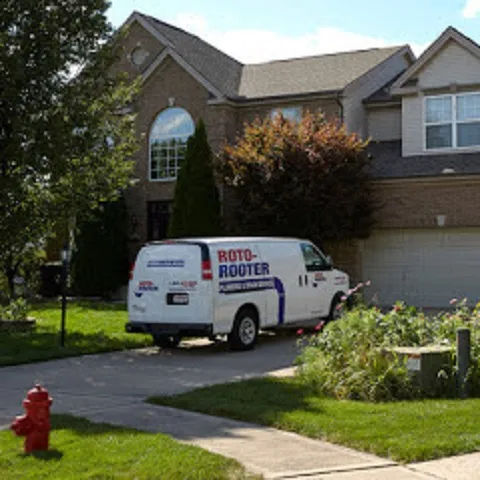
Roto-Rooter Plumbing & Water Cleanup
23 Emmons St Ste 202, Long Branch, NJ 07740
Roto-Rooter Plumbing & Water Cleanup provides comprehensive plumbing services for homes and businesses in Brick, NJ. Their offerings include commercial plumbing, emergency plumbing available 24/7, drain cleaning, grease trap pumping and cleaning, sewer line services, water heater repair and installation, and water softener and filtration system services. The company uses advanced capabilities such as hydro-jetting and video camera sewer inspections to address plumbing issues efficiently. Serving the Long Branch metro area and surrounding communities, Roto-Rooter is fully licensed and insured to handle a wide range of plumbing needs.
Wind River Environmental
Toms River, NJ
Wind River Environmental is a grease trap cleaning company serving Toms River, NJ, and the Central New Jersey area. They provide residential, commercial, municipal, and industrial septic, grease, and drain cleaning services. The company is part of the Wind River Environmental family, which has been an industry leader since 1946, and has been serving Central New Jersey locally for nearly 30 years. Wind River Environmental offers 24/7 emergency services and uses cost-efficient, minimally invasive methods to maintain and repair septic systems and grease traps.
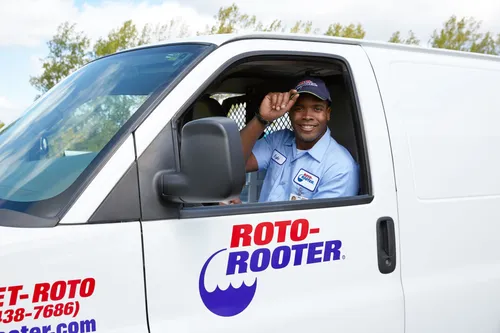
Roto-Rooter Plumbing & Water Cleanup
438 Lawton Pl #1, Perth Amboy, NJ 08861
Roto-Rooter Plumbing & Water Cleanup provides comprehensive plumbing services in Edison, NJ, and the surrounding counties. They serve both residential and commercial customers with a wide range of offerings including drain cleaning, sewer line repair and replacement, water heater installation and repair, grease trap maintenance, and water damage cleanup. The company is equipped to handle complex commercial plumbing systems and uses advanced tools such as hydro-jetting for drain cleaning. Roto-Rooter offers 24/7 emergency plumbing services to address urgent issues like burst pipes, sewer backups, and clogged drains promptly. Serving the Edison area and nearby communities, Roto-Rooter is a licensed and insured provider with extensive local knowledge.
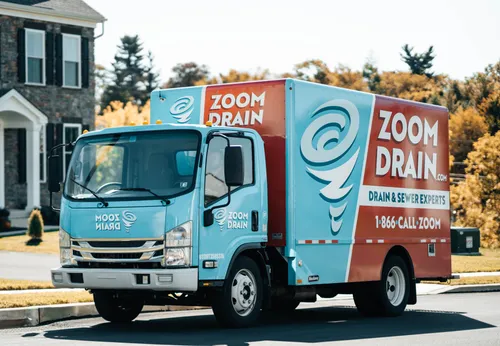
Zoom Drain
1745 Lakewood Rd Unit 10, Toms River, NJ 08755
Zoom Drain is a specialist in sewer and drain services based in Lakewood, NJ, serving Ocean County including Manasquan and surrounding areas. The company focuses on residential and commercial drain cleaning, repairs, inspections, pump replacements, and grease trap maintenance. Zoom Drain uses advanced camera inspections and offers tailored maintenance plans to keep plumbing systems functioning efficiently. They also provide specialized grease trap cleaning for the food and hospitality sector to maintain sanitary conditions. The company emphasizes comprehensive drain care solutions and supports property managers, contractors, and homeowners with customized services. Zoom Drain is known for handling complex sewer and drain issues and offers a 30-day satisfaction guarantee.
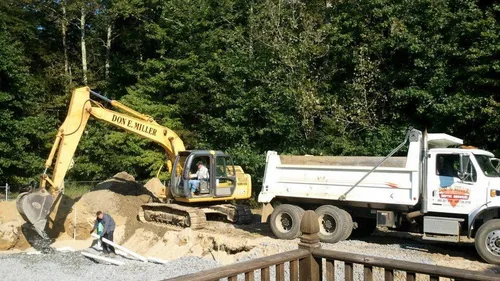
Don E Miller Septic Service Inc & Donny's Potty's
362 Meany Rd, Wrightstown, NJ 08562
Don E Miller Septic Service Inc & Donny's Potty's is a family-owned septic service provider based in Brick, NJ. Serving North Hanover Township and surrounding areas, they offer a wide range of services including septic system maintenance, installations, inspections, repairs, and portable toilet rentals. The company specializes in grease trap and tank pumping, camera inspections, dosing systems, jetting, and bacterial treatments among other septic system solutions. Established in 1963, this third-generation business brings decades of experience to residential, commercial, and municipal customers.
Understanding Howell's Grease Trap Regulations
Howell Township enforces New Jersey state plumbing and health codes, which set strict standards for grease removal device installation and upkeep. The primary goal is to protect the municipal sewer infrastructure from FOG-related blockages, which can lead to sanitary sewer overflows (SSOs). Compliance is not optional; it's a condition of operating your food service business.
Key regulations that directly impact Howell establishments include:
- Mandatory Use: Any facility that produces grease-laden wastewater is required to have a properly sized and installed grease trap or interceptor.
- Licensed Service: Cleaning and waste disposal must be performed by a county-registered, licensed grease waste hauler. You cannot use an unlicensed provider.
- Maintenance Logs: You are required to keep a detailed, signed logbook of every cleaning and pumping service for a minimum of 24 months. This log must be available for inspection by authorities at any time.
Required Cleaning Frequency and Best Practices
How often you need grease interceptor service depends on your volume of operation and the specific device, but regulations provide clear minimums. The rule of thumb is to have your trap pumped at least every six months, or more frequently when the combined FOG and solids accumulate to 25% of the liquid depth1 2. Waiting until the trap is full is a violation and dramatically increases the risk of a clog.
Beyond scheduled pumping, adopting these best practices can extend time between services and improve compliance:
- Scrape, Don't Rinse: Train staff to scrape all food scraps and grease into the trash before washing dishes.
- Use Strainer Baskets: Install baskets in sink drains to catch solids.
- Avoid Garbage Disposals: If you have a disposal, be aware that grinding food waste can overwhelm grease removal components and is often discouraged by local codes3.
- Never Pour Grease Down the Drain: This is the cardinal sin of kitchen maintenance. Collect all used fryer oil and cooking grease for proper recycling by your service provider.
Inspections and Enforcement in Howell
Howell's compliance system involves routine and surprise inspections. The inspecting officials are typically the Township's Plumbing Subcode Official or the Health Officer. During an inspection, they will:
- Physically inspect the grease interceptor for proper installation and operational efficiency.
- Check the cleanliness and overall condition of the unit.
- Review your maintenance logbook for completeness and signatures.
- Verify that service was performed by a licensed hauler.
Consequences of Non-Compliance: Violations are taken seriously. Enforcement actions can include formal notices of violation, monetary fines, and being held liable for the costs of cleaning any sewer blockages attributed to your establishment4 5. Penalties can escalate for repeat offenses.
Find the perfect grease trap cleaning companies for your needs
Get personalized recommendations and expert advice
What Determines the Cost of Service in Howell?
The price for grease trap pumping in Howell isn't fixed; it varies based on several factors specific to your operation. Understanding these can help you budget and potentially reduce long-term costs.
- Trap Size and Type: A small under-sink grease trap will cost less to service than a large, in-ground concrete interceptor.
- Level of Neglect: This is the most significant variable. A trap that is pumped on a regular schedule is far less expensive to service than one that is severely clogged with hardened grease and solids. Emergency service calls for a neglected trap can cost triple or more the price of routine maintenance6 7.
- Accessibility: Is your trap easily accessible in a parking lot, or is it located in a confined basement requiring special equipment?
- FOG Content: The actual volume of grease and solids to be removed affects disposal costs for the provider.
Typical Cost Ranges
Based on industry averages for the region, you can expect the following ballpark figures 8:
- Routine Maintenance (Well-Maintained Trap): $175 - $400+ per service visit. Smaller, accessible traps on a regular schedule fall on the lower end.
- Emergency or Major Cleaning (Neglected Trap): $800 - $1,200+. This covers the intensive labor and equipment needed to restore a clogged interceptor.
Investing in routine service is unequivocally the most cost-effective strategy, preventing massive emergency bills and non-compliance fines.
Choosing a Licensed Service Provider in Howell
Selecting the right partner for grease trap maintenance is crucial. Always verify that a provider is licensed in Monmouth County to transport and dispose of grease waste. A reputable, licensed provider will:
- Offer scheduled service plans to keep you compliant.
- Provide detailed, signed service reports for your logbook.
- Handle all waste transportation and disposal in accordance with NJDEP regulations.
- Be familiar with Howell Township's specific inspection requirements.
They can also be a resource for advice on improving your kitchen's grease handling practices and may offer related services like used cooking oil collection for recycling.
The Importance of Proper Grease Trap Maintenance
Beyond avoiding fines, consistent grease interceptor maintenance protects your business in vital ways. A malfunctioning or overflowing trap can create severe odors and unsanitary conditions in your kitchen or on your property. More critically, a sewer backup caused by grease can lead to expensive plumbing repairs, business interruption, and damage to your establishment's reputation. Proactive maintenance is a small line item that safeguards a much larger investment.
Frequently asked questions
Sources
Footnotes
-
New Jersey FOG Regulations - D&W Alternative Energy - https://dandwalternativeenergy.com/blog/new-jersey-fog-regulations/ ↩
-
N.J. Admin. Code § 7:9A-8.1 - Grease removal and high strength ... - https://www.law.cornell.edu/regulations/new-jersey/N-J-A-C-7-9A-8-1 ↩
-
New Jersey FOG & Used Oil Rules: Permits & 90-Day Limit - https://greaseconnections.com/resources/compliance/nj/ ↩
-
Installation and Maintenance of Grease Traps - eCode360 - https://ecode360.com/34939379 ↩
-
Grease Traps, Interceptors and Oil Separators - eCode360 - https://ecode360.com/13731865 ↩
-
Ultimate Grease Trap Pumping Cost Guide: Essential Money-Saving ... - https://www.texwaywastewater.com/grease-trap-pumping-cost/ ↩
-
The Cost To Clean A Grease Trap For Restaurants - https://thegreasecompany.com/blog/greasetrapcleaningcost/ ↩
-
Restaurant Grease Trap & Interceptor Cleaning Cost - https://greasemanagement.org/pricing.html ↩