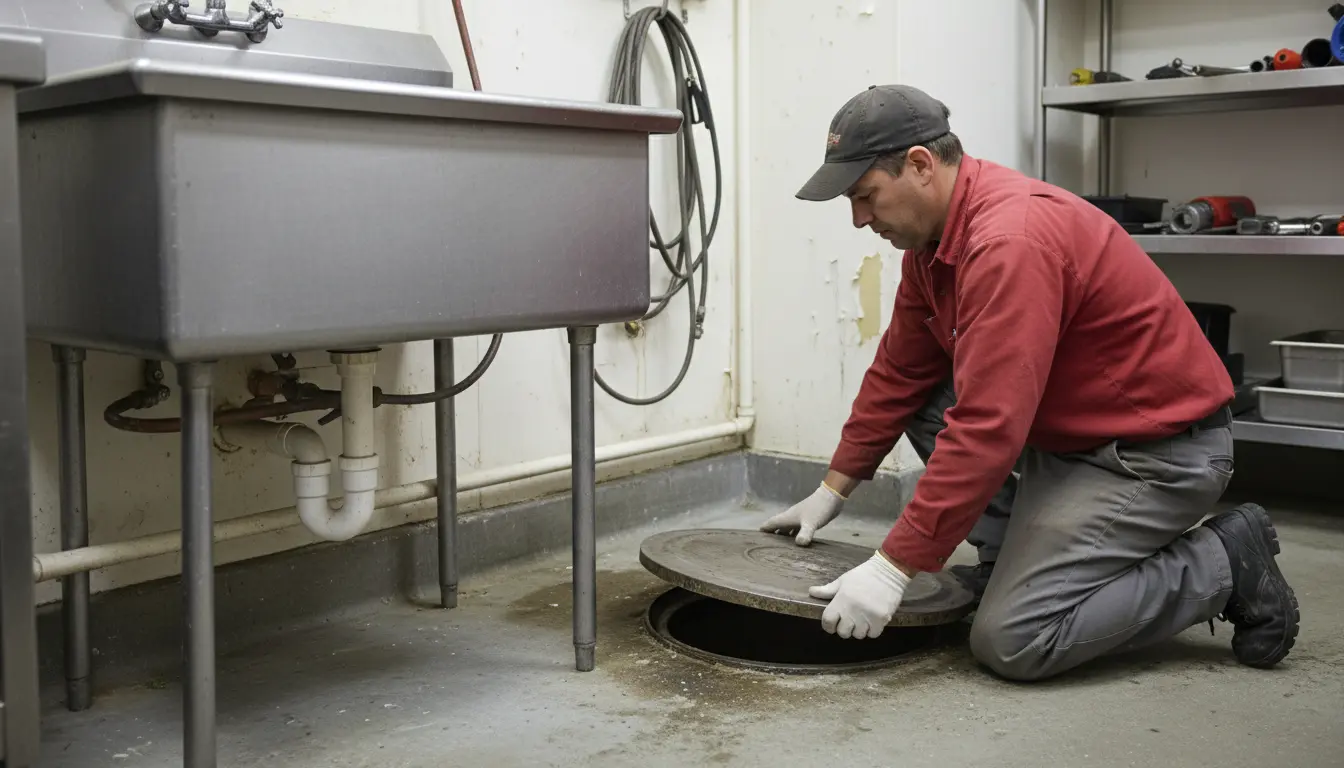
Find the Best Grease Trap Cleaning Companies for Your Business
No obligation • Fast responses • Nationwide coverage

Why you can trust Restaurant Waste Disposal
Restaurant Waste Disposal is a leading U.S. resource for comparing restaurant composting, food-waste recycling, grease trap cleaning, and used cooking oil collection services. Our editorial team researches providers, checks credentials, and organizes unbiased information so operators can make informed decisions. Companies cannot pay to change ratings or placement.
Search providers near you
Top Grease Trap Cleaning Companies in Hoboken, New Jersey Ranked
For any restaurant, food truck, or commercial kitchen operating in Hoboken, managing fats, oils, and grease (FOG) is not just a matter of kitchen maintenance-it's a strict regulatory requirement. The city, under the oversight of the North Hudson Sewerage Authority (NHSA), enforces a comprehensive FOG program designed to protect the local sewer system from costly and disruptive blockages. Compliance hinges on proper grease interceptor installation, regular professional cleaning, and meticulous record-keeping. Failure to adhere can result in significant fines, emergency repair costs, and operational disruptions. This guide outlines everything Hoboken food service operators need to know about staying compliant, from understanding local mandates to selecting a reliable service provider.
PowerFlo Sewer Service
2277 Victory Blvd, Staten Island, NY 10314
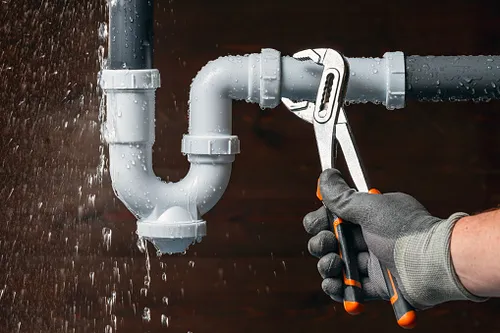
PowerFlo Sewer Service is a sewer and drain cleaning company serving New York, NY. They provide a range of services including grease trap cleaning, water jet cleaning, camera inspection, vacuum pumping, and flood control for residential, commercial, and condominium customers. The company emphasizes respect and care for customers' properties and employs experienced technicians to handle both simple and complex drainage problems. PowerFlo Sewer Service is known for leaving no mess behind and maintaining clear communication throughout the service process.
Envirogreen Solutions
New York, NY
Envirogreen Solutions provides grease trap cleaning and used cooking oil collection services in New York, NY, including the five boroughs and Nassau County. They help commercial kitchens comply with local environmental regulations by responsibly removing and recycling cooking oil and grease trap waste. Envirogreen is fully licensed and insured, offering compliance paperwork and stickers upon service completion. Their capabilities include grease trap cleaning, cooking oil recycling, and emergency grease trap waste collection. The company is known for maintaining grease traps to keep them flowing properly and offers prompt emergency services when needed.
Viper Jet Drain Services
5-02 Banta Pl, Fair Lawn, NJ 07410
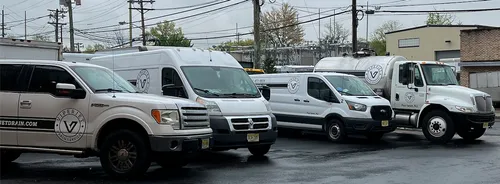
Viper Jet Drain Services provides drain, septic, and grease trap cleaning services in New York, NY, and New Jersey. They serve residential, commercial, and municipal clients with solutions ranging from household drain cleaning to large-scale sewer and stormwater management. Their licensed and insured technicians use advanced equipment such as hydro jetting and camera inspections to deliver reliable results. The family-owned company emphasizes expertise and customer care, offering emergency services and professional maintenance for grease traps and septic systems.
Zoom Drain
152 Stevens Ave, Jersey City, NJ 07305
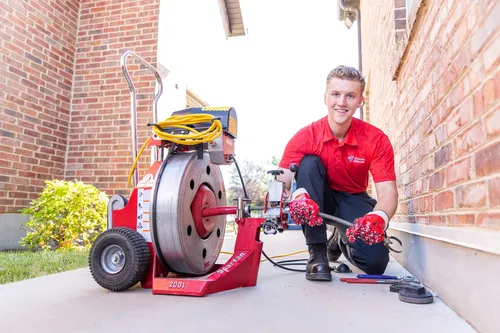
Zoom Drain is a drain and sewer cleaning company serving New York, NY, and the surrounding North Jersey area. They provide services for residential and commercial properties, including grease trap maintenance and sewer cleaning. The company uses advanced equipment such as PowerSnake, Zoom Jetting®, and video inspection to address clogs, root invasions, and other drain issues efficiently. Zoom Drain also offers specialized solutions like Zoom Drain Bio™ to dissolve common drain blockages. Their team is known for knowledgeable technicians and tailored maintenance plans to meet diverse customer needs.
Arrow Sewer and Drain
165 Union Ave, Middlesex, NJ 08846
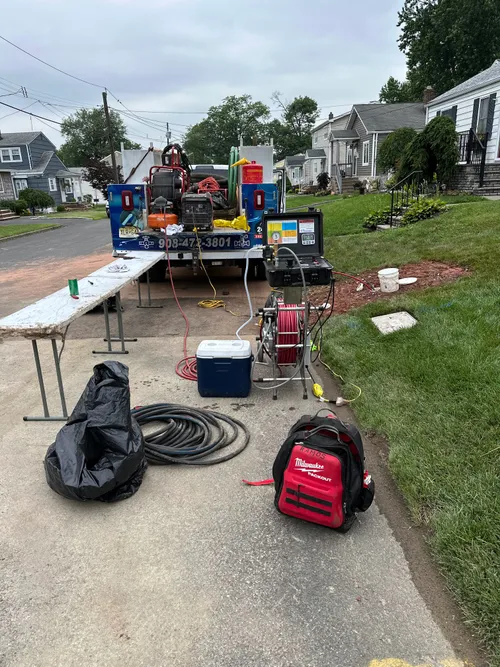
Arrow Sewer and Drain is a plumbing and sewer service provider based in Middlesex, New Jersey, serving residential and commercial clients throughout Edison and the broader New Jersey area. They offer a wide range of services including grease trap cleaning, trenchless sewer repair, hydro jet drain cleaning, hydro excavation, septic tank installation and replacement, and emergency plumbing. Their use of advanced equipment such as sewer scopes, cured-in-place pipe (CIPP) technology, and hydro excavation allows for efficient, non-invasive repairs that minimize disruption to properties. With over 15 years of experience, Arrow Sewer and Drain provides 24/7 emergency plumbing services to address urgent issues at any time.
Understanding Hoboken and New Jersey FOG Regulations
The rules governing grease management in Hoboken are a combination of state plumbing codes and local authority mandates. The primary enforcer is the North Hudson Sewerage Authority (NHSA), which administers a specific FOG Program to prevent sewer overflows and infrastructure damage. Key regulations that every food service establishment (FSE) must follow include:
- Mandatory Interceptors: Any facility that prepares or serves food is required to have a properly sized and permitted grease trap or grease interceptor 1.
- No Garbage Grinders: The use of garbage disposals (food waste grinders) that discharge into a grease interceptor is explicitly prohibited 2.
- Authorized Disposal: It is illegal to discharge FOG waste directly into the sewer system. All waste must be collected by a licensed hauler for proper disposal 3 4.
- Maintenance Logs: Facilities must maintain detailed, on-site logs of every grease interceptor cleaning and maintenance event. These logs must include the date, time, company name, technician signature, and volume of waste removed, and must be kept for a minimum of 24 months for inspector review.
Required Cleaning Frequency and Best Practices
How often should your grease trap be serviced? While the NHSA mandates cleaning whenever the unit is 25% full of FOG and solids, the actual frequency depends entirely on your kitchen's volume. For most busy Hoboken restaurants, this translates to a professional pumping and cleaning every 1 to 3 months. High-volume establishments may require monthly service, while lower-volume operations might extend to quarterly service.
The 25% rule is critical because beyond this point, the interceptor's efficiency drops sharply, allowing grease to pass into the sewer lines. The best practice is to establish a proactive, scheduled cleaning plan with a licensed provider rather than waiting for a problem. This routine maintenance is far less expensive than emergency service and is your first line of defense against violations 5 6.
The Importance of Meticulous Record-Keeping
During an inspection by the NHSA or a licensed health officer, your maintenance logs are your proof of compliance. Inspectors will request to see these records immediately. Your file should contain:
- Detailed service reports from your licensed hauler.
- Invoices and receipts for all services.
- Photographic evidence of the trap before and after cleaning (a service many professional companies provide).
Incomplete or missing logs can be grounds for a violation, even if your trap has been serviced regularly. Consider this paperwork as essential as your food safety logs.
Consequences of Non-Compliance in Hoboken
Ignoring grease trap maintenance is a costly gamble. The NHSA has clear enforcement mechanisms:
- Fines: Violations can result in penalties starting at $250 for a first offense and escalating to $500 or more for subsequent offenses 7 8.
- Cost Recovery: If a grease-caused sewer blockage is traced back to your establishment, you can be held financially responsible for all cleanup and repair costs incurred by the authority 9.
- Operational Disruption: A severe violation or blockage could lead to a mandatory cease-and-desist order, halting your kitchen operations until the issue is resolved and fines are paid.
Find the perfect grease trap cleaning companies for your needs
Get personalized recommendations and expert advice
Choosing a Licensed Grease Trap Service in Hoboken
Not all waste haulers are qualified for grease interceptor work in Hoboken. It is imperative to select a service provider that is fully licensed and insured for FOG waste collection in New Jersey. A reputable company will:
- Provide proof of licensing and insurance.
- Offer detailed service reports suitable for your compliance logs.
- Properly dispose of waste at approved facilities, providing you with a waste tracking document (manifest).
- Advise on optimal cleaning frequency based on your specific trap size and usage.
Cost of Grease Trap Cleaning Services
Budgeting for this necessary expense is straightforward with scheduled maintenance. For a standard commercial grease trap pumping and cleaning in the Hoboken area, restaurants can expect to pay between $250 and $400+ per service, with the final cost depending on the size of the interceptor and the volume of waste 10.
This cost is minimal compared to the price of emergency service, which can range from $800 to $1,200 or more, and does not include any potential fines 11. Proactive, scheduled cleaning is the most cost-effective and compliant path forward.
Beyond Cleaning: Comprehensive FOG Management
While regular pumping is the core requirement, a holistic approach to grease management can improve efficiency and reduce costs. This includes:
- Employee Training: Educate kitchen staff on best practices, such as scraping plates into trash bins before washing and using sink baskets to catch solids.
- Proper Disposal: Never pour cooking oil or grease down the drain. Collect used fryer oil in dedicated containers for recycling by a licensed used cooking oil (UCO) collector.
- Interceptor Inspections: Have your service provider inspect the condition of your interceptor, including baffles and seals, during routine cleanings to catch small issues before they become big problems.
Adhering to Hoboken's grease trap regulations through scheduled professional cleaning and diligent record-keeping is a fundamental responsibility for every food service business. It protects your local infrastructure, avoids hefty penalties, and ensures your kitchen runs without preventable interruptions.
Frequently asked questions
Sources
Footnotes
-
Grease Trap Regulations and Maintenance - A Rooter Pros - https://njsewerdrain.com/grease-trap-and-grease-interceptor-regulations-in-nj/ ↩
-
Grease Traps, Interceptors and Oil Separators - eCode360 - https://ecode360.com/13731865 ↩
-
New Jersey FOG Regulations - D&W Alternative Energy - https://dandwalternativeenergy.com/blog/new-jersey-fog-regulations/ ↩
-
N.J. Admin. Code § 7:9A-8.1 - Grease removal and high strength ... - https://www.law.cornell.edu/regulations/new-jersey/N-J-A-C-7-9A-8-1 ↩
-
How to Clean a Grease Trap (and How Often You Should) - https://greaseconnections.com/how-to-clean-a-grease-trap-and-how-often-you-should/ ↩
-
Georgia Grease Ordinance: All County Fees & Deadlines - https://greaseconnections.com/georgia-grease-ordinance-fees-deadlines/ ↩
-
Installation and Maintenance of Grease Traps - eCode360 - https://ecode360.com/34939379 ↩
-
FOG Program - North Hudson Sewerage Authority - https://www.nhudsonsa.com/fog-program ↩
-
The Ultimate Guide to Restaurant Grease Trap Cleaning: Smart Solutions for Commercial Kitchens - Mokher Plumbing - https://mokherplumbing.com/ultimate-guide-restaurant-grease-trap-cleaning/ ↩
-
Commercial Grease Trap Cleaning in New Jersey and New York - https://www.davidzuidema.com/septic-services/commercial-grease-trap-cleaning/ ↩
-
Ultimate Grease Trap Pumping Cost Guide: Essential Money-Saving ... - https://www.texwaywastewater.com/grease-trap-pumping-cost/ ↩