Find the Best Grease Trap Cleaning Companies for Your Business
No obligation • Fast responses • Nationwide coverage

Why you can trust Restaurant Waste Disposal
Restaurant Waste Disposal is a leading U.S. resource for comparing restaurant composting, food-waste recycling, grease trap cleaning, and used cooking oil collection services. Our editorial team researches providers, checks credentials, and organizes unbiased information so operators can make informed decisions. Companies cannot pay to change ratings or placement.
Search providers near you
Top Grease Trap Cleaning Companies in Hackensack, New Jersey Ranked
For any restaurant or food service facility in Hackensack, managing fats, oils, and grease (FOG) is a critical operational and legal responsibility. Proper grease interceptor maintenance is not just about preventing kitchen clogs; it's a mandated requirement under New Jersey state and local Hackensack codes designed to protect the public sewer system from blockages and environmental harm. This guide outlines the essential regulations, best practices, and cost considerations for effective grease trap cleaning and maintenance, helping Hackensack business owners stay compliant, avoid fines, and ensure smooth operations.
PowerFlo Sewer Service
2277 Victory Blvd, Staten Island, NY 10314
PowerFlo Sewer Service is a sewer and drain cleaning company serving New York, NY. They provide a range of services including grease trap cleaning, water jet cleaning, camera inspection, vacuum pumping, and flood control for residential, commercial, and condominium customers. The company emphasizes respect and care for customers' properties and employs experienced technicians to handle both simple and complex drainage problems. PowerFlo Sewer Service is known for leaving no mess behind and maintaining clear communication throughout the service process.
Envirogreen Solutions
New York, NY
Envirogreen Solutions provides grease trap cleaning and used cooking oil collection services in New York, NY, including the five boroughs and Nassau County. They help commercial kitchens comply with local environmental regulations by responsibly removing and recycling cooking oil and grease trap waste. Envirogreen is fully licensed and insured, offering compliance paperwork and stickers upon service completion. Their capabilities include grease trap cleaning, cooking oil recycling, and emergency grease trap waste collection. The company is known for maintaining grease traps to keep them flowing properly and offers prompt emergency services when needed.
Viper Jet Drain Services
5-02 Banta Pl, Fair Lawn, NJ 07410
Viper Jet Drain Services provides drain, septic, and grease trap cleaning services in New York, NY, and New Jersey. They serve residential, commercial, and municipal clients with solutions ranging from household drain cleaning to large-scale sewer and stormwater management. Their licensed and insured technicians use advanced equipment such as hydro jetting and camera inspections to deliver reliable results. The family-owned company emphasizes expertise and customer care, offering emergency services and professional maintenance for grease traps and septic systems.
Zoom Drain
152 Stevens Ave, Jersey City, NJ 07305
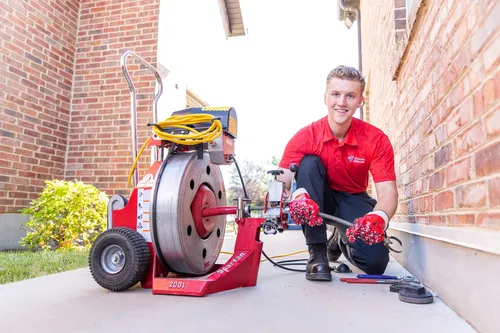
Zoom Drain is a drain and sewer cleaning company serving New York, NY, and the surrounding North Jersey area. They provide services for residential and commercial properties, including grease trap maintenance and sewer cleaning. The company uses advanced equipment such as PowerSnake, Zoom Jetting®, and video inspection to address clogs, root invasions, and other drain issues efficiently. Zoom Drain also offers specialized solutions like Zoom Drain Bio™ to dissolve common drain blockages. Their team is known for knowledgeable technicians and tailored maintenance plans to meet diverse customer needs.
Green Oil Recycling
317 Liberty Ave, Brooklyn, NY 11207
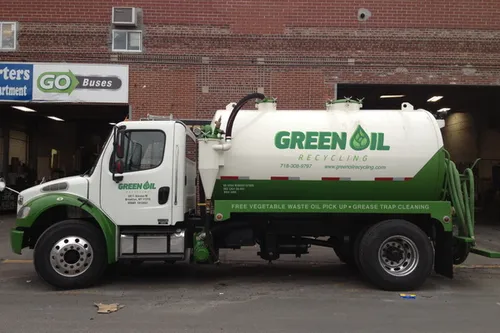
Green Oil Recycling provides professional grease trap cleaning and used cooking oil collection services in New York, NY. They specialize in maintaining commercial kitchen grease traps, including passive hydro mechanical, large pre-cast concrete gravity traps, and auto-grease removal systems like Big Dipper. Their trained technicians thoroughly clean traps, scrape walls, and use bio-safe chemicals to break down waste oil, helping kitchens stay odorless and compliant with local regulations. Green Oil Recycling serves New York City, New Jersey, and Nassau County, ensuring all waste oil disposal meets BIC, DEC, and EPA standards. They also inspect gaskets and fittings to prevent violations and hazards, working closely with Done Right Hood & Fire Safety for comprehensive grease trap and kitchen exhaust maintenance.
Understanding Local Grease Interceptor Requirements
In Hackensack, all commercial kitchens that generate FOG are required to install and maintain a grease removal device. This isn't a suggestion-it's a condition of doing business. The specific rules are governed by a combination of the New Jersey Uniform Construction Code, the New Jersey Administrative Code, and local municipal ordinances.
The device itself must be properly sized and certified. Sizing is calculated based on your facility's specific details, including the number of dining seats, hours of operation, and the type of food preparation equipment in use 1 2. It must meet the Plumbing and Drainage Institute (PDI) Standard 101 or an equivalent approved standard 3. Installation is also regulated; interceptors must be easily accessible for service and located as close as practical to the FOG source to be effective 2.
Mandatory Cleaning Frequency and Procedure
New Jersey enforces a clear, non-negotiable rule for grease trap and interceptor pumping: you must have it cleaned by a licensed hauler whenever the combined FOG and solids accumulation reaches 25% of the unit's capacity, or at a minimum, every 90 days-whichever comes first 4 5. This 90-day rule is a strict state-wide baseline, and some municipalities may require even more frequent service.
The cleaning process must be thorough. It's not enough to just skim the surface. A proper pump-out involves removing all contents-liquid, FOG, and solids-from the entire interceptor, followed by a thorough cleaning of the interior walls and baffles. After servicing, the unit should be refilled with clean water and tested to ensure it is functioning correctly. Using a licensed professional for this service is crucial, as they will provide the documentation you need to prove compliance.
The Critical Role of Maintenance Logs
One of the most common pitfalls for restaurant owners is failing to maintain proper records. During an inspection, you will be required to present a maintenance log. This log should meticulously document every service event, including:
- The date of each grease interceptor pump-out and cleaning.
- The name and license number of the hauler who performed the service.
- The volume of grease and waste removed.
- The disposal method or manifest number.
- Records of any internal maintenance, such as basket cleaning or employee training on best practices to minimize FOG discharge.
Keeping this log updated and on-site is your first line of defense during a compliance check. It demonstrates a proactive approach to FOG management.
What to Expect During an Inspection
Facilities in Hackensack are subject to inspections, which can be conducted by city representatives or licensed third-party inspectors. The inspector will typically focus on three key areas:
- Accessibility & Condition: Is the grease interceptor easily accessible for service? Are there any signs of leaks, damage, or bypassing?
- Documentation: Can you produce the legally required maintenance log showing consistent, timely service by a licensed provider?
- Overall Compliance: Is the system properly sized and installed? Are there visible best practices in place in the kitchen?
Failure to comply can result in significant penalties. Violations may lead to fines-which can escalate for repeat offenses-and you can be held financially responsible for the cost of cleaning any sewer blockages attributed to your facility 6.
Find the perfect grease trap cleaning companies for your needs
Get personalized recommendations and expert advice
Cost Analysis: Preventative Maintenance vs. Emergency Repairs
Understanding the cost structure of grease trap service can help you budget effectively and recognize the value of regular maintenance.
- Preventative Pump-Out Costs: For a routine, scheduled cleaning performed by a licensed hauler, Hackensack restaurant owners can generally expect to pay between $175 and $400 per service 7. The final price depends on the size and type of your interceptor, its location, and the amount of waste to be removed.
- Emergency Service Costs: If a grease interceptor overflows, causes a backup, or fails an inspection requiring immediate remediation, you are looking at emergency service rates. These calls can easily cost $800 to $1,200 or more, not including any additional plumbing repairs or fines 8 9.
- The Real Savings: Investing in a regular quarterly pumping schedule is far more economical than reacting to an emergency. More importantly, it prevents the much larger costs associated with sewer line backups, health department violations, and interrupted business operations. Proactive maintenance can save a restaurant thousands of dollars annually.
Best Practices for Kitchen Staff
While professional pumping is essential, what your staff does daily has a massive impact on your interceptor's health and your maintenance costs.
- Scrape, Don't Rinse: Scrape all food scraps from plates, pots, and pans into the trash before washing.
- Use Strainers: Install and regularly clean sink strainers to catch solid particles.
- Never Pour Grease Down the Drain: Collect cooled fryer oil, cooking grease, and pan drippings in a dedicated container for proper recycling or disposal.
- Educate Your Team: Ensure all employees understand these practices. Their cooperation is vital for an effective FOG management program 10.
Adopting these habits reduces the load on your interceptor, potentially extending the time between necessary pump-outs and keeping your system running efficiently.
Frequently asked questions
Sources
Footnotes
-
Grease Trap Sizing in NYC & NJ: What Many Kitchens Get Wrong - Filta Kleen - https://filtakleenco.com/grease-trap-sizing/ ↩
-
N.J. Admin. Code § 7:9A-8.1 - Grease removal and high ... - https://www.law.cornell.edu/regulations/new-jersey/N-J-A-C-7-9A-8-1 ↩ ↩2
-
City of Hackensack, NJ Grease Traps and Grease Interceptors - https://ecode360.com/10193148 ↩
-
New Jersey FOG Regulations - D&W Alternative Energy - https://dandwalternativeenergy.com/blog/new-jersey-fog-regulations/ ↩
-
New Jersey FOG & Used Oil Rules: Permits & 90-Day Limit - https://greaseconnections.com/resources/compliance/nj/ ↩
-
Grease Traps - Township of South Hackensack, NJ - eCode360 - https://ecode360.com/33193654 ↩
-
The Cost To Clean A Grease Trap For Restaurants - https://thegreasecompany.com/blog/greasetrapcleaningcost/ ↩
-
Ultimate Grease Trap Pumping Cost Guide: Essential Money-Saving ... - https://www.texwaywastewater.com/grease-trap-pumping-cost/ ↩
-
Grease Traps for Restaurants: The Essential Guide - https://therestaurantwarehouse.com/blogs/restaurant-equipment/grease-trap-for-restaurant-guide ↩
-
NJ Grease Trap Pumping - A Rooter Pros - https://njsewerdrain.com/grease-trap-pumping-cleaning/ ↩