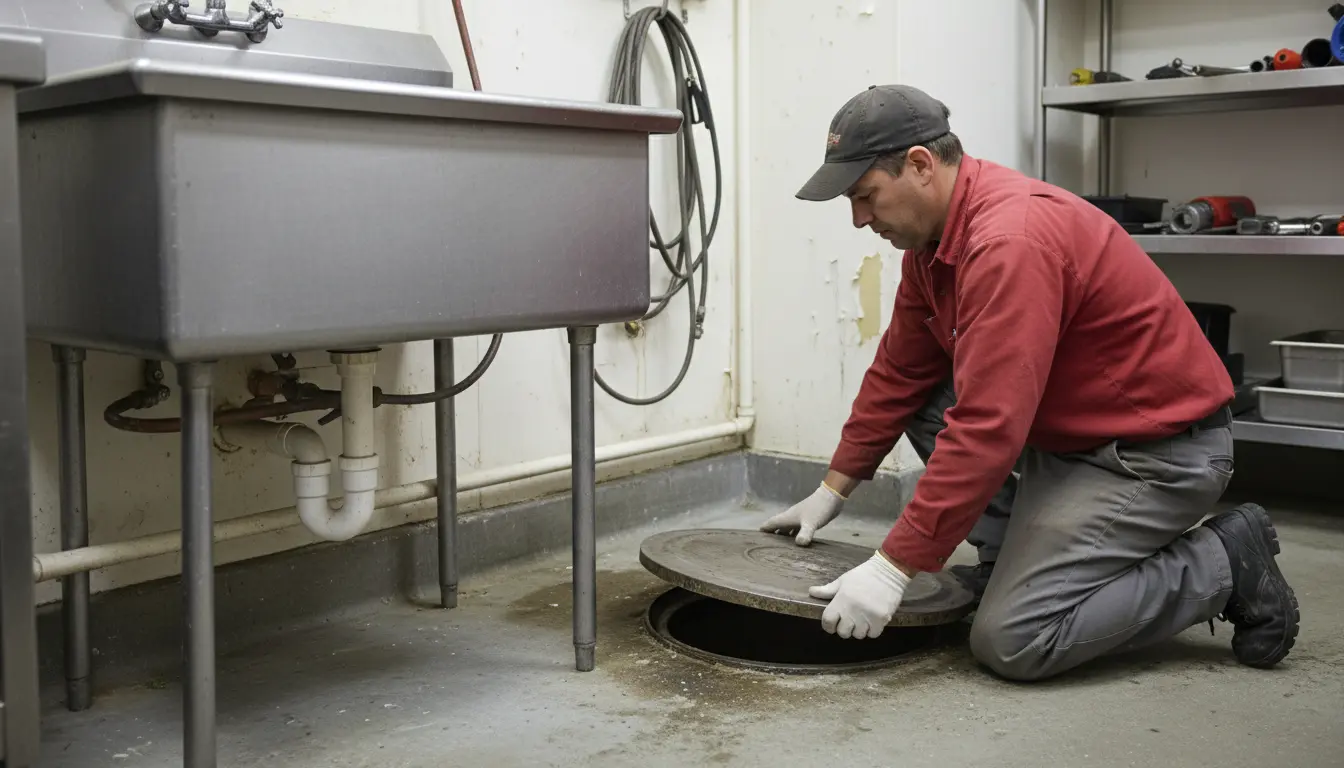
Find the Best Grease Trap Cleaning Companies for Your Business
No obligation • Fast responses • Nationwide coverage

Why you can trust Restaurant Waste Disposal
Restaurant Waste Disposal is a leading U.S. resource for comparing restaurant composting, food-waste recycling, grease trap cleaning, and used cooking oil collection services. Our editorial team researches providers, checks credentials, and organizes unbiased information so operators can make informed decisions. Companies cannot pay to change ratings or placement.
Search providers near you
Top Grease Trap Cleaning Companies in East Brunswick, New Jersey Ranked
For any restaurant or food service facility in East Brunswick, maintaining a clean and compliant grease trap or interceptor isn't just a good practice-it's a legal requirement. Local ordinances and New Jersey state plumbing codes mandate that these devices be properly sized, installed, and serviced to prevent fats, oils, and grease (FOG) from entering the municipal sewer system. Failure to adhere to these regulations can lead to severe blockages, environmental harm, and significant financial penalties enforced by the Borough's Plumbing Subcode Official. Proactive, scheduled maintenance is the most effective strategy to avoid the high costs and operational disruptions associated with emergency cleanups and compliance violations.
PowerFlo Sewer Service
2277 Victory Blvd, Staten Island, NY 10314
PowerFlo Sewer Service is a sewer and drain cleaning company serving New York, NY. They provide a range of services including grease trap cleaning, water jet cleaning, camera inspection, vacuum pumping, and flood control for residential, commercial, and condominium customers. The company emphasizes respect and care for customers' properties and employs experienced technicians to handle both simple and complex drainage problems. PowerFlo Sewer Service is known for leaving no mess behind and maintaining clear communication throughout the service process.
Zoom Drain
152 Stevens Ave, Jersey City, NJ 07305
Zoom Drain is a drain and sewer cleaning company serving New York, NY, and the surrounding North Jersey area. They provide services for residential and commercial properties, including grease trap maintenance and sewer cleaning. The company uses advanced equipment such as PowerSnake, Zoom Jetting®, and video inspection to address clogs, root invasions, and other drain issues efficiently. Zoom Drain also offers specialized solutions like Zoom Drain Bio™ to dissolve common drain blockages. Their team is known for knowledgeable technicians and tailored maintenance plans to meet diverse customer needs.
Arrow Sewer and Drain
165 Union Ave, Middlesex, NJ 08846
Arrow Sewer and Drain is a plumbing and sewer service provider based in Middlesex, New Jersey, serving residential and commercial clients throughout Edison and the broader New Jersey area. They offer a wide range of services including grease trap cleaning, trenchless sewer repair, hydro jet drain cleaning, hydro excavation, septic tank installation and replacement, and emergency plumbing. Their use of advanced equipment such as sewer scopes, cured-in-place pipe (CIPP) technology, and hydro excavation allows for efficient, non-invasive repairs that minimize disruption to properties. With over 15 years of experience, Arrow Sewer and Drain provides 24/7 emergency plumbing services to address urgent issues at any time.
Roto-Rooter Plumbing & Water Cleanup
23 Emmons St Ste 202, Long Branch, NJ 07740
Roto-Rooter Plumbing & Water Cleanup provides comprehensive plumbing services for homes and businesses in Brick, NJ. Their offerings include commercial plumbing, emergency plumbing available 24/7, drain cleaning, grease trap pumping and cleaning, sewer line services, water heater repair and installation, and water softener and filtration system services. The company uses advanced capabilities such as hydro-jetting and video camera sewer inspections to address plumbing issues efficiently. Serving the Long Branch metro area and surrounding communities, Roto-Rooter is fully licensed and insured to handle a wide range of plumbing needs.
Wind River Environmental
Toms River, NJ
Wind River Environmental is a grease trap cleaning company serving Toms River, NJ, and the Central New Jersey area. They provide residential, commercial, municipal, and industrial septic, grease, and drain cleaning services. The company is part of the Wind River Environmental family, which has been an industry leader since 1946, and has been serving Central New Jersey locally for nearly 30 years. Wind River Environmental offers 24/7 emergency services and uses cost-efficient, minimally invasive methods to maintain and repair septic systems and grease traps.
Understanding Local Grease Interceptor Regulations
East Brunswick operates under a strict regulatory framework designed to protect its wastewater infrastructure. The rules are clear: every food service establishment must have a properly functioning grease removal device. The specific requirements are detailed in local codes and are aligned with the New Jersey Administrative Code (N.J.A.C. 7:9A-8.1) 1.
Key local mandates include:
- Proper Installation: Grease interceptors must be installed as close as possible to the source of FOG, such as kitchen sinks and dishwashers. The sizing of the trap is calculated based on factors like seating capacity and operating hours using a specific formula (Q=D x HR/2 x 12.5 x LF).
- Prohibited Practices: It is illegal to discharge FOG directly into sinks or drains. Furthermore, garbage disposals are strictly prohibited from being connected to the plumbing lines that feed into a grease trap.
- Record-Keeping: Facilities are required to maintain a detailed logbook of all grease trap inspections, cleanings, and pumpings. These records must be available for review by the Plumbing Subcode Official and may need to be submitted to the Borough upon request.
How Often Should You Service Your Grease Trap?
The frequency of grease interceptor maintenance is not a one-size-fits-all schedule. While many establishments find a routine of every 1 to 3 months effective, busier kitchens may require monthly service. The definitive guideline is the "25% Rule." This industry and regulatory standard states that a grease trap should be pumped and cleaned once the combined layer of floating grease and settled solids reaches 25% of the total liquid depth (or volume) of the trap.
Waiting until the trap is overly full compromises its efficiency, increases the risk of a sewer line clog, and almost guarantees a violation during an inspection. The Plumbing Subcode Official has the authority to inspect traps for proper operation and can even require laboratory testing of the effluent at the owner's expense if a problem is suspected.
The Cost of Compliance vs. The Price of Neglect
Investing in regular grease trap maintenance is a minor operational cost compared to the expenses incurred from non-compliance. Understanding the cost structure can help in budgeting and underscores the value of preventative care.
Scheduled Maintenance Costs: For a routine pumping and cleaning service in the East Brunswick area, facilities can expect to pay between $250 and $400 on average 2. This service includes proper documentation, which is crucial for your records.
Emergency and Penalty Costs: Neglecting maintenance leads to much higher costs. An emergency service call to address a severe backup or flooding can range from $800 to over $4,5003 4. On top of this, the Borough can levy fines for code violations. The true cost also includes potential loss of revenue if your kitchen operations are shut down until the issue is resolved and compliance is restored 5 6.
Find the perfect grease trap cleaning companies for your needs
Get personalized recommendations and expert advice
What Does a Professional Cleaning Service Involve?
A thorough, professional grease trap cleaning is more than just removing liquid. Reputable, licensed service providers follow a comprehensive process to ensure your system is left fully operational and compliant.
- Inspection: The technician will first open the trap and visually assess the depth of the FOG and sludge layers to confirm service is needed.
- Pumping: Using a vacuum truck, all contents of the trap-including wastewater, solidified grease, and food solids-are completely evacuated.
- Cleaning: The interior walls and baffles of the trap are scraped and cleaned to remove any clinging residue. The technician will then test the water flow to ensure the trap is functioning correctly 7.
- Documentation & Disposal: You will receive a detailed service receipt, which serves as proof of maintenance for your records and for the municipality. The waste is then transported by a county-registered hauler to an approved facility for proper disposal or recycling 8.
The Role of Enforcement in East Brunswick
Compliance is actively monitored. The Plumbing Subcode Official for East Brunswick is responsible for inspecting grease traps and enforcing the local and state codes. Inspections can be routine or triggered by complaints, such as odors or blockages in the public sewer line traced back to a facility.
During an inspection, officials check for:
- The physical condition and efficiency of the trap.
- Proper operation and flow.
- Up-to-date maintenance logs.
- Any signs of prohibited practices, like a garbage disposal connected to the line.
If violations are found, the official can mandate immediate corrective actions, which may include more frequent cleanings, the use of deodorizing agents, or even requiring system upgrades or replacements 9 10. The goal of enforcement is to prevent sewer problems, but it places the responsibility-and potential liability-squarely on the food service owner.
Benefits of a Proactive Maintenance Plan
Establishing a consistent relationship with a licensed grease trap service provider offers peace of mind and tangible business benefits.
- Avoid Fines: Regular service with proper documentation is your best defense against violation notices and penalties.
- Control Costs: Locking in a scheduled service plan helps avoid unpredictable and exorbitant emergency repair bills.
- Prevent Disruptions: A well-maintained trap prevents kitchen backups and sewer odors, ensuring smooth daily operations.
- Protect Infrastructure: By keeping FOG out of the sewers, you contribute to the health of East Brunswick's public wastewater system and the local environment.
Frequently asked questions
Sources
Footnotes
-
N.J. Admin. Code § 7:9A-8.1 - Grease removal and high ... - https://www.law.cornell.edu/regulations/new-jersey/N-J-A-C-7-9A-8-1 ↩
-
New Jersey FOG & Used Oil Rules: Permits & 90-Day Limit - https://greaseconnections.com/resources/compliance/nj/ ↩
-
Ultimate Grease Trap Pumping Cost Guide: Essential Money-Saving ... - https://www.texwaywastewater.com/grease-trap-pumping-cost/ ↩
-
Commercial Grease Trap Cleaning in New Jersey and New York - https://www.davidzuidema.com/septic-services/commercial-grease-trap-cleaning/ ↩
-
Grease Trap Regulations and Maintenance - A Rooter Pros - https://njsewerdrain.com/grease-trap-and-grease-interceptor-regulations-in-nj/ ↩
-
Grease Trap Cleaning Guide: 25% Rule, Schedule & Compliance - https://greaseconnections.com/how-to-clean-a-grease-trap-and-how-often-you-should/ ↩
-
Grease Trap Pumping in NJ - Atlantic Sitton Services - https://www.atlanticsittonservices.com/services/grease-tank-pumping/ ↩
-
NJ Grease Trap Pumping - A Rooter Pros - https://njsewerdrain.com/grease-trap-pumping-cleaning/ ↩
-
Grease Traps, Interceptors and Oil Separators - eCode360 - https://ecode360.com/13731865 ↩
-
Installation and Maintenance of Grease Traps - eCode360 - https://ecode360.com/34939379 ↩