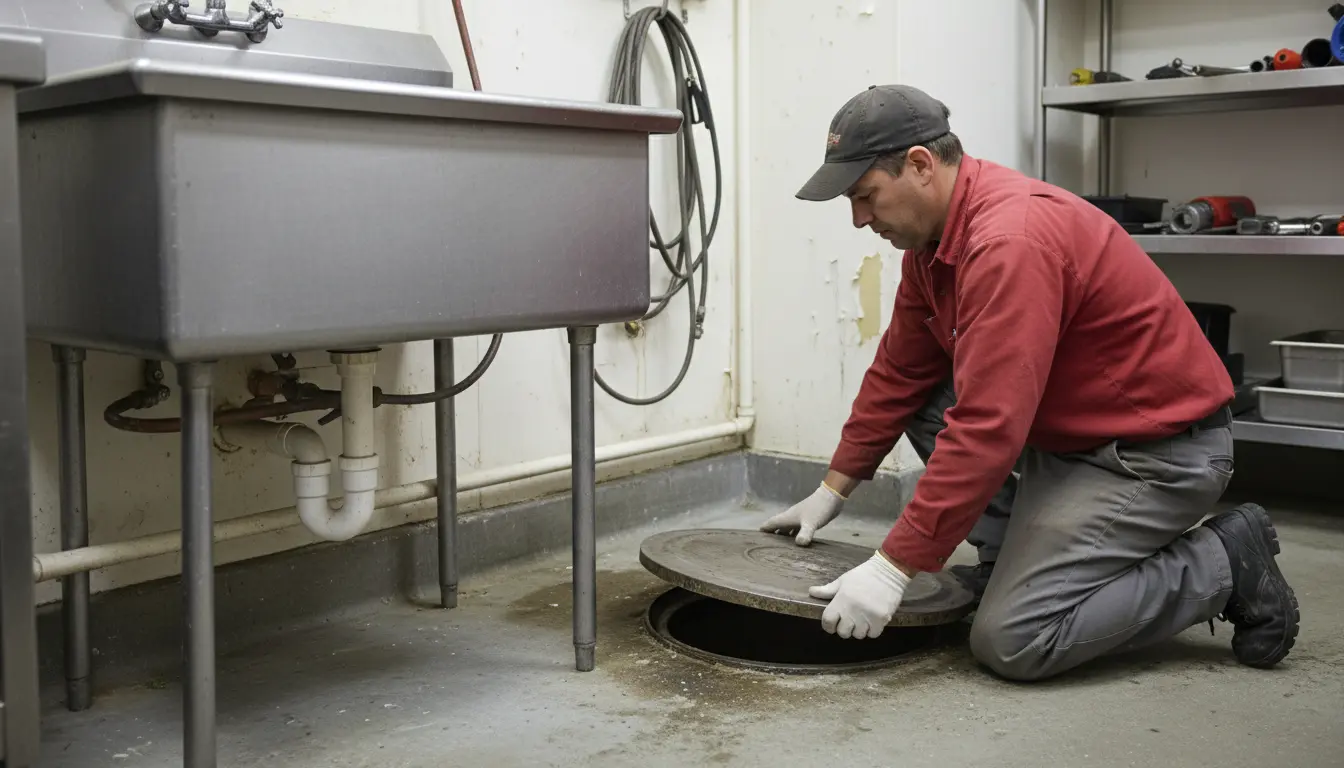
Find the Best Grease Trap Cleaning Companies for Your Business
No obligation • Fast responses • Nationwide coverage

Why you can trust Restaurant Waste Disposal
Restaurant Waste Disposal is a leading U.S. resource for comparing restaurant composting, food-waste recycling, grease trap cleaning, and used cooking oil collection services. Our editorial team researches providers, checks credentials, and organizes unbiased information so operators can make informed decisions. Companies cannot pay to change ratings or placement.
Search providers near you
Top Grease Trap Cleaning Companies in Camden, New Jersey Ranked
For any food service establishment in Camden, managing fats, oils, and grease (FOG) isn't just a matter of kitchen upkeep-it's a strict regulatory requirement. The City of Camden mandates that restaurants maintain approved, accessible grease interceptors and adhere to a disciplined schedule of pumping and documentation. Failure to comply can lead to significant fines and costly emergency repairs, making a proactive maintenance plan essential for both legal operation and financial health. Understanding local codes and partnering with licensed professionals is the first step in protecting your business from sewer blockages and enforcement actions.
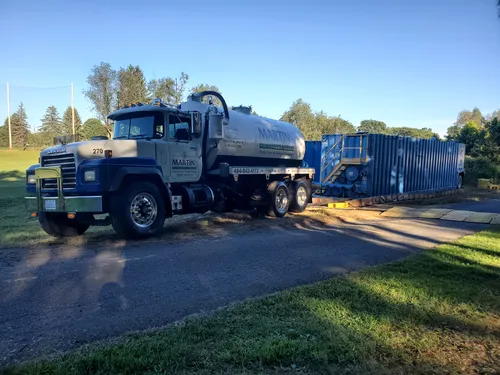
B Martin Wastewater Services
274 Concord Rd, Garnet Valley, PA 19060
B Martin Wastewater Services provides grease trap cleaning and septic tank pumping services in Philadelphia, PA, and surrounding areas including Garnet Valley and West Grove. They serve residential, commercial, industrial, and municipal clients. The company offers 24-hour emergency service for commercial, industrial, and municipal customers. Their capabilities include grease trap cleaning, holding tank maintenance, and bulk hauling. B Martin Wastewater Services is known for its attention to detail and has been serving the community with dependable wastewater services.
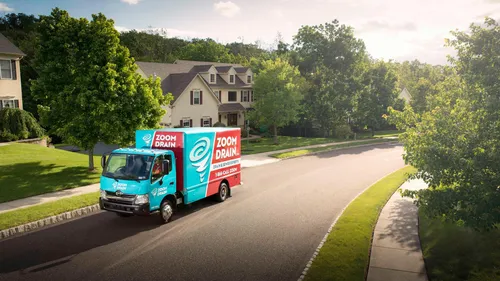
Zoom Drain
Philadelphia, PA
Zoom Drain is a drain and sewer service provider based in Philadelphia, PA, specializing in both residential and commercial drain cleaning and repairs. They offer emergency drain cleaning services, grease trap maintenance, sewer line repairs, and routine maintenance plans. The company is equipped to handle tough clogs using methods such as hydro jetting, which thoroughly cleans pipes and helps reduce odors. Zoom Drain serves the Philadelphia metro area and is known for providing 24/7 emergency service to address urgent plumbing issues.
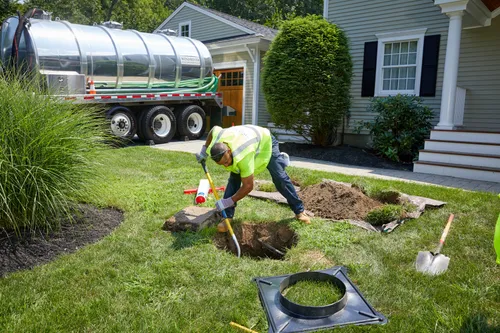
Wind River Environmental LLC
701 2nd St, Swedesboro, NJ 08085
Wind River Environmental LLC provides septic, grease trap, and drain cleaning services in Cherry Hill, NJ. Serving residential, commercial, municipal, and industrial clients, the company offers comprehensive solutions including cleaning, pumping, sewer jetting, and repairs. With a history dating back to 1946, Wind River Environmental combines decades of experience with advanced technology to meet local regulations and community needs. The team is available 24/7 for emergency services, ensuring timely response for urgent septic and grease trap issues.
Zoom Drain
500 Davis Dr # 200, Plymouth Meeting, PA 19462
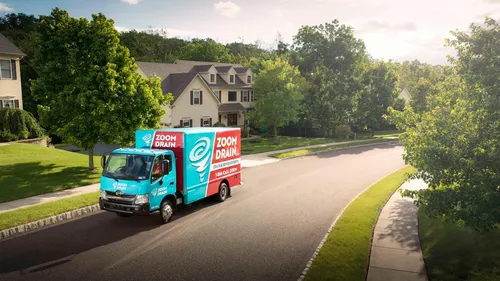
Zoom Drain provides comprehensive drain and sewer services in Philadelphia, PA, specializing in both residential and commercial plumbing needs. They offer emergency drain cleaning, planned maintenance, pipe inspections, and sewer repairs, with a focus on compliance with local Montgomery County plumbing regulations. Their team uses advanced tools to address issues such as clogs, blockages, and tree root intrusions, and they provide trenchless sewer line repair options to minimize property disruption. Zoom Drain also offers specialized grease trap maintenance for the food and hospitality sector and tailored maintenance plans for property managers. The company is known for its expertise in sewer cleaning and pipe jetting, helping to maintain efficient plumbing systems.
Zoom Drain South Jersey
1049 Kings Hwy Suite B, West Deptford, NJ 08086
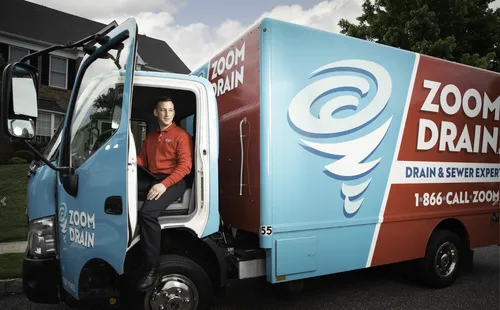
Zoom Drain South Jersey provides specialized grease trap cleaning and comprehensive drain and sewer services in Philadelphia, PA. They serve residential, commercial, and contractor clients with expertise in cleaning, repairing, and maintaining various drain systems. The company offers capabilities such as hydro jetting and video inspections to ensure effective clearing and maintenance of drains. Zoom Drain South Jersey is available day and night, providing fast and reliable service with flat-rate pricing and a satisfaction guarantee.
Understanding Camden's FOG Regulations
Camden's regulations are designed to prevent FOG from entering the public sewer system, where it can solidify and cause major blockages, backups, and environmental issues. These rules are enforced under local ordinances and align with New Jersey state plumbing and environmental codes.
Key requirements for Camden restaurants include:
- Approved and Accessible Equipment: Your grease trap or interceptor must be an approved type, constructed of impervious material, and sized adequately for your kitchen's volume as per the NJ Plumbing Subcode 1. Critically, it must be easily accessible for both routine service and city inspections.
- Mandatory Pumping Schedule: Traps must be pumped and cleaned when they reach 25% capacity or, at a minimum, every 90 days 2. This quarterly benchmark is a common enforcement point.
- Documentation and Record-Keeping: You are required to maintain a detailed maintenance log. This log should document every service event, including dates, the hauler's information, and the volume of waste removed. Furthermore, you must have a valid service agreement with a licensed waste hauler on file.
- Licensed Service Providers: All pumping, cleaning, and disposal must be performed by a licensed grease hauler. Using unlicensed services is a violation and puts you at risk.
The Cost of Compliance vs. Non-Compliance
Investing in regular grease trap maintenance is far less expensive than dealing with the consequences of neglect. Costs can vary based on the size of your trap, its location, and your establishment's volume.
Typical Service Costs:
- Routine Scheduled Pumping: For a standard commercial grease trap, a routine cleaning service in the Camden area typically ranges from $250 to $400.
- Small Indoor Traps: Smaller under-sink grease traps may cost between $75 and $150 per cleaning and may require more frequent service, sometimes monthly 3.
- Emergency Service: If a trap overflows or causes a backup, emergency call-out fees, after-hours service, and potential plumbing repairs can skyrocket the cost to $800 to $1,200 or more 4.
Cost of Violations: The financial penalties for non-compliance are direct and substantial. The City of Camden can impose fines for violations, which may start at $250 for a first offense and escalate to $500 or more for subsequent offenses 5 6. Beyond fines, a restaurant is typically responsible for the cost of clearing any sewer line blockage it causes, which can be thousands of dollars.
Find the perfect grease trap cleaning companies for your needs
Get personalized recommendations and expert advice
A Step-by-Step Maintenance Checklist for Camden Restaurants
Staying compliant requires a systematic approach. Here is a practical checklist to integrate into your kitchen's operations:
- Verify Installation: Ensure your grease interceptor is correctly installed, properly sized for your kitchen, and readily accessible 7.
- Secure a Licensed Contractor: Establish a service contract with a licensed grease hauler who understands Camden and New Jersey regulations.
- Implement Weekly Inspections: Designate a staff member to check the grease trap weekly for FOG and solid levels. This helps predict when service will be needed before reaching the 25% threshold 8.
- Pump on Schedule, Not on Demand: Don't wait for an odor or slow drain. Schedule pumping proactively at least every 90 days, or more often if your weekly checks indicate it.
- Meticulously Log Everything: After every service, update your maintenance log with the date, company name, technician details, and amount of grease removed. Keep this log with your service agreement in an easily accessible place 9.
- Prepare for Inspections: City officials can conduct inspections annually or on a complaint-driven basis. Always be prepared by having your service logs, current contract, and a clean, accessible trap ready for review.
Beyond Cleaning: Best Practices for FOG Management
Professional cleaning is the cornerstone of compliance, but what happens in your kitchen daily has a massive impact. Educate your staff on proper FOG handling to extend time between services and improve trap efficiency.
- Scrape, Don't Rinse: Food solids should be scraped into compost or trash bins before washing. Never use the sink as a garbage disposal.
- Use Grease Collection Containers: Collect cooled cooking oils and grease in sealed containers for pickup by your licensed hauler.
- Install and Maintain Kitchen Grease Filters: Ensure sink baskets and any internal grease filters are cleaned daily.
- Understand "Prohibited Discharges": Report any accidental discharges of chemicals, solvents, or other prohibited substances to your hauler and the city as required.
Adopting these practices demonstrates a commitment to compliance that can be favorable during inspections and reduces the overall burden on your grease control system.
Frequently asked questions
Sources
Footnotes
-
N.J. Admin. Code § 7:9A-8.1 - Grease removal and high strength ... - https://www.law.cornell.edu/regulations/new-jersey/N-J-A-C-7-9A-8-1 ↩
-
New Jersey FOG & Used Oil Rules: Permits & 90-Day Limit - https://greaseconnections.com/resources/compliance/nj/ ↩
-
How Much Does It Cost To Clean A Grease Trap? - https://www.greasecollection.com/blog/how-much-does-it-cost-to-clean-a-grease-trap/ ↩
-
Ultimate Grease Trap Pumping Cost Guide: Essential Money-Saving ... - https://www.texwaywastewater.com/grease-trap-pumping-cost/ ↩
-
New Jersey FOG Regulations - D&W Alternative Energy - https://dandwalternativeenergy.com/blog/new-jersey-fog-regulations/ ↩
-
Borough of Runnemede, NJ Grease Interceptors - eCode360 - https://ecode360.com/29503030 ↩
-
Grease Trap Sizing in NYC & NJ: What Many Kitchens Get Wrong - https://filtakleenco.com/grease-trap-sizing/ ↩
-
Grease Trap Regulations and Maintenance - A Rooter Pros - https://njsewerdrain.com/grease-trap-and-grease-interceptor-regulations-in-nj/ ↩
-
City of Camden, NJ Use Regulations - eCode360 - https://ecode360.com/28218336 ↩