
Find the Best Grease Trap Cleaning Companies for Your Business
No obligation • Fast responses • Nationwide coverage

Why you can trust Restaurant Waste Disposal
Restaurant Waste Disposal is a leading U.S. resource for comparing restaurant composting, food-waste recycling, grease trap cleaning, and used cooking oil collection services. Our editorial team researches providers, checks credentials, and organizes unbiased information so operators can make informed decisions. Companies cannot pay to change ratings or placement.
Search providers near you
Top Grease Trap Cleaning Companies in Bridgewater, New Jersey Ranked
For any restaurant, café, or food service establishment in Bridgewater, maintaining a grease trap isn't just a good practice-it's the law. The Township of Bridgewater has specific and enforceable ordinances designed to prevent fats, oils, and grease (FOG) from entering the public sewer system, where they can cause costly blockages and environmental damage. Compliance hinges on regular, documented cleaning and proper waste disposal, with significant penalties for violations. This guide outlines what Bridgewater business owners need to know about local grease interceptor regulations, maintenance schedules, and how to avoid common pitfalls that lead to fines.
PowerFlo Sewer Service
2277 Victory Blvd, Staten Island, NY 10314
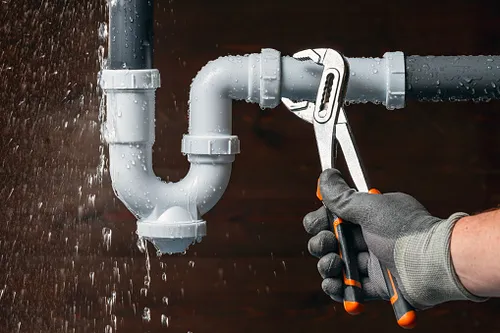
PowerFlo Sewer Service is a sewer and drain cleaning company serving New York, NY. They provide a range of services including grease trap cleaning, water jet cleaning, camera inspection, vacuum pumping, and flood control for residential, commercial, and condominium customers. The company emphasizes respect and care for customers' properties and employs experienced technicians to handle both simple and complex drainage problems. PowerFlo Sewer Service is known for leaving no mess behind and maintaining clear communication throughout the service process.
Zoom Drain
152 Stevens Ave, Jersey City, NJ 07305
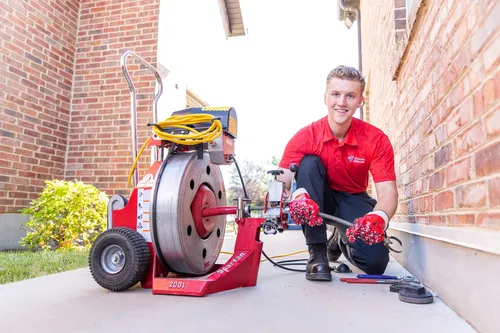
Zoom Drain is a drain and sewer cleaning company serving New York, NY, and the surrounding North Jersey area. They provide services for residential and commercial properties, including grease trap maintenance and sewer cleaning. The company uses advanced equipment such as PowerSnake, Zoom Jetting®, and video inspection to address clogs, root invasions, and other drain issues efficiently. Zoom Drain also offers specialized solutions like Zoom Drain Bio™ to dissolve common drain blockages. Their team is known for knowledgeable technicians and tailored maintenance plans to meet diverse customer needs.
Arrow Sewer and Drain
165 Union Ave, Middlesex, NJ 08846
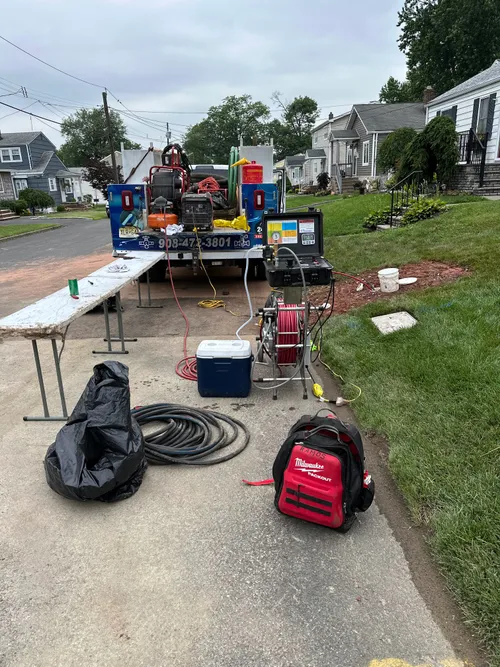
Arrow Sewer and Drain is a plumbing and sewer service provider based in Middlesex, New Jersey, serving residential and commercial clients throughout Edison and the broader New Jersey area. They offer a wide range of services including grease trap cleaning, trenchless sewer repair, hydro jet drain cleaning, hydro excavation, septic tank installation and replacement, and emergency plumbing. Their use of advanced equipment such as sewer scopes, cured-in-place pipe (CIPP) technology, and hydro excavation allows for efficient, non-invasive repairs that minimize disruption to properties. With over 15 years of experience, Arrow Sewer and Drain provides 24/7 emergency plumbing services to address urgent issues at any time.
Wind River Environmental
Toms River, NJ
Wind River Environmental is a grease trap cleaning company serving Toms River, NJ, and the Central New Jersey area. They provide residential, commercial, municipal, and industrial septic, grease, and drain cleaning services. The company is part of the Wind River Environmental family, which has been an industry leader since 1946, and has been serving Central New Jersey locally for nearly 30 years. Wind River Environmental offers 24/7 emergency services and uses cost-efficient, minimally invasive methods to maintain and repair septic systems and grease traps.
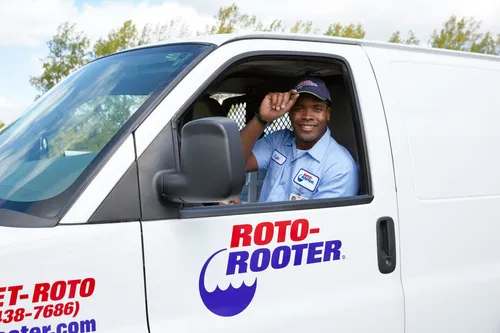
Roto-Rooter Plumbing & Water Cleanup
3000 John F. Kennedy Blvd Ste 310A, Jersey City, NJ 07306
Roto-Rooter Plumbing & Water Cleanup provides comprehensive plumbing and water cleanup services in New York, NY, with a focus on Jersey City and surrounding areas. They offer a wide range of residential and commercial plumbing solutions, including grease trap cleaning, sewer line repair, drain cleaning, water heater installation and repair, and emergency flood services. The company is equipped with advanced technology such as high-pressure water jetting (hydro-jetting) and video sewer inspections to address complex plumbing issues. Roto-Rooter operates 24/7, providing emergency plumbing services year-round to quickly respond to urgent plumbing problems.
Understanding Bridgewater's Grease Trap Ordinance
Bridgewater Township mandates that all food service establishments install and maintain an approved grease trap or interceptor. The local code is explicit: discharges of food waste, fats, oils, or grease into sinks, floor drains, or toilets are strictly prohibited 1. This regulation is part of a broader FOG (Fats, Oils, and Grease) control program common in New Jersey municipalities, aimed at protecting sewer infrastructure.
The cornerstone of the ordinance is a strict maintenance schedule. Traps must be pumped out and cleaned at least every 90 days, or more frequently if the accumulation of solids and grease reaches 25% of the trap's capacity 2 3. It's not enough to simply have the service performed; establishments must also keep a detailed maintenance log. This log should record every pumping event, any repairs, and evidence of employee training on proper waste disposal practices 4 5. These records must be available for review by inspectors.
The Role of Inspections and Enforcement
Compliance is actively monitored. The Bridgewater Health Officer and/or the Plumbing Subcode Official have the authority to inspect grease traps and their associated records at any food service facility. There are fees associated with these inspections, typically $50 for an initial inspection and $100 for any necessary re-inspection.
The enforcement process begins with a 30-day notice to correct a first offense. However, for subsequent or uncorrected violations, the penalties become severe. Establishments can face fines of up to $1,000 per day for non-compliance 6. Common violations that trigger these penalties include failure to clean on schedule, improper disposal of food waste into floor drains, and lack of a proper maintenance log.
The Real Cost of Grease Trap Maintenance
When budgeting for grease trap service, Bridgewater restaurant owners should consider both the direct service costs and the potentially much higher cost of non-compliance. Regular maintenance is an investment in smooth operations.
Based on general industry standards for New Jersey, the cost for a basic pumping service for a smaller, in-house grease trap typically ranges from $175 to $400+ per service 7. The final price depends on several key factors:
- Trap Size and Gallon Capacity: Larger interceptors, especially those outside the building (over 3,000 gallons), require more labor and equipment, leading to higher costs.
- Service Frequency: Adhering to the 90-day schedule may qualify you for better rates compared to emergency or one-time services.
- Condition and Location: A severely clogged or poorly accessible trap will take more time and effort to clean.
- Waste Disposal Fees: Reputable service providers include proper disposal at licensed facilities in their quote.
For a typical restaurant following the quarterly schedule, annual grease trap maintenance costs can reasonably range from $2,000 to $5,000 or more 8 9. While this is a necessary operational expense, it pales in comparison to the financial and reputational damage of a $1,000-per-day fine or a sewer backup that closes your kitchen.
Find the perfect grease trap cleaning companies for your needs
Get personalized recommendations and expert advice
Best Practices for FOG Management in Your Kitchen
Beyond just scheduling cleanings, proactive kitchen practices can extend the time between pump-outs, improve efficiency, and keep you in compliance.
Implement Effective Kitchen Protocols:
- Scrape, Don't Rinse: Train all staff to scrape food scraps into compost or trash bins before washing dishes.
- Use Strainers: Install and regularly clean sink basket strainers to catch solid particles.
- Dry Wipe Pots and Pans: Wipe down cookware with a paper towel to remove excess grease before washing.
- Post Clear Signage: Place "No Grease" signs above sinks and drains as a constant reminder for employees.
Choose the Right Service Provider: Not all waste haulers are equal. When selecting a company for grease interceptor cleaning in Bridgewater, ensure they:
- Are fully licensed and insured to operate in New Jersey.
- Provide detailed service reports that you can add to your official maintenance log.
- Offer consistent, scheduled service to help you maintain the 90-day requirement.
- Dispose of collected FOG at approved recycling or processing facilities, as required by state and local rules.
Understand the Difference Between Traps and Interceptors: The terms are often used interchangeably, but there's a technical difference. A grease trap is usually a smaller unit located inside, often under a sink, handling waste from a single fixture. A grease interceptor is a much larger, underground vault that serves the entire facility. Bridgewater's 90-day rule applies to both, but interceptors require more heavy-duty service. Knowing which system you have is crucial for proper maintenance.
Consequences of Neglect: More Than Just a Fine
Failing to maintain your grease management system has cascading effects that go beyond a fine from the township.
- Sewer Backups and Blockages: The primary purpose of the ordinance is to prevent FOG from congealing in public sewer lines. When it does, it can cause backups not only in your own establishment but also in neighboring businesses and public streets. The township may hold you liable for the cleanup costs.
- Plumbing Emergencies: Grease buildup within your own building's plumbing can lead to slow drains, complete clogs, and unpleasant odors, resulting in emergency plumbing bills and potential business interruption.
- Environmental Harm: Illegal discharges can contaminate local waterways, leading to significant environmental damage and further regulatory action.
- Increased Maintenance Costs: A severely neglected trap is far more expensive to pump and restore than one maintained on a regular schedule. Sludge buildup can also permanently damage the unit, necessitating a full replacement-a major capital expense.
Staying ahead of maintenance is the single most effective strategy for cost control and operational continuity in the food service industry.
Frequently asked questions
Sources
Footnotes
-
Grease Trap Regulations and Maintenance - A Rooter Pros - https://njsewerdrain.com/grease-trap-and-grease-interceptor-regulations-in-nj/ ↩
-
20-13 - Grease Traps.docx - Bridgewater Township - https://www.bridgewaternj.gov/wp-content/uploads/2020/06/20-13-1.pdf ↩
-
New Jersey FOG & Used Oil Rules: Permits & 90-Day Limit - https://greaseconnections.com/resources/compliance/nj/ ↩
-
New Jersey FOG Regulations - D&W Alternative Energy - https://dandwalternativeenergy.com/blog/new-jersey-fog-regulations/ ↩
-
Installation and Maintenance of Grease Traps - eCode360 - https://ecode360.com/34939379 ↩
-
an ordinance amending chapter 175 entitled "sewers and sewage - https://www.bridgewaternj.gov/wp-content/uploads/2020/06/20-13.pdf ↩
-
Ultimate Grease Trap Pumping Cost Guide: Essential Money-Saving ... - https://www.texwaywastewater.com/grease-trap-pumping-cost/ ↩
-
Grease Trap Regulations and Compliance: What You Need to ... - https://www.texwaywastewater.com/grease-trap-regulations-and-compliance/ ↩
-
The Cost To Clean A Grease Trap For Restaurants - https://thegreasecompany.com/blog/greasetrapcleaningcost/ ↩