
Find the Best Grease Trap Cleaning Companies for Your Business
No obligation • Fast responses • Nationwide coverage

Why you can trust Restaurant Waste Disposal
Restaurant Waste Disposal is a leading U.S. resource for comparing restaurant composting, food-waste recycling, grease trap cleaning, and used cooking oil collection services. Our editorial team researches providers, checks credentials, and organizes unbiased information so operators can make informed decisions. Companies cannot pay to change ratings or placement.
Search providers near you
Top Grease Trap Cleaning Companies in St Louis Park, Minnesota Ranked
For any food service establishment in St. Louis Park, effective grease interceptor management is not just a best practice-it's a legal requirement. The city enforces strict regulations to prevent fats, oils, and grease (FOG) from entering the public sewer system, which can cause costly blockages and environmental damage. Compliance hinges on regular professional cleaning, meticulous record-keeping, and proper disposal at approved facilities. This guide outlines the essential steps, local rules, and practical considerations for maintaining your grease trap and staying in good standing with St. Louis Park authorities.
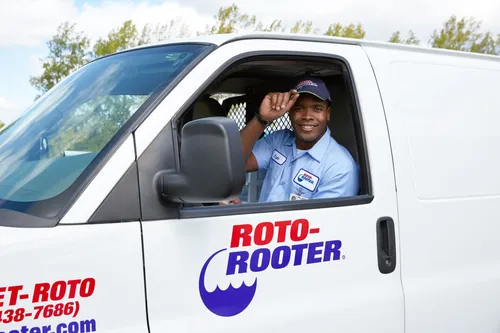
Roto-Rooter Plumbing & Water Cleanup
1821 University Ave W #317, St Paul, MN 55104
Roto-Rooter Plumbing & Water Cleanup provides comprehensive plumbing services in Minneapolis, MN, specializing in both residential and commercial plumbing needs. Their offerings include drain cleaning, grease trap pumping, sewer line repair and replacement, water heater services, and water softener and filtration system installation. The company uses advanced techniques such as hydro-jetting and video camera sewer inspection to address plumbing issues efficiently. Serving the Minneapolis and St. Paul metro areas, Roto-Rooter is available 24/7 for emergency plumbing services, ensuring support whenever urgent problems arise.
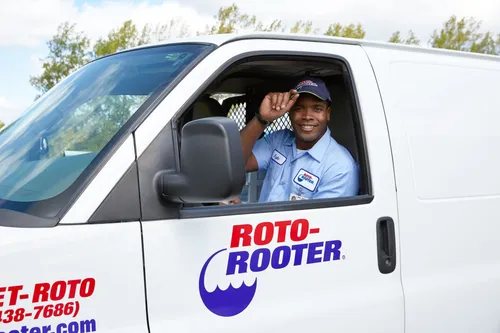
Roto-Rooter Plumbing & Water Cleanup
1629 Hennepin Ave #300G, Minneapolis, MN 55403
Roto-Rooter Plumbing & Water Cleanup is a licensed and insured plumbing company serving Minneapolis, MN. They provide 24/7 plumbing services including drain cleaning, grease trap pumping, sewer line repair, and water damage cleanup for both residential and commercial clients. Their capabilities include hydro-jetting and video camera inspections to diagnose and clear drain and sewer issues efficiently. Established with a long history in plumbing, Roto-Rooter is available around the clock to handle emergencies and routine maintenance throughout the Minneapolis metro area.
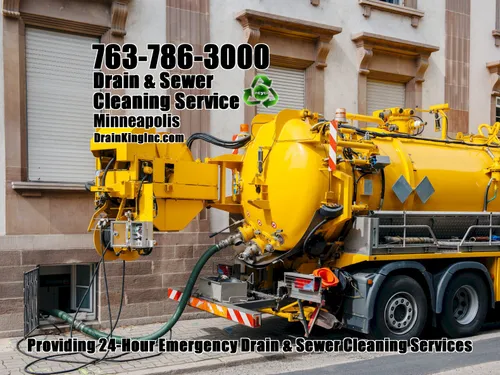
Drain King Inc.
7740 Beech St NE, Fridley, MN 55432
Drain King Inc. is a drain cleaning company serving Brooklyn Park, MN, and the surrounding metro areas including Maple Grove, Minneapolis, Bloomington, and St. Paul. They provide commercial and residential sewer and drain cleaning services, including grease trap pumping, septic pumping, frozen line thawing, jetting, rooter services, and sewer line locating. The company uses advanced diagnostic equipment and offers 24-hour emergency drain and sewer cleaning services. With decades of experience, Drain King also provides preventive maintenance plans to help avoid costly repairs.
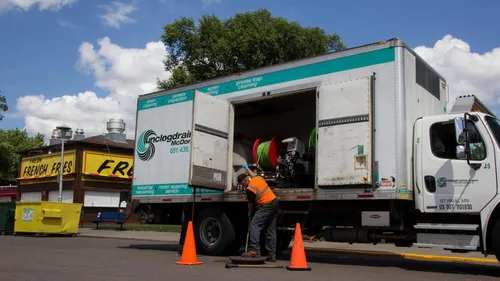
Unclogdrains.com
10075 Xylite St NE, Blaine, MN 55449
Unclogdrains.com is a grease trap cleaning company based in Blaine, MN, serving the Twin Cities area and greater Minnesota. They provide a full range of drain and sewer cleaning services including water jetting, grease trap cleaning, and vacuum truck operations. Their vacuum trucks can remove solid, liquid, or dry matter, including fine powders, from hard-to-reach areas. The company has been operating since 1992, using advanced equipment and skilled technicians to handle commercial, residential, and industrial projects.
McDonough’s - MN Drain Cleaning Services
1307 Sylvan St #4605, St Paul, MN 55117
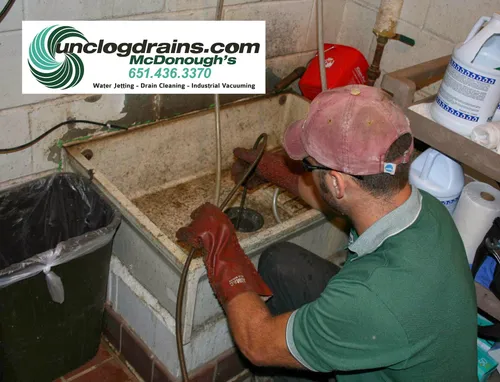
McDonough's - MN Drain Cleaning Services is a Minnesota-based company serving Minneapolis and the greater Twin Cities area. Since 1992, they have provided commercial, residential, and industrial drain and sewer cleaning services. Their offerings include grease trap cleaning, water jetting for efficient pipe cleaning, and the use of advanced vacuum trucks capable of removing solid, liquid, and fine powdery substances from hard-to-reach locations. The company emphasizes safety and efficiency with state-of-the-art equipment and skilled technicians.
Understanding St. Louis Park's Grease Interceptor Ordinance
Local regulations, including specific city ordinances and state codes, mandate that all food service facilities install and maintain grease traps or interceptors 1. The primary goal is to protect the city's wastewater infrastructure. The rules are enforced by the city's health department, which conducts inspections that can be routine or triggered by complaints. Non-compliance can result in significant fines, violation notices, and even the potential for a business to be shut down until issues are resolved.
Key components of the local mandate include:
- Cleaning Frequency: Traps must be cleaned when the combined FOG and solids accumulation reaches 25% of the tank's capacity. This "quarter-full" rule is a critical performance standard 2 3.
- Documentation: Businesses are required to keep detailed service records for a minimum of three years. These records must include the service date, the company performing the work, the volume of waste removed, and the approved disposal facility where the FOG was taken.
- Proper Disposal: It is illegal to dispose of grease trap waste improperly. Pumping contractors must transport all collected FOG to a facility approved by the Metropolitan Waste Control Commission (MWCC).
How Often Should You Schedule Grease Trap Service?
The required frequency for grease interceptor pumping is not a one-size-fits-all schedule. While a common baseline for many St. Louis Park restaurants is quarterly (every three months), your actual needs depend entirely on your kitchen's volume and output. High-volume establishments like busy diners or large banquet kitchens may require monthly service to stay under the 25% accumulation limit. Conversely, a lower-volume cafe might manage with less frequent service.
The only way to determine the correct schedule is through consistent monitoring. Relying on a professional service provider to measure and report accumulation levels after each cleaning is the most reliable method. They can help you establish a compliant and cost-effective pumping cycle, whether it's monthly, quarterly, or semi-annually. Never wait until a trap is overflowing or completely full, as this represents a serious compliance failure and leads to much higher service costs.
What Does Professional Grease Trap Cleaning Cost?
Investing in regular maintenance is far less expensive than dealing with fines, emergency call-outs, or sewer backups. Costs in the St. Louis Park area vary based on several factors:
- Trap Size and Location: A small, indoor grease interceptor typically costs between $175 and $300 per cleaning. Larger in-ground or outdoor tanks can range from $300 to over $600 per service 4.
- Service Frequency: Establishing a regular contract (e.g., quarterly) often comes at a lower per-service rate compared to one-time emergency calls.
- Condition and Accessibility: A well-maintained trap is quicker and cheaper to clean. Neglected traps with severe buildup or those in hard-to-reach locations will incur higher labor charges.
- Additional Services: Some providers offer add-ons like bio-remediation treatments (using bacteria to break down grease between pumpings) for an extra $100-$300, or inspection reports for $50-$150 5 6.
Find the perfect grease trap cleaning companies for your needs
Get personalized recommendations and expert advice
A Step-by-Step Guide to Compliant Maintenance
Staying compliant involves more than just calling a pumper. Follow this actionable plan for effective FOG management.
1. Know Your System Start by identifying the type, size, and location of your grease interceptor. Is it an indoor unit under a sink or a large concrete tank outside? Understanding your equipment is the first step toward proper care.
2. Hire a Licensed and Approved Provider Not all waste haulers are qualified. Ensure your service provider is licensed and, crucially, approved to dispose of waste at MWCC facilities. Always ask for proof of their disposal destination to protect your business from liability 7.
3. Establish a Service Contract Work with your provider to set up a preventive maintenance schedule based on your actual needs. A contract ensures you won't forget a service and often locks in a better rate.
4. Meticulously Organize Your Records Create a dedicated file-digital or physical-for all grease interceptor documentation. File every service report immediately. During an inspection, being able to instantly produce three years of organized records demonstrates diligence and can streamline the process.
5. Train Your Kitchen Staff Technology and contracts are only part of the solution. Train your staff on best practices to minimize FOG entering the drain: scraping plates into trash bins, using sink strainers, and avoiding pouring grease down any drain. This extends time between pumpings and reduces costs.
Navigating Inspections and Enforcement
City or health department inspectors have the authority to examine your grease interceptor and related records at any reasonable time 8 9. The inspection process typically involves checking the physical condition of the trap, reviewing your maintenance logs, and verifying that your service provider uses approved disposal sites.
Your best defense during an inspection is your paperwork. Presenting clear, consecutive service reports is the primary evidence of your compliance. If a violation is found, the city will issue a notice with a deadline for correction. Fines can be levied for ongoing non-compliance. Proactive, documented maintenance is the most effective strategy to avoid these penalties entirely.
The Risks of Neglect: Beyond Fines
Failing to maintain your grease interceptor has consequences that go beyond city fines.
- Sewer Backups: The most direct impact is a backup in your own facility or your neighbor's, leading to unsanitary conditions, business interruption, and massive cleanup bills.
- Environmental Harm: FOG that escapes into the sewer system can contaminate local waterways, contributing to pollution.
- Higher Long-Term Costs: Emergency pump-outs for a clogged or overflowing trap are significantly more expensive than routine service. Severe neglect can also lead to permanent damage to the interceptor itself, requiring a full replacement-a cost that dwarfs any maintenance expense.
Frequently asked questions
Sources
Footnotes
-
4715.1105 grease interceptors. - MN Revisor's Office - https://www.revisor.mn.gov/rules/4715.1105/version/2014-01-18T05:44:36-06:00 ↩
-
2668-23 - ADMIN Ordinance - City Council - 2023/10/02 - https://laserfiche.stlouispark.org/WebLink/DocView.aspx?id=797081&dbid=0&repo=SLP&searchid=f0913940-1dcb-4e70-8a81-ae943519f50e ↩
-
How to Clean a Grease Trap (and How Often You Should) - https://greaseconnections.com/how-to-clean-a-grease-trap-and-how-often-you-should/ ↩
-
The Cost To Clean A Grease Trap For Restaurants - https://thegreasecompany.com/blog/greasetrapcleaningcost/ ↩
-
Ultimate Grease Trap Pumping Cost Guide: Essential Money ... - https://www.texwaywastewater.com/grease-trap-pumping-cost/ ↩
-
How Much Does a Proper Grease Trap Cleaning Cost? - https://hulseyenvironmental.com/how-much-does-a-proper-grease-trap-cleaning-partner-cost/ ↩
-
Essential Grease Trap Cleaning Guide For Minneapolis Facility ... - https://www.myshyft.com/blog/grease-trap-cleaning-minneapolis-minnesota/ ↩
-
Restaurant Grease Trap Cleaning FAQs - https://www.mahoneyes.com/restaurant-grease-trap-cleaning-faqs/ ↩
-
Commercial Grease Trap Cleaning | Greater St. Louis, MO - https://greasemastersllc.com/grease-traps-cleaning-and-maintenance/ ↩