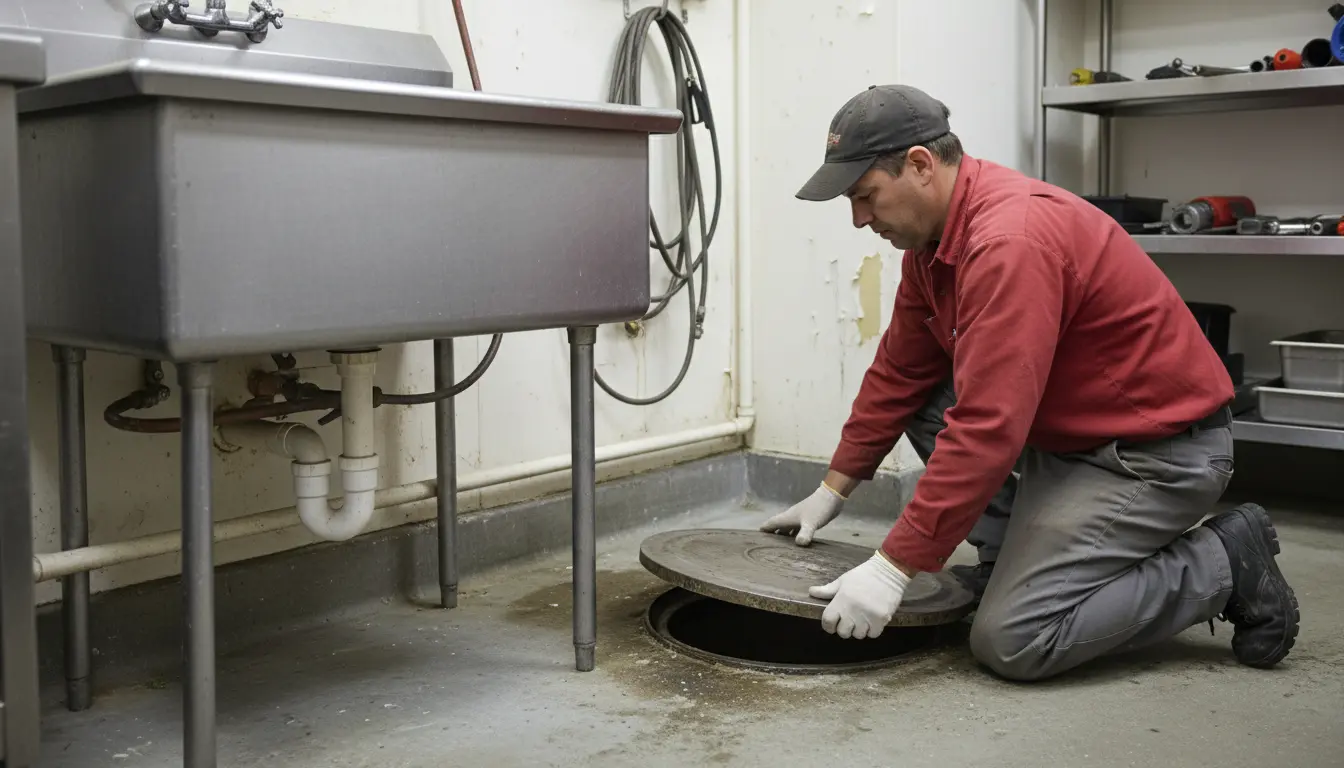
Find the Best Grease Trap Cleaning Companies for Your Business
No obligation • Fast responses • Nationwide coverage

Why you can trust Restaurant Waste Disposal
Restaurant Waste Disposal is a leading U.S. resource for comparing restaurant composting, food-waste recycling, grease trap cleaning, and used cooking oil collection services. Our editorial team researches providers, checks credentials, and organizes unbiased information so operators can make informed decisions. Companies cannot pay to change ratings or placement.
Search providers near you
Top Grease Trap Cleaning Companies in Duluth, Minnesota Ranked
For any restaurant, food service establishment, or commercial kitchen in Duluth, managing fats, oils, and grease (FOG) is a critical operational and regulatory responsibility. Proper grease trap and interceptor maintenance is not just about preventing clogs; it's a legal requirement enforced by city and health officials to protect the local sewer system and waterways. Duluth's regulations, aligned with the Minnesota Plumbing Code, mandate regular cleaning, detailed record-keeping, and proper disposal of FOG waste. Non-compliance can lead to severe penalties, including substantial fines and potential business disruption, making a proactive and informed approach to grease management essential for every food service operator in the city.
Understanding Duluth's Grease Management Regulations
Compliance begins with understanding the local rules. Duluth's requirements are built upon the Minnesota Plumbing Code (4715.1105), which sets the statewide standard for grease interceptors 1. This code typically requires new food service facilities to install properly sized, accessible interceptors, often located outside the building. The city's municipal code incorporates specific FOG management provisions to prevent sewer blockages and environmental harm.
Enforcement is carried out by inspectors from the City of Duluth and/or St. Louis County Health Department. During inspections, they will review your maintenance records and assess the physical condition of your grease control device. The cornerstone of compliance is demonstrating a consistent, documented cleaning schedule.
Key Regulatory Requirements:
- Regular Maintenance: Cleaning is required on a frequency determined by your establishment's volume and the unit's capacity, commonly every 30 to 90 days 2.
- The 25% Rule: A universal standard requires cleaning before FOG and solids accumulate to fill more than 25% of the trap or interceptor's volume 3.
- Detailed Record-Keeping: You must maintain on-site service logs for a minimum of three years. These logs should include dates of service, the company performing the work, the volume of waste removed, and the disposal method.
- Proper Waste Disposal: FOG waste must be hauled away by a licensed service provider for proper recycling or disposal at a permitted facility, not poured down drains or into dumpsters 4.
Determining Your Cleaning Frequency and Schedule
How often you need grease interceptor service is not one-size-fits-all. It depends on your kitchen's output. High-volume establishments like busy diners or large banquet halls will generate FOG much faster than a small café. The "25% rule" is your best operational guide-when a quarter of the unit's capacity is filled with grease and solids, it's time for service 5 6. Many providers recommend a proactive, fixed schedule (e.g., monthly or quarterly) to ensure you never exceed this limit and risk a violation.
Waiting until you notice slow drains or odors is a reactive approach that often leads to emergencies, higher costs, and compliance issues. A scheduled maintenance plan with a reliable provider is the most cost-effective and stress-free way to manage this responsibility.
Find the perfect grease trap cleaning companies for your needs
Get personalized recommendations and expert advice
Costs for Grease Trap Services in Duluth
Investing in regular maintenance is far less expensive than dealing with fines, emergency repairs, or sewer backups. Service costs in Duluth vary based on the type and size of your unit, its condition, and the service frequency.
- Small Indoor Grease Traps: A standard cleaning for a typical under-sink or in-floor grease trap often ranges from $175 to $475 per service.
- Large Outdoor Grease Interceptors: Pumping and cleaning a large, in-ground interceptor typically starts around $475 per visit and can exceed $1,000 for very large units or those that have been severely neglected.
- Emergency Service: Responding to a clog or overflow outside of normal business hours can cost significantly more, often between $800 and $1,200 or more, compared to a scheduled service 7 8.
- Annual Compliance Cost: For a restaurant maintaining a regular schedule, the total annual cost for full grease trap compliance typically falls between $2,000 and $5,000+, depending on service frequency and unit size 9 10.
Consequences of Non-Compliance
Ignoring grease trap maintenance is a serious risk. Enforcement actions are designed to compel compliance and protect public infrastructure. Penalties can escalate quickly:
- Fines: Initial violations often come with fines, which can be levied daily until the issue is corrected. Nationally, these fines can range from $500 to over $15,000 for severe or repeat offenses 11 12.
- Operational Shutdown: In cases of significant non-compliance or repeated violations, health or public works officials have the authority to suspend your operating permit or force a temporary closure until the grease management system is brought up to code.
- Sewer Surcharges: Some municipalities impose additional fees on businesses that contribute excessive FOG to the public sewer system.
- Reputational Damage: Health code violations are often public record and can damage customer trust.
Best Practices for Restaurant Owners
Beyond hiring a professional service, kitchen staff play a vital role in effective grease management.
- Scrape, Don't Rinse: Ensure all staff scrape food scraps from plates, pots, and pans into the trash before washing.
- Use Strainers: Install and regularly clean sink strainers to catch solid food particles.
- Educate Your Team: Train all employees on what should and should not go down the drain. Even "liquid" fats like cooking oil must be collected in containers for proper recycling, not poured down the sink.
- Keep Detailed Records: Maintain a dedicated binder or digital file with every service receipt and log. This is your first line of defense during an inspection.
- Schedule Regular Inspections: Periodically check your grease trap yourself for odor or visible grease accumulation to catch issues between professional services.
Choosing a Service Provider in Duluth
Selecting the right partner for grease interceptor cleaning is crucial. Look for a licensed, insured, and experienced provider familiar with Duluth's specific codes and inspection processes. They should offer detailed service reports that you can use for your records and be willing to help you establish a compliant maintenance schedule. A proactive provider will be a resource, not just a vendor, helping you navigate regulations and avoid costly problems.
Frequently asked questions
Sources
Footnotes
-
4715.1105 grease interceptors. - MN Revisor's Office - https://www.revisor.mn.gov/rules/4715.1105/version/2014-01-18T05:44:36-06:00 ↩
-
Restaurant Grease Trap Cleaning FAQs - https://www.mahoneyes.com/restaurant-grease-trap-cleaning-faqs/ ↩
-
Complying with Grease Trap Codes: 5 Essential Tips | Business Name - https://www.unitedsewerservice.com/complying-with-local-regulations-and-codes-for-grease-trap-maintenance/ ↩
-
Grease Traps for Restaurants: The Essential Guide - https://therestaurantwarehouse.com/blogs/restaurant-equipment/grease-trap-for-restaurant-guide ↩
-
How to Clean a Grease Trap (and How Often You Should) - https://greaseconnections.com/how-to-clean-a-grease-trap-and-how-often-you-should/ ↩
-
Grease Trap Cleaning & Pumping: Your Ultimate Commercial Guide - https://elvisservicecompany.com/news/the-ultimate-guide-to-grease-trap-cleaning-pumping-everything-your-business-needs-to-know/ ↩
-
The Cost To Clean A Grease Trap For Restaurants - https://thegreasecompany.com/blog/greasetrapcleaningcost/ ↩
-
Ultimate Grease Trap Pumping Cost Guide: Essential Money-Saving ... - https://www.texwaywastewater.com/grease-trap-pumping-cost/ ↩
-
How Much Does a Proper Grease Trap Cleaning Cost? - https://hulseyenvironmental.com/how-much-does-a-proper-grease-trap-cleaning-partner-cost/ ↩
-
Restaurant Grease Trap & Interceptor Cleaning Cost - https://greasemanagement.org/pricing.html ↩
-
Grease Trap Regulations and Compliance: What You Need to ... - https://www.texwaywastewater.com/grease-trap-regulations-and-compliance/ ↩
-
Navigating the Legal Aspects of Restaurant Waste Management - https://roguegreasetraps.com/2025/06/15/navigating-the-legal-aspects-of-restaurant-waste-management/ ↩