Find the Best Grease Trap Cleaning Companies for Your Business
No obligation • Fast responses • Nationwide coverage

Why you can trust Restaurant Waste Disposal
Restaurant Waste Disposal is a leading U.S. resource for comparing restaurant composting, food-waste recycling, grease trap cleaning, and used cooking oil collection services. Our editorial team researches providers, checks credentials, and organizes unbiased information so operators can make informed decisions. Companies cannot pay to change ratings or placement.
Search providers near you
Top Grease Trap Cleaning Companies in Minneapolis, Minnesota Ranked
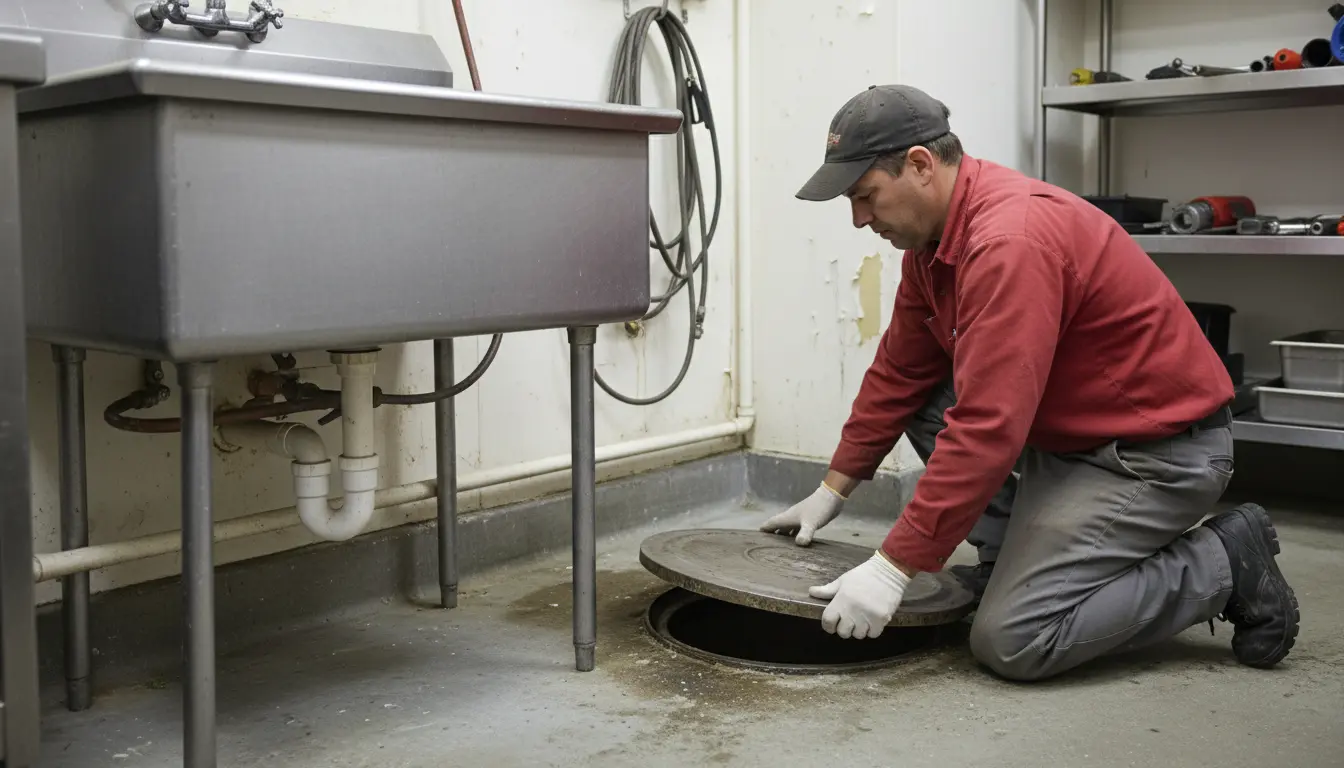
For any restaurant or food service establishment (FSE) in Minneapolis, proper grease interceptor maintenance is not just a best practice-it's a legal requirement. The city's Fats, Oils, and Grease (FOG) Ordinance is designed to protect the municipal sewer system from blockages and overflows, which can lead to environmental damage and costly public works repairs. Compliance hinges on regular inspection and pumping by licensed professionals, meticulous record-keeping, and understanding that proactive maintenance is far less expensive than reacting to a clog or a violation. This guide outlines the essential regulations, recommended practices, and cost considerations for keeping your Minneapolis kitchen compliant and running smoothly.
Roto-Rooter Plumbing & Water Cleanup
1821 University Ave W #317, St Paul, MN 55104
Roto-Rooter Plumbing & Water Cleanup provides comprehensive plumbing services in Minneapolis, MN, specializing in both residential and commercial plumbing needs. Their offerings include drain cleaning, grease trap pumping, sewer line repair and replacement, water heater services, and water softener and filtration system installation. The company uses advanced techniques such as hydro-jetting and video camera sewer inspection to address plumbing issues efficiently. Serving the Minneapolis and St. Paul metro areas, Roto-Rooter is available 24/7 for emergency plumbing services, ensuring support whenever urgent problems arise.
Ultimate Drain Services Inc
Minneapolis, MN
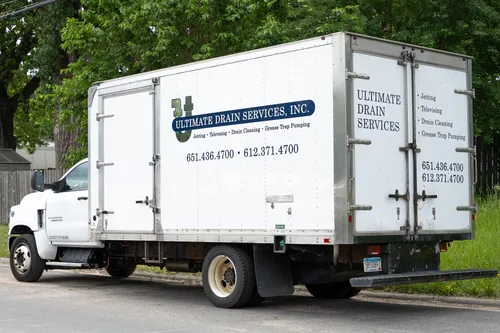
Ultimate Drain Services Inc is a family-owned business serving Minneapolis, MN, and the surrounding areas including St. Paul and Western Wisconsin. They provide a wide range of drain cleaning services for commercial, industrial, and residential clients. Their capabilities include hydrojetting and grease trap pumping. With nearly 30 years of experience, they offer 24/7 emergency services to address plumbing issues promptly.
Roto-Rooter Plumbing & Water Cleanup
1629 Hennepin Ave #300G, Minneapolis, MN 55403
Roto-Rooter Plumbing & Water Cleanup is a licensed and insured plumbing company serving Minneapolis, MN. They provide 24/7 plumbing services including drain cleaning, grease trap pumping, sewer line repair, and water damage cleanup for both residential and commercial clients. Their capabilities include hydro-jetting and video camera inspections to diagnose and clear drain and sewer issues efficiently. Established with a long history in plumbing, Roto-Rooter is available around the clock to handle emergencies and routine maintenance throughout the Minneapolis metro area.
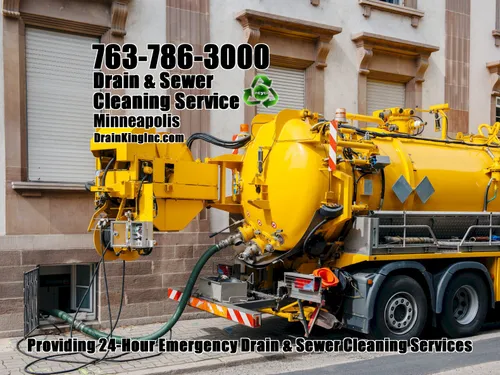
Drain King Inc.
7740 Beech St NE, Fridley, MN 55432
Drain King Inc. is a drain cleaning company serving Brooklyn Park, MN, and the surrounding metro areas including Maple Grove, Minneapolis, Bloomington, and St. Paul. They provide commercial and residential sewer and drain cleaning services, including grease trap pumping, septic pumping, frozen line thawing, jetting, rooter services, and sewer line locating. The company uses advanced diagnostic equipment and offers 24-hour emergency drain and sewer cleaning services. With decades of experience, Drain King also provides preventive maintenance plans to help avoid costly repairs.
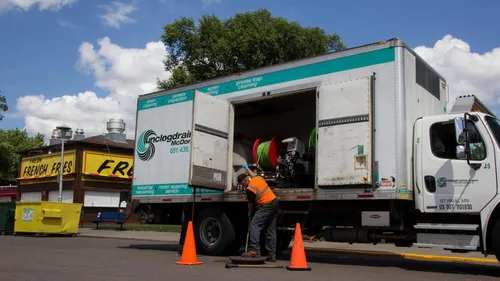
Unclogdrains.com
10075 Xylite St NE, Blaine, MN 55449
Unclogdrains.com is a grease trap cleaning company based in Blaine, MN, serving the Twin Cities area and greater Minnesota. They provide a full range of drain and sewer cleaning services including water jetting, grease trap cleaning, and vacuum truck operations. Their vacuum trucks can remove solid, liquid, or dry matter, including fine powders, from hard-to-reach areas. The company has been operating since 1992, using advanced equipment and skilled technicians to handle commercial, residential, and industrial projects.
Understanding Minneapolis FOG Ordinance Requirements
The City of Minneapolis has specific rules governing the disposal of fats, oils, and grease from commercial kitchens. The core mandate requires that all FSEs prevent these materials from entering the sanitary sewer system. This is achieved through properly sized and maintained grease traps or interceptors. Key provisions include:
- Proper Disposal: It is prohibited to discharge FOG or solids from grease trap waste back into the sewer 1 2.
- Accessibility: Grease interceptors must be easily accessible for inspection, cleaning, and maintenance by both your service provider and city inspectors.
- Licensed Haulers: Waste from grease interceptors can only be pumped and transported by companies licensed by the Minnesota Pollution Control Agency (MPCA). Using an unlicensed hauler can result in significant fines.
These regulations are enforced through routine inspections by city representatives, who will check your maintenance records and the physical condition of your interceptor 3.
Determining Your Cleaning and Inspection Schedule
There is no one-size-fits-all schedule, as frequency depends entirely on your kitchen's volume and output. However, Minneapolis guidelines and industry standards provide a clear framework.
- Inspection Frequency: A common requirement is to inspect grease traps at least every three months (quarterly) to verify proper operation 4. High-volume establishments may need inspections monthly or even weekly.
- Cleaning Frequency: Cleaning should occur before the unit becomes 25% full of FOG and solids 5. For many restaurants, this translates to monthly or quarterly pump-outs. The only way to know your ideal schedule is to start with frequent service and then, under the guidance of your provider, adjust based on how quickly FOG accumulates.
- Record-Keeping is Crucial: You must maintain detailed logs of every inspection, cleaning, and pumping. These records should include dates, the volume of waste removed, the name of the licensed hauler, and disposal receipts 6 7. Having this documentation organized and readily available is a primary component of passing a city inspection.
The Cost of Compliance vs. Non-Compliance
Investing in regular grease interceptor maintenance is a predictable operating cost that pales in comparison to the expenses of non-compliance.
Typical Service Costs: For a standard, regularly maintained grease trap, a routine cleaning and pumping service in Minneapolis typically ranges from $200 to $500+ per service visit 8. The final price depends on the size of your interceptor, its location (interior vs. exterior), and the amount of FOG accumulated.
Cost of Neglect: If maintenance is deferred, FOG builds up, hardens, and can cause severe blockages. Emergency service calls for a severely clogged or overflowing interceptor can easily cost $800 to $1,200 or more 9 10. Furthermore, the City of Minneapolis can levy fines for ordinance violations, and a major sewer backup could lead to operational shutdowns, expensive plumbing repairs, and legal liability 11 12.
Find the perfect grease trap cleaning companies for your needs
Get personalized recommendations and expert advice
Interior vs. Exterior Grease Interceptors
The type and location of your grease control device impact maintenance logistics and costs.
- Interior Grease Traps: These are typically smaller units located under sinks or in kitchen prep areas. City codes often prohibit placing them directly in food preparation zones. They require more frequent servicing due to smaller capacity.
- Exterior Grease Interceptors: Larger, in-ground tanks are often required for new facilities or high-volume operations 13. They handle greater flow and require less frequent pump-outs but involve higher per-service costs due to their size and the need for heavy-duty pumping equipment.
Your licensed service provider can help you understand the specific requirements for your establishment's interceptor type.
Choosing a Licensed Service Provider in Minneapolis
Selecting the right partner for your grease trap maintenance is critical. Here are key factors to consider:
- MPCA Licensing: Always verify that the company holds a current MPCA license to transport grease trap waste 14. This is non-negotiable for legal disposal.
- Experience with Local Codes: Choose a provider familiar with the Minneapolis FOG Ordinance and the inspection process. They should be able to advise you on compliance, not just perform the pump-out.
- Service Offerings: Look for companies that provide comprehensive service, including pumping, cleaning, inspection reports, and detailed documentation (waste manifests, receipts) for your records.
- Reliability and Scheduling: Consistent, on-time service is essential. A provider that offers scheduled maintenance plans can help you stay proactive and avoid emergencies.
Best Practices for Kitchen Staff
While professional pumping is required, daily kitchen practices significantly reduce FOG load and extend time between services.
- Scrape, Don't Rinse: Scrape all food scraps and grease from plates, pots, and pans into the trash before washing.
- Use Strainers: Place sink strainers in all drains to catch solid food particles.
- Collect Cooking Oil: Never pour used fryer oil down the drain. Store it in dedicated containers for pickup by a rendering service.
- Educate Your Team: Ensure all staff understand the importance of these practices. Posting simple "NO GREASE" signs above sinks can serve as a constant reminder.
Adopting these habits minimizes the strain on your grease interceptor, leading to fewer service calls, lower costs, and a lower risk of compliance issues.
Frequently asked questions
Sources
Footnotes
-
Disposal of Fats, Oil, and Grease Ordinance - https://lims.minneapolismn.gov/Download/FileV2/19883/11-Disposal-of-Fats-Oil-and-Grease-Ordinance-Final.pdf ↩
-
§ 53.06 GREASE INTERCEPTORS, SAND TRAPS AND GRINDER ... - https://codelibrary.amlegal.com/codes/aitkin/latest/aitkin_mn/0-0-0-706 ↩
-
Complying with Grease Trap Codes: 5 Essential Tips | Business Name - https://www.unitedsewerservice.com/complying-with-local-regulations-and-codes-for-grease-trap-maintenance/ ↩
-
Grease Traps - Johns Drains - https://johnsdrains.com/commercial-drain-cleaning/grease-traps/ ↩
-
4715.1105 GREASE INTERCEPTORS. Subpart 1. Uniform ... - https://www.revisor.mn.gov/rules/pdf/4715.1105/2014-01-18%2005:44:36+00:00 ↩
-
Restaurant Grease Trap Cleaning: Step-by-Step Guide for ... - Boh - https://boh.ai/blog-article/maintaining-a-spotless-kitchen-a-guide-to-optimal-restaurant-grease-trap-cleaning-frequency-for-busy-restaurant-owners ↩
-
Grease Trap Regulations and Compliance: What You Need to Know - https://www.texwaywastewater.com/grease-trap-regulations-and-compliance/ ↩
-
How Much Does a Proper Grease Trap Cleaning Cost? - https://hulseyenvironmental.com/how-much-does-a-proper-grease-trap-cleaning-partner-cost/ ↩
-
Ultimate Grease Trap Pumping Cost Guide: Essential Money-Saving ... - https://www.texwaywastewater.com/grease-trap-pumping-cost/ ↩
-
Grease Trap Cleaning How-To Guide for Commercial Kitchens (Free Posters) - https://www.fooddocs.com/food-safety-templates/grease-trap-cleaning ↩
-
Grease Trap Cleaning & Pumping: Your Ultimate Commercial Guide - https://elvisservicecompany.com/news/the-ultimate-guide-to-grease-trap-cleaning-pumping-everything-your-business-needs-to-know/ ↩
-
The Ultimate Guide to Restaurant Grease Trap Cleaning - https://mokherplumbing.com/ultimate-guide-restaurant-grease-trap-cleaning/ ↩
-
Grease interceptors required.- FSEs shall discharge all wastewater - https://www.redwingmn.gov/DocumentCenter/View/796/Fats-Oils-and-Grease-Ordinance-PDF ↩
-
Septage and Restaurant Grease Trap Waste Management Guidelines - https://www.pca.state.mn.us/sites/default/files/wq-wwists4-20.pdf ↩