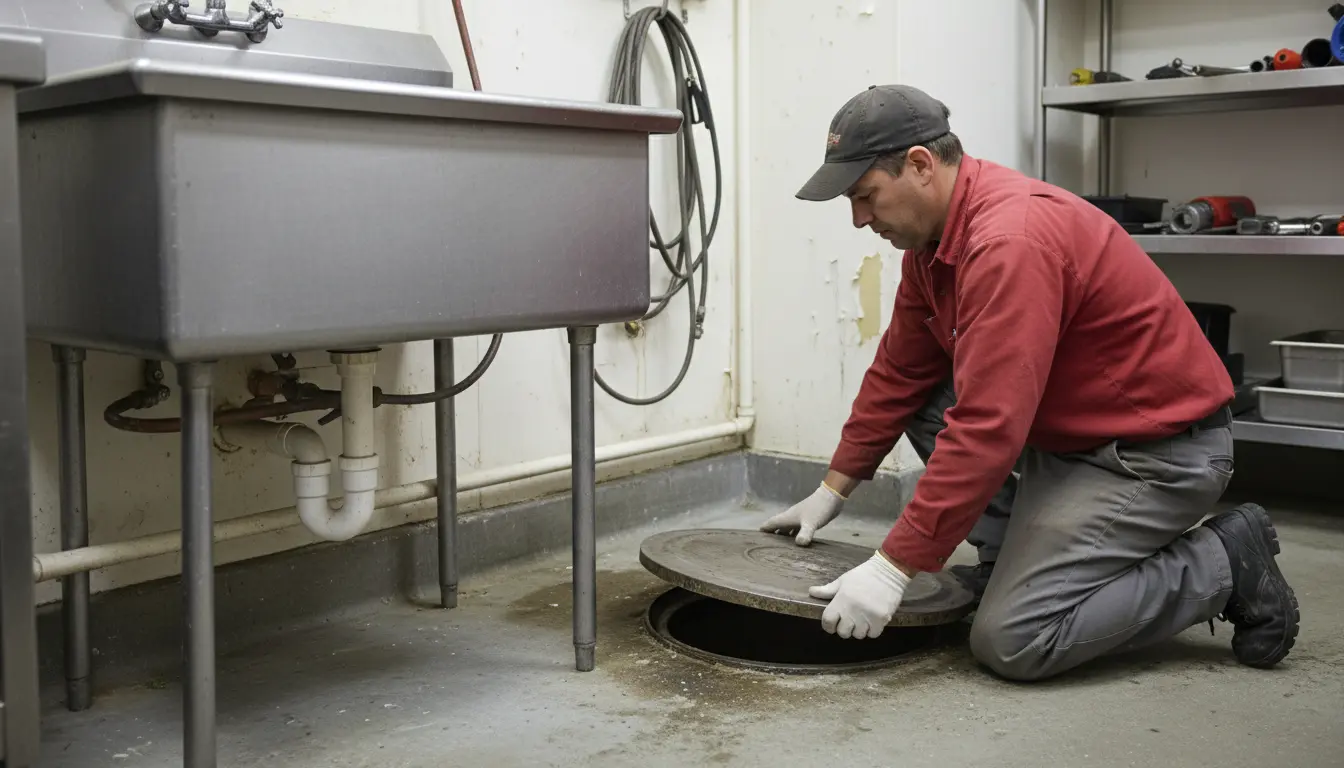
Find the Best Grease Trap Cleaning Companies for Your Business
No obligation • Fast responses • Nationwide coverage

Why you can trust Restaurant Waste Disposal
Restaurant Waste Disposal is a leading U.S. resource for comparing restaurant composting, food-waste recycling, grease trap cleaning, and used cooking oil collection services. Our editorial team researches providers, checks credentials, and organizes unbiased information so operators can make informed decisions. Companies cannot pay to change ratings or placement.
Search providers near you
Top Grease Trap Cleaning Companies in St Cloud, Minnesota Ranked
For any restaurant or food service establishment (FSE) in St. Cloud, maintaining a clean and compliant grease trap or interceptor is a non-negotiable part of daily operations. These systems are your first line of defense against fats, oils, and grease (FOG) entering the city's sewer lines, where they can cause costly and disruptive blockages. Florida state law and local St. Cloud ordinances mandate strict maintenance, record-keeping, and disposal protocols for grease waste. Proactive, regular grease interceptor service isn't just about avoiding fines; it's about protecting your business from emergency backups, unpleasant odors, and significantly higher cleaning costs down the line.
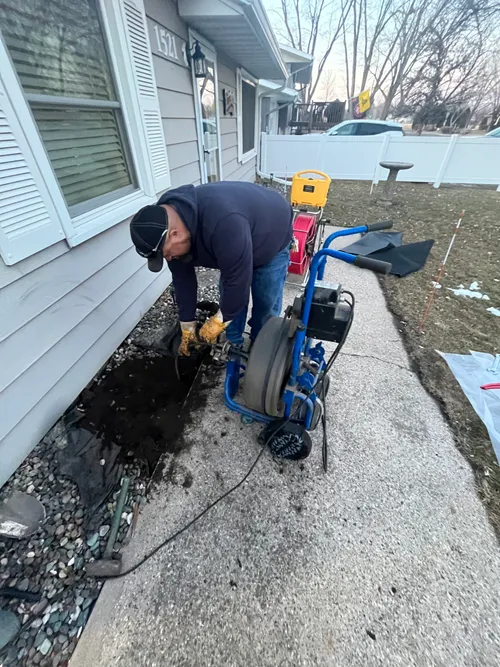
Understanding Florida and St. Cloud Grease Trap Regulations
Navigating the regulatory landscape is the first step to compliance. At the state level, Florida Statute 403.742 sets critical rules, most notably the prohibition of "pump and return" practices effective from 2022. This means service providers are legally barred from pumping out a grease interceptor and simply returning the separated wastewater back into the same unit; all contents must be transported for proper disposal. Locally, St. Cloud's Public Works or Environmental Department enforces specific codes that detail requirements for installation, capacity, and maintenance frequency 1. It is the responsibility of each food service establishment to know and follow these local rules, which often include mandatory service logs and inspections.
Key Compliance Requirements for Restaurants
- Regular Maintenance Pumping: The frequency isn't one-size-fits-all; it depends on your kitchen's volume and FOG production. High-volume restaurants may require service every 1-3 months, while a smaller café might operate on a less frequent schedule 2 3. The goal is to prevent FOG from exceeding 25% of the trap's capacity or from passing into the sewer line.
- Meticulous Record Keeping: For every service, you must obtain and keep a detailed service manifest from your hauler. This document is your proof of compliance and should include the date, volume of waste collected, the hauler's registration number, and the FDEP-approved disposal facility where the grease was taken.
- Proper Disposal: Grease waste must be hauled by a licensed, FDEP-registered transporter to an approved facility, such as a rendering plant, wastewater treatment plant, or landfill authorized to accept it. Illegal dumping carries severe penalties.
The Real Cost of Grease Trap Maintenance in St. Cloud
Understanding the cost structure helps in budgeting and highlights the value of regular care. Pricing is influenced by the size and location (indoor vs. outdoor) of your interceptor, its condition, and your service frequency.
- Standard Pumping for a Maintained Indoor Trap: For a well-maintained, regularly serviced indoor grease trap, you can expect costs to range from approximately $175 to $475 per service 4 5. This is the baseline for preventative care.
- Outdoor Grease Interceptors: Larger, in-ground outdoor interceptors typically cost more to pump due to their size and the equipment required, often falling at the higher end or above the standard range.
- The High Price of Neglect: If a trap is neglected and becomes overly full, solidified, or causes a backup, you're looking at an emergency service call. These can cost three times or more the standard rate due to the labor, time, and potential for system repairs needed 6 7. Proactive maintenance is a clear financial safeguard.
Find the perfect grease trap cleaning companies for your needs
Get personalized recommendations and expert advice
Best Practices Beyond Pumping
While professional pumping is essential, daily kitchen practices significantly impact your grease trap's health and your service costs.
- Train Your Staff: Ensure every team member knows to scrape food scraps into compost or trash, not the sink. Post clear "No Grease" signs above prep and dish sinks.
- Use Sink Strainers: Install and empty strainer baskets in all sinks to catch solid food particles.
- Avoid Hot Water Flushing: Never use hot water to "melt" grease down the drain. It may liquefy momentarily but will solidify again in your pipes or trap, worsening the problem.
- Understand Enzyme Treatments: While bacterial or enzyme additives can help break down grease between pumpings, they are not a substitute for physical removal. They are a supplement, not a solution, and some local codes may regulate their use.
Navigating Inspections and Avoiding Penalties
Local authorities and the Florida Department of Environmental Protection (FDEP) have the right to inspect your establishment and your grease waste hauler's records. Enforcement actions for non-compliance-such as illegal dumping, lack of a proper interceptor, or missing service manifests-can include substantial fines and even affect your operating license. The simplest way to pass an inspection is to have a consistent service relationship with a licensed provider and an organized file of all your service manifests.
Choosing a Service Provider in St. Cloud
Do not hire a hauler based on price alone. Verify that they are:
- Licensed and FDEP-Registered: This is a legal requirement for transporting grease waste in Florida.
- Knowledgeable on Local Codes: They should understand St. Cloud's specific requirements.
- Transparent with Documentation: They must provide a complete, legible manifest after every service.
- Disposing of Waste Properly: They should be able to tell you which approved facility they use.
Your first call for definitive local rule clarification should be to St. Cloud's Public Works or Environmental Health Department. They can provide the exact ordinances applicable to your business address.
Frequently Asked Questions
What is the "pump and return" ban in Florida? This state law (FS 403.742) prohibits grease haulers from pumping out an interceptor and returning only the separated wastewater back into it. All contents must be removed and taken to an approved disposal facility, ensuring proper waste handling.
How often does my St. Cloud restaurant need to clean its grease trap? The required frequency is based on your specific FOG output and local code, but a common range for active kitchens is every 1 to 3 months. Your service provider can recommend a schedule after an initial assessment, and local authorities may set a minimum requirement.
What records do I need to keep for my grease trap service? You are legally required to keep a detailed service manifest for every pumping. This document should include the service date, volume of grease waste removed, the hauler's information, and the disposal facility's name and location.
Can I use additives or enzymes instead of pumping? No. While enzyme treatments can help manage grease between services, they do not remove the accumulated FOG and solids. Physical pumping is the only method for proper removal and is required by code. Relying solely on additives can lead to non-compliance and system failure.
Who inspects my restaurant's grease trap compliance? Inspections can be carried out by local St. Cloud officials (e.g., Public Works) and/or representatives from the Florida Department of Environmental Protection (FDEP). They will check the condition of your interceptor and review your maintenance records 8.
What happens if I don't comply with the regulations? Non-compliance can result in significant fines from both local and state authorities. In severe cases, such as illegal dumping or repeated violations, it can lead to legal action and potentially impact your business license 9.
Where should I start to ensure my business is compliant?
- Contact the St. Cloud Public Works Department to understand local ordinances.
- Hire a licensed, FDEP-registered grease trap cleaning service.
- Implement daily best practices in your kitchen to reduce FOG entering the system.
- File every service manifest you receive in an organized, accessible location 10.
Sources
Footnotes
-
There's a New Code in Town: Grease Trap Requirements for ... - https://seacoastconstruction.net/theres-a-new-code-in-town-grease-trap-requirements-for-restaurants/ ↩
-
Orlando Grease Trap Maintenance Guide - Shyft - https://www.myshyft.com/blog/grease-trap-cleaning-orlando-florida/ ↩
-
The Ultimate Guide to Restaurant Grease Trap Cleaning - https://mokherplumbing.com/ultimate-guide-restaurant-grease-trap-cleaning/ ↩
-
Restaurant Grease Trap & Interceptor Cleaning Cost - https://greasemanagement.org/pricing.html ↩
-
Grease Trap Cleaning Prices | Guide on the Industry Average - https://grease-cycle.com/grease-trap-pumping-cost/ ↩
-
Ultimate Grease Trap Pumping Cost Guide: Essential Money-Saving ... - https://www.texwaywastewater.com/grease-trap-pumping-cost/ ↩
-
Grease Trap Pumping Cost vs. Grease Trap Maintenance Cost - https://www.stateindustrial.com/video/cost-comparison-pumping-v-chemicals-to-maintain-a-grease-trap/ ↩
-
Grease Waste | Florida Department of Environmental Protection - https://floridadep.gov/waste/permitting-compliance-assistance/content/grease-waste ↩
-
Florida Restaurants Now Facing Stronger Regulations For Grease ... - https://www.tampa.gov/news/florida-restaurants-now-facing-stronger-regulations-grease-disposal-102321 ↩
-
Grease Traps for Restaurants: The Essential Guide - https://therestaurantwarehouse.com/blogs/restaurant-equipment/grease-trap-for-restaurant-guide ↩