
Find the Best Grease Trap Cleaning Companies for Your Business
No obligation • Fast responses • Nationwide coverage

Why you can trust Restaurant Waste Disposal
Restaurant Waste Disposal is a leading U.S. resource for comparing restaurant composting, food-waste recycling, grease trap cleaning, and used cooking oil collection services. Our editorial team researches providers, checks credentials, and organizes unbiased information so operators can make informed decisions. Companies cannot pay to change ratings or placement.
Search providers near you
Top Grease Trap Cleaning Companies in Plymouth, Minnesota Ranked
For restaurant owners and kitchen managers in Plymouth, maintaining a clean and compliant grease interceptor is a critical operational task. Proper grease trap maintenance is not just about following rules; it's essential for preventing costly sewer backups, avoiding significant fines, and protecting the local wastewater infrastructure. Minnesota state code and local ordinances mandate specific cleaning frequencies, inspection protocols, and record-keeping for all food service establishments. This guide outlines the key regulations, best practices, and service considerations for effective grease management in Plymouth, helping you ensure your kitchen runs smoothly and remains in good standing with local authorities.
Understanding the specific requirements is the first step toward compliance. In Minnesota, the plumbing code (Rule 4715.1105) requires that grease interceptors be inspected and maintained at least quarterly, or every three months, to ensure they are operating efficiently 1. The trigger for a required cleaning is when accumulated fats, oils, grease (FOG), and solids reach 25% of the device's water depth. After service, the interceptor must pass a performance test, such as a manometer or vacuum test, to verify it is functioning correctly. Detailed records of all inspections, cleanings, and maintenance must be kept on-site for review by inspectors from the local wastewater authority or relevant regional body, such as the Metropolitan Council's FOG Management program.
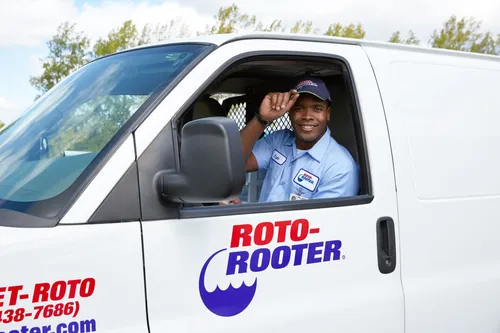
Roto-Rooter Plumbing & Water Cleanup
1821 University Ave W #317, St Paul, MN 55104
Roto-Rooter Plumbing & Water Cleanup provides comprehensive plumbing services in Minneapolis, MN, specializing in both residential and commercial plumbing needs. Their offerings include drain cleaning, grease trap pumping, sewer line repair and replacement, water heater services, and water softener and filtration system installation. The company uses advanced techniques such as hydro-jetting and video camera sewer inspection to address plumbing issues efficiently. Serving the Minneapolis and St. Paul metro areas, Roto-Rooter is available 24/7 for emergency plumbing services, ensuring support whenever urgent problems arise.
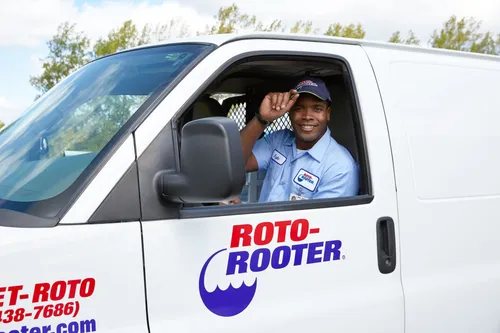
Roto-Rooter Plumbing & Water Cleanup
1629 Hennepin Ave #300G, Minneapolis, MN 55403
Roto-Rooter Plumbing & Water Cleanup is a licensed and insured plumbing company serving Minneapolis, MN. They provide 24/7 plumbing services including drain cleaning, grease trap pumping, sewer line repair, and water damage cleanup for both residential and commercial clients. Their capabilities include hydro-jetting and video camera inspections to diagnose and clear drain and sewer issues efficiently. Established with a long history in plumbing, Roto-Rooter is available around the clock to handle emergencies and routine maintenance throughout the Minneapolis metro area.
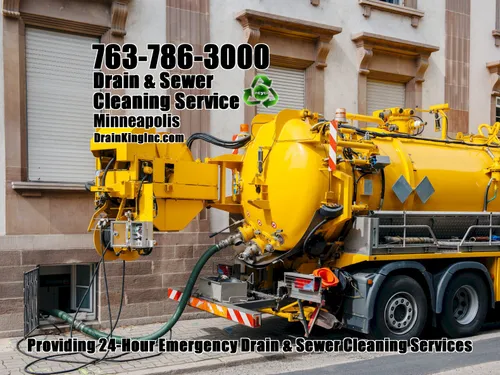
Drain King Inc.
7740 Beech St NE, Fridley, MN 55432
Drain King Inc. is a drain cleaning company serving Brooklyn Park, MN, and the surrounding metro areas including Maple Grove, Minneapolis, Bloomington, and St. Paul. They provide commercial and residential sewer and drain cleaning services, including grease trap pumping, septic pumping, frozen line thawing, jetting, rooter services, and sewer line locating. The company uses advanced diagnostic equipment and offers 24-hour emergency drain and sewer cleaning services. With decades of experience, Drain King also provides preventive maintenance plans to help avoid costly repairs.
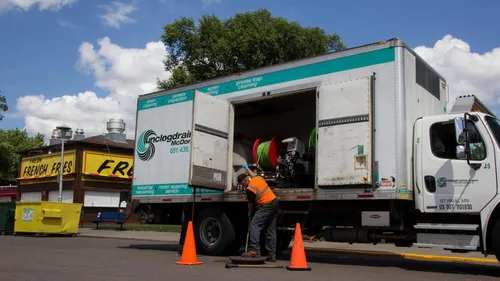
Unclogdrains.com
10075 Xylite St NE, Blaine, MN 55449
Unclogdrains.com is a grease trap cleaning company based in Blaine, MN, serving the Twin Cities area and greater Minnesota. They provide a full range of drain and sewer cleaning services including water jetting, grease trap cleaning, and vacuum truck operations. Their vacuum trucks can remove solid, liquid, or dry matter, including fine powders, from hard-to-reach areas. The company has been operating since 1992, using advanced equipment and skilled technicians to handle commercial, residential, and industrial projects.
McDonough’s - MN Drain Cleaning Services
1307 Sylvan St #4605, St Paul, MN 55117
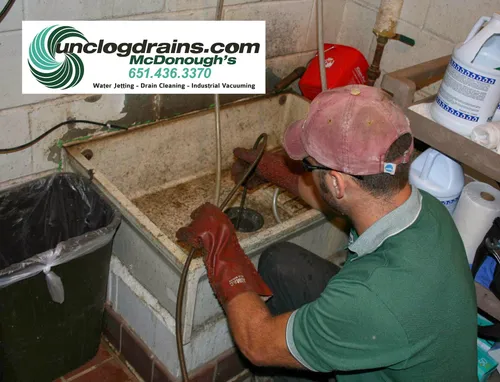
McDonough's - MN Drain Cleaning Services is a Minnesota-based company serving Minneapolis and the greater Twin Cities area. Since 1992, they have provided commercial, residential, and industrial drain and sewer cleaning services. Their offerings include grease trap cleaning, water jetting for efficient pipe cleaning, and the use of advanced vacuum trucks capable of removing solid, liquid, and fine powdery substances from hard-to-reach locations. The company emphasizes safety and efficiency with state-of-the-art equipment and skilled technicians.
Understanding Local Compliance and Enforcement
Plymouth restaurants fall under a combination of state regulations and regional oversight. The local wastewater authority is responsible for enforcing grease interceptor codes to prevent FOG from entering the public sewer system, where it can cause major blockages and environmental issues. Compliance is monitored through routine inspections, and penalties for neglect can be severe. If a poorly maintained trap contributes to a sewer overflow or blockage, the responsible restaurant owner may face substantial fines and be billed for emergency cleanup costs. Proactive, documented maintenance is your best defense against these penalties and operational disruptions.
Determining Your Cleaning Schedule
While the state mandates a minimum quarterly inspection, the ideal cleaning frequency for your establishment depends entirely on your kitchen's volume and menu. A high-volume restaurant specializing in fried foods will generate FOG much faster than a low-volume cafe and may require monthly interceptor pumping service 2 3. The "25% capacity" rule is a regulatory limit, not a best-practice target. Industry experts strongly recommend developing a service schedule based on your actual FOG production to prevent the interceptor from ever nearing that limit, thereby avoiding slow drainage, foul odors, and the risk of an overflow 4 5. A reliable service provider can help you establish an appropriate frequency after an initial assessment.
What Professional Service Entails
A thorough grease interceptor cleaning involves more than just removing liquid waste. A complete service should include pumping out all contents, manually scraping and removing hardened solids and grease from the walls and baffles, and cleaning the baffles themselves to ensure proper separation. The technician will also inspect gaskets, lids, and inlets/outlets for damage or wear, and verify proper flow and operation after the cleaning is complete. This comprehensive approach ensures the device works at peak efficiency until the next scheduled service and helps identify potential issues before they lead to a failure.
Cost Considerations for Plymouth Restaurants
The cost for routine grease trap pumping in Plymouth varies significantly based on the type and size of your interceptor. For smaller indoor grease traps, you can expect to pay between $175 and $475 per service 6 7. Larger outdoor interceptors, which can range from 250 to over 1,000 gallons, typically cost between $300 and $600 or more per cleaning 8 9. These prices assume regularly scheduled maintenance. The cost escalates dramatically for emergency service, such as responding to a complete clog or overflow, with prices often ranging from $800 to $1,200 or higher 6 8. The key financial takeaway is that consistent, preventative service is far more economical than reacting to an emergency system failure 10 6.
Find the perfect grease trap cleaning companies for your needs
Get personalized recommendations and expert advice
The Risks of Neglect and Benefits of Prevention
Postponing grease interceptor maintenance is a high-risk strategy. Beyond the immediate threat of fines, a clogged or overflowing trap can lead to sewage backups in your kitchen, resulting in health code violations, temporary closure, lost revenue, and expensive cleanup and repairs. Furthermore, chronic non-compliance can damage your relationship with local regulators. On the flip side, a well-maintained system ensures smooth kitchen operations, prevents unpleasant odors, and demonstrates your commitment to environmental stewardship and community responsibility. Keeping detailed logs also streamlines the inspection process, making it a quick and painless verification rather than a stressful ordeal.
Choosing a Service Provider
When selecting a company for grease interceptor cleaning in Plymouth, look for providers with experience serving commercial kitchens and a clear understanding of Minnesota and local codes. They should offer scheduled service plans, provide detailed service reports for your records, and be available for questions about compliance. Ensure they perform the required post-cleaning test (manometer/vacuum) and document it. Getting quotes from multiple providers for your specific interceptor size and required frequency is the best way to secure reliable and cost-effective service.
Record-Keeping: Your Proof of Compliance
Your maintenance records are your legal proof of compliance. These logs should be meticulously maintained and include the date of service, the name of the servicing company, the volume of waste removed, observations about the interceptor's condition, and the results of any performance tests conducted. These documents should be readily available for inspection at any time. A digital log or a dedicated physical binder kept in the manager's office is a standard practice. This simple organizational step is crucial for passing inspections with ease.
Frequently asked questions
Sources
Footnotes
-
4715.1105 GREASE INTERCEPTORS. Subpart 1. Uniform ... - https://www.revisor.mn.gov/rules/pdf/4715.1105/2014-01-18%2005:44:36+00:00 ↩
-
How to Clean a Grease Trap (and How Often You Should) - https://greaseconnections.com/how-to-clean-a-grease-trap-and-how-often-you-should/ ↩
-
Essential Grease Trap Cleaning Guide For Minneapolis ... - Shyft - https://www.myshyft.com/blog/grease-trap-cleaning-minneapolis-minnesota/ ↩
-
Grease Trap/Interceptor & F.O.G. Reduction Program - https://www.plymouthtownship.org/download/Grease%20Trap%20Interceptor-FOG%20Reduction%20Program/FOG%20Program%20Package.pdf ↩
-
Grease Trap Cleaning & Pumping Plymouth (888) 539-0676 MN ... - https://grease-trap-cleaning-plymouth-mn.genosplumbingandheating.com/ ↩
-
Ultimate Grease Trap Pumping Cost Guide: Essential Money-Saving ... - https://www.texwaywastewater.com/grease-trap-pumping-cost/ ↩ ↩2 ↩3
-
Restaurant Grease Trap & Interceptor Cleaning Cost - https://greasemanagement.org/pricing.html ↩
-
The Cost To Clean A Grease Trap For Restaurants - https://thegreasecompany.com/blog/greasetrapcleaningcost/ ↩ ↩2
-
Rates - Arrowhead Septic Services - https://www.arrowheadseptic.net/rates ↩
-
Print - Restaurant Facility Management Association - https://www.rfmaonline.com/forms/FormResponsePrint.asp?id=A95CBE5B-28FB-41B3-9C3A-2B51D286733C ↩