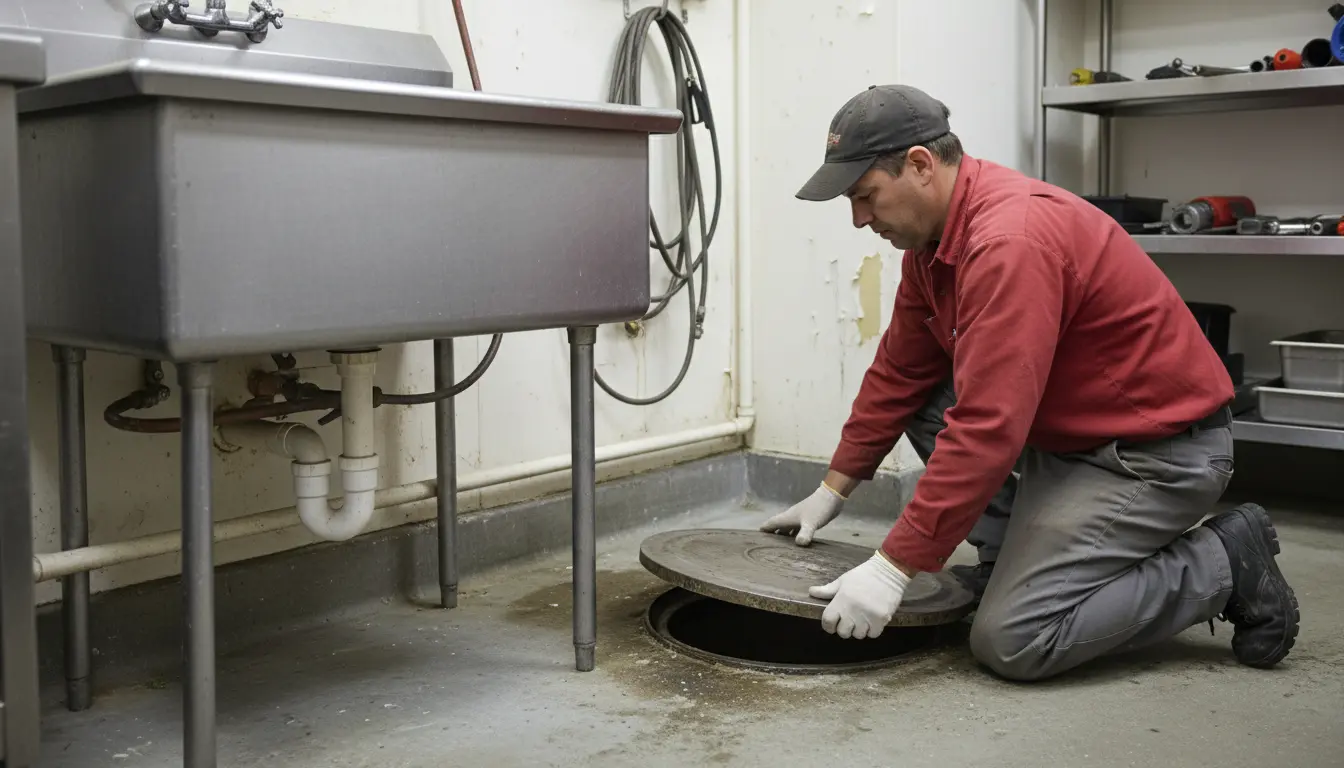
Find the Best Grease Trap Cleaning Companies for Your Business
No obligation • Fast responses • Nationwide coverage

Why you can trust Restaurant Waste Disposal
Restaurant Waste Disposal is a leading U.S. resource for comparing restaurant composting, food-waste recycling, grease trap cleaning, and used cooking oil collection services. Our editorial team researches providers, checks credentials, and organizes unbiased information so operators can make informed decisions. Companies cannot pay to change ratings or placement.
Search providers near you
Top Grease Trap Cleaning Companies in Burnsville, Minnesota Ranked
For any restaurant, food truck, or commercial kitchen in Burnsville, managing fats, oils, and grease (FOG) is a critical operational and legal responsibility. Proper grease interceptor maintenance is not just about preventing unpleasant backups; it's a mandated requirement under Minnesota state and local codes to protect the city's sewer infrastructure from costly blockages and environmental damage. This guide outlines the essential regulations, best practices, and cost considerations for effective grease trap service in Burnsville, helping your business stay compliant, avoid fines, and run smoothly.
Establishing a consistent pumping and cleaning schedule is the cornerstone of compliance. The Minnesota Plumbing Code requires that grease interceptors be maintained in "efficient operating condition," which is interpreted as the periodic removal of accumulated grease and solids 1 2. While the code specifies inspection and maintenance at least every three months, the actual required frequency for your establishment is determined by your volume of FOG production. Many high-volume kitchens in Burnsville find that monthly or bimonthly service is necessary to stay within legal limits and prevent emergencies 3 4. A key compliance metric is ensuring that the FOG layer does not exceed 25% of the trap's total liquid capacity 1 5. Regular service by a licensed professional is the only reliable way to maintain this standard.
Roto-Rooter Plumbing & Water Cleanup
1821 University Ave W #317, St Paul, MN 55104
Roto-Rooter Plumbing & Water Cleanup provides comprehensive plumbing services in Minneapolis, MN, specializing in both residential and commercial plumbing needs. Their offerings include drain cleaning, grease trap pumping, sewer line repair and replacement, water heater services, and water softener and filtration system installation. The company uses advanced techniques such as hydro-jetting and video camera sewer inspection to address plumbing issues efficiently. Serving the Minneapolis and St. Paul metro areas, Roto-Rooter is available 24/7 for emergency plumbing services, ensuring support whenever urgent problems arise.
Roto-Rooter Plumbing & Water Cleanup
1629 Hennepin Ave #300G, Minneapolis, MN 55403
Roto-Rooter Plumbing & Water Cleanup is a licensed and insured plumbing company serving Minneapolis, MN. They provide 24/7 plumbing services including drain cleaning, grease trap pumping, sewer line repair, and water damage cleanup for both residential and commercial clients. Their capabilities include hydro-jetting and video camera inspections to diagnose and clear drain and sewer issues efficiently. Established with a long history in plumbing, Roto-Rooter is available around the clock to handle emergencies and routine maintenance throughout the Minneapolis metro area.
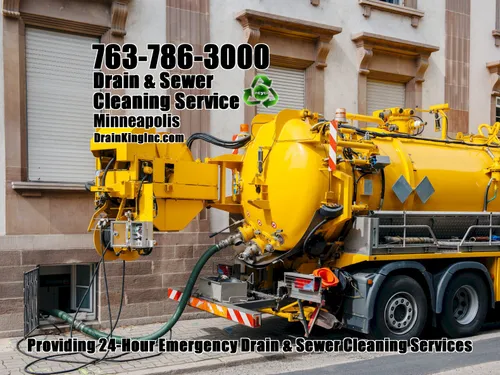
Drain King Inc.
7740 Beech St NE, Fridley, MN 55432
Drain King Inc. is a drain cleaning company serving Brooklyn Park, MN, and the surrounding metro areas including Maple Grove, Minneapolis, Bloomington, and St. Paul. They provide commercial and residential sewer and drain cleaning services, including grease trap pumping, septic pumping, frozen line thawing, jetting, rooter services, and sewer line locating. The company uses advanced diagnostic equipment and offers 24-hour emergency drain and sewer cleaning services. With decades of experience, Drain King also provides preventive maintenance plans to help avoid costly repairs.
Unclogdrains.com
10075 Xylite St NE, Blaine, MN 55449
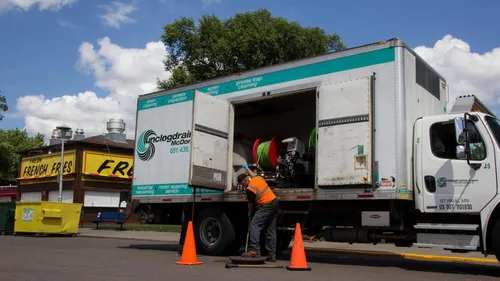
Unclogdrains.com is a grease trap cleaning company based in Blaine, MN, serving the Twin Cities area and greater Minnesota. They provide a full range of drain and sewer cleaning services including water jetting, grease trap cleaning, and vacuum truck operations. Their vacuum trucks can remove solid, liquid, or dry matter, including fine powders, from hard-to-reach areas. The company has been operating since 1992, using advanced equipment and skilled technicians to handle commercial, residential, and industrial projects.
McDonough’s - MN Drain Cleaning Services
1307 Sylvan St #4605, St Paul, MN 55117
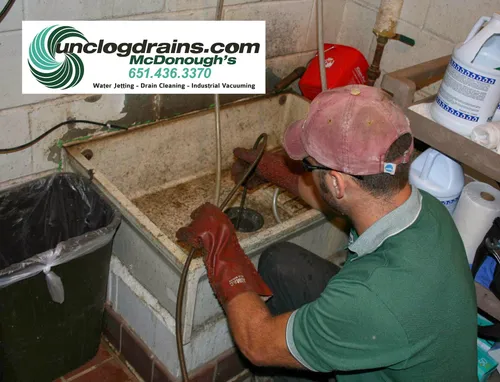
McDonough's - MN Drain Cleaning Services is a Minnesota-based company serving Minneapolis and the greater Twin Cities area. Since 1992, they have provided commercial, residential, and industrial drain and sewer cleaning services. Their offerings include grease trap cleaning, water jetting for efficient pipe cleaning, and the use of advanced vacuum trucks capable of removing solid, liquid, and fine powdery substances from hard-to-reach locations. The company emphasizes safety and efficiency with state-of-the-art equipment and skilled technicians.
Understanding Minnesota and Burnsville Grease Trap Regulations
Compliance begins with understanding the governing rules. The primary authority is the Minnesota Plumbing Code (Minn. Rules 4715.1105), which sets the statewide standard for grease interceptor maintenance. This code mandates that traps be easily accessible for cleaning and inspection-a rule that often requires newer facilities to install exterior interceptors. Furthermore, any company that pumps out your grease trap waste must hold a valid license from the Minnesota Pollution Control Agency (MPCA). It is the restaurant's responsibility to verify this licensing.
Local enforcement typically falls to the Burnsville Public Works or Engineering Department, which may have additional ordinances or inspection protocols. These local authorities conduct routine inspections to check FOG levels, review maintenance records, and ensure overall system accessibility. Violations can lead to significant fines, which can escalate to over $1,000 for repeat or severe offenses, and in extreme cases of non-compliance, can result in operational shutdowns 6.
The Critical Importance of Record-Keeping
Meticulous documentation is your best defense during an inspection. For every grease trap pumping and cleaning service, you must maintain a detailed log. Essential records include:
- The date of service.
- The name and MPCA license number of the service provider.
- The volume of grease and solids removed (usually in gallons).
- The disposal method or destination of the waste. Keeping these records on file for at least three years is a standard requirement and provides proof of your proactive maintenance efforts.
Scheduling and Costs for Grease Interceptor Service
The frequency of required grease trap maintenance is not one-size-fits-all. It depends entirely on your kitchen's output. A busy pub or pizza restaurant will need service far more often than a small café. The general guideline is every 1 to 3 months, but the only way to know your ideal schedule is to start with regular service and adjust based on what your provider finds.
Costs for this essential service in the Burnsville area are typically structured per pump-out. For a routine, preventative cleaning of a well-maintained trap, restaurants can expect to pay between $175 and $300+ per service 7 8. Several factors influence the final price:
- Trap Size and Location: Larger traps and interior traps that are difficult to access cost more to service.
- FOG Volume: A heavily neglected trap that is nearly full will require more labor and disposal capacity.
- Service Contract: Many providers offer discounted rates for businesses that commit to a regular monthly or quarterly service schedule.
- Emergency Fees: The most significant cost driver is neglect. If you wait for a backup or clog to occur, emergency service calls can cost two to three times the standard rate, not including potential plumbing repairs and fines 9.
Find the perfect grease trap cleaning companies for your needs
Get personalized recommendations and expert advice
Best Practices for Burnsville Restaurant Owners
Adopting a proactive approach saves money and stress. Start by contacting Burnsville City Hall to speak with the Public Works or Engineering department. They can clarify any local ordinances specific to your business address 10. Next, partner with an MPCA-licensed grease trap cleaning service. Verify their license before hiring. Work with them to establish a pumping schedule-likely monthly or quarterly-that keeps your FOG levels consistently below the 25% threshold. Never pour grease down sinks or drains, and train your kitchen staff on proper waste disposal practices. Finally, keep that detailed logbook for every service, storing it where it can be easily presented during an inspection.
Implementing these steps transforms grease trap maintenance from a reactive headache into a simple, scheduled part of your business operations. It protects your plumbing, keeps you in good standing with city inspectors, and contributes to the health of Burnsville's community wastewater system.
Frequently asked questions
Sources
Footnotes
-
Septage and Restaurant Grease Trap Waste Management Guidelines - https://www.pca.state.mn.us/sites/default/files/wq-wwists4-20.pdf ↩ ↩2
-
4715.1105 GREASE INTERCEPTORS. Subpart 1. Uniform ... - https://www.revisor.mn.gov/rules/pdf/4715.1105/2014-01-18%2005:44:36+00:00 ↩
-
Essential Grease Trap Cleaning Guide For Minneapolis Facility ... - https://www.myshyft.com/blog/grease-trap-cleaning-minneapolis-minnesota/ ↩
-
The Ultimate Guide to Restaurant Grease Trap Cleaning - https://mokherplumbing.com/ultimate-guide-restaurant-grease-trap-cleaning/ ↩
-
Grease Trap Regulations and Compliance: What You Need to ... - https://www.texwaywastewater.com/grease-trap-regulations-and-compliance/ ↩
-
How to Clean a Grease Trap (and How Often You Should) - https://greaseconnections.com/how-to-clean-a-grease-trap-and-how-often-you-should/ ↩
-
The Cost To Clean A Grease Trap For Restaurants - https://thegreasecompany.com/blog/greasetrapcleaningcost/ ↩
-
Grease Trap Cleaning Prices | Guide on the Industry Average - https://grease-cycle.com/grease-trap-pumping-cost/ ↩
-
How Much Does It Cost To Clean A Grease Trap? - https://www.greasecollection.com/blog/how-much-does-it-cost-to-clean-a-grease-trap/ ↩
-
Grease Traps for Restaurants: The Essential Guide - https://therestaurantwarehouse.com/blogs/restaurant-equipment/grease-trap-for-restaurant-guide ↩