
Find the Best Grease Trap Cleaning Companies for Your Business
No obligation • Fast responses • Nationwide coverage

Why you can trust Restaurant Waste Disposal
Restaurant Waste Disposal is a leading U.S. resource for comparing restaurant composting, food-waste recycling, grease trap cleaning, and used cooking oil collection services. Our editorial team researches providers, checks credentials, and organizes unbiased information so operators can make informed decisions. Companies cannot pay to change ratings or placement.
Search providers near you
Top Grease Trap Cleaning Companies in Wheaton, Illinois Ranked
For restaurant owners and food service operators in Wheaton, maintaining a clean and compliant grease trap is a critical, non-negotiable aspect of daily operations. These grease interceptors are your first line of defense against costly sewer blockages, environmental violations, and potential business interruptions. Adhering to Wheaton's specific municipal codes and Illinois state health regulations isn't just about avoiding fines-it's about protecting your plumbing, your property, and your reputation. This guide outlines the essential requirements, best practices, and local considerations for effective grease trap maintenance in Wheaton.
Proper grease interceptor maintenance begins with understanding local mandates. Wheaton's ordinances, aligned with the Illinois Administrative Code, require that all grease traps be easily accessible for both routine cleaning and unannounced inspections by health or code officials. The interceptor must be correctly sized to handle your establishment's peak wastewater flow, and it is strictly prohibited to connect food waste disposals to the same line. Key operational rules include ensuring that no water exceeding 140°F enters the trap and that the effluent discharged is cooler than 85°F. The use of chemical or biological agents designed to dissolve grease is also prohibited, as these can cause problems further down the sewer line.
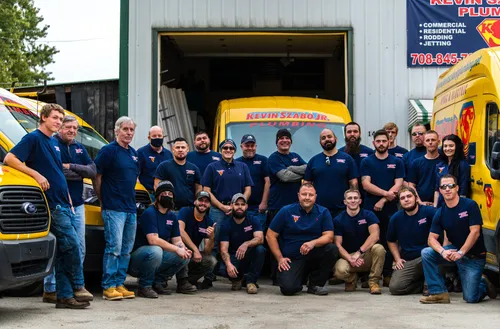
Kevin Szabo Jr Plumbing of Crestwood
Joliet, IL
Kevin Szabo Jr Plumbing of Crestwood provides residential and commercial plumbing services throughout Joliet, IL, and the surrounding South Suburbs. The company offers a wide range of plumbing solutions including grease trap cleaning, water heater installation and repair, sump and ejector pump services, sewer line maintenance, and video camera sewer inspections. With over 50 years of experience, they serve communities such as Tinley Park, Orland Park, Oak Lawn, and more. They are licensed, bonded, and insured, and provide 24/7 emergency plumbing assistance to accommodate urgent needs.
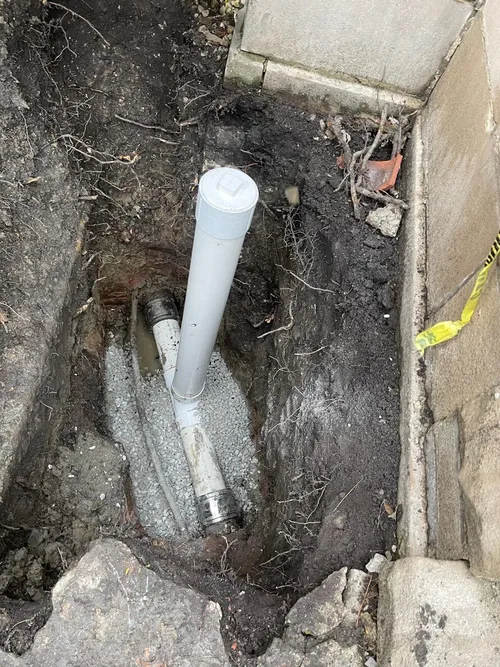
Chicago Sewer Experts
4320 1st Ave Unit 108, Lyons, IL 60534
Chicago Sewer Experts provides residential and commercial plumbing and drain cleaning services in Chicago, IL. With over 20 years of experience, they specialize in emergency plumbing repairs, drain cleaning, hydro jetting, sewer camera inspections, grease trap services, and sump pump installation and repair. The company is available 24/7 for emergency plumbing needs and serves the greater Chicago area with licensed and insured contractors.
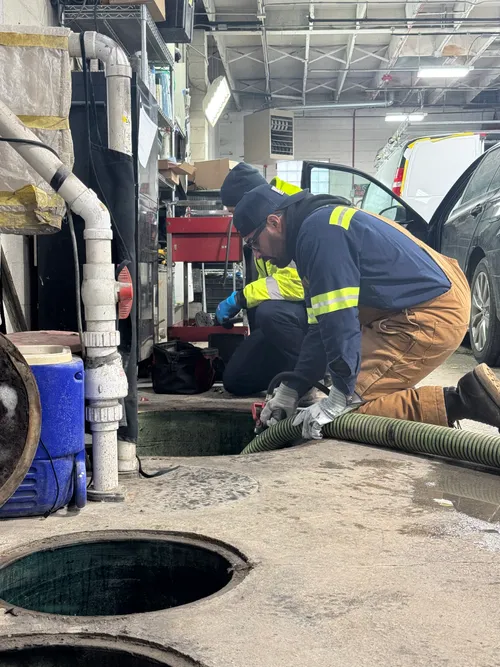
A&J Sewer Service
1055 Courtesy Dr, Wheeling, IL 60090
A&J Sewer Service provides grease trap cleaning and sewer system maintenance in Chicago, IL. They use advanced sewer televising technology to inspect sewer lines and offer services including sewer line cleanouts and sump pump installation and maintenance. Their grease trap cleaning services cater to food service businesses, helping prevent clogs and maintain compliance with health regulations. The company combines traditional methods with modern technology to support efficient sewer system operation and infrastructure longevity.
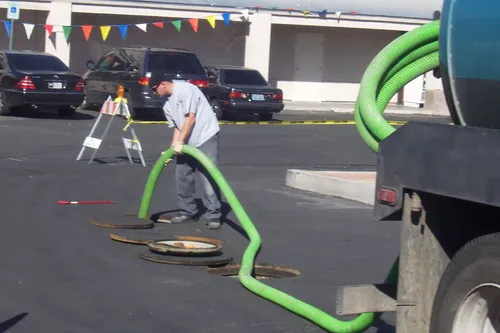
Chicago Grease Trap Cleaning
Chicago, IL
Chicago Grease Trap Cleaning provides professional grease trap and interceptor pumping and cleaning services in Chicago, IL, and the surrounding 30-mile radius. They serve a wide range of clients including restaurants, schools, residential, commercial, industrial, and manufacturing facilities. The company is a City of Chicago permitted transporter and specializes in maintaining compliance with local health and safety codes by keeping detailed service records. Their services include grease trap cleaning, pumping, and maintenance, with capabilities such as high-pressure hydro jet cleaning and environmentally responsible waste disposal. Chicago Grease Trap Cleaning offers flexible scheduling including early-hour and late-night services to minimize disruption to business operations.

A&P Grease Trappers, Inc
801 N Raddant Rd, Batavia, IL 60510
A&P Grease Trappers, Inc is a family-owned business serving Aurora, IL, and the Chicagoland area since 2006. They specialize in grease trap cleaning, fryer oil recycling and buy-back, drain and sewer cleaning, septic tank pumping, and RPZ testing. Their licensed professionals use modern equipment to maintain compliance and ensure efficient operations for restaurants, businesses, and municipalities. The company offers 24-hour emergency services with a commitment to respond within one hour for urgent needs.
Understanding Wheaton's Grease Trap Regulations
Compliance is not optional. Wheaton enforces grease interceptor rules to protect the city's sewer infrastructure and water quality. Violations can lead to significant penalties, including fines that can exceed $750 per offense, liens placed on the property for severe neglect, and in extreme cases, suspension of business operations 1. The local code explicitly references state standards, such as Title 77, Section 890.510 of the Illinois Administrative Code, which sets the baseline for design and operation 2.
Key prohibited practices include:
- Introducing water-cooled fixtures into the interceptor.
- Using emulsifiers, solvents, or bacterial additives.
- Reintroducing any skimmed grease or liquids back into the trap or sewer system 3.
The most practical step for compliance is maintaining meticulous service records. Health inspectors will request documentation proving regular, professional cleaning. It is advisable to keep these records for at least three years.
Determining Your Cleaning Schedule and Frequency
There is no universal schedule that fits every restaurant. The required frequency for grease interceptor pumping and cleaning is directly tied to your kitchen's waste generation volume. A high-volume establishment like a busy diner or pizza shop may require monthly service, while a lower-volume cafe might manage with service every two to three months.
The golden rule for scheduling is to clean the trap before it reaches 25% of its capacity. Allowing grease and solids to accumulate beyond this point drastically reduces the interceptor's efficiency and increases the risk of grease escaping into the sewer lines. Waiting for a complete clog or a foul odor is an emergency situation-and emergency service comes at a premium cost and with the high risk of a compliance violation.
Factors influencing your schedule:
- Type of Food Service: Menus heavy in fried foods, meats, and dairy produce more fats, oils, and grease (FOG).
- Peak Business Hours: Consistently high customer volume accelerates FOG accumulation.
- Interceptor Size: A properly sized trap for your flow rate will have a longer service interval.
Regular inspections by your service provider can help you establish a data-driven, cost-effective schedule that keeps you well within compliance limits.
The Cost of Grease Trap Maintenance in Wheaton
Investing in routine grease trap cleaning is far less expensive than dealing with the consequences of neglect. For standard preventative maintenance-scheduled when the trap is at roughly 25% capacity-restaurants in the Wheaton and greater Chicagoland area can expect base costs typically ranging from $175 to $225 per service visit 4 5 6. This is for a standard cleaning that includes pumping out the contents, scraping down solids, and inspecting the system.
It is crucial to understand that this is a baseline. Several factors can influence the final price:
- Interceptor Size and Location: Larger traps or those in difficult-to-access locations (e.g., indoors, in a tight basement) will cost more.
- Condition of the Trap: A severely neglected trap that requires extensive labor to break up hardened grease (often called "grease cap") will incur additional charges.
- Emergency Service: A reactive call for a clogged or overflowing trap costs significantly more than a scheduled, routine cleaning 7.
- Waste Disposal Fees: Reputable services include proper disposal at licensed facilities, which is factored into the price.
Find the perfect grease trap cleaning companies for your needs
Get personalized recommendations and expert advice
The Inspection and Enforcement Process
The Village of Wheaton conducts inspections to ensure compliance with grease interceptor ordinances. These inspections can be routine or triggered by a sewer line issue. When an inspector arrives, they will want to see two things: the physical accessibility and condition of the trap, and your documented proof of professional cleaning services 8.
Failure to provide this proof or presenting a trap that is clearly over its capacity can result in immediate violation notices. The enforcement process is structured to correct problems but escalates for non-compliance. Initial warnings may be followed by substantial fines. In cases of repeated or willful violations, the city has the authority to take more severe action, including placing a lien on the property to recover costs associated with cleaning public lines, or even suspending the business's operating license until the issue is resolved.
Benefits of Proactive Grease Interceptor Management
Moving beyond mere compliance, a proactive approach to grease trap management offers tangible business benefits. First and foremost, it prevents catastrophic and expensive plumbing backups within your own establishment, avoiding lost revenue from closures and high emergency repair bills. Secondly, it ensures smooth operations with health inspectors, fostering a reputation as a responsible business operator. Finally, it contributes to the broader community effort of protecting Wheaton's water treatment systems and local environment from pollution.
Scheduling cleanings based on capacity (around the 25% full mark) rather than a rigid calendar date is the most effective strategy. This optimizes your interceptor's performance and provides the clearest, most defensible documentation for inspectors, showing a commitment to proper maintenance rather than just meeting the minimum legal threshold.
Choosing a Service Provider
When selecting a company for grease interceptor cleaning in Wheaton, due diligence is key. Look for a licensed, insured, and reputable provider with experience serving the DuPage County area. They should be familiar with Wheaton's specific municipal codes and Illinois state regulations. A quality provider will not only pump and clean but also perform a basic inspection, note any potential issues (like damaged baffles or leaks), and provide you with a detailed service report. This report is your primary document for proving compliance, so ensure it includes the date, the company's information, the interceptor's condition before and after service, and the volume of waste removed.
Frequently asked questions
Sources
Footnotes
-
Sec. 11-92. Grease Trap/Interceptor Requirements: - https://codelibrary.amlegal.com/codes/justice/latest/justice_il/0-0-0-8923 ↩
-
Ill. Admin. Code tit. 77, § 890.510 - Grease Interceptor Requirements - https://www.law.cornell.edu/regulations/illinois/Ill-Admin-Code-tit-77-SS-890.510 ↩
-
§ 51.016 GREASE INTERCEPTOR OR TRAP REQUIREMENTS. - https://codelibrary.amlegal.com/codes/mountvernonil/latest/mtvernon_il/0-0-0-2192 ↩
-
How to Clean a Grease Trap (and How Often You Should) - https://greaseconnections.com/how-to-clean-a-grease-trap-and-how-often-you-should/ ↩
-
Grease Trap Pumping | Chicagoland - https://www.apgreasetrappers.com/grease-trap-pumping ↩
-
The Cost To Clean A Grease Trap For Restaurants - https://thegreasecompany.com/blog/greasetrapcleaningcost/ ↩
-
Grease trap pumping - tierra-environmental - https://tierra-environmental.com/grease-trap-pumping/ ↩
-
The Role of Grease Interceptors in Chicago Restaurants - https://evergreengrease.com/posts/grease-interceptors-compliance-efficiency ↩