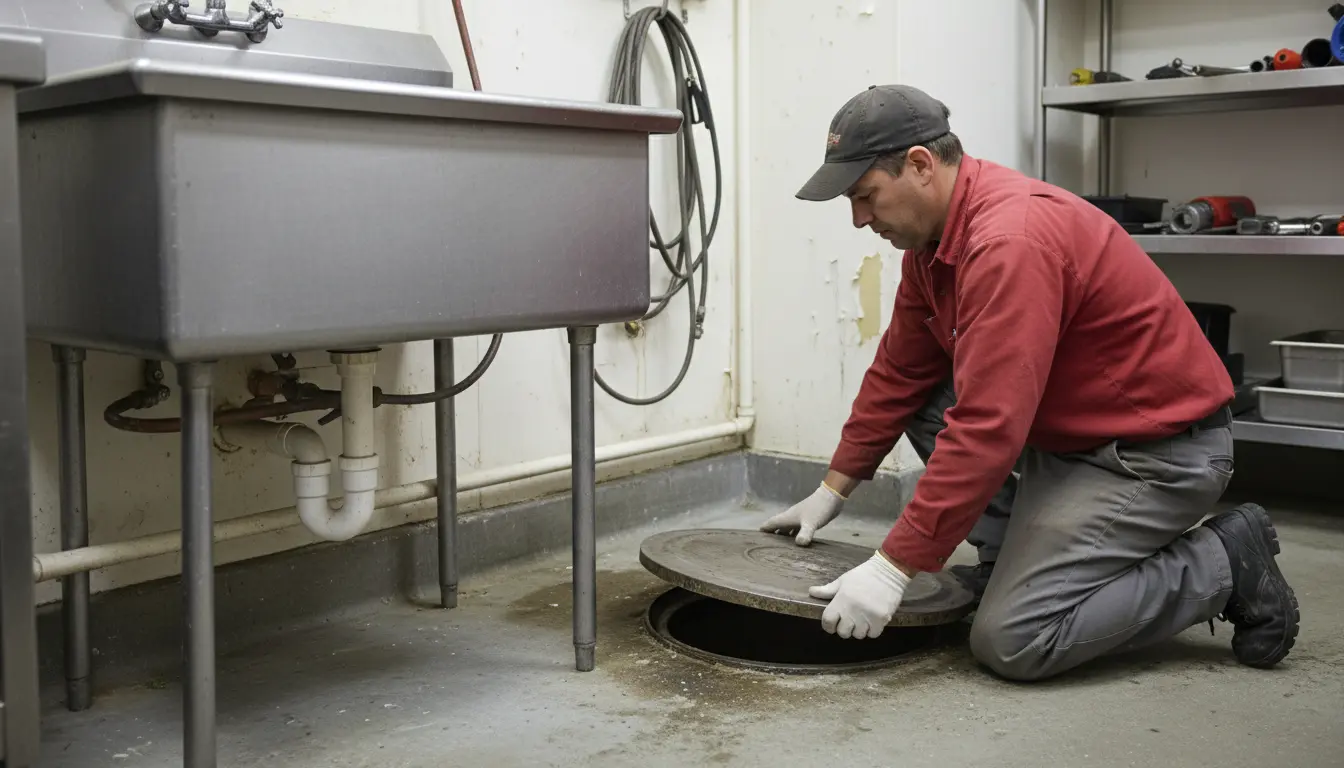
Find the Best Grease Trap Cleaning Companies for Your Business
No obligation • Fast responses • Nationwide coverage

Why you can trust Restaurant Waste Disposal
Restaurant Waste Disposal is a leading U.S. resource for comparing restaurant composting, food-waste recycling, grease trap cleaning, and used cooking oil collection services. Our editorial team researches providers, checks credentials, and organizes unbiased information so operators can make informed decisions. Companies cannot pay to change ratings or placement.
Search providers near you
Top Grease Trap Cleaning Companies in Chicago, Illinois Ranked
For any restaurant or food service establishment in Chicago, managing fats, oils, and grease (FOG) is not just a maintenance task-it's a legal requirement. The city enforces strict regulations on grease interceptors to protect the public sewer system from blockages and costly overflows. Compliance involves proper installation, regular pumping by licensed haulers, and meticulous record-keeping. Neglecting these duties can lead to severe backups, environmental damage, and significant fines from city inspectors. A proactive maintenance plan is essential for smooth operations and to avoid the high costs and stress of emergency situations.
Johnson Septic Service
7523 S 1st Line Rd, Kingsbury, IN 46345
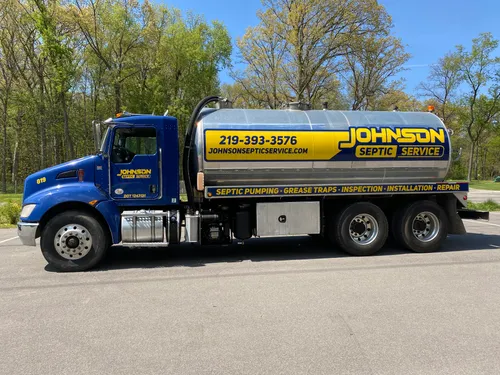
Johnson Septic Service provides septic and grease trap cleaning services in Chicago, IL. They offer septic pumping, grease trap pumping, inspections, repairs, and installations. The company also supplies bio-tabs to support septic system maintenance. Johnson Septic Service operates in the northwest Indiana area and is currently hiring Class B CDL drivers and septic technicians.
Kevin Szabo Jr Plumbing of Crestwood
Joliet, IL
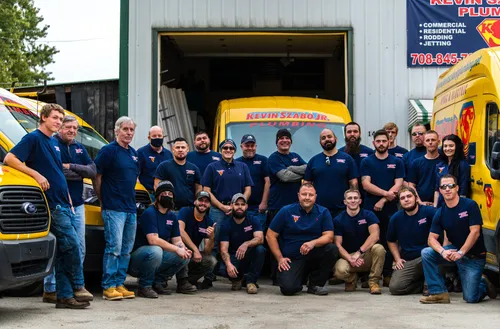
Kevin Szabo Jr Plumbing of Crestwood provides residential and commercial plumbing services throughout Joliet, IL, and the surrounding South Suburbs. The company offers a wide range of plumbing solutions including grease trap cleaning, water heater installation and repair, sump and ejector pump services, sewer line maintenance, and video camera sewer inspections. With over 50 years of experience, they serve communities such as Tinley Park, Orland Park, Oak Lawn, and more. They are licensed, bonded, and insured, and provide 24/7 emergency plumbing assistance to accommodate urgent needs.
Chicago Sewer Experts
4320 1st Ave Unit 108, Lyons, IL 60534
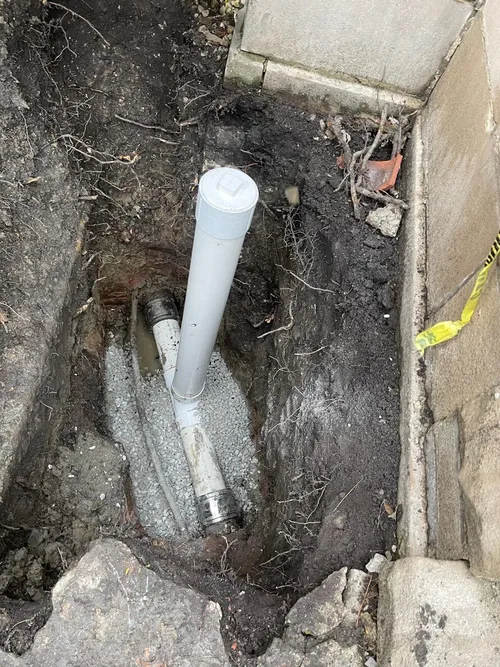
Chicago Sewer Experts provides residential and commercial plumbing and drain cleaning services in Chicago, IL. With over 20 years of experience, they specialize in emergency plumbing repairs, drain cleaning, hydro jetting, sewer camera inspections, grease trap services, and sump pump installation and repair. The company is available 24/7 for emergency plumbing needs and serves the greater Chicago area with licensed and insured contractors.
A&J Sewer Service
1055 Courtesy Dr, Wheeling, IL 60090
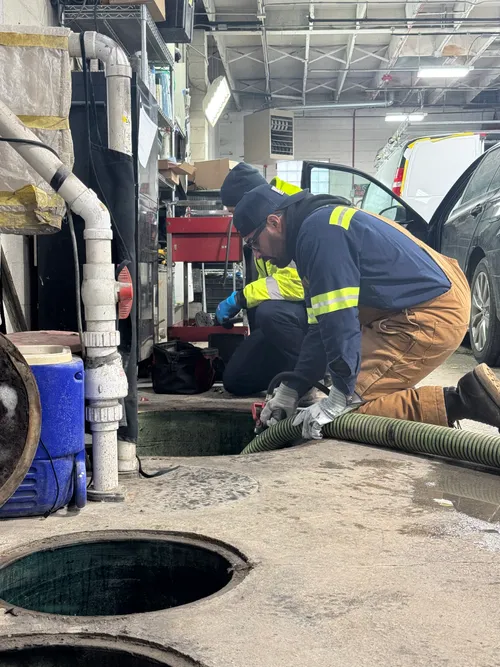
A&J Sewer Service provides grease trap cleaning and sewer system maintenance in Chicago, IL. They use advanced sewer televising technology to inspect sewer lines and offer services including sewer line cleanouts and sump pump installation and maintenance. Their grease trap cleaning services cater to food service businesses, helping prevent clogs and maintain compliance with health regulations. The company combines traditional methods with modern technology to support efficient sewer system operation and infrastructure longevity.
Chicago Grease Trap Cleaning
Chicago, IL
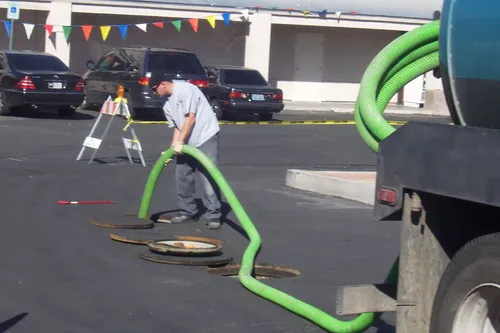
Chicago Grease Trap Cleaning provides professional grease trap and interceptor pumping and cleaning services in Chicago, IL, and the surrounding 30-mile radius. They serve a wide range of clients including restaurants, schools, residential, commercial, industrial, and manufacturing facilities. The company is a City of Chicago permitted transporter and specializes in maintaining compliance with local health and safety codes by keeping detailed service records. Their services include grease trap cleaning, pumping, and maintenance, with capabilities such as high-pressure hydro jet cleaning and environmentally responsible waste disposal. Chicago Grease Trap Cleaning offers flexible scheduling including early-hour and late-night services to minimize disruption to business operations.
Understanding Chicago's Grease Interceptor Mandates
Chicago's Municipal Code is explicit: all food preparation facilities must install and maintain approved grease control devices. This isn't a suggestion; it's a cornerstone of the city's wastewater management strategy. The regulations are designed to prevent FOG from entering the sewer mains, where it cools, solidifies, and creates massive blockages that can lead to sewage backups into streets and basements.
The code specifies that grease interceptors or automatic grease removal devices (AGRDs) are required for sinks, floor drains, dishwashers, and any other fixture that introduces FOG into the wastewater stream. It's important to note that garbage disposals are not a solution for grease and are often prohibited from discharging into these systems. The rules cover everything from the construction materials-requiring durable, corrosion-resistant, and watertight units-to accessibility, mandating specific cleanout and lid standards for outdoor interceptors 1.
Proper Installation and Sizing is Critical
A common pitfall for restaurant owners is installing an undersized grease trap. Sizing is not arbitrary; it must be adequate for the estimated wastewater volume and flow rate of your fixtures. An interceptor that is too small will fill too quickly, allowing grease to pass through and causing compliance failures, even with frequent pumping. Conversely, an oversized unit may not function efficiently. The sizing is often determined by plumbing codes and the specific capacity of the fixtures connected 2.
Installation must meet all Chicago building and health code specifications. This includes ensuring proper venting, sealed connections, and accessible location for service vehicles. Working with a knowledgeable provider during the planning phase can prevent costly revisions and ensure your system is compliant from day one 3 4.
The Non-Negotiable: Maintenance and Pumping Schedules
Once installed, regular maintenance is the law. The required pumping frequency for your grease interceptor is not a fixed city-wide schedule but depends on its size, the volume of your kitchen's output, and its efficiency. High-volume restaurants or those with undersized units may need service as often as monthly or quarterly, while well-sized systems or those equipped with AGRDs might extend the interval 5.
Waiting for a grease trap to be completely full is a recipe for disaster. Best practice is to pump the interceptor when it is between 25% and 33% full of FOG and solids. This prevents grease from escaping into the outlet pipe and ensures optimal performance. A reliable service provider can help you establish a tailored schedule based on a professional assessment of your operation 6 7.
Cost Considerations for Service
Understanding the cost structure helps in budgeting. For routine grease trap pumping in Chicago, restaurants can generally expect to pay between $225 and $400+ per service visit 8. Many providers offer discounted rates for customers who commit to a regular maintenance plan, which can provide significant savings and peace of mind.
The real financial danger lies in emergency service. A grease-related backup or a last-minute call before a city inspection can escalate costs dramatically. Emergency or after-hours pumping can range from $800 to $1,200 or more, not including potential fines or repair costs for damaged plumbing 9 10. Investing in consistent, scheduled maintenance is the most effective way to avoid these punitive expenses.
Find the perfect grease trap cleaning companies for your needs
Get personalized recommendations and expert advice
Record-Keeping: Your Paper Trail of Compliance
In Chicago, maintaining your grease interceptor is only half the battle; you must also prove it. The city mandates that restaurant owners keep detailed maintenance logs for a minimum of three years. These records must be readily available for inspection and should include:
- The date and time of each service.
- The volume of grease and solids removed (in gallons).
- The name and license number of the hauler company.
- The disposal method and destination of the waste.
Failure to produce these records during a city inspection is itself a violation. This log is your primary defense against fines, proving due diligence in maintaining your system.
Navigating Inspections and Avoiding Penalties
City inspectors have the right-of-entry to your establishment to verify compliance with grease interceptor regulations 11. Inspections can be scheduled or surprise, often triggered by complaints or sewer line issues in the area. They will check the physical condition of the interceptor, review your maintenance logs, and ensure waste is being handled by a licensed hauler.
Penalties for non-compliance are severe. Violations can result in substantial fines, and each day the violation persists may be considered a separate offense 12 13. Beyond fines, chronic non-compliance can lead to more drastic enforcement actions, including operational restrictions. The reputational damage of being cited for health or environmental violations can be even more costly to a restaurant.
Choosing a Licensed and Reputable Service Provider
This is one of the most important decisions for compliance. Always hire a licensed grease hauler. Licensed haulers are authorized to transport and dispose of FOG waste at approved facilities, ensuring the environmental chain of custody is complete and legal. Using an unlicensed service puts you at risk, as improper disposal can still be traced back to your business.
Look for providers with experience serving Chicago's specific regulatory landscape. They should understand local codes, provide detailed service reports perfect for your logbook, and offer guidance on optimizing your maintenance schedule. A good partner acts as an extension of your team, helping you navigate compliance effortlessly.
Proactive Tips for Restaurant Managers
- Audit Your System: Know the size, location, and condition of all your grease interceptors.
- Establish a Relationship: Partner with a licensed hauler for scheduled maintenance, not just emergency calls.
- Train Your Staff: Educate kitchen staff on best practices to minimize FOG going down drains (e.g., scraping plates, using dry wipe methods).
- Digitize Records: Consider using a digital log or service management platform to track maintenance effortlessly.
- Plan for Inspections: Have a folder (physical or digital) with all service records, hauler licenses, and interceptor specifications always ready.
Frequently asked questions
Sources
Footnotes
-
Ill. Admin. Code tit. 77, § 890.510 - Grease Interceptor Requirements - https://www.law.cornell.edu/regulations/illinois/Ill-Admin-Code-tit-77-SS-890.510 ↩
-
18-29-1003.3.3 Grease interceptors and discharge. - https://codelibrary.amlegal.com/codes/chicago/c7209359-81de-4059-a679f6a211f04dea/chicagobuilding_il/0-0-0-357882 ↩
-
18-29-1003.3 Grease interceptors. - https://codelibrary.amlegal.com/codes/chicago/latest/chicago_il/0-0-0-2692634 ↩
-
Grease Trap Cleaning Chicago - tierra-environmental - https://tierra-environmental.com/grease-trap-cleaning-chicago-582262/ ↩
-
Goslyn™ fully automatic grease interceptors - http://www.goslyn.ca/case-studies/foodservice-operators/ ↩
-
Chicago's Complete Grease Trap Cleaning & Maintenance ... - https://www.myshyft.com/blog/grease-trap-cleaning-chicago-illinois/ ↩
-
Grease Trap Cleaning Prices | Guide on the Industry Average - https://grease-cycle.com/grease-trap-pumping-cost/ ↩
-
How Much Does it Cost to Clean a Grease Trap Professionally? - https://www.jsewerandplumbing.com/how-much-does-it-cost-to-clean-a-grease-trap-professionally/ ↩
-
Ultimate Grease Trap Pumping Cost Guide: Essential Money-Saving ... - https://www.texwaywastewater.com/grease-trap-pumping-cost/ ↩
-
Grease Trap Pumping East Chicago, IN | Tierra Environmental - https://tierra-environmental.com/grease-trap-pumping-east-chicago-in/ ↩
-
The Role of Grease Interceptors in Chicago Restaurants - https://evergreengrease.com/posts/grease-interceptors-compliance-efficiency ↩
-
§ 51.020 GREASE INTERCEPTOR AND GREASE TRAP ... - https://codelibrary.amlegal.com/codes/mountvernonil/latest/mtvernon_il/0-0-0-2244 ↩
-
Sec. 11-92. Grease Trap/Interceptor Requirements: - https://codelibrary.amlegal.com/codes/justice/latest/justice_il/0-0-0-8923 ↩