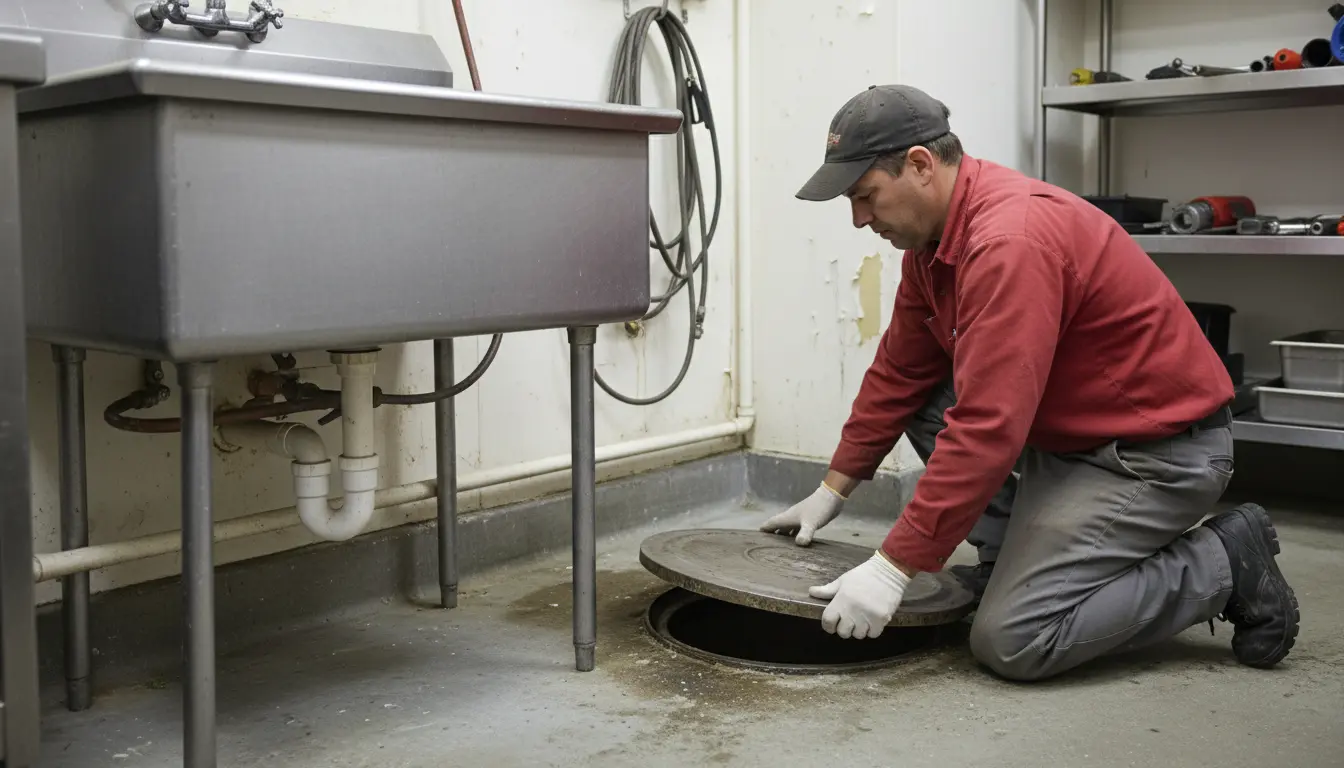
Find the Best Grease Trap Cleaning Companies for Your Business
No obligation • Fast responses • Nationwide coverage

Why you can trust Restaurant Waste Disposal
Restaurant Waste Disposal is a leading U.S. resource for comparing restaurant composting, food-waste recycling, grease trap cleaning, and used cooking oil collection services. Our editorial team researches providers, checks credentials, and organizes unbiased information so operators can make informed decisions. Companies cannot pay to change ratings or placement.
Search providers near you
Top Grease Trap Cleaning Companies in Champaign, Illinois Ranked
For restaurant owners and facility managers in Champaign, maintaining a clean and compliant grease interceptor is a critical, non-negotiable aspect of daily operations. These systems are your first line of defense against costly sewer blockages, unpleasant odors, and significant regulatory fines. In Champaign, adherence to the Illinois Plumbing Code and local ordinances is enforced by the Champaign-Urbana Public Health District (CUPHD), making a proactive and documented maintenance schedule essential for your business's smooth operation and reputation. Understanding the requirements, costs, and best practices for grease trap service is key to protecting your investment and the local sewer infrastructure.
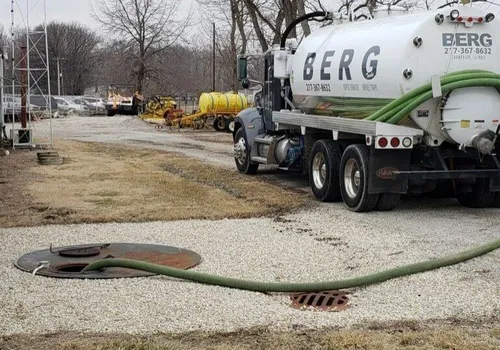
Berg Tanks
210 E Leverett Rd, Champaign, IL 61822
Berg Tanks is a septic service company based in Champaign, IL, serving homeowners and businesses throughout the area. They offer a range of septic services including grease trap cleaning, routine maintenance, and emergency repairs. With over 30 years of experience, Berg Tanks also provides additional products such as storm shelters and hunting blinds. Their expertise includes septic installation and system care, ensuring reliable operation for their clients.
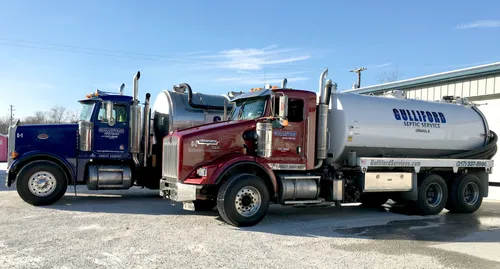
Gulliford Septic and Sewer
2903 Tatman Ct, Urbana, IL 61802
Gulliford Septic and Sewer is a grease trap cleaning company based in Champaign, IL. They provide grease trap cleaning services to help maintain proper waste management for local businesses. Customers have noted positive interactions with both the office staff and service technicians.
Understanding Champaign's Grease Interceptor Regulations
Compliance begins with knowing the rules. In Illinois, grease trap and interceptor requirements are governed by the state's Plumbing Code (77 Ill. Admin. Code § 890.510). These regulations mandate that food service establishments install properly sized grease interceptors to prevent fats, oils, and grease (FOG) from entering the public sewer system. The code specifies that interceptors must be easily accessible for inspection, cleaning, and maintenance, and strictly prohibits the disposal of food solids into them. Local ordinances in Champaign reinforce these state standards, and the CUPHD is the primary agency responsible for ensuring food service establishments comply during their regular sanitation inspections.
Failure to comply isn't just a minor infraction. Violations can lead to substantial penalties. While specific fine amounts can vary, municipalities in Illinois can impose fines for each offense, with some jurisdictions charging up to $750 per violation. In severe cases of non-compliance or repeat offenses, regulators can place liens on a business or even mandate closure until the issues are rectified. The risk extends beyond fines; a severely clogged interceptor can cause sewage backups, leading to expensive emergency plumbing repairs, health hazards, and operational downtime.
The Role of the Champaign-Urbana Public Health District (CUPHD)
The CUPHD conducts the food service inspections that include a review of your grease management practices. Their inspection frequency is based on your establishment's food safety risk category 1:
- Category 1 (Highest Risk): Inspected three or more times per year.
- Category 2 (Medium Risk): Inspected at least once per year.
- Category 3 (Lowest Risk): Inspected at least once every two years.
During an inspection, an environmental health specialist will check your grease interceptor for proper function, capacity, and evidence of regular maintenance. This is where your documentation becomes your best defense. You should maintain detailed records of every grease trap pumping and cleaning service for a minimum of three years 2. A complete service record includes invoices from your service provider, logs of the date and volume of waste removed, and even before-and-after photos. This paperwork provides tangible proof of your compliance and due diligence.
Determining Your Grease Trap Pumping Schedule
How often you need professional grease interceptor cleaning depends almost entirely on your volume of operation. There is no universal schedule, but guidelines are clear. High-volume restaurants, especially those serving fried foods, may require service as often as every month. Moderate-volume establishments might find a quarterly schedule sufficient, while some lower-output kitchens may manage with service every few months. The key is to never let the interceptor become more than 25% full of accumulated FOG, as efficiency drops sharply beyond that point.
Your service provider can help you establish an optimal schedule after an initial assessment. They will consider factors like the size of your trap (common commercial sizes range from 30 to 200 gallons), your weekly cooking oil usage, and the type of food you prepare. Sticking to a preventative maintenance schedule is far more cost-effective and reliable than waiting for an emergency. A neglected trap will require more labor-intensive cleaning, potentially incur higher disposal fees due to solidified waste, and almost always costs more than a routine service call 3.
Cost of Professional Grease Trap Cleaning in Champaign
Investing in regular maintenance is a predictable operating cost that pales in comparison to the expense of fines or repairs. In the Champaign area, pricing for grease trap pumping is influenced by the trap's size, location, and your service agreement.
- Preventative Maintenance Contracts: For restaurants on a regular, scheduled service plan (e.g., monthly or quarterly), the cost per pump-out typically ranges from approximately $175 to $225 4. This price generally includes pumping out the contents, a basic inspection of the unit, and providing you with a service invoice for your records.
- One-Time or Emergency Service: If you call for a single, unscheduled service or have let maintenance lapse, prices are higher. You can expect costs starting around $190 to $240, and they can easily reach $250 to $400 or more if the trap is heavily clogged, difficult to access, or requires after-hours service 5 6 7.
Find the perfect grease trap cleaning companies for your needs
Get personalized recommendations and expert advice
Best Practices for Grease Trap Management
Professional cleaning is essential, but what your staff does daily has a massive impact on your interceptor's health and your maintenance costs. Implementing simple kitchen best practices can extend the time between service calls and improve overall efficiency.
Train Your Staff on Proper Scraping: The single most effective practice is to ensure all dishware, pots, and pans are thoroughly scraped of food solids into a trash or compost bin before being rinsed or placed in a dishwasher. Food solids accelerate the filling of your trap and can lead to clogs 8 9.
Avoid "Miracle" Products: Be wary of chemical or biological additives that claim to dissolve grease. The Illinois Plumbing Code and many local regulations prohibit the reintroduction of grease or chemicals into the interceptor 10 11. These products often simply move the grease problem further down the sewer line, where it can congeal and cause blockages, potentially making your business responsible for municipal repair costs.
Maintain Clear Access: Ensure the lid to your grease interceptor is always easily accessible. Service providers need clear, safe access to perform their work efficiently. Obstructed access can lead to higher service charges and delays.
Monitor and Document: Assign a manager to visually check the interceptor periodically and note any signs of slow drainage or odor. Coupled with your professional service reports, this internal log helps you spot issues early and demonstrates a culture of compliance.
Consequences of Neglect: Beyond the Fine
The repercussions of ignoring grease trap maintenance are layered and severe. The first and most direct consequence is a violation from the CUPHD, resulting in a fine and a requirement to immediately clean the trap. If the interceptor overflows or causes a sewer backup, you face:
- Emergency Service Fees: Same-day or after-hours pumping commands a premium price.
- Plumbing Repairs: Clearing blocked interior drain lines can be expensive.
- Health Hazard & Closure: An overflow creates unsanitary conditions that could force a temporary shutdown by health authorities.
- Municipal Surcharges: If your FOG contributes to a sewer main blockage, the city may levy significant cleanup charges against your business.
- Environmental Damage: In extreme cases, spills can reach local waterways, leading to even heavier penalties and reputational damage.
A proactive, documented approach to grease interceptor maintenance is not just a regulatory hoop to jump through-it's a fundamental component of responsible and sustainable restaurant management in Champaign.
Frequently asked questions
Sources
Footnotes
-
Food Service Sanitation Rules and Regulations - https://www.c-uphd.org/documents/eh/food_service_sanitation_rr_co.pdf ↩
-
Grease Trap Regulations and Compliance: What You Need to ... - https://www.texwaywastewater.com/grease-trap-regulations-and-compliance/ ↩
-
Grease Trap Pumping | Chicagoland - https://www.apgreasetrappers.com/grease-trap-pumping ↩
-
Grease Trap Cleaning Prices | Guide on the Industry Average - https://grease-cycle.com/grease-trap-pumping-cost/ ↩
-
How to Clean a Grease Trap (and How Often You Should) - https://greaseconnections.com/how-to-clean-a-grease-trap-and-how-often-you-should/ ↩
-
The Cost To Clean A Grease Trap For Restaurants - https://thegreasecompany.com/blog/greasetrapcleaningcost/ ↩
-
Portland Grease Trap Maintenance: Essential Guide For Facility Managers - myshyft.com - https://www.myshyft.com/blog/grease-trap-cleaning-portland-oregon/ ↩
-
The Ultimate Guide to Restaurant Grease Trap Cleaning: Smart Solutions for Commercial Kitchens - Mokher Plumbing - https://mokherplumbing.com/ultimate-guide-restaurant-grease-trap-cleaning/ ↩
-
Ill. Admin. Code tit. 77, § 890.510 - Grease Interceptor Requirements - https://www.law.cornell.edu/regulations/illinois/Ill-Admin-Code-tit-77-SS-890.510 ↩
-
Sec. 11-92. Grease Trap/Interceptor Requirements: - https://codelibrary.amlegal.com/codes/justice/latest/justice_il/0-0-0-8923 ↩
-
DPH 77 ILLINOIS ADMINISTRATIVE CODE 890 SUBCHAPTER r (T ... - http://www.idph.state.il.us/envhealth/pdf/SOS%20Official%20Version%20Part%20890%20Plumbing%20Code%20Standard%20Paper%205%2030%2014.pdf ↩