Find the Best Grease Trap Cleaning Companies for Your Business
No obligation • Fast responses • Nationwide coverage

Why you can trust Restaurant Waste Disposal
Restaurant Waste Disposal is a leading U.S. resource for comparing restaurant composting, food-waste recycling, grease trap cleaning, and used cooking oil collection services. Our editorial team researches providers, checks credentials, and organizes unbiased information so operators can make informed decisions. Companies cannot pay to change ratings or placement.
Search providers near you
Top Grease Trap Cleaning Companies in Joliet, Illinois Ranked
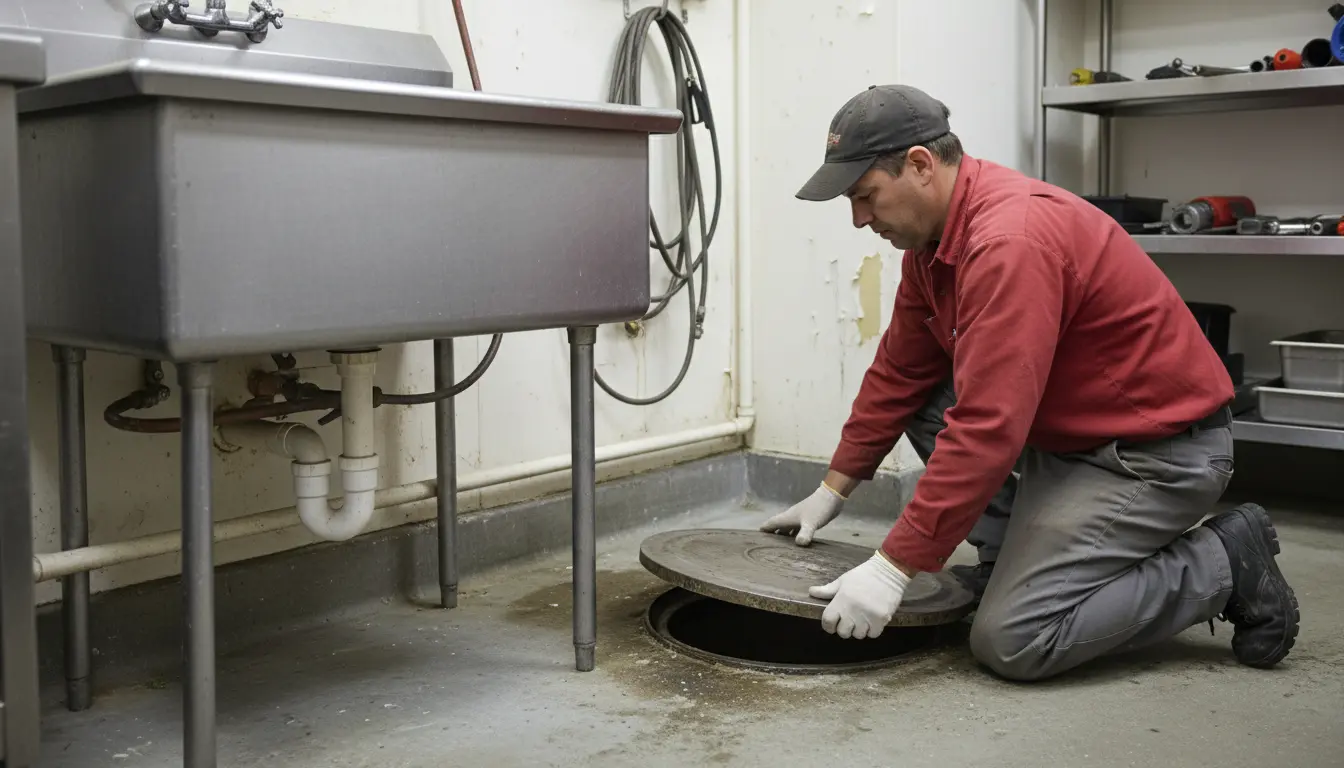
For restaurant owners and kitchen managers in Joliet, maintaining your grease interceptor isn't just a messy chore-it's a critical legal and operational requirement. The Illinois Plumbing Code mandates that all food preparation facilities install and properly maintain these devices to prevent fats, oils, and grease (FOG) from entering the municipal sewer system. Failure to comply can lead to severe consequences, including hefty fines, emergency service calls, and even business suspension. This guide outlines what you need to know about grease trap and interceptor maintenance, local code specifics, and how to develop a reliable service plan to keep your kitchen running smoothly and in full compliance.
Regular grease interceptor pumping is the cornerstone of an effective FOG management program. In Joliet, as in much of Illinois, the frequency of cleaning is not a one-size-fits-all schedule but is typically determined by the volume of grease your kitchen produces. Many establishments find that monthly or quarterly service is necessary to prevent dangerous buildup. Keeping detailed records of every pump-out, including receipts and service reports, is not just good practice-it's your first line of defense during a city inspection. Proper documentation demonstrates due diligence and can be the difference between a pass and a costly violation 1 2.
Kevin Szabo Jr Plumbing of Crestwood
Joliet, IL
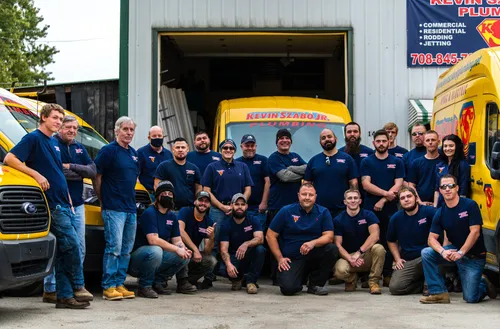
Kevin Szabo Jr Plumbing of Crestwood provides residential and commercial plumbing services throughout Joliet, IL, and the surrounding South Suburbs. The company offers a wide range of plumbing solutions including grease trap cleaning, water heater installation and repair, sump and ejector pump services, sewer line maintenance, and video camera sewer inspections. With over 50 years of experience, they serve communities such as Tinley Park, Orland Park, Oak Lawn, and more. They are licensed, bonded, and insured, and provide 24/7 emergency plumbing assistance to accommodate urgent needs.
Chicago Sewer Experts
4320 1st Ave Unit 108, Lyons, IL 60534
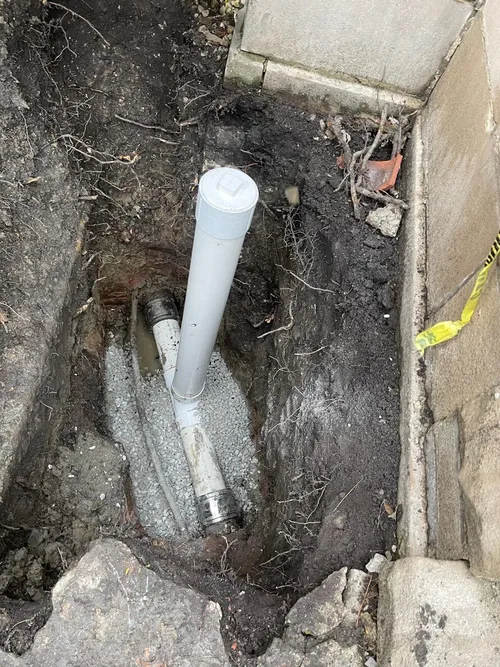
Chicago Sewer Experts provides residential and commercial plumbing and drain cleaning services in Chicago, IL. With over 20 years of experience, they specialize in emergency plumbing repairs, drain cleaning, hydro jetting, sewer camera inspections, grease trap services, and sump pump installation and repair. The company is available 24/7 for emergency plumbing needs and serves the greater Chicago area with licensed and insured contractors.
Chicago Grease Trap Cleaning
Chicago, IL
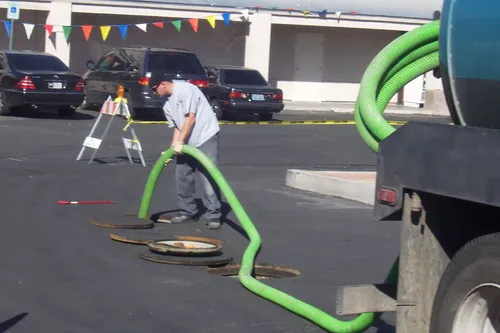
Chicago Grease Trap Cleaning provides professional grease trap and interceptor pumping and cleaning services in Chicago, IL, and the surrounding 30-mile radius. They serve a wide range of clients including restaurants, schools, residential, commercial, industrial, and manufacturing facilities. The company is a City of Chicago permitted transporter and specializes in maintaining compliance with local health and safety codes by keeping detailed service records. Their services include grease trap cleaning, pumping, and maintenance, with capabilities such as high-pressure hydro jet cleaning and environmentally responsible waste disposal. Chicago Grease Trap Cleaning offers flexible scheduling including early-hour and late-night services to minimize disruption to business operations.

A&P Grease Trappers, Inc
801 N Raddant Rd, Batavia, IL 60510
A&P Grease Trappers, Inc is a family-owned business serving Aurora, IL, and the Chicagoland area since 2006. They specialize in grease trap cleaning, fryer oil recycling and buy-back, drain and sewer cleaning, septic tank pumping, and RPZ testing. Their licensed professionals use modern equipment to maintain compliance and ensure efficient operations for restaurants, businesses, and municipalities. The company offers 24-hour emergency services with a commitment to respond within one hour for urgent needs.
Understanding Joliet and Illinois Code Requirements
Compliance starts with proper installation and understanding the rules. Under the Illinois Plumbing Code (77 Ill. Adm. Code 890), grease interceptors must be accessible for service, have durable and watertight covers, and be properly vented. Local ordinances, such as those enforced by Joliet's Public Works or Health Department, provide additional layers of regulation. It's crucial to know that the code explicitly prohibits certain practices that can render your interceptor ineffective or cause direct harm to the plumbing system.
Key prohibitions include connecting food waste disposals to the interceptor line and discharging water hotter than 140°F into the trap, as high temperatures can liquefy grease and allow it to pass through the device only to solidify later in your pipes 3. Furthermore, only wastewater from grease-producing activities should flow into the interceptor; connecting other sources dilutes its effectiveness. The interceptor itself must be constructed of corrosion-resistant material and include features like sampling ports for inspection purposes 4 5.
The High Cost of Non-Compliance
Ignoring grease trap maintenance is a financially risky decision. Local authorities conduct regular inspections, and the frequency can increase for businesses with a history of violations or high FOG output 6. When an inspector finds an overfull or improperly maintained interceptor, the resulting fines can be substantial, often starting at $750 or more per offense in various Illinois municipalities 7 8. These penalties are designed to incentivize proactive maintenance, as the alternative-a sewer line backup or sanitary sewer overflow-carries environmental penalties and repair costs that are exponentially higher.
Beyond fines, neglect leads to much more expensive service calls. A routine pump-out for a well-maintained, accessible trap in the Chicagoland area typically ranges from $175 to $475 9 10. However, an emergency clean-out for a severely neglected, clogged, or inaccessible interceptor can easily cost triple the normal rate or more 11. This doesn't include the potential cost of business interruption if you must close your kitchen for repairs. Proactive, scheduled maintenance is always the most cost-effective path.
Building a Reliable Maintenance Routine
A successful maintenance strategy involves more than just calling a pumper when you remember. First, ensure you hire a licensed and insured grease trap cleaning service. A reputable provider will not only perform the pump-out but will also supply you with the necessary documentation, including manifests and waste disposal receipts, which are essential for your compliance records 12.
Second, maintain a dedicated logbook. This should include the date of each service, the name of the service company, the volume of waste removed, and any observations or recommendations made by the technician. Keeping photos before and after cleaning can also be helpful. This logbook should be readily available for any inspector 13.
Finally, know your system. Understand the capacity of your interceptor, its location, and its access points. Communicate with your service provider about any changes in your menu or volume that might affect grease production. Establishing a regular service schedule based on your actual usage, rather than waiting for problems to arise, is the best way to ensure uninterrupted operations.
Find the perfect grease trap cleaning companies for your needs
Get personalized recommendations and expert advice
Choosing the Right Service Provider in Will County
Not all grease trap services are created equal. When selecting a provider in the Joliet area, look for companies with specific experience in commercial food service compliance. They should be familiar with both the Illinois state code and any local Joliet or Will County ordinances. Key questions to ask include whether they are fully licensed and insured for this type of waste hauling, how they document and dispose of the collected FOG (it should be taken to a licensed rendering facility or wastewater treatment plant), and if they offer service reminders or logbook maintenance.
A good provider acts as a partner in your compliance efforts. They should be able to advise on optimal cleaning frequency based on their observations of your trap's condition over time and alert you to potential issues, like damaged covers or failing baffles, before they become violations. Their service report should be detailed enough to satisfy an inspector's scrutiny.
Beyond the Trap: Comprehensive Kitchen Best Practices
While professional interceptor cleaning is mandatory, what happens in your kitchen daily significantly impacts how quickly it fills. Implementing simple best practices can extend time between service calls and improve overall plumbing health. Train staff to scrape all food solids into compost or trash before washing dishes. Use sink strainers to catch particles and empty them into the trash, not the drain. Consider installing under-sink grease removal devices, like grease pots, at dish stations to capture grease before it reaches the main interceptor.
Avoid pouring any cooking oils or melted grease down the drain, no matter how liquid it seems. Instead, collect it in a sealed container for recycling by a used cooking oil collection service. These practices reduce the load on your primary interceptor, lower your maintenance costs, and demonstrate a comprehensive commitment to proper FOG management, which inspectors will note positively.
Frequently asked questions
Sources
Footnotes
-
The Ultimate Guide to Restaurant Grease Trap Cleaning: Smart Solutions for Commercial Kitchens - Mokher Plumbing - https://mokherplumbing.com/ultimate-guide-restaurant-grease-trap-cleaning/ ↩
-
Chicago's Complete Grease Trap Cleaning & Maintenance ... - https://www.myshyft.com/blog/grease-trap-cleaning-chicago-illinois/ ↩
-
Ill. Admin. Code tit. 77, § 890.510 - Grease Interceptor Requirements - https://www.law.cornell.edu/regulations/illinois/Ill-Admin-Code-tit-77-SS-890.510 ↩
-
GREASE TRAPS - Lombard, IL - https://www.villageoflombard.org/DocumentCenter/View/9084/Grease-Trap-Handout ↩
-
§ 51.016 GREASE INTERCEPTOR OR TRAP REQUIREMENTS. - https://codelibrary.amlegal.com/codes/mountvernonil/latest/mtvernon_il/0-0-0-2192 ↩
-
The Role of Grease Interceptors in Chicago Restaurants - https://evergreengrease.com/posts/grease-interceptors-compliance-efficiency ↩
-
Sec. 11-92. Grease Trap/Interceptor Requirements: - https://codelibrary.amlegal.com/codes/justice/latest/justice_il/0-0-0-8923 ↩
-
Grease Traps for Restaurants: The Essential Guide - https://therestaurantwarehouse.com/blogs/restaurant-equipment/grease-trap-for-restaurant-guide ↩
-
The Cost To Clean A Grease Trap For Restaurants - https://thegreasecompany.com/blog/greasetrapcleaningcost/ ↩
-
Restaurant Grease Trap & Interceptor Cleaning Cost - https://greasemanagement.org/pricing.html ↩
-
Grease Trap Cleaning Prices | Guide on the Industry Average - https://grease-cycle.com/grease-trap-pumping-cost/ ↩
-
Grease Trap Pumping | Chicagoland - https://www.apgreasetrappers.com/grease-trap-pumping ↩
-
Grease Trap Restaurant: The Essential Guide - https://therestaurantwarehouse.com/blogs/restaurant-equipment/grease-trap-restaurant-guide ↩