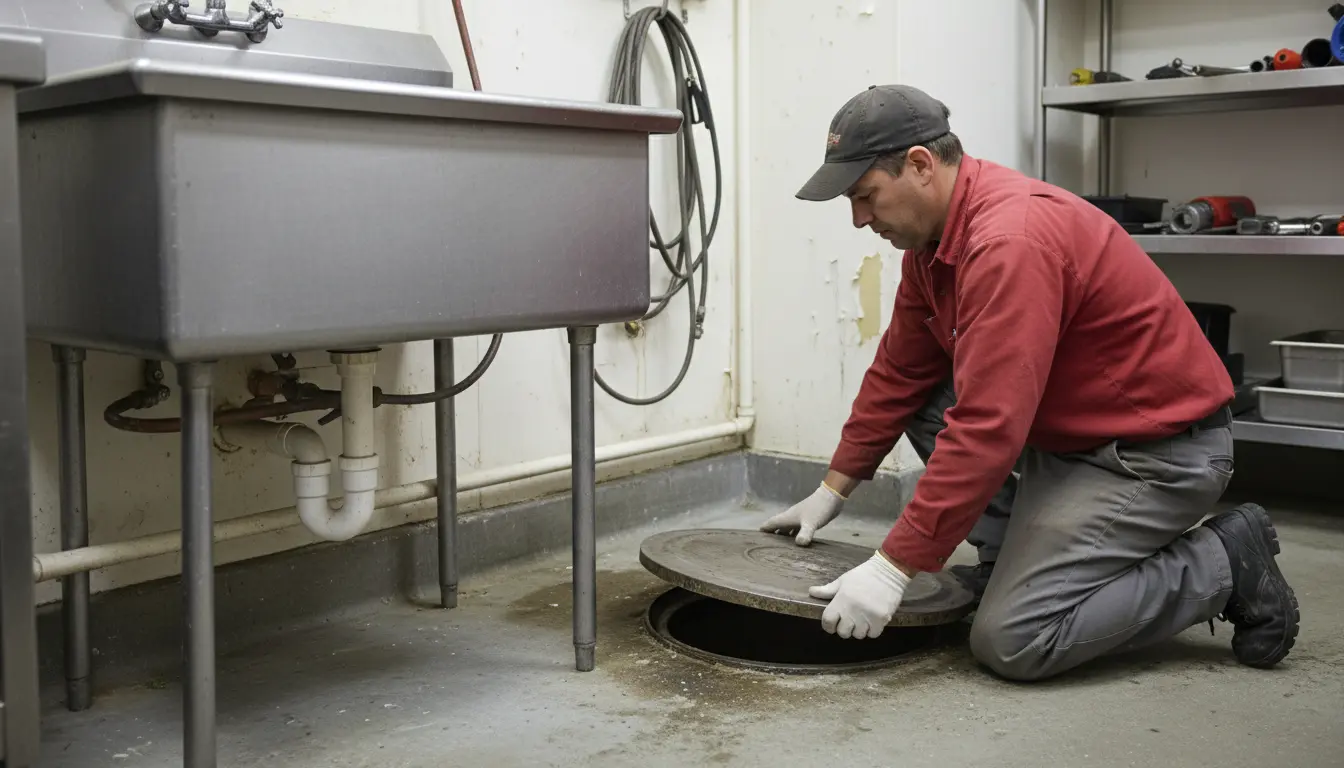
Find the Best Grease Trap Cleaning Companies for Your Business
No obligation • Fast responses • Nationwide coverage

Why you can trust Restaurant Waste Disposal
Restaurant Waste Disposal is a leading U.S. resource for comparing restaurant composting, food-waste recycling, grease trap cleaning, and used cooking oil collection services. Our editorial team researches providers, checks credentials, and organizes unbiased information so operators can make informed decisions. Companies cannot pay to change ratings or placement.
Search providers near you
Best Grease Trap Cleaning Companies in Illinois Ranked
For any food service establishment in Illinois, from Chicago diners to downstate cafes, proper grease trap cleaning is a non-negotiable part of daily operations. It's a critical practice for maintaining public health, ensuring environmental compliance, and protecting your plumbing and municipal sewer systems from costly blockages. Illinois regulations are a mix of state guidelines and stringent local municipal codes, making it essential for business owners to understand and adhere to the specific rules in their city or village. This guide outlines the key requirements, best practices, and practical steps for maintaining compliance and operational efficiency.
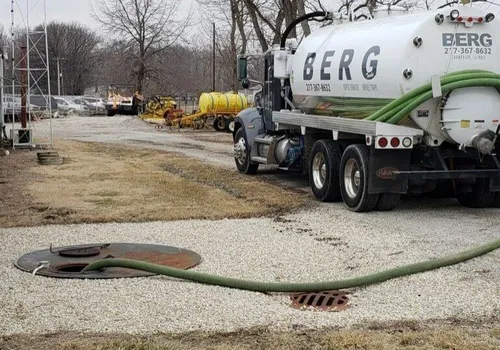
Berg Tanks
210 E Leverett Rd, Champaign, IL 61822
Berg Tanks is a septic service company based in Champaign, IL, serving homeowners and businesses throughout the area. They offer a range of septic services including grease trap cleaning, routine maintenance, and emergency repairs. With over 30 years of experience, Berg Tanks also provides additional products such as storm shelters and hunting blinds. Their expertise includes septic installation and system care, ensuring reliable operation for their clients.
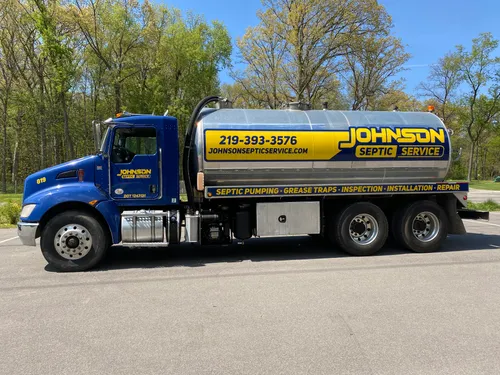
Johnson Septic Service
7523 S 1st Line Rd, Kingsbury, IN 46345
Johnson Septic Service provides septic and grease trap cleaning services in Chicago, IL. They offer septic pumping, grease trap pumping, inspections, repairs, and installations. The company also supplies bio-tabs to support septic system maintenance. Johnson Septic Service operates in the northwest Indiana area and is currently hiring Class B CDL drivers and septic technicians.
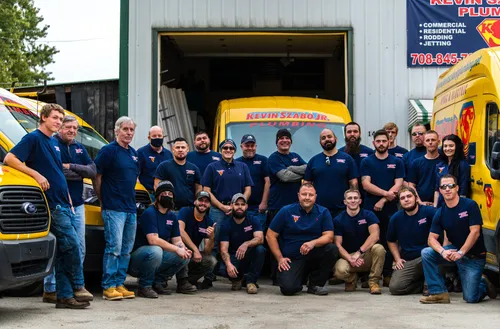
Kevin Szabo Jr Plumbing of Crestwood
Joliet, IL
Kevin Szabo Jr Plumbing of Crestwood provides residential and commercial plumbing services throughout Joliet, IL, and the surrounding South Suburbs. The company offers a wide range of plumbing solutions including grease trap cleaning, water heater installation and repair, sump and ejector pump services, sewer line maintenance, and video camera sewer inspections. With over 50 years of experience, they serve communities such as Tinley Park, Orland Park, Oak Lawn, and more. They are licensed, bonded, and insured, and provide 24/7 emergency plumbing assistance to accommodate urgent needs.
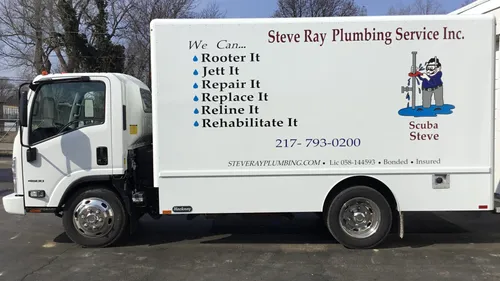
Steve Ray Plumbing Service Inc.
1501 E Griffiths Ave, Springfield, IL 62702
Steve Ray Plumbing Service Inc. is a plumbing company based in Springfield, IL, offering a wide range of residential and commercial plumbing services. Their expertise includes plumbing repairs, water heater installation and maintenance, sewer services, and septic system care, including grease trap cleaning. With over 20 years of experience, they provide skilled technicians equipped for same-day and emergency services, available day or night. They also specialize in cured-in-place pipe lining as a cost-effective sewer repair method.
Zeschke Septic Cleaning
2408 Greyhound Rd, Bloomington, IL 61704
Zeschke Septic Cleaning provides septic system and grease trap cleaning services in Bloomington, IL. With over 20 years of experience since 2002, they offer sewer cleaning and grease trap maintenance, including sludge and kitchen waste removal. The company also provides 24/7 emergency services for urgent needs.
Understanding Illinois Grease Trap Regulations
In Illinois, grease interceptor management is primarily governed at the local level. While there are overarching principles, each municipality-from Lake Zurich to Justice to Mt. Vernon-has its own adopted code with specific stipulations 1 2 3. Non-compliance can result in significant penalties, including fines that can exceed $1,000 per violation, liens on property, or even operational closure 2. The core regulatory pillars include:
- Regular Cleaning and Pumping: Local codes mandate cleaning at frequencies that prevent the accumulation of fats, oils, and grease (FOG) and solids. This is often based on the "25% rule," which requires pumping when the combined volume of FOG and solids reaches 25% of the trap's capacity 4.
- Proper Waste Disposal: All collected grease and solids must be disposed of by a licensed waste hauler at an approved facility. It is strictly prohibited to reintroduce skimmed water back into the interceptor or to discharge sludge into sewers or drains 5.
- Meticulous Record-Keeping: Establishments are required to maintain detailed records, often called manifests or logs, for a minimum of two to three years. These documents must be available for inspection and typically include the date of service, volume of waste removed, the hauler's information, and the disposal destination.
- Staff Training: Many local ordinances require formal training for kitchen staff on FOG best practices. For example, some codes mandate training within 90 days of hire and refresher courses twice per year.
Determining Cleaning Frequency and Scheduling
There is no one-size-fits-all schedule. The required frequency for grease interceptor service is dictated by your local municipal code and the actual usage of your kitchen.
- Local Code Mandates: Many Illinois municipalities specify minimum cleaning intervals, such as monthly, quarterly, or semi-annually. High-volume establishments or those with specific cooking processes may be required to service traps more frequently.
- The 25% Rule: This common standard requires pumping before FOG and solids occupy more than one-quarter of the trap's total volume. A licensed professional can measure this during inspection 6 7.
- Operational Factors: A restaurant specializing in fried foods will naturally fill its trap faster than a sandwich shop. Monitoring and adjusting your schedule based on actual accumulation is key to avoiding violations 8.
Establishing a proactive, documented service schedule with a licensed hauler is the most reliable way to meet these variable requirements.
Installation, Permitting, and Design Standards
Before a new grease interceptor is installed or an existing one is modified, local approval is almost always required. The permitting process ensures the unit is correctly sized and placed for both effectiveness and accessibility.
- Local Approval: You must contact your village or city's public works, building, or health department to obtain the necessary permits for installation 9.
- Proper Sizing: Interceptors must be sized based on the anticipated flow from the kitchen and the type of fixtures connected. An undersized trap will fail quickly, leading to immediate compliance issues.
- Design Specifications: Codes specify design features for accessibility and function, including requirements for 24-inch access manholes at grade level, proper baffling to separate FOG, and pre-screening of solids 10.
Find the perfect grease trap cleaning companies for your needs
Get personalized recommendations and expert advice
Costs and Service Expectations
The cost for professional grease trap cleaning in Illinois varies widely, typically ranging from $100 to over $500 per service 11. Several factors influence the final price:
- Trap Size and Type: Pumping a large, in-ground interceptor is more labor and equipment-intensive than servicing a small under-sink grease trap.
- Service Frequency: Contracts for monthly service may have a different per-visit cost compared to one-time or emergency calls.
- Location and Accessibility: Establishments in dense urban areas like Chicago or with difficult-to-access trap locations may see higher service charges.
- Scope of Service: A comprehensive service should include full pumping, inspection of baffles and gaskets, checking inlet/outlet pipes, and providing the detailed manifest for your records 12.
Best Practices for Ongoing Compliance and Maintenance
Beyond scheduled pumping, daily habits in your kitchen are your first line of defense.
- Know Your Local Code: Your single most important step is to contact your local city hall or public works department. Obtain a copy of the specific fats, oils, and grease (FOG) ordinance that applies to your business.
- Implement Kitchen Best Practices: Use drain screens in all sinks, wipe cookware and dishes free of grease before washing, and avoid using garbage disposals that send solids into the interceptor.
- Maintain Impeccable Records: Keep a dedicated logbook or digital file for all service manifests and any internal inspection notes. This documentation is your primary evidence of compliance during a health or sewer department inspection.
- Partner with a Licensed Hauler: Work with a reputable, licensed waste hauler who understands Illinois's patchwork of local regulations. They can help you determine the correct schedule and ensure waste is disposed of legally 13 14.
Frequently asked questions
Sources
Footnotes
-
Sec. 11-92. Grease Trap/Interceptor Requirements: - https://codelibrary.amlegal.com/codes/justice/latest/justice_il/0-0-0-8923 ↩
-
§ 51.020 GREASE INTERCEPTOR AND GREASE TRAP ... - https://codelibrary.amlegal.com/codes/mountvernonil/latest/mtvernon_il/0-0-0-2244 ↩ ↩2
-
Fats, Oil and Grease - Lake Zurich - https://www.lakezurich.org/DocumentCenter/View/8517/Fats-Oil-and-Grease-BMP-Manual ↩
-
7-3A-19: FATS, OIL AND GREASE DISCHARGE POLICY: - https://codelibrary.amlegal.com/codes/foxlakeil/latest/foxlake_il/0-0-0-21503 ↩
-
§ 51.016 GREASE INTERCEPTOR OR TRAP REQUIREMENTS. - https://codelibrary.amlegal.com/codes/mountvernonil/latest/mtvernon_il/0-0-0-2192 ↩
-
§ 53.09 FATS, OILS AND GREASE (FOG). - https://codelibrary.amlegal.com/codes/lakecountyil/latest/lakecounty_il/0-0-0-36031 ↩
-
How to Clean a Grease Trap (and How Often You Should) - https://greaseconnections.com/how-to-clean-a-grease-trap-and-how-often-you-should/ ↩
-
Grease Trap Cleaning: How Often Is Enough? - https://ajsewerservice.com/grease-trap-cleaning-frequency-what-you-need-to-know/ ↩
-
Grease Trap Cleaning East Chicago, IN - tierra-environmental - https://tierra-environmental.com/grease-trap-cleaning-east-chicago-in/ ↩
-
9-3C-9: FOOD SERVICE ESTABLISHMENTS: - https://codelibrary.amlegal.com/codes/glendalehtsil/latest/glendalehts_il/0-0-0-7725 ↩
-
Grease trap pumping - tierra-environmental - https://tierra-environmental.com/grease-trap-pumping/ ↩
-
Chicago's Complete Grease Trap Cleaning & Maintenance ... - https://www.myshyft.com/blog/grease-trap-cleaning-chicago-illinois/ ↩
-
1042.23 CLEANING OF GREASE TRAPS REQUIRED. - https://codelibrary.amlegal.com/codes/richtonpark/latest/richtonpark_il/0-0-0-21875 ↩
-
Grease Trap Cleaning for Health Inspection Compliance - Millstadt ... - https://millstadtrendering.com/health-inspections-and-grease-traps-stay-compliant-with-cleaning-services/ ↩