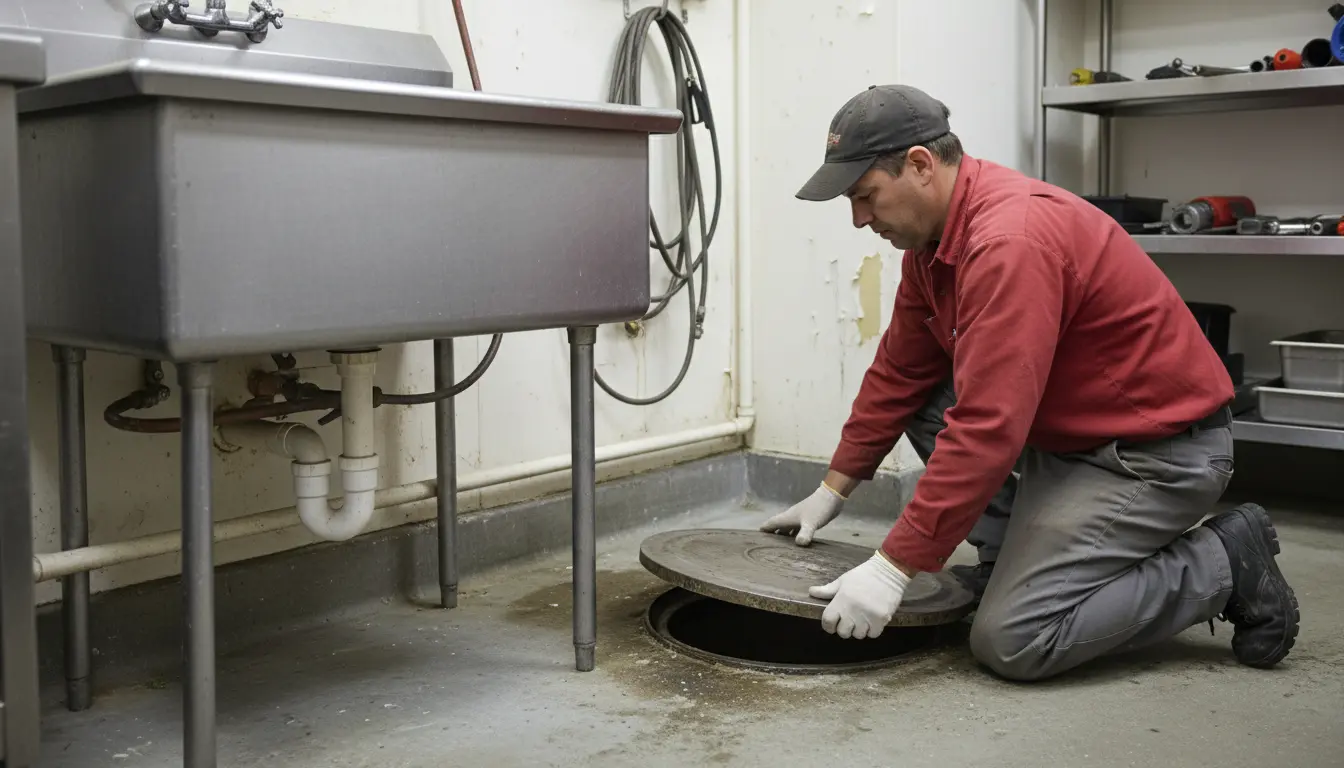
Find the Best Grease Trap Cleaning Companies for Your Business
No obligation • Fast responses • Nationwide coverage

Why you can trust Restaurant Waste Disposal
Restaurant Waste Disposal is a leading U.S. resource for comparing restaurant composting, food-waste recycling, grease trap cleaning, and used cooking oil collection services. Our editorial team researches providers, checks credentials, and organizes unbiased information so operators can make informed decisions. Companies cannot pay to change ratings or placement.
Search providers near you
Top Grease Trap Cleaning Companies in Skokie, Illinois Ranked
For any restaurant or food service establishment in Skokie, maintaining a clean and compliant grease trap or interceptor is not just a matter of kitchen hygiene-it's a legal requirement with significant consequences for non-compliance. The Village of Skokie enforces strict codes to prevent fats, oils, and grease (FOG) from entering the municipal sewer system, which can cause costly blockages and environmental damage. Effective grease interceptor maintenance is a critical operational task that protects your business from fines, supports public infrastructure, and ensures smooth kitchen operations. This guide outlines the local regulations, service expectations, and best practices for managing this essential aspect of your food service business.
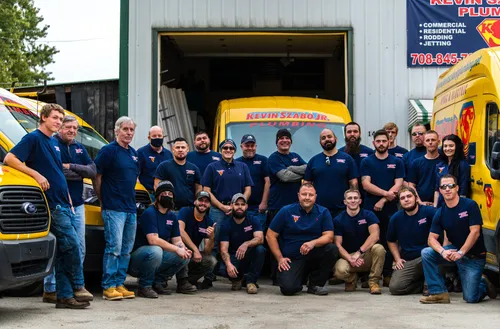
Kevin Szabo Jr Plumbing of Crestwood
Joliet, IL
Kevin Szabo Jr Plumbing of Crestwood provides residential and commercial plumbing services throughout Joliet, IL, and the surrounding South Suburbs. The company offers a wide range of plumbing solutions including grease trap cleaning, water heater installation and repair, sump and ejector pump services, sewer line maintenance, and video camera sewer inspections. With over 50 years of experience, they serve communities such as Tinley Park, Orland Park, Oak Lawn, and more. They are licensed, bonded, and insured, and provide 24/7 emergency plumbing assistance to accommodate urgent needs.
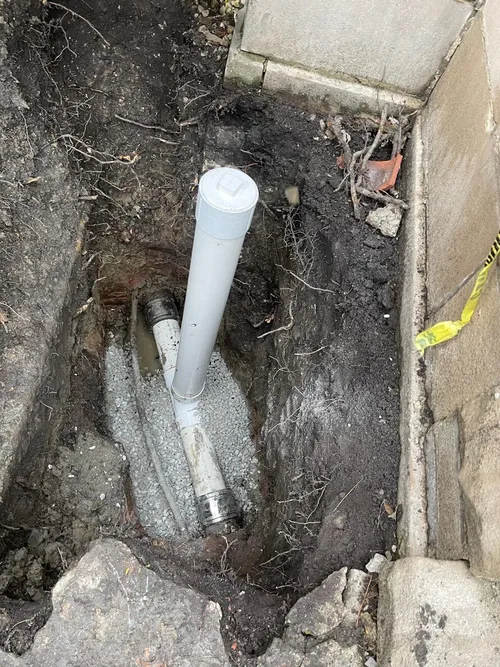
Chicago Sewer Experts
4320 1st Ave Unit 108, Lyons, IL 60534
Chicago Sewer Experts provides residential and commercial plumbing and drain cleaning services in Chicago, IL. With over 20 years of experience, they specialize in emergency plumbing repairs, drain cleaning, hydro jetting, sewer camera inspections, grease trap services, and sump pump installation and repair. The company is available 24/7 for emergency plumbing needs and serves the greater Chicago area with licensed and insured contractors.
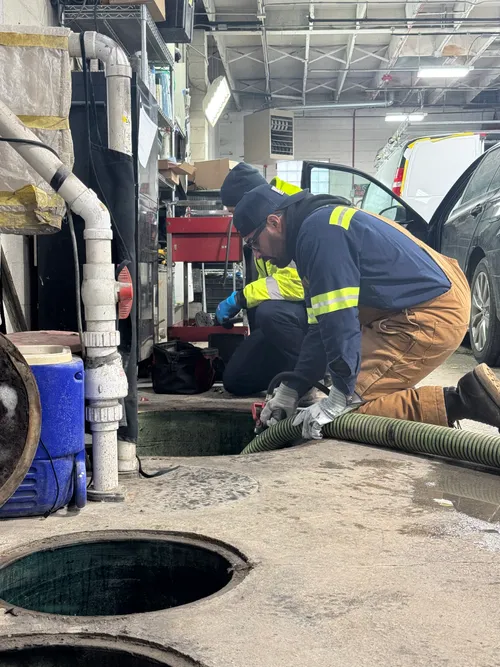
A&J Sewer Service
1055 Courtesy Dr, Wheeling, IL 60090
A&J Sewer Service provides grease trap cleaning and sewer system maintenance in Chicago, IL. They use advanced sewer televising technology to inspect sewer lines and offer services including sewer line cleanouts and sump pump installation and maintenance. Their grease trap cleaning services cater to food service businesses, helping prevent clogs and maintain compliance with health regulations. The company combines traditional methods with modern technology to support efficient sewer system operation and infrastructure longevity.
Chicago Grease Trap Cleaning
Chicago, IL
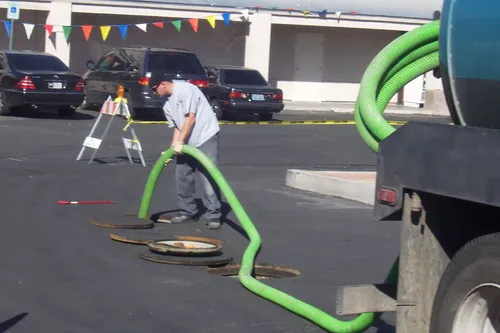
Chicago Grease Trap Cleaning provides professional grease trap and interceptor pumping and cleaning services in Chicago, IL, and the surrounding 30-mile radius. They serve a wide range of clients including restaurants, schools, residential, commercial, industrial, and manufacturing facilities. The company is a City of Chicago permitted transporter and specializes in maintaining compliance with local health and safety codes by keeping detailed service records. Their services include grease trap cleaning, pumping, and maintenance, with capabilities such as high-pressure hydro jet cleaning and environmentally responsible waste disposal. Chicago Grease Trap Cleaning offers flexible scheduling including early-hour and late-night services to minimize disruption to business operations.
Tierra Environmental & Industrial
3821 Indianapolis Blvd, East Chicago, IN 46312
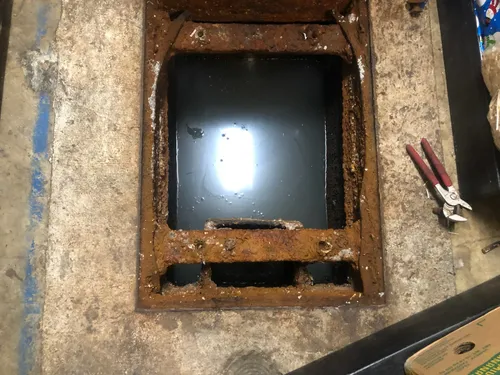
Tierra Environmental & Industrial is a grease trap cleaning company based in Chicago, IL, providing comprehensive industrial and commercial cleaning services across the Midwest. Their offerings include grease trap pumping, vacuum truck waste removal, tank and silo cleaning, catch basin maintenance, hydro jetting, sewer cleaning, and advanced sewer camera inspections. They serve various industries with specialized equipment and confined space-certified technicians to ensure regulatory compliance and operational efficiency. Tierra Environmental also provides 24/7 emergency cleanup services for spills, flooding, and sewer backups, supported by HAZMAT-trained personnel and detailed documentation.
Understanding Skokie's Grease Interceptor Regulations
Skokie's municipal code includes specific source control ordinances designed to protect the sewer system. Compliance begins with proper installation and continues with diligent record-keeping and servicing.
Mandatory Installation and Specifications
Local and state regulations mandate that all food preparation facilities must install and maintain approved grease interceptors. Before installation, plans must typically be approved by the Village to ensure they meet all code requirements. Key specifications include:
- Adequate Sizing: Grease traps and interceptors must be sized appropriately for the business's wastewater flow and grease production capacity. An undersized unit will fail to capture FOG effectively and require impractically frequent service.
- Accessibility: Units must be easily accessible for cleaning, inspection, and pumping by service technicians. Obstructed or hard-to-reach interceptors can lead to incomplete service and compliance violations.
- No Food Waste Disposal Connection: A critical rule is that discharge from food waste disposals (garbage disposals) cannot flow into a grease interceptor. This waste stream can overwhelm the unit, rendering it ineffective and leading to immediate compliance issues 1 2.
Required Service Frequency and Record-Keeping
The Village often mandates a minimum cleaning frequency, such as monthly, for most establishments. However, the actual required schedule for your business depends on its volume and interceptor size. High-volume kitchens may need service every 1-3 months to prevent overflows and blockages.
Maintaining detailed service records is a non-negotiable part of compliance. During inspections, you must be able to produce logs that include:
- Date of each pump-out or cleaning
- Name of the service provider
- Volume of grease and solids removed
- Disposal method and destination for the collected waste Failure to keep these records can be considered a violation in itself.
Penalties for Non-Compliance
The Village takes sewer system protection seriously. Penalties for violations of grease interceptor codes can be severe, including fines of up to $750 per offense 3. In cases of persistent non-compliance, the Village may place a lien on the property until the issue is resolved and all fines are paid 4. Regular, documented maintenance is your best defense against these costly penalties.
The Cost of Grease Trap and Interceptor Service
Understanding the typical costs for grease interceptor maintenance can help you budget effectively. Prices in the Chicagoland area, including Skokie, are influenced by several factors.
Routine Pump-Out Service: For common indoor grease traps (typically between 30 and 200 gallons), a routine pump-out and cleaning service generally ranges from $125 to $225 per service visit 5. This is the expected cost for regular, scheduled maintenance on a well-maintained unit.
One-Time or Emergency Service: If you require a one-off cleaning or are addressing a neglected trap, prices can be higher, often ranging from $190 to $240 or more 6 7. Emergency services, especially for a clogged or overflowing interceptor, will command a premium.
Key Cost Factors:
- Interceptor Size and Type: Larger in-ground grease interceptors cost significantly more to service than small under-sink traps.
- Level of Neglect: Traps that have not been serviced regularly will have accumulated more solidified grease and solids, requiring more labor and time to clean thoroughly.
- Business Volume: High-volume kitchens fill their interceptors faster, potentially requiring more frequent service, which impacts annual costs.
- Accessibility: Difficult-to-access locations may incur additional charges.
Find the perfect grease trap cleaning companies for your needs
Get personalized recommendations and expert advice
Choosing a Qualified Service Provider in Skokie
Selecting the right partner for grease interceptor maintenance is crucial for both compliance and operational efficiency. Not all service companies are equal, and due diligence is essential.
Verification Checklist:
- Licenses and Permits: Confirm the provider holds all necessary Illinois state and local permits for liquid waste hauling and disposal.
- Insurance: The company must carry adequate liability insurance. Request a certificate of insurance for your records.
- Compliance Documentation: A reputable provider will supply detailed service reports after each visit. These documents are your proof of compliance and should include all data required by the Village inspector 8.
- Proper Disposal Practices: Ensure the company disposes of collected FOG at approved facilities, such as rendering plants or wastewater treatment centers, and does not illegally dump it 9.
Best Practices for In-House Grease Management
While professional pumping is mandatory, daily practices in your kitchen can extend time between services, reduce costs, and minimize compliance risk.
- Scrape, Don't Rinse: Train staff to scrape all food scraps and grease from plates, pots, and pans into the trash before rinsing.
- Use Strainers: Install and consistently use sink strainers to catch solid food particles.
- Collect Kitchen Grease: Pour cooled, liquid cooking oils and grease into a dedicated collection container for proper disposal or recycling, never down the drain.
- Avoid Hot Water and Degreasers: Do not use hot water or chemical degreasers to flush grease down the drain. This only moves the problem further into your pipes where it will solidify and cause a blockage.
- Regular Visual Checks: Assign a manager to visually check the grease interceptor periodically for signs of overfill or slow drainage.
Adopting these practices demonstrates a proactive approach to FOG management, which can be favorable during inspections and contributes to the longevity of your plumbing system.
The Environmental and Community Impact
Proper grease interceptor maintenance extends beyond your restaurant's walls. When FOG enters sewers, it cools and solidifies, combining with other debris to form massive "fatbergs" that block public sewer mains. These blockages can lead to:
- Sanitary Sewer Overflows (SSOs): Raw sewage backing up into basements or discharging into local waterways.
- Costly Public Repairs: Municipalities spend significant taxpayer money on emergency cleanouts and repairs to damaged sewer infrastructure.
- Environmental Harm: SSOs can contaminate rivers and streams, harming aquatic ecosystems.
By maintaining your grease interceptor, you are directly contributing to the health of Skokie's public infrastructure and local environment, fulfilling your role as a responsible business in the community 10.
Frequently asked questions
Sources
Footnotes
-
SECTION 9 SOURCE CONTROL 9-01 GREASE, OIL AND/OR ... - https://www.centralsan.org/sites/main/files/file-attachments/section_9_source_control_0.pdf ↩
-
Ill. Admin. Code tit. 77, § 890.510 - Grease Interceptor Requirements - https://www.law.cornell.edu/regulations/illinois/Ill-Admin-Code-tit-77-SS-890.510 ↩
-
Grease Trap Cleaning | Skokie, IL - https://www.apgreasetrappers.com/contact/grease-trap-cleaning-service-area/skokie-il ↩
-
Sec. 11-92. Grease Trap/Interceptor Requirements: - https://codelibrary.amlegal.com/codes/justice/latest/justice_il/0-0-0-8923 ↩
-
The Cost To Clean A Grease Trap For Restaurants - https://thegreasecompany.com/blog/greasetrapcleaningcost/ ↩
-
Grease trap pumping - tierra-environmental - https://tierra-environmental.com/grease-trap-pumping/ ↩
-
Grease Trap Cleaning Prices | Guide on the Industry Average - https://grease-cycle.com/grease-trap-pumping-cost/ ↩
-
Chicago's Complete Grease Trap Cleaning & Maintenance ... - https://www.myshyft.com/blog/grease-trap-cleaning-chicago-illinois/ ↩
-
Illinois Statutes Chapter 415. Environmental Safety § 5/22.30 - https://codes.findlaw.com/il/chapter-415-environmental-safety/il-st-sect-415-5-22-30/ ↩
-
The Role of Grease Interceptors in Chicago Restaurants - https://evergreengrease.com/posts/grease-interceptors-compliance-efficiency ↩