Find the Best Grease Trap Cleaning Companies for Your Business
No obligation • Fast responses • Nationwide coverage

Why you can trust Restaurant Waste Disposal
Restaurant Waste Disposal is a leading U.S. resource for comparing restaurant composting, food-waste recycling, grease trap cleaning, and used cooking oil collection services. Our editorial team researches providers, checks credentials, and organizes unbiased information so operators can make informed decisions. Companies cannot pay to change ratings or placement.
Search providers near you
Top Grease Trap Cleaning Companies in Palatine, Illinois Ranked
For any restaurant or food service establishment in Palatine, managing fats, oils, and grease (FOG) is a critical operational and legal responsibility. Proper grease trap and interceptor maintenance is not just about preventing clogs and odors in your own kitchen; it's a key component of protecting the local sewer infrastructure and complying with strict municipal codes. The Village of Palatine, through its Department of Public Works (DPW), enforces regulations that require regular cleaning by licensed professionals, with detailed record-keeping to prove compliance. Neglecting this essential service can lead to severe backups, costly emergency repairs, and significant penalties. This guide outlines what Palatine restaurant owners need to know about effective grease management, from local laws to service best practices.
Chicago Sewer Experts
4320 1st Ave Unit 108, Lyons, IL 60534
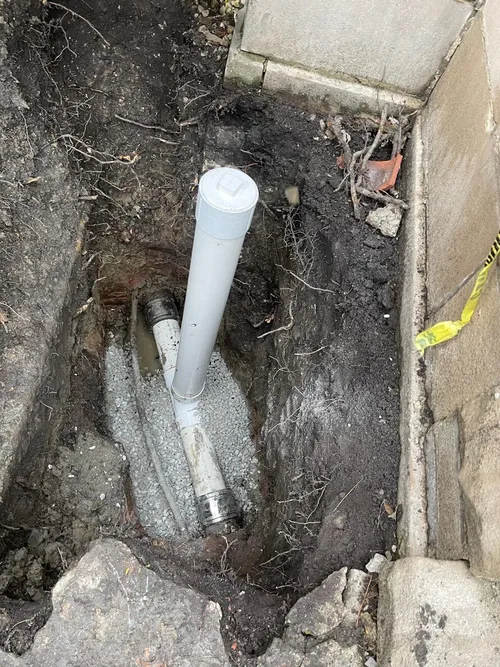
Chicago Sewer Experts provides residential and commercial plumbing and drain cleaning services in Chicago, IL. With over 20 years of experience, they specialize in emergency plumbing repairs, drain cleaning, hydro jetting, sewer camera inspections, grease trap services, and sump pump installation and repair. The company is available 24/7 for emergency plumbing needs and serves the greater Chicago area with licensed and insured contractors.
A&J Sewer Service
1055 Courtesy Dr, Wheeling, IL 60090
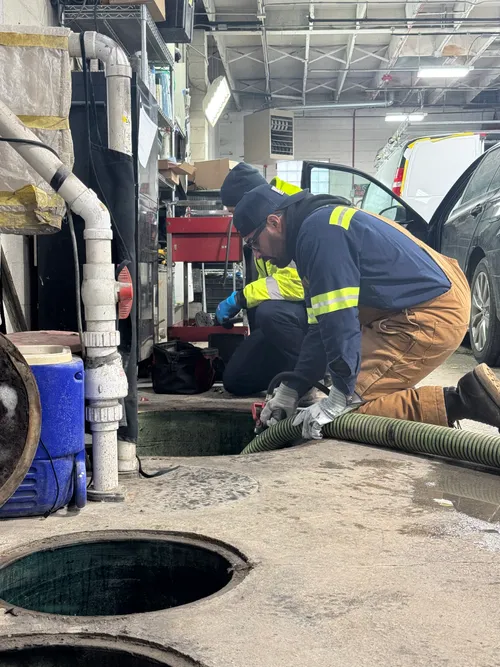
A&J Sewer Service provides grease trap cleaning and sewer system maintenance in Chicago, IL. They use advanced sewer televising technology to inspect sewer lines and offer services including sewer line cleanouts and sump pump installation and maintenance. Their grease trap cleaning services cater to food service businesses, helping prevent clogs and maintain compliance with health regulations. The company combines traditional methods with modern technology to support efficient sewer system operation and infrastructure longevity.
Chicago Grease Trap Cleaning
Chicago, IL
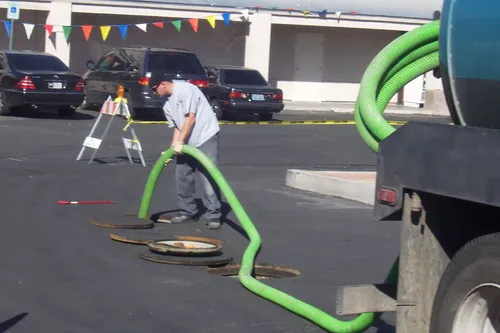
Chicago Grease Trap Cleaning provides professional grease trap and interceptor pumping and cleaning services in Chicago, IL, and the surrounding 30-mile radius. They serve a wide range of clients including restaurants, schools, residential, commercial, industrial, and manufacturing facilities. The company is a City of Chicago permitted transporter and specializes in maintaining compliance with local health and safety codes by keeping detailed service records. Their services include grease trap cleaning, pumping, and maintenance, with capabilities such as high-pressure hydro jet cleaning and environmentally responsible waste disposal. Chicago Grease Trap Cleaning offers flexible scheduling including early-hour and late-night services to minimize disruption to business operations.

A&P Grease Trappers, Inc
801 N Raddant Rd, Batavia, IL 60510
A&P Grease Trappers, Inc is a family-owned business serving Aurora, IL, and the Chicagoland area since 2006. They specialize in grease trap cleaning, fryer oil recycling and buy-back, drain and sewer cleaning, septic tank pumping, and RPZ testing. Their licensed professionals use modern equipment to maintain compliance and ensure efficient operations for restaurants, businesses, and municipalities. The company offers 24-hour emergency services with a commitment to respond within one hour for urgent needs.
Understanding Palatine's Grease Interceptor Regulations
Local ordinances are designed to prevent FOG from entering the public sewer system, where it can solidify and cause major blockages, sanitary sewer overflows, and expensive damage. Food service establishments (FSEs) in the Palatine area are subject to performance-based requirements enforced by the DPW.
Key legal requirements include:
- Mandatory Maintenance: All FSEs must install and maintain properly sized grease interceptors or traps (GIs).
- Licensed Haulers Only: Waste grease and solids must be removed and disposed of by a hauler licensed by the State of Illinois. You cannot simply clean the trap and pour the contents down a drain.
- Regular Cleaning Schedule: Interceptors typically require cleaning a minimum of every 90 days, or whenever 25% of the trap's volume is occupied by grease and solids-whichever comes first. The DPW may mandate more frequent cleaning if your interceptor fails to prevent prohibited discharges 1 2.
- Annual Deep Cleaning: In addition to routine pumping, a thorough cleaning of the entire interceptor, including walls and baffles, is often required annually.
- Permits and Documentation: Your establishment may need a general permit from the DPW, and you are required to keep detailed records of all cleaning and maintenance for a minimum of three years for inspection.
The Cost of Grease Trap Service in Chicagoland
Investing in regular, preventative maintenance is far more economical than dealing with an emergency. Service costs in Palatine vary based on several factors, including the size (in gallons) and location (indoor vs. outdoor) of your trap, your establishment's grease output volume, and the frequency of service.
Typical Cost Ranges:
- Scheduled, Preventative Pumping: For routine service performed every 1-3 months, most restaurants can expect to pay between $175 and $400 per visit 3 4. This is the cost-effective, compliant path.
- Emergency or Remedial Cleaning: If a trap is severely clogged or has caused a backup, emergency service calls are significantly more expensive, often ranging from $800 to $1,200 or more due to after-hours rates and the increased labor and equipment required 5 6.
- Cost Factors: Larger capacity interceptors, hard-to-access locations, and establishments with high-volume frying operations will generally see higher service costs. Many providers offer cost-saving contract options for scheduled maintenance 7.
Find the perfect grease trap cleaning companies for your needs
Get personalized recommendations and expert advice
Best Practices for Restaurant Grease Management
Beyond just scheduling cleanings, a proactive approach to grease control can extend the life of your equipment, reduce service frequency, and ensure consistent compliance.
Develop a Preventive Maintenance Schedule: Don't wait for problems. For most busy restaurants, a quarterly (every 3 months) schedule is the baseline mandated by code, but high-volume kitchens may need service monthly or bi-monthly. Work with your licensed hauler to determine the optimal frequency.
Scrape, Don't Rinse: Train kitchen staff to scrape all food solids and grease into the trash before washing dishes. This simple practice dramatically reduces the load on your grease trap.
Maintain Impeccable Records: Keep a dedicated log or file for every service receipt, waste manifest, and inspection report. Digital records are ideal. This documentation is your first line of defense during a DPW inspection 8.
Know Your System: Understand whether you have an indoor grease trap (typically under a sink) or a larger outdoor grease interceptor. Know its capacity and location. This information is crucial when communicating with service providers and inspectors.
Schedule Annual Inspections: In addition to pumping, have your service provider conduct an annual inspection of the interceptor's structural integrity, baffles, and inlet/outlet lines to catch potential issues early.
Consequences of Non-Compliance
Failing to adhere to grease control regulations carries serious risks for Palatine restaurant owners.
- DPW Enforcement Actions: The DPW has the authority to inspect your premises and records. Non-compliance can result in enforcement orders requiring immediate, more frequent cleaning, mandatory repairs or upgrades to your interceptor system, and significant financial penalties.
- Sewer Backups and Fines: If FOG from your establishment contributes to a sewer line blockage, you can be held liable for the cleanup costs and municipal fines, which can be substantial.
- Operational Disruption: A severely clogged grease trap can lead to slow drains, foul odors, and even kitchen shutdowns for emergency remediation, directly impacting your revenue and customer experience.
- Environmental Harm: Sewer overflows caused by grease blockages can contaminate local waterways, leading to broader environmental damage and negative public perception.
Choosing a Service Provider in Palatine
Selecting the right licensed hauler is a key business decision. Look for a provider with a strong reputation in the Chicagoland area that offers more than just pumping.
What to Look For:
- Valid Illinois Licenses: Confirm the company holds all necessary state and local licenses for waste hauling and disposal.
- Comprehensive Service: Choose a provider that offers scheduled maintenance contracts, emergency service, detailed documentation (including waste manifests), and can assist with compliance reporting.
- Experience with Local Codes: A provider familiar with Palatine and Cook County regulations can be an invaluable partner, helping you navigate inspection requirements.
- Transparent Pricing: Seek clear, upfront pricing for routine service and ask about their rates for emergency calls. A contract can often lock in predictable costs.
Frequently asked questions
Sources
Footnotes
-
9-3-3-7: ADDITIONAL STRUCTURES REQUIRED FOR THE USE ... - https://codelibrary.amlegal.com/codes/bloomingdaleil/latest/bloomingdale_il/0-0-0-32778 ↩
-
Sec. 11-92. Grease Trap/Interceptor Requirements: - https://codelibrary.amlegal.com/codes/justice/latest/justice_il/0-0-0-8923 ↩
-
Grease Trap Pumping | Chicagoland - https://www.apgreasetrappers.com/grease-trap-pumping ↩
-
The Cost To Clean A Grease Trap For Restaurants - https://thegreasecompany.com/blog/greasetrapcleaningcost/ ↩
-
Ultimate Grease Trap Pumping Cost Guide: Essential Money-Saving ... - https://www.texwaywastewater.com/grease-trap-pumping-cost/ ↩
-
Grease Trap Cleaning Prices | Guide on the Industry Average - https://grease-cycle.com/grease-trap-pumping-cost/ ↩
-
How Much Does It Cost To Clean A Grease Trap? - https://www.greasecollection.com/blog/how-much-does-it-cost-to-clean-a-grease-trap/ ↩
-
How to Clean a Grease Trap (and How Often You Should) - https://greaseconnections.com/how-to-clean-a-grease-trap-and-how-often-you-should/ ↩