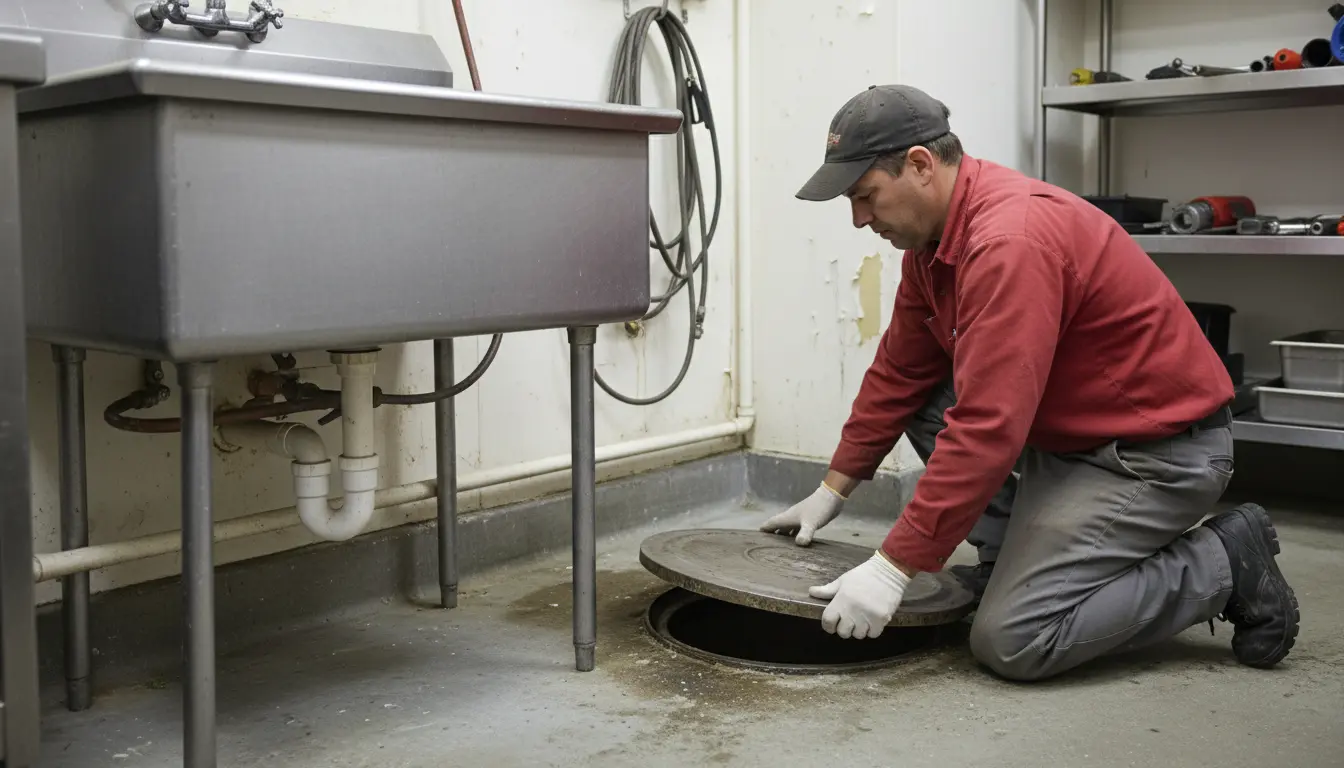
Find the Best Grease Trap Cleaning Companies for Your Business
No obligation • Fast responses • Nationwide coverage

Why you can trust Restaurant Waste Disposal
Restaurant Waste Disposal is a leading U.S. resource for comparing restaurant composting, food-waste recycling, grease trap cleaning, and used cooking oil collection services. Our editorial team researches providers, checks credentials, and organizes unbiased information so operators can make informed decisions. Companies cannot pay to change ratings or placement.
Search providers near you
Top Grease Trap Cleaning Companies in Oak Lawn, Illinois Ranked
For restaurant owners and managers in Oak Lawn, maintaining your grease trap or interceptor is a critical, non-negotiable part of daily operations. Proper fats, oils, and grease (FOG) management is not just about avoiding unpleasant odors or clogs; it's a legal requirement enforced to protect the local sewer system from costly blockages and environmental damage. This guide outlines what you need to know about grease interceptor maintenance, local compliance rules, and managing service costs to keep your kitchen running smoothly and avoid significant penalties.
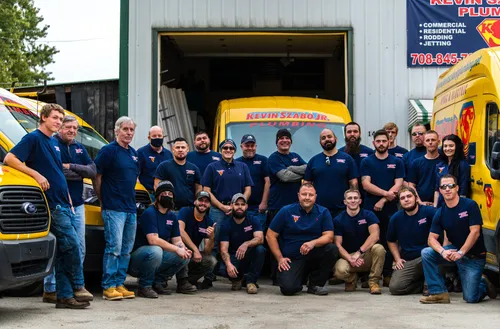
Kevin Szabo Jr Plumbing of Crestwood
Joliet, IL
Kevin Szabo Jr Plumbing of Crestwood provides residential and commercial plumbing services throughout Joliet, IL, and the surrounding South Suburbs. The company offers a wide range of plumbing solutions including grease trap cleaning, water heater installation and repair, sump and ejector pump services, sewer line maintenance, and video camera sewer inspections. With over 50 years of experience, they serve communities such as Tinley Park, Orland Park, Oak Lawn, and more. They are licensed, bonded, and insured, and provide 24/7 emergency plumbing assistance to accommodate urgent needs.
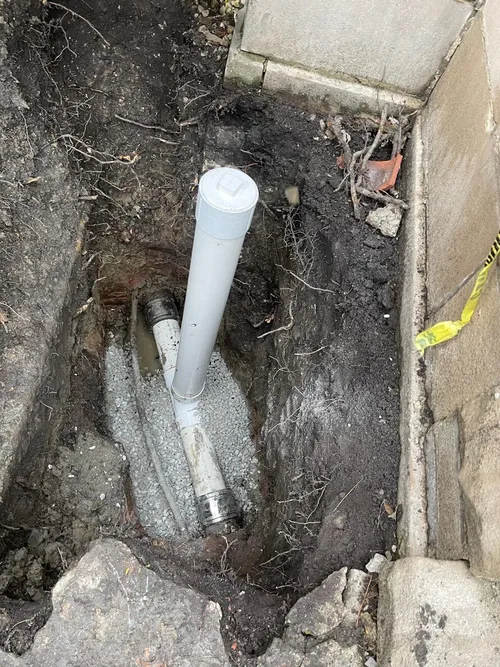
Chicago Sewer Experts
4320 1st Ave Unit 108, Lyons, IL 60534
Chicago Sewer Experts provides residential and commercial plumbing and drain cleaning services in Chicago, IL. With over 20 years of experience, they specialize in emergency plumbing repairs, drain cleaning, hydro jetting, sewer camera inspections, grease trap services, and sump pump installation and repair. The company is available 24/7 for emergency plumbing needs and serves the greater Chicago area with licensed and insured contractors.
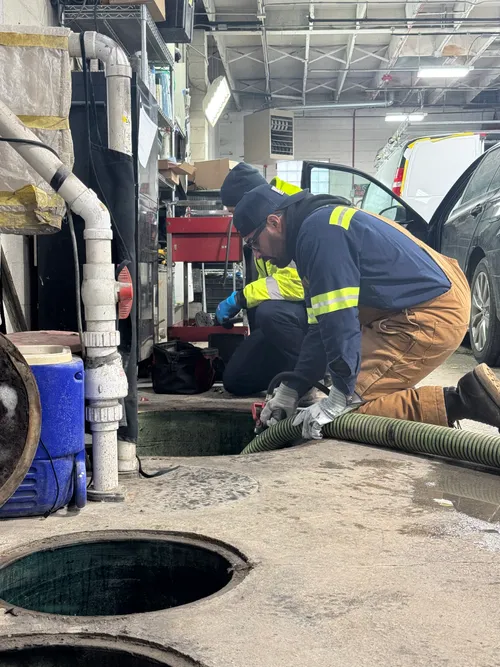
A&J Sewer Service
1055 Courtesy Dr, Wheeling, IL 60090
A&J Sewer Service provides grease trap cleaning and sewer system maintenance in Chicago, IL. They use advanced sewer televising technology to inspect sewer lines and offer services including sewer line cleanouts and sump pump installation and maintenance. Their grease trap cleaning services cater to food service businesses, helping prevent clogs and maintain compliance with health regulations. The company combines traditional methods with modern technology to support efficient sewer system operation and infrastructure longevity.
Chicago Grease Trap Cleaning
Chicago, IL
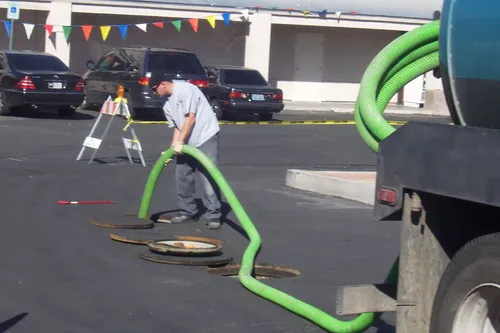
Chicago Grease Trap Cleaning provides professional grease trap and interceptor pumping and cleaning services in Chicago, IL, and the surrounding 30-mile radius. They serve a wide range of clients including restaurants, schools, residential, commercial, industrial, and manufacturing facilities. The company is a City of Chicago permitted transporter and specializes in maintaining compliance with local health and safety codes by keeping detailed service records. Their services include grease trap cleaning, pumping, and maintenance, with capabilities such as high-pressure hydro jet cleaning and environmentally responsible waste disposal. Chicago Grease Trap Cleaning offers flexible scheduling including early-hour and late-night services to minimize disruption to business operations.

A&P Grease Trappers, Inc
801 N Raddant Rd, Batavia, IL 60510
A&P Grease Trappers, Inc is a family-owned business serving Aurora, IL, and the Chicagoland area since 2006. They specialize in grease trap cleaning, fryer oil recycling and buy-back, drain and sewer cleaning, septic tank pumping, and RPZ testing. Their licensed professionals use modern equipment to maintain compliance and ensure efficient operations for restaurants, businesses, and municipalities. The company offers 24-hour emergency services with a commitment to respond within one hour for urgent needs.
Understanding Local FOG Management Regulations
Oak Lawn restaurants must adhere to specific ordinances designed to prevent sewer overflows. A core requirement is that all grease trap pumping and waste disposal must be handled by a licensed Illinois grease hauler. You cannot simply pump the contents and dispose of them improperly. These licensed professionals ensure FOG is transported and processed at approved facilities.
Furthermore, maintaining detailed records is mandatory. You must keep documentation of every cleaning and pumping service for a minimum of three years. This log should include dates, the name of the licensed hauler, the volume of waste removed, and the disposal location. These records are typically the first thing inspectors request during a compliance check.
Inspection and Enforcement Protocols
Local authorities conduct inspections to verify that grease control devices are properly maintained and that records are in order 1 2. Non-compliance can lead to substantial penalties, including fines and, in severe cases, operational shutdowns until issues are resolved. Proactive, documented maintenance is your best defense against enforcement actions and the much higher costs of emergency repairs or sewer line backups.
Determining Your Cleaning Frequency
While it's essential to confirm exact requirements with the Oak Lawn Village Hall, frequency guidelines are typically based on either the accumulation level of FOG or a fixed time interval. A common rule, similar to nearby Chicago's code, is that interceptors must be cleaned before FOG and solids accumulate to 25% of the unit's volume or at least every 90 days, whichever comes first 3 4.
However, for high-volume kitchens-such as busy full-service restaurants, diners, or banquet halls-monthly service is often necessary to stay within these limits and ensure efficient operation. The only way to establish a compliant and effective schedule is to consult with a local service provider who can assess your specific trap size and FOG output.
What Professional Service Entails
A professional grease trap cleaning service involves much more than just removing waste. To ensure longevity and compliance, a comprehensive service should include:
- Complete Pumping: Removal of all FOG, solids, and wastewater from the interceptor.
- Thorough Inspection: Checking baffles, gaskets, lids, and inlet/outlet pipes for wear, damage, or blockages 5.
- Interior Cleaning: High-pressure washing or scraping of the trap's interior walls and components to remove clinging grease and sludge.
- System Flush: Refilling the trap with clean water to the proper level to restore its operational efficiency.
- Detailed Documentation: Providing you with a service report for your compliance records, noting the volume pumped and any observations about the unit's condition.
Scheduling these cleanings during off-peak hours can help minimize disruption to your kitchen's workflow.
Find the perfect grease trap cleaning companies for your needs
Get personalized recommendations and expert advice
Cost Factors for Grease Interceptor Maintenance
The cost of grease trap pumping and cleaning in Oak Lawn varies significantly based on several key factors. Understanding these can help you budget effectively.
- Trap Size and Type: Small, indoor grease traps under sinks are the least expensive to service, while large, in-ground concrete interceptors require more labor and equipment.
- Service Frequency: Regularly scheduled maintenance as part of a service plan often costs less per visit than one-off or emergency calls.
- Volume of FOG: High-output kitchens will fill traps faster, potentially requiring more frequent service or additional labor during each pump-out.
- Accessibility: Traps that are easy to access with standard equipment cost less to service than those in confined or difficult-to-reach spaces.
Estimated Price Ranges
Based on industry averages and local service quotes, here are general price guidelines 6 7 8:
- Small Indoor Grease Traps: A basic pump-out for a smaller unit typically ranges from $125 to $225 per service.
- Full-Service Restaurant Interceptors: For standard commercial kitchens, expect costs between $400 and $600+ per cleaning event.
- High-Volume or Complex Units: Large facilities or those with complex systems can see costs rise accordingly, especially if emergency service is required.
Many local providers offer customized service plans that can provide cost predictability and ensure you never miss a required cleaning.
Creating a Proactive Maintenance Plan
A reactive approach to grease trap maintenance is a recipe for fines and operational headaches. A proactive plan involves:
- Consulting the Village: Contact Oak Lawn Village Hall to get the precise text of local ordinances regarding grease interceptor requirements and approved haulers.
- Getting Professional Assessments: Schedule consultations with licensed, local grease trap service companies. They can evaluate your specific setup, recommend a compliant service frequency, and provide a detailed quote.
- Scheduling and Documenting: Set a recurring schedule for service, ideally during your slowest business hours. Meticulously file every service report.
- Training Staff: Educate kitchen staff on best practices for minimizing FOG discharge, such as scraping plates and using sink baskets.
Taking these steps will help you manage this essential aspect of your business efficiently, keeping you in compliance and focused on serving your customers.
Frequently asked questions
Sources
Footnotes
-
Grease Trap Cleaning | Oak Lawn, IL - https://www.apgreasetrappers.com/contact/grease-trap-cleaning-service-area/oak-lawn-il ↩
-
How to Clean a Grease Trap (and How Often You Should) - https://greaseconnections.com/how-to-clean-a-grease-trap-and-how-often-you-should/ ↩
-
Chicago's Complete Grease Trap Cleaning & Maintenance ... - https://www.myshyft.com/blog/grease-trap-cleaning-chicago-illinois/ ↩
-
Sec. 11-92. Grease Trap/Interceptor Requirements: - https://codelibrary.amlegal.com/codes/justice/latest/justice_il/0-0-0-8923 ↩
-
Restaurant Oil Recycling | Oak Lawn, IL - https://www.apgreasetrappers.com/contact/restaurant-oil-recycling-service-area/oak-lawn-il ↩
-
Ultimate Grease Trap Pumping Cost Guide: Essential Money ... - https://www.texwaywastewater.com/grease-trap-pumping-cost/ ↩
-
The Cost To Clean A Grease Trap For Restaurants - https://thegreasecompany.com/blog/greasetrapcleaningcost/ ↩
-
Grease Trap Cleaning Prices | Guide on the Industry Average - https://grease-cycle.com/grease-trap-pumping-cost/ ↩