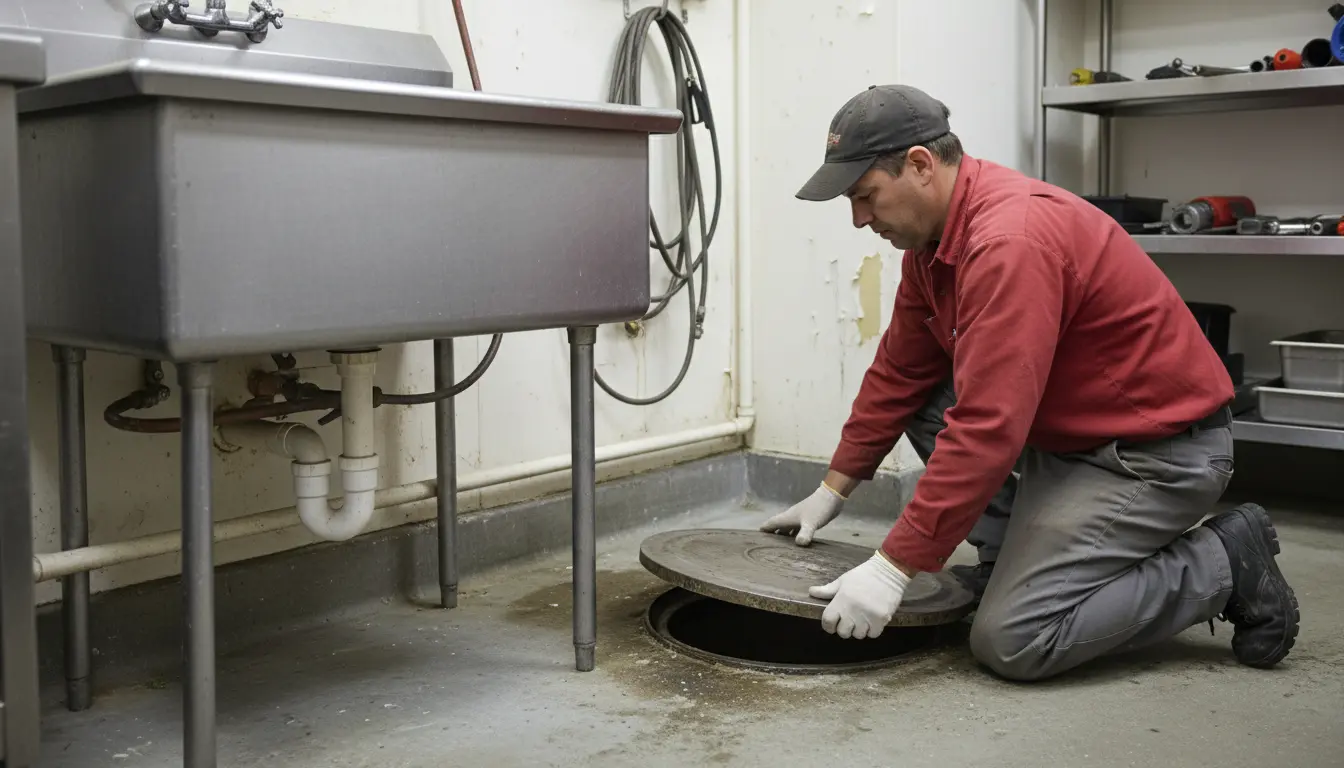
Find the Best Grease Trap Cleaning Companies for Your Business
No obligation • Fast responses • Nationwide coverage

Why you can trust Restaurant Waste Disposal
Restaurant Waste Disposal is a leading U.S. resource for comparing restaurant composting, food-waste recycling, grease trap cleaning, and used cooking oil collection services. Our editorial team researches providers, checks credentials, and organizes unbiased information so operators can make informed decisions. Companies cannot pay to change ratings or placement.
Search providers near you
Top Grease Trap Cleaning Companies in Naperville, Illinois Ranked
For any restaurant, food truck, or commercial kitchen in Naperville, maintaining a clean and compliant grease trap or interceptor isn't just a suggestion-it's a strict requirement of the Illinois Plumbing Code and local ordinances. These essential devices capture fats, oils, and grease (FOG) before they enter the public sewer system, preventing costly blockages and environmental damage. Regular grease interceptor maintenance is critical for avoiding severe penalties, including fines and potential liens on your property, while also ensuring your kitchen operates smoothly without the risk of foul odors or backed-up drains. Proactive management of this system through scheduled cleaning and diligent record-keeping is a fundamental aspect of responsible restaurant operation in DuPage County.
Kevin Szabo Jr Plumbing of Crestwood
Joliet, IL
Kevin Szabo Jr Plumbing of Crestwood provides residential and commercial plumbing services throughout Joliet, IL, and the surrounding South Suburbs. The company offers a wide range of plumbing solutions including grease trap cleaning, water heater installation and repair, sump and ejector pump services, sewer line maintenance, and video camera sewer inspections. With over 50 years of experience, they serve communities such as Tinley Park, Orland Park, Oak Lawn, and more. They are licensed, bonded, and insured, and provide 24/7 emergency plumbing assistance to accommodate urgent needs.
Chicago Sewer Experts
4320 1st Ave Unit 108, Lyons, IL 60534
Chicago Sewer Experts provides residential and commercial plumbing and drain cleaning services in Chicago, IL. With over 20 years of experience, they specialize in emergency plumbing repairs, drain cleaning, hydro jetting, sewer camera inspections, grease trap services, and sump pump installation and repair. The company is available 24/7 for emergency plumbing needs and serves the greater Chicago area with licensed and insured contractors.
A&J Sewer Service
1055 Courtesy Dr, Wheeling, IL 60090
A&J Sewer Service provides grease trap cleaning and sewer system maintenance in Chicago, IL. They use advanced sewer televising technology to inspect sewer lines and offer services including sewer line cleanouts and sump pump installation and maintenance. Their grease trap cleaning services cater to food service businesses, helping prevent clogs and maintain compliance with health regulations. The company combines traditional methods with modern technology to support efficient sewer system operation and infrastructure longevity.
Chicago Grease Trap Cleaning
Chicago, IL
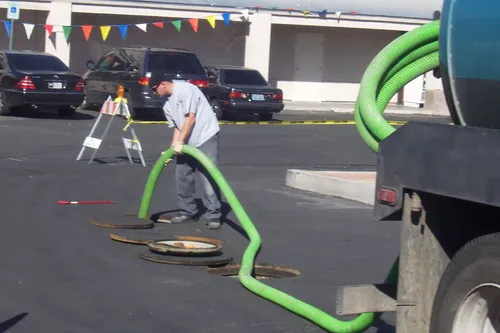
Chicago Grease Trap Cleaning provides professional grease trap and interceptor pumping and cleaning services in Chicago, IL, and the surrounding 30-mile radius. They serve a wide range of clients including restaurants, schools, residential, commercial, industrial, and manufacturing facilities. The company is a City of Chicago permitted transporter and specializes in maintaining compliance with local health and safety codes by keeping detailed service records. Their services include grease trap cleaning, pumping, and maintenance, with capabilities such as high-pressure hydro jet cleaning and environmentally responsible waste disposal. Chicago Grease Trap Cleaning offers flexible scheduling including early-hour and late-night services to minimize disruption to business operations.
A&P Grease Trappers, Inc
801 N Raddant Rd, Batavia, IL 60510
A&P Grease Trappers, Inc is a family-owned business serving Aurora, IL, and the Chicagoland area since 2006. They specialize in grease trap cleaning, fryer oil recycling and buy-back, drain and sewer cleaning, septic tank pumping, and RPZ testing. Their licensed professionals use modern equipment to maintain compliance and ensure efficient operations for restaurants, businesses, and municipalities. The company offers 24-hour emergency services with a commitment to respond within one hour for urgent needs.
Understanding Naperville's Grease Trap Regulations
Local regulations in Naperville, derived from state plumbing codes, mandate that all food preparation facilities install and maintain approved grease interceptors or traps 1. The primary goal is to protect the municipal wastewater infrastructure from FOG, which can solidify and cause major sewer line obstructions. Compliance isn't a one-time event but an ongoing responsibility that involves physical maintenance, staff training, and meticulous documentation.
Key regulatory points for Naperville food service establishments include:
- Mandatory for All: Any business involved in food preparation, including restaurants, cafeterias, bakeries, and even some institutional kitchens, must have a properly sized and functioning grease control device.
- Accessibility Requirement: Grease traps and interceptors must be easily accessible for both routine cleaning and unannounced inspections by city or health department officials.
- Record-Keeping Mandate: You are required to maintain detailed service records for a minimum of three years. These logs must include the date of service, the name of the servicing company, the volume of waste removed, and the disposal method.
- Enforcement and Penalties: Inspectors will review your maintenance records and may perform a physical inspection of the trap2 3. Violations can result in fines of up to $750 per offense, and repeated non-compliance could lead to more severe actions, including liens on the property4 5.
Best Management Practices (BMPs) for Your Kitchen
Beyond the mechanical cleaning of the trap itself, successful FOG management relies heavily on kitchen-level Best Management Practices. Training your staff on these simple procedures can dramatically reduce the amount of grease entering your interceptor, extending time between pump-outs and minimizing the risk of clogs.
Essential BMPs include:
- Scrape, Don't Rinse: All plates, pots, pans, and utensils should be thoroughly scraped into the trash or compost bin before they are rinsed in the sink.
- Dry Wiping: Use a paper towel or rubber scraper to remove grease and food residues from cookware prior to washing.
- Proper Disposal of Cooking Oil: Never pour used fryer oil or cooking grease down any drain. It should be collected in a dedicated container for recycling by a licensed service.
- Post "No Grease" Signs: Clearly label sinks and dishwashing areas with reminders for staff not to pour fats, oils, or grease down the drain.
- Avoid Garbage Disposals: Food disposals grind up solids but send suspended fats into your grease trap, where they can quickly overwhelm the system. Minimizing or eliminating their use is highly recommended6.
Find the perfect grease trap cleaning companies for your needs
Get personalized recommendations and expert advice
How Often Should You Clean Your Grease Trap?
The required frequency for grease interceptor pumping is not a fixed number but depends on several factors, including the size of your trap, your kitchen's volume, and the type of food you prepare. However, a general guideline for Naperville establishments is every 1 to 3 months for smaller under-sink grease traps.
High-volume restaurants, especially those serving fried foods, may require monthly service. The most accurate way to determine your schedule is through regular inspections by your service provider, who can measure the FOG and solids accumulation. Many businesses opt for a preventative maintenance contract, which ensures regular service, often at a better rate, and provides the consistent documentation needed for inspections.
Warning signs that your trap needs immediate attention include:
- Foul odors emanating from drains or near the trap location.
- Noticeably slow-draining sinks.
- Grease or wastewater backing up into floor drains or sinks.
- Visible grease in the outlet pipe of the interceptor.
The Cost of Grease Trap Cleaning in Naperville
Investing in regular grease trap maintenance is far more economical than facing emergency repairs, regulatory fines, or a forced shutdown. Costs in the Naperville area vary primarily based on the size and type of your interceptor and the frequency of service.
- Small Under-Sink Grease Traps: Cleaning for a standard under-counter unit typically ranges from $150 to $300 per service7.
- Large In-Ground Grease Interceptors: For the larger, concrete interceptors located outside or in basements, prices can range from $500 to $1,200 or more per pumping, depending on their capacity (e.g., 500-gallon vs. 2000-gallon)8 9.
A preventative maintenance contract can help stabilize these costs and ensure you are never caught off guard by an overfull trap or a surprise inspection. Remember, an emergency service call for a severely clogged and overflowing system will always cost significantly more than a scheduled, routine cleaning.
Preparing for a Grease Trap Inspection
City or health inspectors in Naperville have the authority to inspect your grease management system at any time. Being prepared is the best defense. When an inspector arrives, they will typically:
- Request your three years of maintenance and pumping records.
- Ask to see the physical location of your grease interceptor.
- Potentially inspect the trap's interior to check for proper maintenance and signs of bypassing.
To ensure a smooth inspection:
- Keep all service records in a dedicated, easily accessible binder or digital folder.
- Ensure the lid to your interceptor is not buried, locked (unless for safety, with a key available), or obstructed by equipment.
- Train a manager or key staff member on where records are kept and where the trap is located.
- Demonstrate your active BMP program, such as showing posted signs and staff training materials.
Staying ahead of compliance through scheduled cleaning, diligent staff training, and impeccable record-keeping is the most effective strategy to avoid significant fines, operational disruptions, and damage to Naperville's sewer system.
Frequently asked questions
Sources
Footnotes
-
§ 51.016 GREASE INTERCEPTOR OR TRAP REQUIREMENTS. - https://codelibrary.amlegal.com/codes/mountvernonil/latest/mtvernon_il/0-0-0-2192 ↩
-
The Ultimate Guide to Restaurant Grease Trap Cleaning: Smart Solutions for Commercial Kitchens - Mokher Plumbing - https://mokherplumbing.com/ultimate-guide-restaurant-grease-trap-cleaning/ ↩
-
Grease Trap Regulations and Compliance: What You Need to ... - https://www.texwaywastewater.com/grease-trap-regulations-and-compliance/ ↩
-
Sec. 11-92. Grease Trap/Interceptor Requirements: - https://codelibrary.amlegal.com/codes/justice/latest/justice_il/0-0-0-8923 ↩
-
How to Clean a Grease Trap (and How Often You Should) - https://greaseconnections.com/how-to-clean-a-grease-trap-and-how-often-you-should/ ↩
-
GREASE TRAPS - Lombard, IL - https://www.villageoflombard.org/DocumentCenter/View/9084/Grease-Trap-Handout ↩
-
Chicago's Complete Grease Trap Cleaning & Maintenance ... - https://www.myshyft.com/blog/grease-trap-cleaning-chicago-illinois/ ↩
-
Grease Trap Pumping | Chicagoland - https://www.apgreasetrappers.com/grease-trap-pumping ↩
-
The Cost To Clean A Grease Trap For Restaurants - https://thegreasecompany.com/blog/greasetrapcleaningcost/ ↩