
Find the Best Grease Trap Cleaning Companies for Your Business
No obligation • Fast responses • Nationwide coverage

Why you can trust Restaurant Waste Disposal
Restaurant Waste Disposal is a leading U.S. resource for comparing restaurant composting, food-waste recycling, grease trap cleaning, and used cooking oil collection services. Our editorial team researches providers, checks credentials, and organizes unbiased information so operators can make informed decisions. Companies cannot pay to change ratings or placement.
Search providers near you
Top Grease Trap Cleaning Companies in Moline, Illinois Ranked
For any restaurant, cafeteria, or food service establishment in Moline, managing fats, oils, and grease (FOG) is a critical operational and legal requirement. Proper grease trap and interceptor maintenance is not just about preventing slow drains; it's a mandated part of protecting the local sewer infrastructure from costly blockages and overflows. The City of Moline, in alignment with Illinois state regulations, enforces specific codes that require food preparation facilities to install, use, and maintain these devices. Regular grease interceptor cleaning is essential to avoid significant penalties, including fines that can reach hundreds of dollars per offense and potential liens on your property. This guide outlines what Moline business owners need to know about compliance, costs, and best practices for effective grease management.
Understanding the local requirements is the first step. In Illinois, statutes and administrative codes mandate that all facilities involved in food preparation must have properly sized and functioning grease traps or interceptors 1. These units must be made of durable, corrosion-resistant material, have watertight covers, and be readily accessible for inspection and servicing 2. Critically, the accumulated grease and sludge must be disposed of legally by a licensed service provider-never poured down a drain or into a sewer without authorization. For the most accurate and current specifics, contacting the City of Moline's Public Works or Environmental Services department is highly recommended, as local ordinances can be updated, such as with General Ordinance No. 3029-2022 3.
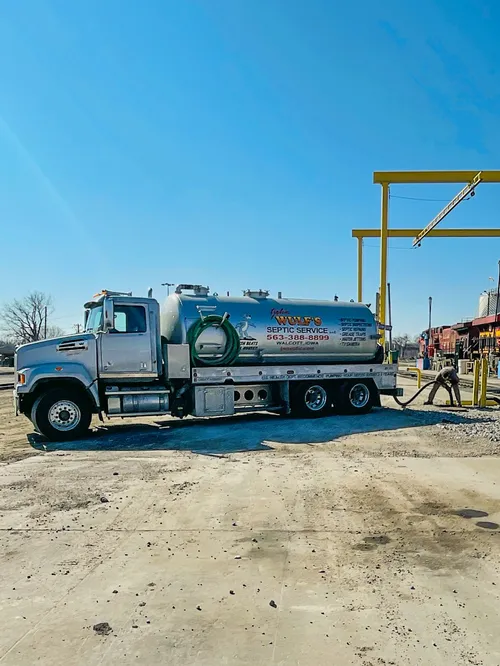
Understanding Local Grease Trap Regulations
Compliance begins with knowing the rules. Moline's regulations are designed to prevent FOG from entering the public sewer system, where it can solidify, cause blockages, and lead to sanitary sewer overflows (SSOs). These rules are typically enforced through routine inspections by city officials. During an inspection, you will likely need to provide detailed records of your grease interceptor maintenance.
- Mandatory Maintenance: It is not optional. Your facility must have a grease interceptor, and it must be cleaned at a frequency that prevents FOG from escaping into the sewer lines 4 5.
- Record-Keeping is Key: Maintain a dedicated logbook with dates of service, invoices from your service provider, and even photos. This documentation is your first line of defense during an inspection, proving a good-faith effort to comply.
- Enforcement and Penalties: Non-compliance can result in warnings, fines, and repeat violations can escalate to more severe penalties. In some Illinois jurisdictions, fines can be up to $750 per offense, and chronic issues could potentially lead to a lien on the property or business interruption 6.
Determining Your Service Frequency
How often should you schedule grease trap pumping? There's no one-size-fits-all answer, as it depends entirely on your operation's volume. A common requirement is cleaning when the trap is 25% full of fats and solids 7.
- High-Volume Kitchens: Busy restaurants, especially those with significant frying or meat preparation, often require monthly grease interceptor service to stay compliant and functional.
- Lower-Volume Operations: Some cafes or lower-output facilities may find that quarterly service is sufficient. However, this should be verified by a professional assessment and by monitoring the trap's accumulation.
- Warning Signs: Don't wait for an inspection or a backup. Slow-draining sinks, gurgling sounds from drains, and foul odors are clear indicators that your trap or interceptor needs immediate attention.
Scheduling regular, preventive maintenance is always more cost-effective and less disruptive than emergency service following a clog or violation.
What to Expect: Service Costs in Moline
The cost for professional grease trap cleaning in Moline varies based on several factors. Investing in routine service is far cheaper than dealing with the consequences of neglect, which can include massive cleanup bills and fines.
- Indoor Grease Traps: For standard under-sink or indoor grease traps that are serviced on a regular schedule (e.g., monthly or quarterly), you can expect costs to range from approximately $175 to $475 per service 8. The final price depends on the trap's size (measured in gallons) and how well it has been maintained.
- Outdoor Grease Interceptors: Larger in-ground or outdoor interceptors, which handle waste from the entire kitchen, cost more to service. Regular maintenance for these units typically ranges from $325 to over $1,040 per cleaning 9 10.
- Key Cost Factors:
- Size & Capacity: Larger units hold more waste and take more time and labor to pump.
- Maintenance History: A severely neglected trap that is completely full of hardened grease will require significantly more labor and may involve high-pressure jetting, drastically increasing the cost.
- Service Frequency: Many providers offer discounted rates for customers on a scheduled monthly maintenance plan, as regular service keeps the job quicker and easier.
- Local Disposal Fees: Costs for legally disposing of the collected FOG can influence the final price.
Find the perfect grease trap cleaning companies for your needs
Get personalized recommendations and expert advice
The Professional Cleaning Process
A proper grease interceptor service involves more than just vacuuming out the contents. A reputable provider will perform a comprehensive service to ensure your system functions correctly.
- Pumping: The primary step is removing all liquid, grease, and solid waste from the interceptor tank.
- Inspection & Cleaning: The technician should inspect and clean critical components, including the baffles (which separate FOG from water), gaskets, and inlet/outlet pipes 11. They may also pressure-wash the interior walls of the tank.
- System Check: After cleaning, the unit is refilled with clean water to the proper level, and the flow is checked to ensure there are no blockages.
- Documentation: You should receive a detailed service report or invoice, which is a vital piece of documentation for your compliance records.
Choosing a service provider who understands Moline's specific codes and provides thorough documentation is a crucial part of your compliance strategy.
Consequences of Neglecting Grease Trap Maintenance
Failing to keep up with grease interceptor cleaning poses serious risks to your business beyond just a clogged drain.
- Sewer Backups: The most immediate problem is a backup in your own kitchen or restaurant floor drains, leading to unsanitary conditions, operational shutdowns, and expensive emergency plumbing repairs.
- Regulatory Fines: As noted, city inspectors can levy significant fines for violations. These are avoidable operating expenses that directly impact your bottom line.
- Damage to Public Infrastructure: If FOG from your facility contributes to a sewer line blockage in the public system, your business could be held liable for the municipal cleanup costs, which can be substantial.
- Environmental Harm: Sewer overflows caused by grease blockages can contaminate local waterways, including the Mississippi River, leading to broader environmental damage and further regulatory scrutiny.
Proactive maintenance is the only way to mitigate these risks effectively.
Best Practices for Moline Restaurant Owners
- Train Your Staff: Educate kitchen employees on what should and should not go down the drain. Scrape plates into trash bins, and avoid pouring any oils or grease into sinks.
- Keep a Logbook: This cannot be overstated. Maintain a physical or digital folder with every service receipt, a log of any internal inspections, and notes on drain performance.
- Schedule Regular Service: Based on a professional's recommendation, set up a recurring service schedule (monthly, quarterly, etc.) and stick to it. This ensures consistency and often locks in a better rate.
- Know Your System: Understand the type and location of your grease interceptor, its capacity, and its maintenance history. This information is vital when speaking with service providers or inspectors.
- Build a Relationship with a Provider: Work with a licensed, insured, and reputable local service company that knows Moline's codes. They can become a partner in your compliance efforts.
By integrating these practices into your daily operations, you turn grease trap maintenance from a reactive chore into a streamlined component of your successful business management.
Frequently asked questions
Sources
Footnotes
-
Illinois Statutes Chapter 415. Environmental Safety § 5/22.30 - https://codes.findlaw.com/il/chapter-415-environmental-safety/il-st-sect-415-5-22-30/ ↩
-
SECTION 9 SOURCE CONTROL 9-01 GREASE, OIL AND/OR ... - https://www.centralsan.org/sites/main/files/file-attachments/section_9_source_control_0.pdf ↩
-
Council Bill/General Ordinance No. 3029-2022 - City of Moline - https://www.moline.il.us/DocumentCenter/View/11157/3029-2022 ↩
-
Sec. 11-92. Grease Trap/Interceptor Requirements: - https://codelibrary.amlegal.com/codes/justice/latest/justice_il/0-0-0-8923 ↩
-
Ill. Admin. Code tit. 77, § 890.510 - Grease Interceptor Requirements - https://www.law.cornell.edu/regulations/illinois/Ill-Admin-Code-tit-77-SS-890.510 ↩
-
Grease Trap Regulations and Compliance: What You Need to ... - https://www.texwaywastewater.com/grease-trap-regulations-and-compliance/ ↩
-
How to Clean a Grease Trap (and How Often You Should) - https://greaseconnections.com/how-to-clean-a-grease-trap-and-how-often-you-should/ ↩
-
How Much Does a Proper Grease Trap Cleaning Cost? - https://hulseyenvironmental.com/how-much-does-a-proper-grease-trap-cleaning-partner-cost/ ↩
-
Ultimate Grease Trap Pumping Cost Guide: Essential Money-Saving ... - https://www.texwaywastewater.com/grease-trap-pumping-cost/ ↩
-
Grease Trap Pumping Cost vs. Grease Trap Maintenance Cost - https://www.stateindustrial.com/video/cost-comparison-pumping-v-chemicals-to-maintain-a-grease-trap/ ↩
-
The Ultimate Guide to Restaurant Grease Trap Cleaning: Smart Solutions for Commercial Kitchens - Mokher Plumbing - https://mokherplumbing.com/ultimate-guide-restaurant-grease-trap-cleaning/ ↩