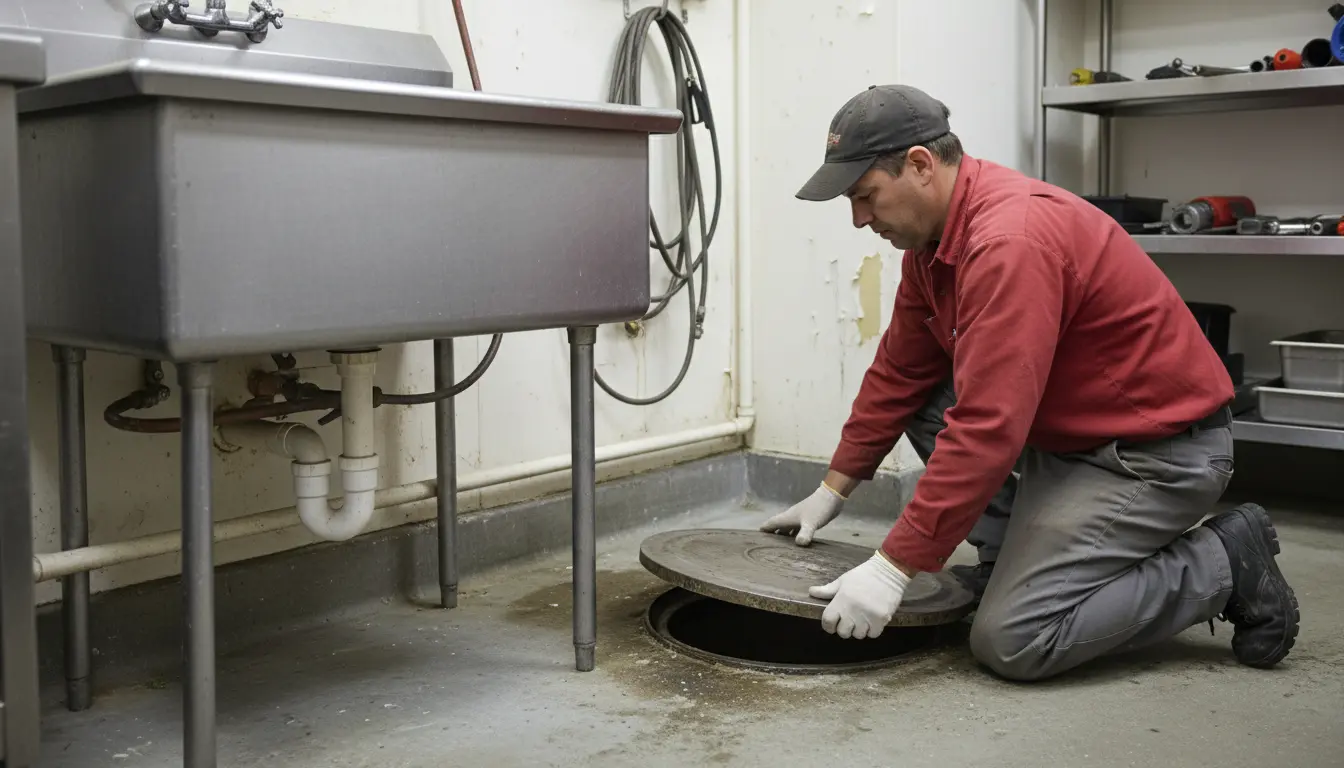
Find the Best Grease Trap Cleaning Companies for Your Business
No obligation • Fast responses • Nationwide coverage

Why you can trust Restaurant Waste Disposal
Restaurant Waste Disposal is a leading U.S. resource for comparing restaurant composting, food-waste recycling, grease trap cleaning, and used cooking oil collection services. Our editorial team researches providers, checks credentials, and organizes unbiased information so operators can make informed decisions. Companies cannot pay to change ratings or placement.
Search providers near you
Top Grease Trap Cleaning Companies in Glenview, Illinois Ranked
For restaurant owners and food service operators in Glenview, maintaining a clean and compliant grease trap or interceptor is a non-negotiable aspect of daily business. These systems are your first line of defense against fats, oils, and grease (FOG) entering the municipal sewer lines, protecting your property from backups and the Village from costly infrastructure damage. Illinois state law and local Glenview ordinances mandate that all food service establishments have and properly maintain these devices. This involves regular pumping by a licensed hauler, diligent record-keeping, and ensuring easy access for service. Understanding the specific requirements and costs for grease interceptor maintenance is essential for smooth operations and avoiding significant fines or even license suspension.
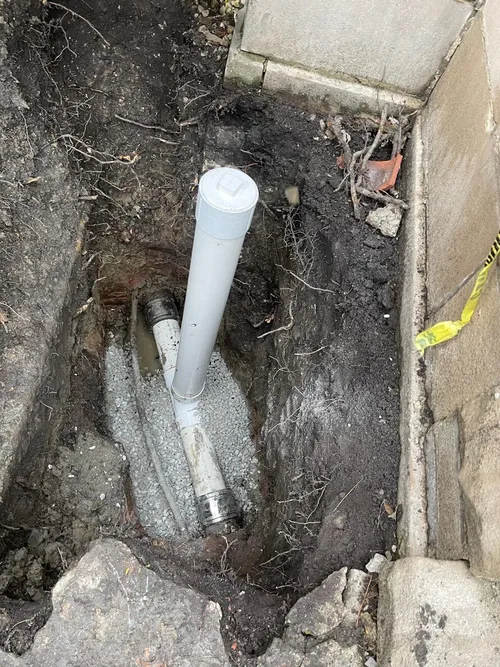
Chicago Sewer Experts
4320 1st Ave Unit 108, Lyons, IL 60534
Chicago Sewer Experts provides residential and commercial plumbing and drain cleaning services in Chicago, IL. With over 20 years of experience, they specialize in emergency plumbing repairs, drain cleaning, hydro jetting, sewer camera inspections, grease trap services, and sump pump installation and repair. The company is available 24/7 for emergency plumbing needs and serves the greater Chicago area with licensed and insured contractors.
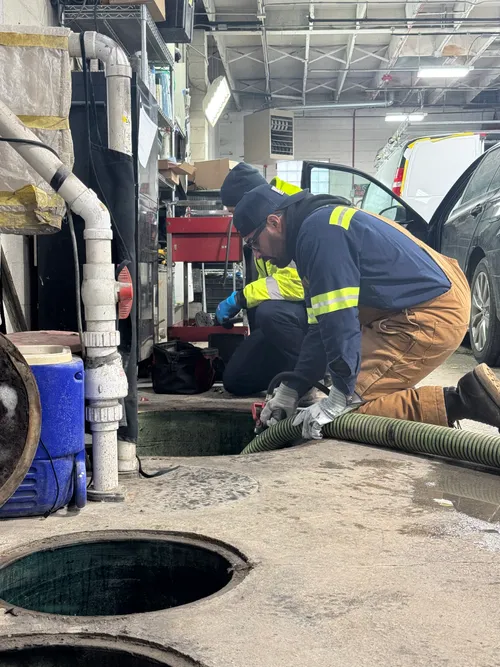
A&J Sewer Service
1055 Courtesy Dr, Wheeling, IL 60090
A&J Sewer Service provides grease trap cleaning and sewer system maintenance in Chicago, IL. They use advanced sewer televising technology to inspect sewer lines and offer services including sewer line cleanouts and sump pump installation and maintenance. Their grease trap cleaning services cater to food service businesses, helping prevent clogs and maintain compliance with health regulations. The company combines traditional methods with modern technology to support efficient sewer system operation and infrastructure longevity.
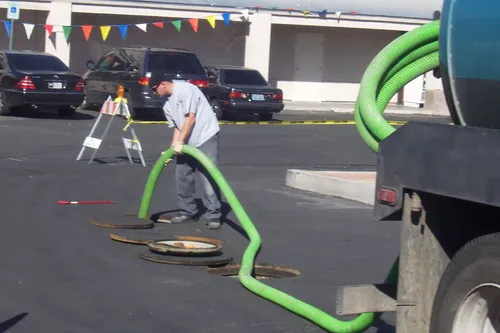
Chicago Grease Trap Cleaning
Chicago, IL
Chicago Grease Trap Cleaning provides professional grease trap and interceptor pumping and cleaning services in Chicago, IL, and the surrounding 30-mile radius. They serve a wide range of clients including restaurants, schools, residential, commercial, industrial, and manufacturing facilities. The company is a City of Chicago permitted transporter and specializes in maintaining compliance with local health and safety codes by keeping detailed service records. Their services include grease trap cleaning, pumping, and maintenance, with capabilities such as high-pressure hydro jet cleaning and environmentally responsible waste disposal. Chicago Grease Trap Cleaning offers flexible scheduling including early-hour and late-night services to minimize disruption to business operations.

A&P Grease Trappers, Inc
801 N Raddant Rd, Batavia, IL 60510
A&P Grease Trappers, Inc is a family-owned business serving Aurora, IL, and the Chicagoland area since 2006. They specialize in grease trap cleaning, fryer oil recycling and buy-back, drain and sewer cleaning, septic tank pumping, and RPZ testing. Their licensed professionals use modern equipment to maintain compliance and ensure efficient operations for restaurants, businesses, and municipalities. The company offers 24-hour emergency services with a commitment to respond within one hour for urgent needs.
Understanding Local and State Grease Trap Regulations
Compliance in Glenview is governed by a combination of state and local codes. The primary rulebook is the Illinois Plumbing Code, which sets the baseline for grease interceptor installation and function. Glenview's own municipal code, specifically Section 11-92, adds another layer of local requirements that establishments must follow. These regulations aren't just suggestions; they are enforceable laws designed to keep the public sewer system functioning for everyone.
The core mandate is simple: every food service establishment must have a properly sized and functioning grease removal device. This could be a smaller indoor grease trap under a sink or a large, in-ground grease interceptor outside. The key is that the device must be maintained according to its usage and capacity. Enforcement falls to local authorities, typically the Glenview Public Works Department or the Village's building and health inspectors, who can issue violations for non-compliance.
The Critical Importance of Regular Maintenance
Why is such a fuss made over grease trap cleaning? The consequences of neglect are severe and costly. Inside your pipes, FOG cools and solidifies, creating stubborn blockages that can lead to:
- Sewage backups into your restaurant, causing health hazards, property damage, and temporary closure.
- Expensive emergency plumbing bills far exceeding the cost of routine maintenance.
- Sanitary sewer overflows (SSOs) in the community, which result in environmental pollution and trigger heavy fines from regulatory bodies that are often passed on to the responsible business.
Regular pumping prevents this by removing the accumulated FOG and solids before they can escape the interceptor and cause problems. A well-maintained system is not just a legal requirement; it's a crucial investment in protecting your business's physical space and financial health.
Determining Your Pumping Schedule
There is no universal schedule that fits every restaurant. The frequency of grease interceptor service depends entirely on your establishment's FOG output. A high-volume diner or pizza shop will need service much more often than a low-traffic coffee shop. Common factors influencing schedule include:
- Type of cuisine: Fried foods and meat-heavy dishes generate more grease.
- Volume of meals served: More dishes washed means more grease entering the trap.
- Size/capacity of your interceptor: A smaller trap fills faster.
As a general rule, most busy Glenview restaurants require professional grease trap pumping every 1 to 3 months 1. Your licensed service provider can help you establish an optimal schedule after an initial assessment. They may recommend a specific cadence based on the amount of grease recovered during each service. Keeping a detailed log is part of your compliance documentation.
Choosing a Licensed Service Provider in Glenview
This is one of the most important decisions for compliance. Illinois law requires that grease trap waste be handled and disposed of by a state-licensed grease hauler 2. Hiring an unlicensed company puts you at risk of violation, as improper disposal can be traced back to your business.
When selecting a provider for grease interceptor cleaning, ensure they are licensed with the Illinois Environmental Protection Agency (IEPA). A reputable company will provide you with a detailed service manifest or report after each cleaning. This document is your proof of compliance and must be kept on file for inspection. It should include the date, volume of waste removed, the disposal facility used, and the hauler's license number.
Find the perfect grease trap cleaning companies for your needs
Get personalized recommendations and expert advice
Costs Associated with Grease Trap Service
The price for grease trap pumping in the Glenview area varies based on several key factors. It's typically a service fee rather than a simple per-gallon rate. Understanding these factors can help you budget effectively:
- Interceptor Size and Type: A small, indoor grease trap (e.g., under a three-compartment sink) generally costs between $150 and $400 per scheduled service 3. A large, in-ground external interceptor requires more labor and equipment, with prices ranging from $500 to $1,200 or more per service 3 4.
- Service Frequency and Contract: Regularly scheduled maintenance on a contract is almost always less expensive than a one-time or emergency call.
- Accessibility and Condition: If the interceptor lid is buried, paved over, or otherwise difficult to access, you will incur additional labor charges. Severe neglect leading to a completely solidified trap also increases cost.
- Emergency vs. Scheduled: A reactive service call for a clogged or overflowing trap will carry a significant premium over a planned, routine cleaning 5.
Always request detailed quotes from several licensed providers to compare services and costs for your specific situation.
Best Practices for Restaurant Staff
Proper maintenance isn't just the hauler's job. Your kitchen staff plays a vital role in extending time between services and keeping the system running smoothly.
- Scrape, Don't Rinse: All cookware, plates, and pans should be thoroughly scraped into a trash or compost bin before they enter the dish pit. Food solids belong in the garbage, not the grease trap 6.
- Avoid Food Disposals: If possible, do not use a garbage disposal. These units send food particles into the interceptor, where they mix with grease to form a thick, difficult-to-remove sludge that fills the tank faster.
- Maintain Accessibility: Ensure the lid to your external interceptor is always clear and easy to open. Never store equipment or pile materials on top of it.
- Keep Good Records: Designate a binder or digital folder for all service manifests and inspection reports. This makes compliance checks quick and stress-free.
Navigating Inspections and Compliance
Local inspectors may check your grease control system during routine health or building inspections. Being prepared is straightforward if you follow the rules. Have your file of service manifests readily available. They will want to see a consistent history of pumping by a licensed hauler. The inspector will also likely check for visible signs of overflow, proper labeling, and general accessibility of the interceptor 7.
If you receive a violation notice, act promptly. It will typically outline the specific deficiency and a timeframe for correction. Your first call should be to your licensed grease hauler to schedule the required service. For questions about Glenview's specific local code interpretations, you can contact the Glenview Village Hall, directing your inquiry to the Public Works or Community Development Department 8.
Frequently asked questions
Sources
Footnotes
-
Grease Trap Pumping | Chicagoland - https://www.apgreasetrappers.com/grease-trap-pumping ↩
-
Grease Trap Restaurant: The Essential Guide - https://therestaurantwarehouse.com/blogs/restaurant-equipment/grease-trap-restaurant-guide ↩
-
The Cost To Clean A Grease Trap For Restaurants - https://thegreasecompany.com/blog/greasetrapcleaningcost/ ↩ ↩2
-
Restaurant Grease Trap & Interceptor Cleaning Cost - https://greasemanagement.org/pricing.html ↩
-
Chicago's Complete Grease Trap Cleaning & Maintenance ... - https://www.myshyft.com/blog/grease-trap-cleaning-chicago-illinois/ ↩
-
The Role of Grease Interceptors in Chicago Restaurants: Why They're Essential for Compliance and Efficiency - https://evergreengrease.com/posts/grease-interceptors-compliance-efficiency ↩
-
Ill. Admin. Code tit. 77, § 890.510 - Grease Interceptor Requirements - https://www.law.cornell.edu/regulations/illinois/Ill-Admin-Code-tit-77-SS-890.510 ↩
-
Sec. 11-92. Grease Trap/Interceptor Requirements: - https://codelibrary.amlegal.com/codes/justice/latest/justice_il/0-0-0-8923 ↩