Find the Best Grease Trap Cleaning Companies for Your Business
No obligation • Fast responses • Nationwide coverage

Why you can trust Restaurant Waste Disposal
Restaurant Waste Disposal is a leading U.S. resource for comparing restaurant composting, food-waste recycling, grease trap cleaning, and used cooking oil collection services. Our editorial team researches providers, checks credentials, and organizes unbiased information so operators can make informed decisions. Companies cannot pay to change ratings or placement.
Search providers near you
Top Grease Trap Cleaning Companies in Evanston, Illinois Ranked
For restaurant owners and food service operators in Evanston, managing fats, oils, and grease (FOG) is a critical operational and legal responsibility. Proper grease interceptor maintenance is not just about preventing clogs and odors; it's a mandatory requirement enforced by local and state authorities to protect the city's sewer infrastructure and the environment. Compliance involves regular cleaning by licensed professionals, meticulous record-keeping, and understanding the specific ordinances that govern your establishment. This guide provides essential information on navigating grease trap cleaning requirements, costs, and best practices specifically for businesses in Evanston.
Kevin Szabo Jr Plumbing of Crestwood
Joliet, IL
Kevin Szabo Jr Plumbing of Crestwood provides residential and commercial plumbing services throughout Joliet, IL, and the surrounding South Suburbs. The company offers a wide range of plumbing solutions including grease trap cleaning, water heater installation and repair, sump and ejector pump services, sewer line maintenance, and video camera sewer inspections. With over 50 years of experience, they serve communities such as Tinley Park, Orland Park, Oak Lawn, and more. They are licensed, bonded, and insured, and provide 24/7 emergency plumbing assistance to accommodate urgent needs.
Chicago Sewer Experts
4320 1st Ave Unit 108, Lyons, IL 60534
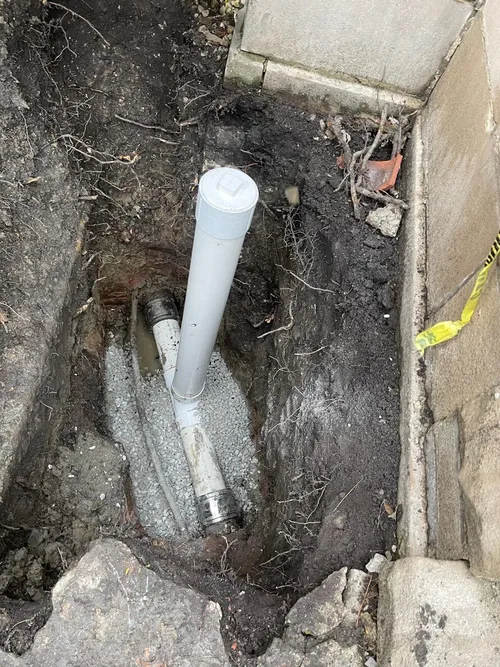
Chicago Sewer Experts provides residential and commercial plumbing and drain cleaning services in Chicago, IL. With over 20 years of experience, they specialize in emergency plumbing repairs, drain cleaning, hydro jetting, sewer camera inspections, grease trap services, and sump pump installation and repair. The company is available 24/7 for emergency plumbing needs and serves the greater Chicago area with licensed and insured contractors.
A&J Sewer Service
1055 Courtesy Dr, Wheeling, IL 60090
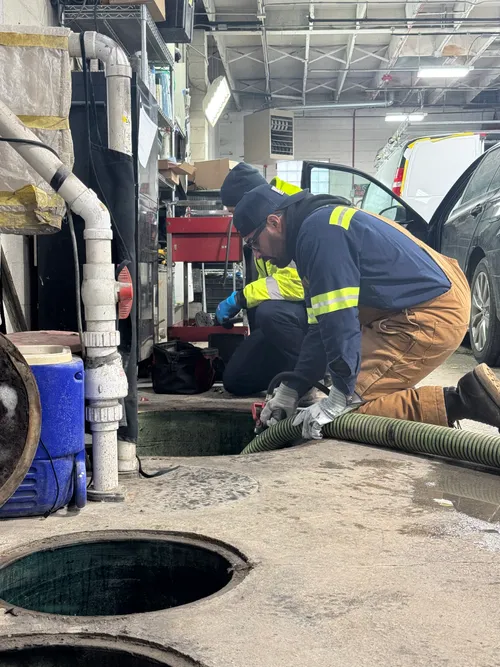
A&J Sewer Service provides grease trap cleaning and sewer system maintenance in Chicago, IL. They use advanced sewer televising technology to inspect sewer lines and offer services including sewer line cleanouts and sump pump installation and maintenance. Their grease trap cleaning services cater to food service businesses, helping prevent clogs and maintain compliance with health regulations. The company combines traditional methods with modern technology to support efficient sewer system operation and infrastructure longevity.
Chicago Grease Trap Cleaning
Chicago, IL
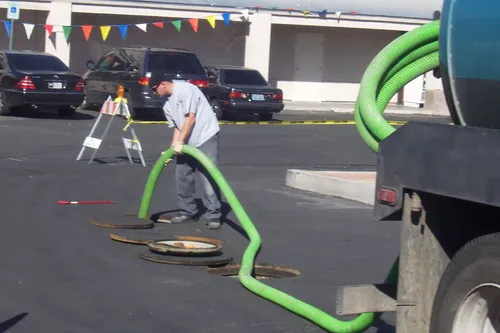
Chicago Grease Trap Cleaning provides professional grease trap and interceptor pumping and cleaning services in Chicago, IL, and the surrounding 30-mile radius. They serve a wide range of clients including restaurants, schools, residential, commercial, industrial, and manufacturing facilities. The company is a City of Chicago permitted transporter and specializes in maintaining compliance with local health and safety codes by keeping detailed service records. Their services include grease trap cleaning, pumping, and maintenance, with capabilities such as high-pressure hydro jet cleaning and environmentally responsible waste disposal. Chicago Grease Trap Cleaning offers flexible scheduling including early-hour and late-night services to minimize disruption to business operations.
Tierra Environmental & Industrial
3821 Indianapolis Blvd, East Chicago, IN 46312
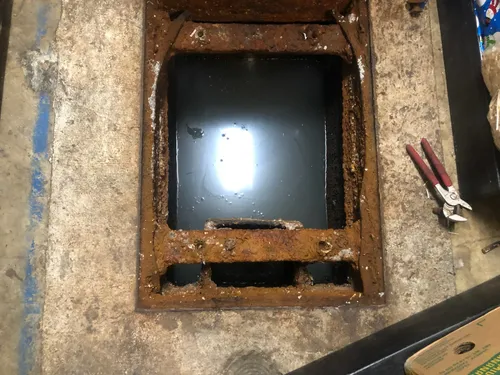
Tierra Environmental & Industrial is a grease trap cleaning company based in Chicago, IL, providing comprehensive industrial and commercial cleaning services across the Midwest. Their offerings include grease trap pumping, vacuum truck waste removal, tank and silo cleaning, catch basin maintenance, hydro jetting, sewer cleaning, and advanced sewer camera inspections. They serve various industries with specialized equipment and confined space-certified technicians to ensure regulatory compliance and operational efficiency. Tierra Environmental also provides 24/7 emergency cleanup services for spills, flooding, and sewer backups, supported by HAZMAT-trained personnel and detailed documentation.
Understanding Evanston's Grease Interceptor Regulations
Evanston's regulations align with Illinois state codes, which mandate that all food service establishments install and maintain grease interceptors or traps. The primary goal of these rules is FOG control-keeping grease out of the public sewer system to prevent blockages, sanitary sewer overflows, and environmental damage 1. The local authority for enforcement is typically the City Health Department or Public Works office, which conducts regular inspections to ensure compliance.
A key rule is that you must use a State of Illinois-licensed grease hauler for all periodic cleaning and disposal services. Furthermore, grease interceptors should not receive discharge from food waste disposals, as this can overwhelm the system and reduce its effectiveness 2. Non-compliance can lead to significant penalties, including fines, mandatory corrective actions, or even suspension of your business license.
Determining Your Cleaning Frequency and Schedule
How often should you have your grease trap or interceptor serviced? The frequency is not one-size-fits-all; it depends on your kitchen's volume and the specific local ordinances. A common mandate is quarterly cleaning, or every 90 days. However, for high-volume establishments, monthly or bi-monthly service may be necessary.
The best practice is to establish a scheduled maintenance plan with your licensed service provider. They can assess your trap's size and your kitchen's output to recommend an optimal schedule that keeps you in compliance and prevents system failures. Regular pumping is far more cost-effective than reacting to an emergency. Waiting until you notice slow drains or odors often means the FOG has already begun to solidify and cause problems downstream, leading to more extensive and expensive cleanups.
Find the perfect grease trap cleaning companies for your needs
Get personalized recommendations and expert advice
Cost Factors for Grease Trap Pumping in Evanston
The cost for professional grease interceptor cleaning in Evanston varies based on several factors. Understanding these can help you budget effectively and avoid unexpected expenses.
- Trap Size and Type: Larger, in-ground grease interceptors cost more to service than smaller, under-sink grease traps.
- Accessibility: Is your trap easily accessible in a parking lot, or is it located in a confined basement space? Difficult access can increase labor time and cost.
- Service Type: Scheduled maintenance is significantly less expensive than emergency service.
- Volume of Waste: The amount of FOG and solids removed during the pumping affects disposal costs.
For a standard scheduled service visit in the Evanston area, you can expect costs to range from $125 to over $4003 4 5. In contrast, emergency grease trap cleaning calls, which often require immediate response and more intensive labor, can range from $800 to $1,200 or more6 7. Investing in regular maintenance is the most reliable way to control these costs and ensure uninterrupted kitchen operations.
The Critical Importance of Service Documentation
One of the most overlooked yet crucial aspects of compliance is record-keeping. Evanston and Illinois regulations require you to maintain detailed records of all grease interceptor cleaning and maintenance for a minimum of three years. These logs should include:
- Date of service
- Name and Illinois license number of the servicing company
- Volume of grease/waste removed
- Disposal location (the licensed facility where the waste was taken)
During an inspection by the Health Department or Public Works, these records will be the first thing requested. Complete and organized documentation demonstrates proactive compliance and can streamline the inspection process. Your licensed hauler should provide a detailed service report after each visit; ensure you file these immediately.
Choosing a Licensed Service Provider
Selecting the right partner for your grease trap maintenance is essential. Always verify that any provider you consider holds a valid State of Illinois license for grease waste hauling. Licensed professionals understand the local Evanston codes, know the proper disposal facilities, and provide the necessary documentation for your records.
When evaluating providers, ask about their service plans, response times for emergencies, and the detail included in their service reports. A reputable company will be transparent about costs and willing to conduct an initial assessment of your interceptor to recommend an appropriate maintenance schedule.
Proactive Steps for Evanston Restaurant Owners
To ensure compliance and protect your business, follow these key steps:
- Contact Evanston Authorities: Reach out to the City Health Department or Public Works office to confirm the specific local ordinances and required service frequencies for your establishment.
- Hire a Licensed Hauler: Contract with an Illinois-licensed grease trap cleaning company for regular service8.
- Schedule Proactive Maintenance: Set up a recurring cleaning schedule based on your usage and legal requirements to avoid emergencies.
- Maintain Impeccable Records: Keep all service logs organized and on-site for at least three years9 10.
- Train Your Staff: Educate kitchen employees on best practices for minimizing FOG discharge, such as scraping plates and using sink baskets.
Frequently asked questions
Sources
Footnotes
-
Grease Trap Cleaning Evanston IL - https://www.jsewerandplumbing.com/grease-trap-cleaning-evanston-il/ ↩
-
Ill. Admin. Code tit. 77, § 890.510 - Grease Interceptor Requirements - https://www.law.cornell.edu/regulations/illinois/Ill-Admin-Code-tit-77-SS-890.510 ↩
-
How to Clean a Grease Trap (and How Often You Should) - https://greaseconnections.com/how-to-clean-a-grease-trap-and-how-often-you-should/ ↩
-
Grease Trap Cleaning Prices | Guide on the Industry Average - https://grease-cycle.com/grease-trap-pumping-cost/ ↩
-
The Cost To Clean A Grease Trap For Restaurants - https://thegreasecompany.com/blog/greasetrapcleaningcost/ ↩
-
Ultimate Grease Trap Pumping Cost Guide: Essential Money-Saving ... - https://www.texwaywastewater.com/grease-trap-pumping-cost/ ↩
-
How Much Does it Cost to Clean a Grease Trap Professionally? - https://www.jsewerandplumbing.com/how-much-does-it-cost-to-clean-a-grease-trap-professionally/ ↩
-
The Role of Grease Interceptors in Chicago Restaurants - https://evergreengrease.com/posts/grease-interceptors-compliance-efficiency ↩
-
Sec. 11-92. Grease Trap/Interceptor Requirements: - https://codelibrary.amlegal.com/codes/justice/latest/justice_il/0-0-0-8923 ↩
-
Grease Traps for Restaurants: The Essential Guide - https://therestaurantwarehouse.com/blogs/restaurant-equipment/grease-trap-for-restaurant-guide ↩