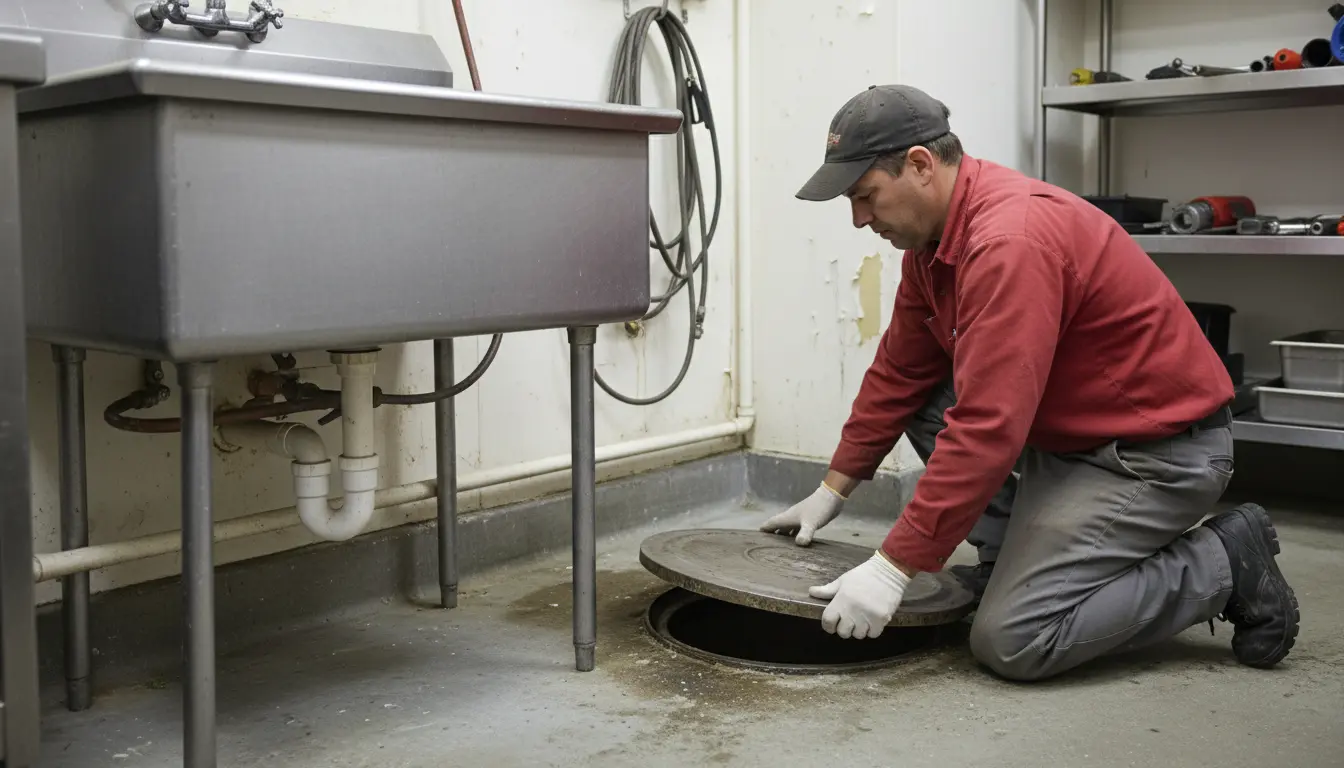
Find the Best Grease Trap Cleaning Companies for Your Business
No obligation • Fast responses • Nationwide coverage

Why you can trust Restaurant Waste Disposal
Restaurant Waste Disposal is a leading U.S. resource for comparing restaurant composting, food-waste recycling, grease trap cleaning, and used cooking oil collection services. Our editorial team researches providers, checks credentials, and organizes unbiased information so operators can make informed decisions. Companies cannot pay to change ratings or placement.
Search providers near you
Top Grease Trap Cleaning Companies in Buffalo Grove, Illinois Ranked
For restaurant owners and managers in Buffalo Grove, maintaining a clean and compliant grease trap or interceptor is a critical, non-negotiable part of daily operations. These systems are your first line of defense against costly sewer backups, unpleasant odors, and significant fines from local health and sewer authorities. Regular grease interceptor maintenance is not just about following the rules-it's about protecting your business's plumbing, ensuring a safe and hygienic kitchen environment, and contributing to the health of the community's wastewater infrastructure. This guide outlines the specific requirements, best practices, and local considerations for effective grease management in Buffalo Grove.
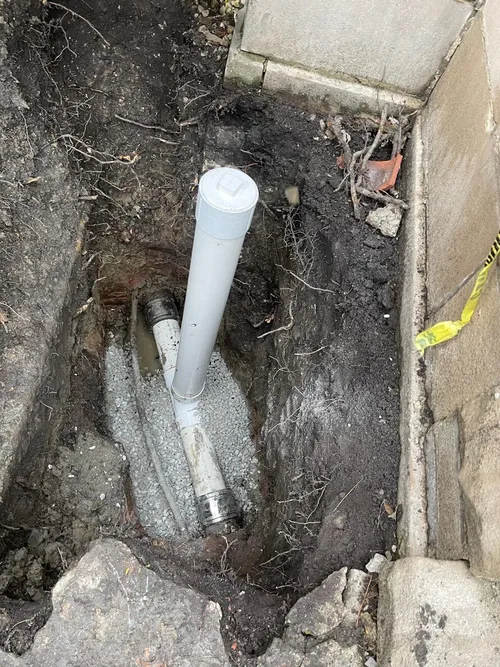
Chicago Sewer Experts
4320 1st Ave Unit 108, Lyons, IL 60534
Chicago Sewer Experts provides residential and commercial plumbing and drain cleaning services in Chicago, IL. With over 20 years of experience, they specialize in emergency plumbing repairs, drain cleaning, hydro jetting, sewer camera inspections, grease trap services, and sump pump installation and repair. The company is available 24/7 for emergency plumbing needs and serves the greater Chicago area with licensed and insured contractors.
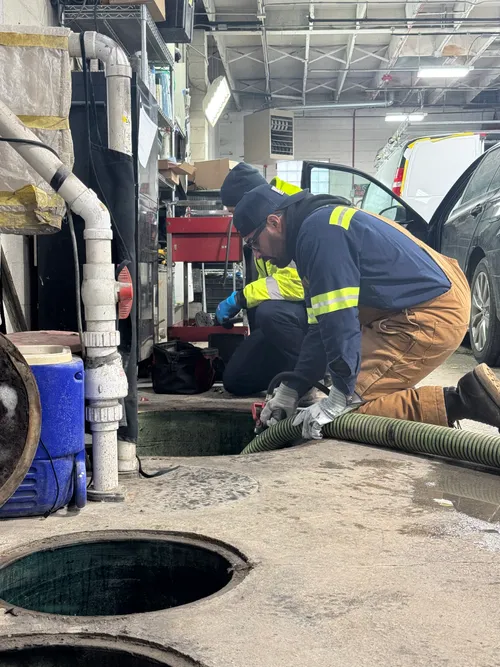
A&J Sewer Service
1055 Courtesy Dr, Wheeling, IL 60090
A&J Sewer Service provides grease trap cleaning and sewer system maintenance in Chicago, IL. They use advanced sewer televising technology to inspect sewer lines and offer services including sewer line cleanouts and sump pump installation and maintenance. Their grease trap cleaning services cater to food service businesses, helping prevent clogs and maintain compliance with health regulations. The company combines traditional methods with modern technology to support efficient sewer system operation and infrastructure longevity.
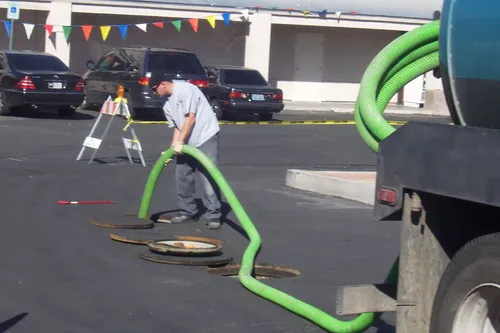
Chicago Grease Trap Cleaning
Chicago, IL
Chicago Grease Trap Cleaning provides professional grease trap and interceptor pumping and cleaning services in Chicago, IL, and the surrounding 30-mile radius. They serve a wide range of clients including restaurants, schools, residential, commercial, industrial, and manufacturing facilities. The company is a City of Chicago permitted transporter and specializes in maintaining compliance with local health and safety codes by keeping detailed service records. Their services include grease trap cleaning, pumping, and maintenance, with capabilities such as high-pressure hydro jet cleaning and environmentally responsible waste disposal. Chicago Grease Trap Cleaning offers flexible scheduling including early-hour and late-night services to minimize disruption to business operations.

A&P Grease Trappers, Inc
801 N Raddant Rd, Batavia, IL 60510
A&P Grease Trappers, Inc is a family-owned business serving Aurora, IL, and the Chicagoland area since 2006. They specialize in grease trap cleaning, fryer oil recycling and buy-back, drain and sewer cleaning, septic tank pumping, and RPZ testing. Their licensed professionals use modern equipment to maintain compliance and ensure efficient operations for restaurants, businesses, and municipalities. The company offers 24-hour emergency services with a commitment to respond within one hour for urgent needs.
Understanding Local and State Regulations
Compliance in Buffalo Grove starts with knowing the rules. Your establishment must adhere to both the Illinois State Plumbing Code and local Village ordinances, which work in tandem to regulate grease interceptors.
Illinois State Plumbing Code (77 Ill. Admin. Code § 890.510) This code sets the foundational standards for grease interceptor installation and materials. It requires that all grease interceptors (GIs) be constructed of durable, watertight, and non-absorbent materials with securely fastened covers to prevent leaks and accidents 1 2. The code also provides guidelines for sizing the interceptor based on the flow rate of the connected fixtures, ensuring it has the capacity to effectively separate fats, oils, and grease (FOG) from wastewater before it enters the public sewer system.
Buffalo Grove Village Ordinances While the state sets the baseline, local enforcement is key. Buffalo Grove has specific ordinances that mandate the frequency of cleaning and proper disposal practices. It is common for local codes to require pumping and cleaning at minimum intervals, such as every 90 days (quarterly), or more frequently based on the interceptor's capacity and your kitchen's volume 3. The contents must be properly disposed of into the village's approved sewer system, not haphazardly dumped.
The Critical Role of Documentation One of the most emphasized aspects of compliance is record-keeping. You are required to maintain detailed service records, often called manifests or receipts, from every grease trap cleaning for a minimum of three years. These documents are your proof of due diligence and are the first thing an inspector will ask to see. They should include the date of service, the company that performed it, the volume of waste removed, and the disposal location.
Inspection and Enforcement: What to Expect
Local health and sewer departments conduct regular inspections to ensure compliance. These inspections can be scheduled or unannounced, so consistent maintenance is crucial.
The Inspection Process During an inspection, officials will typically:
- Review your cleaning manifests and maintenance records for the past several years.
- Physically inspect the grease interceptor to check its condition, looking for signs of neglect, overfilling, or damage.
- Verify that cleaning is occurring at the required frequency. Many jurisdictions follow the "25% rule," which states that a trap should be cleaned once the combined FOG and solids accumulate to 25% of the liquid depth 4 5.
Consequences of Non-Compliance Failing an inspection can have serious repercussions for your business:
- Fines: Monetary penalties for violations can be substantial.
- Emergency Order: You may be ordered to get an emergency cleaning immediately, which costs significantly more than scheduled service.
- Operational Disruption: In severe cases of neglect leading to sewer blockages or public health risks, authorities can mandate a temporary shutdown of your kitchen until the issue is resolved.
Staying ahead of inspections with a proactive maintenance schedule is the most effective way to avoid these costly and disruptive scenarios.
Cost Breakdown for Grease Interceptor Services
Understanding the costs associated with grease trap maintenance helps in budgeting and highlights the value of regular service over emergency repairs. Prices vary based on the size and location of your interceptor (indoor vs. outdoor), your restaurant's volume, and the service frequency.
Standard Scheduled Maintenance
- Small Indoor Traps (Requiring Monthly Service): $75 - $225 per cleaning 6.
- Larger Interceptors (Quarterly or Bi-Monthly Service): $250 - $400+ per service visit 7.
Emergency Service Premium Neglecting regular maintenance almost guarantees you'll need an emergency pump-out. This service, often required after-hours or on short notice to avoid a violation or backup, can cost $800 - $1,200 or more per call-easily triple or quadruple the price of scheduled maintenance 8 9.
Find the perfect grease trap cleaning companies for your needs
Get personalized recommendations and expert advice
Creating Your Buffalo Grove Grease Management Action Plan
A systematic approach ensures you remain in compliance and avoid unexpected costs. Follow this action plan to establish a robust grease management program for your restaurant.
1. Know Your System Identify the type, size, and location (indoor grease trap or outdoor grease interceptor) of your equipment. Understanding its capacity and how it connects to your kitchen drains is the first step.
2. Secure Proper Permits Ensure all necessary permits for your grease interceptor installation and operation are secured from the Village of Buffalo Grove or the relevant local authority. Your service provider can often assist with this.
3. Hire a Qualified Professional Service Partner with a licensed, insured, and reputable local grease trap cleaning company. Look for providers familiar with Buffalo Grove's specific codes and inspection expectations, such as those servicing the area 10 11 12. They will handle the pumping, cleaning, and proper disposal of FOG waste in accordance with local regulations.
4. Establish a Proactive Cleaning Schedule Don't wait for problems. Based on your kitchen's output and local mandates, schedule cleanings quarterly as a baseline. High-volume establishments or those with smaller traps may require monthly service. A reliable provider can recommend the optimal frequency after an initial assessment.
5. Meticulously Document Every Service File every service manifest and receipt in an organized, easily accessible manner. Digital and physical copies are recommended. This log is your primary evidence of compliance and should be maintained for at least three years 13.
6. Train Your Kitchen Staff Proper grease management starts at the source. Educate your staff on best practices to minimize FOG entering the drains, such as scraping plates into trash bins before washing and using sink strainers. This can extend the time between necessary pump-outs and improve the overall efficiency of your interceptor.
The Environmental and Community Impact
Beyond compliance, effective grease trap maintenance plays a vital role in environmental stewardship. When FOG is improperly disposed of, it can solidify in sewer lines, leading to blockages that cause sanitary sewer overflows (SSOs). These overflows can contaminate local waterways, harm wildlife, and create public health hazards. By ensuring your grease interceptor is functioning correctly and its contents are professionally handled, your restaurant actively contributes to protecting Lake Michigan's watershed and the local ecosystem. It's a key part of responsible business ownership in the community.
Frequently asked questions
Sources
Footnotes
-
Ill. Admin. Code tit. 77, § 890.510 - Grease Interceptor Requirements - https://www.law.cornell.edu/regulations/illinois/Ill-Admin-Code-tit-77-SS-890.510 ↩
-
DPH 77 ILLINOIS ADMINISTRATIVE CODE 890 SUBCHAPTER r (T ... - http://www.idph.state.il.us/envhealth/pdf/SOS%20Official%20Version%20Part%20890%20Plumbing%20Code%20Standard%20Paper%205%2030%2014.pdf ↩
-
Sec. 11-92. Grease Trap/Interceptor Requirements: - https://codelibrary.amlegal.com/codes/justice/latest/justice_il/0-0-0-8923 ↩
-
How to Clean a Grease Trap (and How Often You Should) - https://greaseconnections.com/how-to-clean-a-grease-trap-and-how-often-you-should/ ↩
-
Restaurant Grease Trap Cleaning: Step-by-Step Guide for Compliance & Efficiency - https://boh.ai/blog-article/maintaining-a-spotless-kitchen-a-guide-to-optimal-restaurant-grease-trap-cleaning-frequency-for-busy-restaurant-owners ↩
-
Restaurant Grease Trap & Interceptor Cleaning Cost - https://greasemanagement.org/pricing.html ↩
-
How Much Does It Cost To Clean A Grease Trap? - https://www.greasecollection.com/blog/how-much-does-it-cost-to-clean-a-grease-trap/ ↩
-
Ultimate Grease Trap Pumping Cost Guide: Essential Money-Saving ... - https://www.texwaywastewater.com/grease-trap-pumping-cost/ ↩
-
The Cost To Clean A Grease Trap For Restaurants - https://thegreasecompany.com/blog/greasetrapcleaningcost/ ↩
-
Grease Trap Cleaning in Buffalo Grove IL - https://greasetrapcleaningnorthbrook.com/buffalo-grove-il.html ↩
-
Grease Trap Cleaning in Buffalo Grove IL - https://northfieldgreasetrapcleaning.com/buffalo-grove-il.html ↩
-
Grease Trap Cleaning | Buffalo Grove, IL - https://www.apgreasetrappers.com/contact/grease-trap-cleaning-service-area/buffalo-grove-il ↩
-
Grease Trap Cleaning in Buffalo Grove IL - https://greasetrapcleaningmountprospect.com/buffalo-grove-il.html ↩