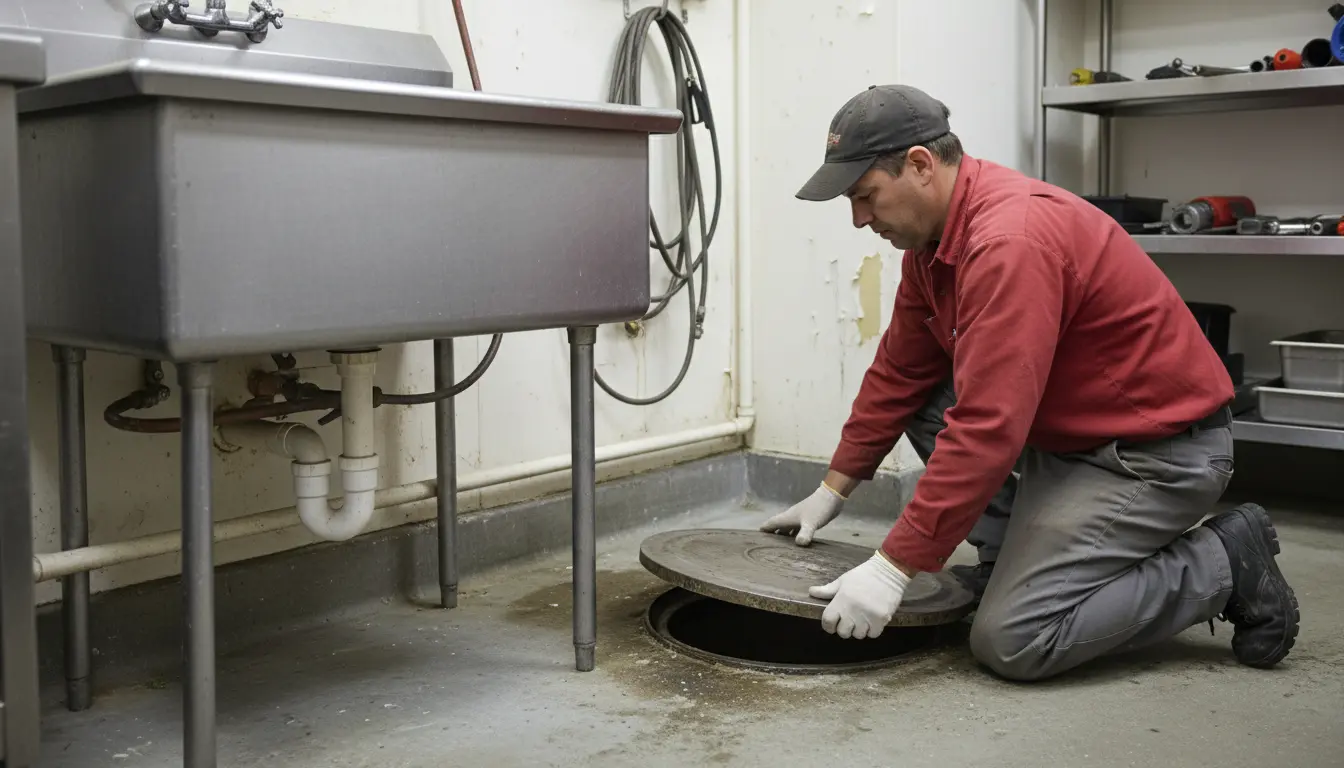
Find the Best Grease Trap Cleaning Companies for Your Business
No obligation • Fast responses • Nationwide coverage

Why you can trust Restaurant Waste Disposal
Restaurant Waste Disposal is a leading U.S. resource for comparing restaurant composting, food-waste recycling, grease trap cleaning, and used cooking oil collection services. Our editorial team researches providers, checks credentials, and organizes unbiased information so operators can make informed decisions. Companies cannot pay to change ratings or placement.
Search providers near you
Top Grease Trap Cleaning Companies in Bolingbrook, Illinois Ranked
For restaurant owners and food service operators in Bolingbrook, maintaining a clean and compliant grease interceptor is a critical, non-negotiable part of daily operations. These systems are your first line of defense against costly sewer blockages, unpleasant odors, and significant regulatory fines. Compliance is governed by a combination of Illinois state plumbing codes and specific local enforcement from the Bolingbrook Public Works and Health departments. Understanding the rules for proper grease trap maintenance, including mandated cleaning schedules and best practices for selecting a service provider, is essential for keeping your kitchen running smoothly and avoiding business interruptions.
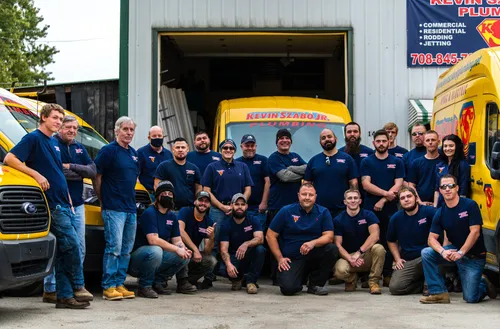
Kevin Szabo Jr Plumbing of Crestwood
Joliet, IL
Kevin Szabo Jr Plumbing of Crestwood provides residential and commercial plumbing services throughout Joliet, IL, and the surrounding South Suburbs. The company offers a wide range of plumbing solutions including grease trap cleaning, water heater installation and repair, sump and ejector pump services, sewer line maintenance, and video camera sewer inspections. With over 50 years of experience, they serve communities such as Tinley Park, Orland Park, Oak Lawn, and more. They are licensed, bonded, and insured, and provide 24/7 emergency plumbing assistance to accommodate urgent needs.
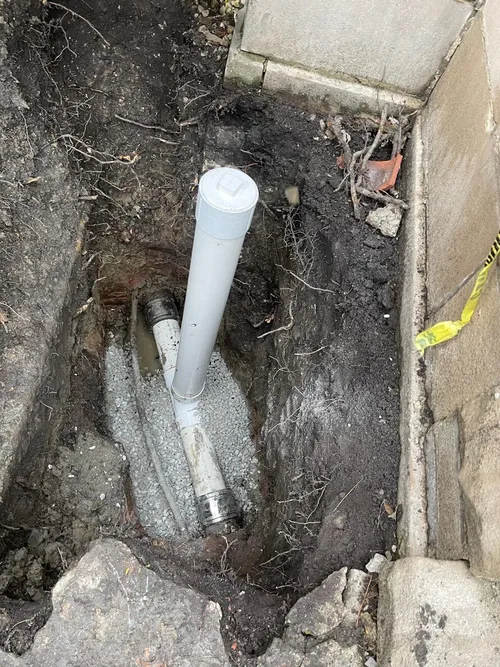
Chicago Sewer Experts
4320 1st Ave Unit 108, Lyons, IL 60534
Chicago Sewer Experts provides residential and commercial plumbing and drain cleaning services in Chicago, IL. With over 20 years of experience, they specialize in emergency plumbing repairs, drain cleaning, hydro jetting, sewer camera inspections, grease trap services, and sump pump installation and repair. The company is available 24/7 for emergency plumbing needs and serves the greater Chicago area with licensed and insured contractors.
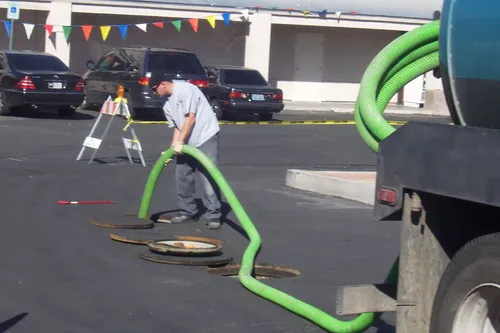
Chicago Grease Trap Cleaning
Chicago, IL
Chicago Grease Trap Cleaning provides professional grease trap and interceptor pumping and cleaning services in Chicago, IL, and the surrounding 30-mile radius. They serve a wide range of clients including restaurants, schools, residential, commercial, industrial, and manufacturing facilities. The company is a City of Chicago permitted transporter and specializes in maintaining compliance with local health and safety codes by keeping detailed service records. Their services include grease trap cleaning, pumping, and maintenance, with capabilities such as high-pressure hydro jet cleaning and environmentally responsible waste disposal. Chicago Grease Trap Cleaning offers flexible scheduling including early-hour and late-night services to minimize disruption to business operations.

A&P Grease Trappers, Inc
801 N Raddant Rd, Batavia, IL 60510
A&P Grease Trappers, Inc is a family-owned business serving Aurora, IL, and the Chicagoland area since 2006. They specialize in grease trap cleaning, fryer oil recycling and buy-back, drain and sewer cleaning, septic tank pumping, and RPZ testing. Their licensed professionals use modern equipment to maintain compliance and ensure efficient operations for restaurants, businesses, and municipalities. The company offers 24-hour emergency services with a commitment to respond within one hour for urgent needs.
Understanding Grease Interceptor Regulations in Illinois
At the state level, grease trap requirements are detailed in the Illinois Administrative Code (77 Ill. Adm. Code § 890.510). This code sets the foundational rules for commercial food establishments, specifying minimum interceptor sizes, proper construction with durable covers, approved flow rates, and strict prohibitions against connecting food waste disposal units directly to the trap 1. These regulations are designed to prevent fats, oils, and grease (FOG) from entering the municipal sewer system, where they can solidify and cause major backups.
The Village of Bolingbrook enforces these state codes locally. The ultimate authority on your specific requirements lies with the Bolingbrook Public Works Department or the local Health Department. They can provide the exact specifications for your facility, including the approved size and location for your interceptor, and they dictate the legally binding cleaning frequency you must follow. It is your responsibility as a business owner to contact these departments to confirm your obligations, as assumptions can lead to non-compliance.
Determining Your Required Cleaning Schedule
How often must you have your grease trap or interceptor serviced? The schedule is not one-size-fits-all; it depends on your establishment's volume and local mandates. A common industry guideline is cleaning every 1 to 3 months for high-volume kitchens like busy restaurants 2. Many jurisdictions, including Bolingbrook, often base the official requirement on the "25% rule," which states that a trap must be cleaned once the combined FOG and solids accumulate to 25% of the unit's liquid depth 2.
Some municipalities mandate a fixed schedule, such as quarterly (every 90 days) cleanings, regardless of volume. The only way to know your legally required frequency is to check with Bolingbrook officials. They will inform you if you fall under a specific time-based mandate or if you must monitor and clean based on the 25% capacity rule, requiring you to keep accurate records as proof of compliance 3 4.
Consequences of Non-Compliance
Failing to adhere to grease trap maintenance schedules can have serious and expensive consequences. Enforcement actions typically begin when problems arise, such as slow-draining sinks, foul odors emanating from drains, or worse-a grease-related sewer backup or spill. Health and plumbing inspectors can issue substantial fines for violations. Furthermore, they can issue orders for immediate, emergency cleaning services, which are often far more costly than routine maintenance.
Beyond fines, non-compliance can lead to a "Cease and Desist" order, forcing a temporary business shutdown until the issue is rectified. This results in lost revenue, damaged reputation, and the high cost of emergency pump-out services. Proactive, scheduled maintenance is always more economical than reactive, enforced compliance.
What to Expect from Professional Grease Trap Pumping
A standard professional grease trap cleaning, or pumping service, involves a licensed hauler using a vacuum truck to remove all contents-grease, wastewater, and solids-from your interceptor. The technician will then thoroughly inspect the trap, clean the interior walls and baffles, and ensure it is functioning correctly before refilling it with clean water. They should provide you with a detailed service report or manifest, which you must keep on file for inspection purposes.
For most restaurants in Bolingbrook with standard, accessible grease traps, the cost for this routine pumping service typically ranges from $125 to $225 per visit 5 6. This is a baseline estimate for a standard service call. The final price can be influenced by several key factors, which are important to understand when budgeting for this essential service.
Find the perfect grease trap cleaning companies for your needs
Get personalized recommendations and expert advice
Factors Influencing Grease Trap Service Costs
While the average cost provides a benchmark, your specific price will depend on your unique setup. The primary factor is the size and type of your interceptor. A small, under-sink grease trap (e.g., 30-50 gallons) will generally cost less to service than a large, in-ground concrete grease interceptor holding several hundred gallons. The frequency of service also plays a role; signing up for a regular scheduled maintenance plan can often secure a better per-service rate compared to one-time emergency calls.
Accessibility is another major cost driver. A trap located in a cramped basement, behind equipment, or in a difficult-to-reach parking area may require additional labor or equipment, increasing the price. Finally, the amount of waste and its condition matters. A severely neglected trap that is completely full of hardened grease will require more labor-intensive cleaning than one serviced on a regular schedule. Always request a site-specific quote from service providers.
Choosing a Licensed and Reputable Service Provider
Selecting the right company for grease interceptor maintenance is crucial for both compliance and operational peace of mind. Your first priority should be to hire a licensed and insured pumper/hauler who is familiar with the specific codes and reporting requirements of Bolingbrook and the State of Illinois. They should understand the local inspection process and provide you with the proper documentation.
Look for a provider with a proven track record of reliability and excellent customer service in the commercial food service industry. They should be able to explain the process clearly, offer flexible scheduling to minimize disruption to your kitchen operations, and provide transparent, upfront pricing. A good provider acts as a partner in your compliance efforts, not just a vendor.
Best Practices for Ongoing Grease Management
Professional pumping is essential, but effective daily grease management extends beyond the trap itself. Implement kitchen best practices to extend the life of your interceptor and reduce service frequency. This includes scraping all plates, pots, and pans into a trash bin before washing, never pouring grease down any drain. Use sink strainers to catch food solids and empty them into the trash regularly.
Train your entire kitchen staff on these procedures. Post clear signage above sinks and dishwashing areas as a constant reminder. By minimizing the amount of FOG and solids that enter your drains, you help your grease trap function more efficiently, potentially lengthening the time between required pump-outs and saving your business money in the long run.
Record-Keeping and Preparation for Inspections
Meticulous record-keeping is your best defense during a health or plumbing inspection. Maintain a dedicated log or file with a copy of every service manifest from your grease trap cleaning provider. Each record should include the date of service, the name and license number of the hauler, the volume of waste removed, and the destination of the hauled waste (e.g., the approved rendering or wastewater treatment facility) 7.
Keep these records easily accessible for at least two to three years. During an inspection, being able to promptly produce this documentation demonstrates proactive compliance and can streamline the process. It also helps you track your own service history to anticipate future cleanings and manage costs effectively.
Frequently asked questions
Sources
Footnotes
-
Ill. Admin. Code tit. 77, § 890.510 - Grease Interceptor Requirements - https://www.law.cornell.edu/regulations/illinois/Ill-Admin-Code-tit-77-SS-890.510 ↩
-
How to Clean a Grease Trap (and How Often You Should) - https://greaseconnections.com/how-to-clean-a-grease-trap-and-how-often-you-should/ ↩ ↩2
-
Grease Traps for Restaurants: The Essential Guide - https://therestaurantwarehouse.com/blogs/restaurant-equipment/grease-trap-for-restaurant-guide ↩
-
Grease Trap Cleaning in Bolingbrook IL | Grease Interceptor ... - https://greasetrapcleaningbolingbrook.com/ ↩
-
The Cost To Clean A Grease Trap For Restaurants - https://thegreasecompany.com/blog/greasetrapcleaningcost/ ↩
-
Grease Trap Cleaning Prices | Guide on the Industry Average - https://grease-cycle.com/grease-trap-pumping-cost/ ↩
-
Restaurant Drain Specialists | Bolingbrook, IL - https://www.apgreasetrappers.com/contact/restaurant-drain-specialists-service-area/bolingbrook-il ↩