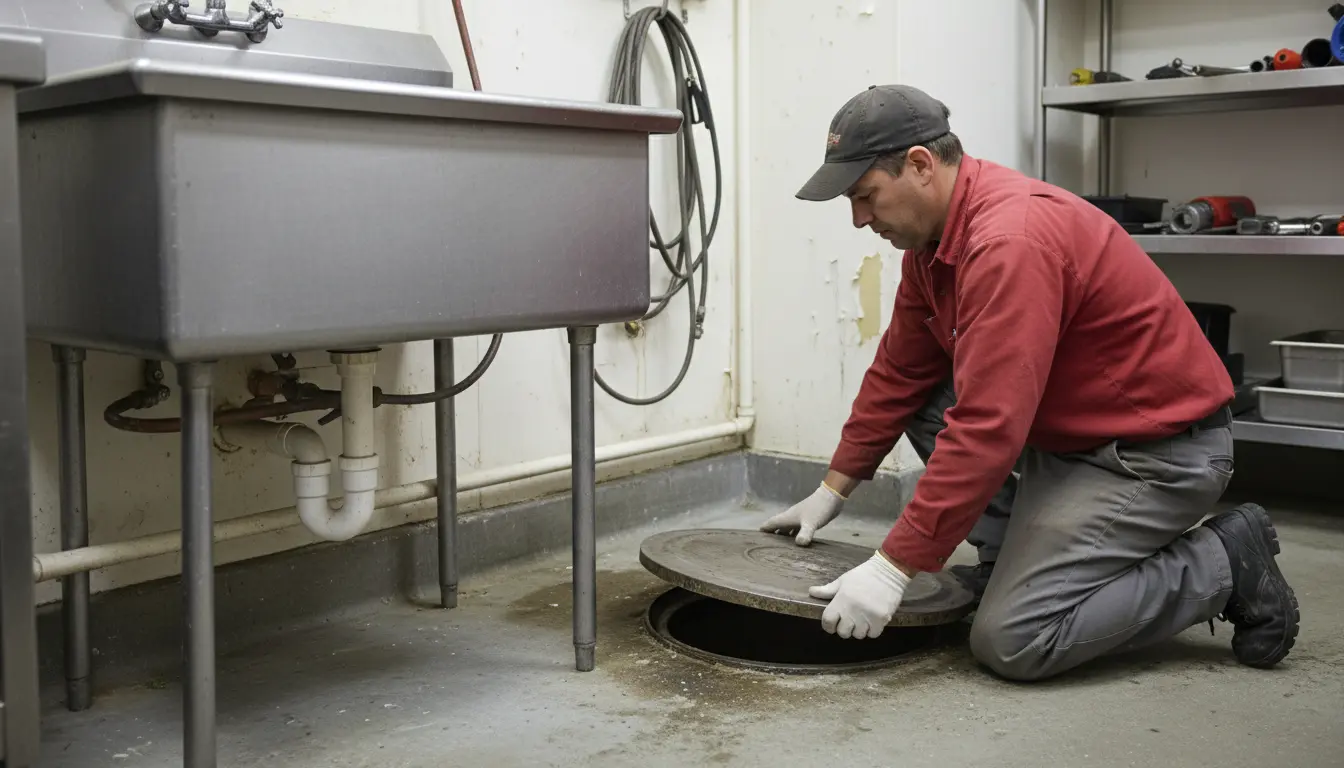
Find the Best Grease Trap Cleaning Companies for Your Business
No obligation • Fast responses • Nationwide coverage

Why you can trust Restaurant Waste Disposal
Restaurant Waste Disposal is a leading U.S. resource for comparing restaurant composting, food-waste recycling, grease trap cleaning, and used cooking oil collection services. Our editorial team researches providers, checks credentials, and organizes unbiased information so operators can make informed decisions. Companies cannot pay to change ratings or placement.
Search providers near you
Top Grease Trap Cleaning Companies in Belleville, Illinois Ranked
For any restaurant, food service establishment, or commercial kitchen in Belleville, proper grease trap and interceptor maintenance is not just a best practice-it's a critical legal requirement. These systems are the first line of defense in preventing fats, oils, and grease (FOG) from entering the municipal sewer system, where they can cause costly blockages, backups, and environmental damage. Local health and public works departments enforce strict regulations to protect the city's infrastructure, and non-compliance can lead to significant penalties. Establishing a reliable service schedule with a qualified provider is essential for operational continuity, regulatory compliance, and avoiding unexpected fines.
Regular grease interceptor pumping and cleaning are mandated to ensure these devices function correctly. The frequency can vary from monthly for high-volume kitchens to quarterly for establishments with lower output, but consistent service is key 1. Beyond just pumping out the contents, proper maintenance includes thorough cleaning of the trap's interior components and walls to prevent grease buildup and ensure efficient separation of FOG from wastewater. Keeping detailed records of every service visit is equally important, as inspectors will request this documentation during routine checks.
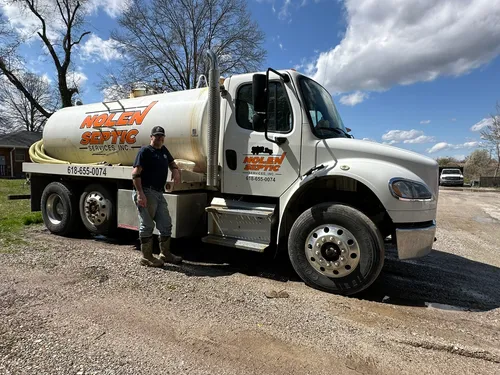
Nolen Septic Services
2000 Little Round Top Dr, Edwardsville, IL 62025
Nolen Septic Services is a family-owned business serving St Louis, MO, and surrounding areas since 2000. They provide septic cleaning, grease trap cleaning, drain unclogging, and troubleshooting services for both residential and commercial customers. Their licensed and insured team covers multiple locations including Madison and St. Clair counties, offering dependable septic and aeration tank maintenance to help prevent costly system failures. The company is known for providing emergency service, including on holidays.
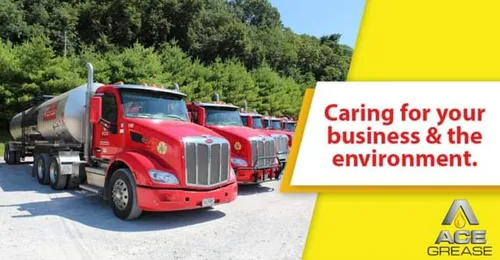
Ace Grease Service
9035 IL-163, Millstadt, IL 62260
Ace Grease Service is a family-owned company based near St Louis, MO, specializing in used cooking oil collection and grease trap cleaning. With over 31 years of experience, they serve restaurants, hotels, hospitals, penal institutions, and large food manufacturing plants across nine Midwest states. Their services include collecting used cooking oil and cleaning grease traps to help keep kitchens and sewer systems free of fats, oils, and grease. Ace Grease processes and recycles the collected oil into products like plastics, soaps, livestock feed, and biodiesel fuel. They operate a fleet of advanced trucks and equipment to support their service coverage.
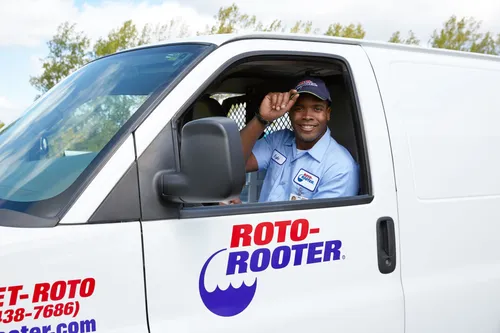
Roto-Rooter Plumbing & Water Cleanup
110 W Main St #160, Belleville, IL 62220
Roto-Rooter Plumbing & Water Cleanup is a comprehensive plumbing service provider based in St Louis, MO, serving Belleville and surrounding counties in Illinois and Missouri. They offer a wide range of residential and commercial plumbing services, including drain cleaning, sewer line repair and replacement, water heater repair and installation, grease trap cleaning, and water damage cleanup. The company is equipped with advanced capabilities such as hydro-jetting and camera inspections to address complex plumbing issues. Roto-Rooter provides 24/7 emergency plumbing services to handle urgent problems like burst pipes and sewer backups.
STL Grease Trap Services
St Louis, MO
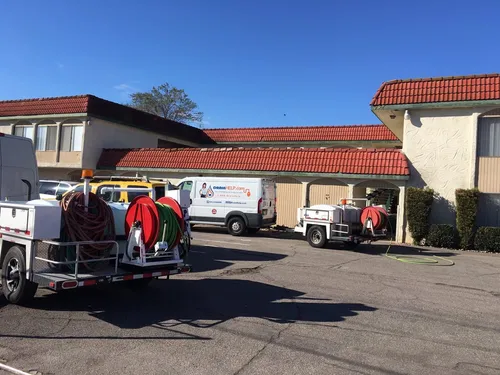
STL Grease Trap Services offers grease trap cleaning and maintenance for restaurants and commercial foodservice businesses in St Louis, MO. Their skilled technicians provide thorough cleaning, pumping, and inspection services to prevent grease buildup, clogs, and sewer backups. The company also ensures compliance with local regulations and provides detailed inspection and history reports. They use industry-standard tools for jetting and rodding clogged pipes and operate with an environmentally conscious approach by recycling grease for renewable energy. STL Grease Trap Services has over a decade of experience and offers 24/7 emergency cleanup to address urgent issues promptly.
Liquid Environmental Solutions
6400 McKissock Ave, St. Louis, MO 63147
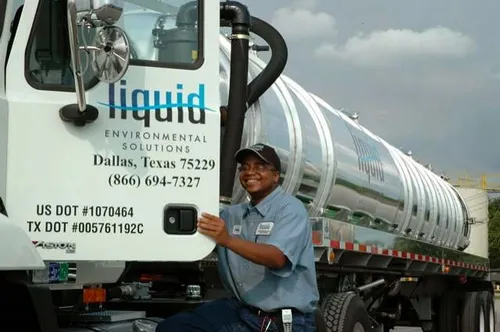
Liquid Environmental Solutions is a non-hazardous liquid waste management company based in St Louis, MO. They offer services including used cooking oil collection, grease trap and interceptor cleaning, oil water separator and grit trap cleaning, and wastewater disposal. Serving restaurants, grocery stores, convenience stores, and automotive service businesses, they focus on recycling a high percentage of the food waste they collect. Founded over twenty years ago, the company emphasizes compliance and environmental stewardship in their operations.
Understanding Local Grease Trap Regulations
While Illinois has general codes governing grease management, specific ordinances can vary by municipality. In Belleville, restaurants must operate under local rules designed to protect the city's sewer lines. The core principle is a strict prohibition against pouring any grease, oil, or food solids down sinks or drains. To enforce this, the city requires properly sized and installed grease interceptors or traps, which must remain easily accessible for both inspection and cleaning at all times 2.
The responsibility for maintenance falls squarely on the business owner. This isn't a suggestion but a codified requirement, with many local codes explicitly stating that traps must be cleaned and maintained on a regular schedule-often monthly. The goal of these regulations is preventative, aiming to stop problems before they cause sewer overflows that can result in property damage, public health hazards, and expensive emergency repairs for the city.
The Role of Inspections and Record-Keeping
Compliance is verified through inspections conducted by city or county health department and public works officials. These inspections can be periodic and are often unannounced, making consistent adherence to maintenance schedules vital. When an inspector arrives, one of the first things they will ask for is your service records.
You are typically required to maintain detailed grease trap cleaning and pumping receipts for a minimum of three years 3. These records should include the date of service, the name of the servicing company, the volume of waste removed, and the disposal method. This paperwork is your proof of compliance. Without it, even a well-maintained trap can be cited as a violation, as there is no documented history of proper care.
Consequences of Non-Compliance
Ignoring grease trap maintenance is a risky and costly decision. Enforcement actions for violations are serious and are designed to compel immediate corrective action. Under general Illinois statutory guidelines, fines for sewer ordinance violations can reach up to $750 per offense, and each day a violation persists can be considered a separate offense 4. This means fines can accumulate rapidly.
Beyond fines, chronic or severe violations can lead to more drastic measures. A city may place a lien on the property for unpaid fines or even seek to suspend the business's sewer service until the issue is resolved 5. In extreme cases, it could impact the establishment's operating license. The financial and reputational damage from such enforcement far exceeds the cost of routine, professional grease trap servicing.
Best Practices for Kitchen Staff Training
A grease trap is only as effective as the practices upstream. Even the most frequent pumping schedule can be overwhelmed if kitchen staff are not properly trained in FOG reduction. Implementing a simple training program is a highly effective way to extend the life of your trap, reduce service frequency, and minimize costs.
Key training points should include:
- Scrape, Don't Rinse: All plates, pots, and pans should be scraped into a trash or compost bin before being sent to the dish pit. Food solids are a primary contributor to trap clogs.
- Use Strainers: Install and mandate the use of sink strainers to catch food particles.
- No Grease Down the Drain: Establish a clear protocol for collecting cooled fryer oil, pan drippings, and other liquid fats in dedicated containers for recycling or proper disposal.
- Dry Wiping: Encourage wiping cookware with a paper towel before washing to absorb excess grease.
By empowering your staff with this knowledge, you turn them into active participants in compliance and cost-saving, reducing the overall burden on your grease interceptor 6.
Find the perfect grease trap cleaning companies for your needs
Get personalized recommendations and expert advice
What to Expect from Professional Grease Trap Service
Hiring a professional service in Belleville involves more than just a pump truck showing up. A reputable provider will offer a comprehensive service that ensures full compliance. The process typically includes a full evacuation of all contents (water, grease, and solids), high-pressure cleaning of the trap's interior walls and baffles, and a visual inspection of the unit for any cracks, leaks, or structural issues.
After servicing, the provider should supply you with a detailed service report or manifest. This document is crucial for your records. Furthermore, the service company handles the environmentally responsible disposal or recycling of the collected FOG waste, often at a licensed processing facility. This end-to-end service ensures that your business meets its legal obligations from capture to final disposal.
Factors Influencing Grease Trap Cleaning Costs
The cost for professional grease interceptor pumping and cleaning in Belleville is not a flat fee; it varies based on several key factors 7:
- Trap Size and Type: A small indoor grease trap under a sink costs less to service than a large, in-ground concrete interceptor.
- Service Frequency: Regularly maintained traps are easier and faster to clean. Neglected traps with heavy, hardened grease buildup require more labor and time, increasing the price.
- Accessibility: Traps that are easily reached with a hose and truck-mounted pump are less expensive to service than those in confined spaces or requiring special equipment.
- Volume of Waste: The amount of grease and solids removed directly impacts disposal costs for the service company.
As a general guide, estimated price ranges for routine service can be:
- Small to Medium Traps (serviced monthly/quarterly): $125 - $225 per service visit.
- Large Interceptors or High-Frequency Service: $175 - $475 or more per service 8 9.
Establishing a regular schedule with a trusted local provider is the most effective way to manage these costs and prevent the much higher expenses associated with emergencies or violations.
Creating a Proactive Maintenance Plan
Taking a proactive approach is the hallmark of a well-managed food service operation. Your plan should start with confirming the exact local requirements by contacting the Belleville City Hall or Public Works Department. With the rules clarified, you can then select a licensed and insured local grease trap service provider. Work with them to determine the optimal service frequency for your specific volume and menu.
Finally, integrate your service schedule with internal staff training and record-keeping. Keep a dedicated log or digital folder for all service manifests. This holistic strategy transforms grease trap maintenance from a reactive chore into a seamless part of your business operations, ensuring peace of mind and uninterrupted service.
Frequently asked questions
Sources
Footnotes
-
Grease trap pumping - tierra-environmental - https://tierra-environmental.com/grease-trap-pumping/ ↩
-
APPENDIX A Grease Trap and Interceptor Requirements Definitions - https://fcwsd.org/documents/728/Appendix_A_Grease_Trap_Requirements.pdf ↩
-
§ 51.016 GREASE INTERCEPTOR OR TRAP REQUIREMENTS. - https://codelibrary.amlegal.com/codes/mountvernonil/latest/mtvernon_il/0-0-0-2192 ↩
-
Sec. 11-92. Grease Trap/Interceptor Requirements: - https://codelibrary.amlegal.com/codes/justice/latest/justice_il/0-0-0-8923 ↩
-
Grease Trap Cleaning in Belleville IL | Grease Interceptor Pumping - https://greasetrapcleaningshiloh.com/belleville-il.html ↩
-
How to Clean a Grease Trap (and How Often You Should) - https://greaseconnections.com/how-to-clean-a-grease-trap-and-how-often-you-should/ ↩
-
Restaurant Grease Trap & Interceptor Cleaning Cost - https://greasemanagement.org/pricing.html ↩
-
Grease Trap Cleaning Prices | Guide on the Industry Average - https://grease-cycle.com/grease-trap-pumping-cost/ ↩
-
The Cost To Clean A Grease Trap For Restaurants - https://thegreasecompany.com/blog/greasetrapcleaningcost/ ↩