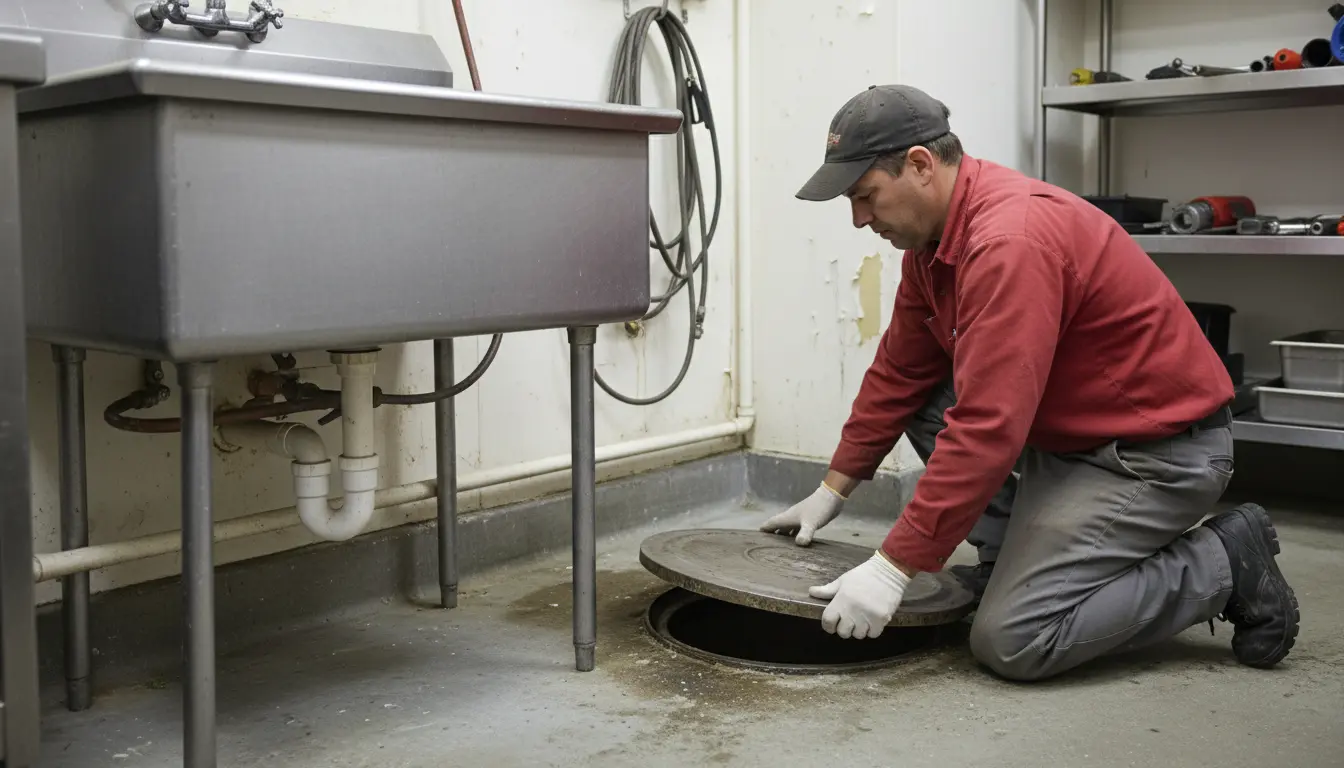
Find the Best Grease Trap Cleaning Companies for Your Business
No obligation • Fast responses • Nationwide coverage

Why you can trust Restaurant Waste Disposal
Restaurant Waste Disposal is a leading U.S. resource for comparing restaurant composting, food-waste recycling, grease trap cleaning, and used cooking oil collection services. Our editorial team researches providers, checks credentials, and organizes unbiased information so operators can make informed decisions. Companies cannot pay to change ratings or placement.
Search providers near you
Top Grease Trap Cleaning Companies in Augusta, Georgia Ranked
For any restaurant or food service establishment in Augusta, managing fats, oils, and grease (FOG) is a critical operational and legal requirement. The city, under the authority of the Augusta Utilities Department (GAUD), enforces strict regulations for grease interceptor and grease trap cleaning to protect the public sewer system from blockages and environmental damage. Compliance isn't optional; it involves securing permits, adhering to a mandated maintenance schedule, and keeping detailed records. Neglecting these responsibilities can lead to severe financial penalties, including daily fines, and even the risk of criminal charges for serious violations like illegal disposal. A proactive approach to grease management is essential for smooth, uninterrupted business operations.
Proper FOG control starts with understanding the local rules. In Augusta, you cannot simply install a grease interceptor and begin using it. Formal approval from GAUD is required before any installation is put into service, and the design must include accessible manholes at finished grade for inspection and servicing 1. This initial step is governed by a formal permitting process, which includes submitting specific plans (using forms like GAUD001) for review. This permit isn't a one-time event; it requires annual renewal, with associated fees based on the number of traps at your facility. Staying on top of these administrative tasks is the foundation of compliance.
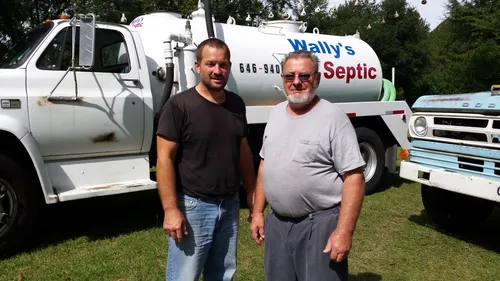
Skipper's Septic Service LLC
444 Clinton Church Rd, Salley, SC 29137
Skipper's Septic Service LLC offers septic system installation, maintenance, and repair for residential and commercial properties in Augusta, GA. Their services include new septic system installations, septic tank replacements, grease trap installation and cleaning, well installation, drain field repair, and septic system inspections. The company has years of experience providing code-compliant septic solutions and uses high-quality materials to ensure long-lasting results. Emergency septic services are also available.
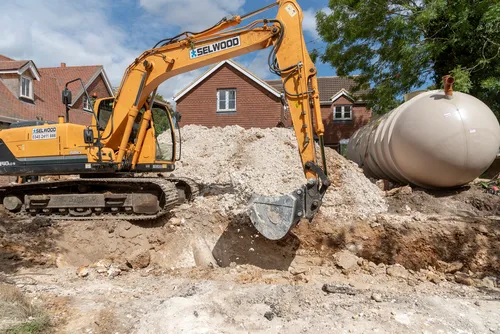
Budget Sewer Service, Inc.
2521 Mike Padgett Hwy, Augusta, GA 30906
Budget Sewer Service, Inc. is a locally owned company based in Augusta, GA, serving the city and the entire CSRA region. They offer a range of services including drain cleaning, septic inspections and pumping, grease trap cleaning, portable toilet rentals, video inspections, water jetting, and plumbing for commercial, residential, and industrial clients. The company has been in business since 1981 and employs OSHA-certified staff. They hold an A+ rating with the Better Business Bureau and are FOG certified, demonstrating their commitment to industry standards.

Green Energy Biofuel
2110 Main St, Warrenville, SC 29851
Green Energy Biofuel is a zero waste solutions company based in Augusta, GA, with a central production plant in Warrenville, South Carolina. They provide used cooking oil collection, grease trap cleaning, food waste collection, and industrial cleaning services across South Carolina, Georgia, Tennessee, Florida, Virginia, and Kentucky. Their Warrenville facility features rail service capabilities and offers a unique commercial depackaging service to support sustainability efforts. Established 15 years ago, Green Energy Biofuel produces feedstock for renewable diesel, biodiesel, and sustainable aviation fuel, shipping products worldwide. The company emphasizes innovation and vertical integration in its operations.
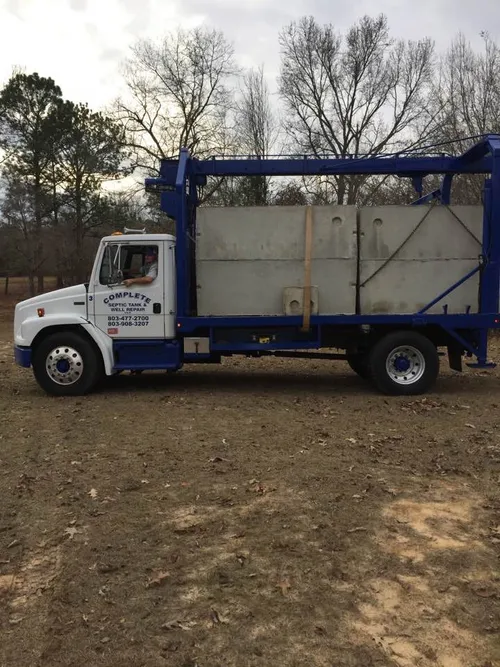
Complete Septic Tank LLC
1543 Swansea Rd, Pelion, SC 29123
Complete Septic Tank LLC is a full-service septic service provider based in Augusta, GA. They specialize in pump-outs, installation, and repairs for residential and commercial septic systems, as well as grease trap pump-outs for restaurants and cafes. The company also offers water well installation and repair, along with septic tank and well inspections that include Letters of Inspection for home buyers and sellers. Their services cover a range of septic system needs, including addressing issues like septic tank pump-outs and drain line replacements. Complete Septic Tank LLC is known for using cutting-edge technology and conservation methods in their work.
Augusta's Grease Management Regulations and Compliance
The regulatory framework in Augusta is designed to prevent FOG from entering the city's wastewater infrastructure. The local Sewer Use Ordinance outlines clear standards for grease interceptors and traps, placing the burden of maintenance squarely on the business owner 2. Key compliance pillars include:
- Mandatory Permits: Operating without an approved and current permit from GAUD is a violation. The application process requires detailed plans and specifications for your grease control equipment.
- Required Maintenance Plan: Establishments must have a written plan detailing how and how often grease control devices will be serviced. This plan should align with the pumping frequency determined by your business's specific needs.
- Strict Record-Keeping (Manifests): Every time a grease trap is pumped or cleaned, the waste hauler must provide a manifest detailing the volume of waste collected and its disposal location. Maintaining these manifests is not just good practice-it's a legal requirement that provides a verifiable paper trail for inspectors. Failure to produce these records during an inspection can result in penalties.
Determining Your Cleaning Frequency: From Quarterly to Weekly
A common question is, "How often does my grease trap need to be cleaned?" The general rule in Augusta suggests servicing at least four times per year (quarterly) 3. However, this is a minimum baseline. The actual required frequency for your establishment is influenced by several critical factors, and many restaurants find they need service far more often to stay compliant and functional.
- Cuisine Type: Kitchens that heavily utilize frying oils, prepare greasy meats, or use large amounts of dairy will generate FOG much faster. A barbecue joint or fried chicken restaurant will typically require more frequent cleaning than a sandwich shop 4.
- Customer Volume: A high-traffic restaurant naturally produces more wastewater containing food scraps and grease, filling the interceptor more quickly.
- Grease Trap Size and Design: The capacity of your installed interceptor must be appropriate for your estimated flow and FOG production. An undersized trap will need pumping much more frequently.
As a practical guide, service intervals often break down as follows: small kitchens with limited greasy output may manage with service every 1-2 months; medium-volume establishments often require monthly cleaning; and large, high-volume kitchens or those with very greasy waste streams may need professional pumping every 2-4 weeks, or even weekly in extreme cases 5. Regular monitoring of your trap's grease and solid levels is the best way to determine your ideal schedule.
Understanding the Costs of Service and Non-Compliance
Budgeting for grease trap maintenance is a necessary cost of doing business. For a well-maintained, accessible trap with a typical capacity (e.g., 1,000-1,500 gallons), routine pumping and cleaning in the Augusta area can range from approximately $250 to $400+ per service visit 6. However, costs can escalate significantly under certain conditions:
- Neglected Traps: If a trap has been allowed to overflow or has severe FOG buildup, the job becomes more labor-intensive. Hardened grease may require specialized equipment or extra time to break up, leading to higher charges.
- Inaccessible Equipment: If manholes are buried, blocked, or otherwise difficult to access, technicians will charge more for the extra time and effort required to reach the trap.
- Emergency Service: A grease backup that causes an operational shutdown or poses an immediate compliance threat requires urgent attention. Emergency or after-hours calls can cost between $800 and $1,200 or more 7 8.
Find the perfect grease trap cleaning companies for your needs
Get personalized recommendations and expert advice
While service costs are predictable, the costs of non-compliance are far steeper. The Augusta Utilities Department conducts inspections to enforce regulations 9 10. Violations can trigger a cascade of penalties, starting with re-inspection fees (often $100 or more) and escalating to significant daily fines-which can reach up to $50,000 per day for severe, ongoing violations under certain environmental statutes 11. The most serious offenses, such as illegally dumping grease waste into storm drains or unauthorized areas, can even lead to imprisonment 11. Investing in regular maintenance is unequivocally more economical than facing these penalties.
The Service Process: What to Expect During a Pump-Out
Knowing what happens during a professional grease trap cleaning can help you prepare and ensure the job is done correctly. A thorough service involves more than just removing liquid.
- Pumping: The technician will use a vacuum truck to remove all liquid and semi-solid contents from the interceptor, including water, grease, and food solids.
- High-Pressure Cleaning: After pumping, the interior walls and baffles of the trap are cleaned with high-pressure hot water jets. This step is crucial to remove clinging FOG deposits that, if left in place, reduce the trap's effective volume and efficiency 12.
- Inspection: A good service provider will inspect the trap for structural integrity, check baffles for damage, and ensure inlet/outlet pipes are clear.
- Waste Disposal & Documentation: The collected FOG waste is transported to an approved facility, such as a rendering plant or wastewater treatment facility. You will receive a detailed manifest for your records, which is your proof of proper disposal.
Best Practices for Augusta Restaurant Owners
Beyond scheduling regular professional cleanings, you can take active steps to improve grease trap performance and longevity.
- Implement Kitchen Best Practices: Scrape food scraps into trash bins before washing dishes. Use sink strainers to catch solids. Avoid pouring cooking oils or grease down any drain-collect them in containers for recycling or proper disposal.
- Train Your Staff: Ensure every kitchen employee understands the importance of FOG management and knows the basic "no-pour" rules. Their daily habits have a direct impact on your trap's fill rate.
- Maintain Your Records: Keep a dedicated log or folder for all grease-related documents: your current permit, maintenance plan, and every service manifest. Have this file readily available for inspections.
- Partner with a Reputable Service Provider: Choose a licensed and insured hauler familiar with Augusta's specific codes and reporting requirements. They can become a valuable partner in maintaining your compliance.
Staying ahead of grease trap maintenance is the most effective strategy for Augusta food service businesses. By securing the proper permits, adhering to a frequent cleaning schedule tailored to your operation, and keeping impeccable records, you protect your business from costly fines and shutdowns while contributing to the health of the city's infrastructure.
Frequently asked questions
Sources
Footnotes
-
augusta utilities department systems protection division - https://www.augustaga.gov/DocumentCenter/View/5199 ↩
-
AUGUSTA, GEORGIA SEWER USE ORDINANCE - https://www.augustaga.gov/DocumentView.aspx?DID=2809 ↩
-
About Traps and Interceptors - Augusta, GA - https://www.augustaga.gov/DocumentCenter/View/2810 ↩
-
Restaurant Grease Trap Maintenance: Best Practices & Step ... - https://boh.ai/blog-article/restaurant-grease-trap-maintenance-a-complete-guide-for-kitchen-efficiency ↩
-
The Ultimate Guide to Restaurant Grease Trap Cleaning - https://mokherplumbing.com/ultimate-guide-restaurant-grease-trap-cleaning/ ↩
-
Grease Trap Cleaning Prices | Guide on the Industry Average - https://grease-cycle.com/grease-trap-pumping-cost/ ↩
-
Ultimate Grease Trap Pumping Cost Guide: Essential Money-Saving ... - https://www.texwaywastewater.com/grease-trap-pumping-cost/ ↩
-
Restaurant Grease Trap & Interceptor Cleaning Cost - https://greasemanagement.org/pricing.html ↩
-
Georgia Grease Ordinance: All County Fees & Deadlines - https://greaseconnections.com/georgia-grease-ordinance-fees-deadlines/ ↩
-
Grease Trap and Grease Interceptor Standards - https://files.aptuitivcdn.com/GeANpvML19-825/docs/Grease/Grease-Trap-Draft-Standards_11_18_2024.pdf ↩
-
Understanding the Fines and Penalties for Grease Trap ... - https://www.southerngreen.com/blog/understanding-the-fines-and-penalties-for-grease-trap-violations ↩ ↩2
-
Optimize Grease Trap Cleaning - United Sewer and Septic - https://www.unitedsewerservice.com/cleaning-and-inspecting-the-grease-trap-during-pumping/ ↩