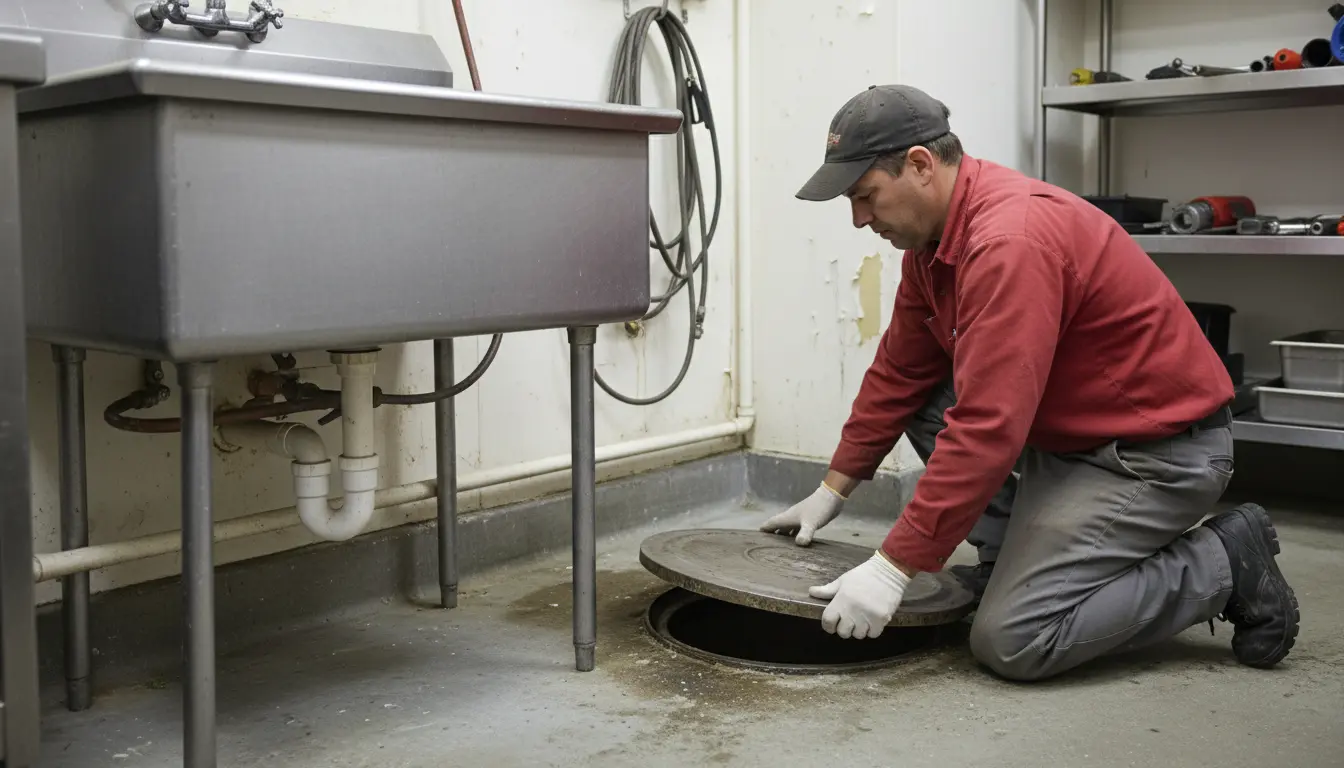
Find the Best Grease Trap Cleaning Companies for Your Business
No obligation • Fast responses • Nationwide coverage

Why you can trust Restaurant Waste Disposal
Restaurant Waste Disposal is a leading U.S. resource for comparing restaurant composting, food-waste recycling, grease trap cleaning, and used cooking oil collection services. Our editorial team researches providers, checks credentials, and organizes unbiased information so operators can make informed decisions. Companies cannot pay to change ratings or placement.
Search providers near you
Top Grease Trap Cleaning Companies in Johns Creek, Georgia Ranked
For restaurant owners and food service operators in Johns Creek, maintaining a compliant grease interceptor is a critical, non-negotiable part of daily operations. Situated within Gwinnett County, Johns Creek establishments must adhere to strict local and county ordinances designed to protect the municipal sewer system from fats, oils, and grease (FOG). Proper grease trap maintenance isn't just about avoiding clogs in your own kitchen; it's a legal requirement with significant financial implications for non-compliance. This guide outlines the essential regulations, best practices, and cost considerations for effective grease management in Johns Creek, helping you navigate the requirements to keep your business running smoothly and avoid costly penalties.
Roto-Rooter Plumbing & Water Cleanup
311 Green St Ste 209-B, Gainesville, GA 30501
Roto-Rooter Plumbing & Water Cleanup provides comprehensive plumbing services in Gainesville, GA, including residential and commercial plumbing, sewer and drain cleaning, floodwater removal, mold remediation, and grease trap maintenance. The company offers specialized capabilities such as hydro-jetting and trenchless sewer line replacement using no-dig technology. Established in 1935, Roto-Rooter continues the legacy of its founder, Samuel Blanc, inventor of the original drain cleaning machine. They provide 24/7 emergency plumbing services to address urgent issues like burst pipes, sewer backups, and water heater repairs.
Roto-Rooter Plumbing & Water Cleanup
341 E Main St Ste 105, Canton, GA 30114
Roto-Rooter Plumbing & Water Cleanup provides comprehensive plumbing services in South Fulton, GA, specializing in both residential and commercial plumbing solutions. Their offerings include floodwater cleanup, sewer and drain cleaning, water heater repair and installation, grease trap cleaning, and mold remediation. The company is equipped to handle complex commercial plumbing needs such as high-pressure water jetting and industrial pipe restoration. With a commitment to local plumbing regulations and environmental concerns, Roto-Rooter serves a wide area including Canton and surrounding counties. They have extensive experience and offer 24/7 emergency plumbing services year-round to address urgent issues promptly.

Zoom Drain
8601 Dunwoody Pl, Sandy Springs, GA 30350
Zoom Drain is a specialist in sewer and drain cleaning services based in Sandy Springs, GA. They serve residential and commercial customers in Sandy Springs and nearby areas, offering expert solutions for clogged drains, sump pump replacements, and grease trap maintenance. The company is known for using safe and sustainable cleaning methods to extend the life of pipes and prevent damage from harsh chemicals. Zoom Drain also provides tailored maintenance plans and advanced technology to support property managers and contractors. Their services include grease trap installation and hydrojetting, addressing complex plumbing issues with experienced technicians.
Roto-Rooter Plumbing & Water Cleanup
2805 Peachtree Industrial Blvd #110, Duluth, GA 30097
Roto-Rooter Plumbing & Water Cleanup provides a wide range of plumbing services in Sandy Springs, GA, including commercial plumbing, drain cleaning, sewer line services, water heater repairs, and grease trap cleaning. They use advanced techniques such as hydro-jetting and video camera sewer inspections to address complex plumbing issues. The company serves the Duluth metro area and offers 24/7 emergency plumbing services to handle urgent problems at any time.
Roto-Rooter Plumbing & Water Cleanup
997 Commerce Dr SW Ste 300, Conyers, GA 30094
Roto-Rooter Plumbing & Water Cleanup provides a wide range of plumbing services in Stonecrest, GA, including residential and commercial plumbing, drain cleaning, sewer line repair, and grease trap cleaning. They offer specialized capabilities such as hydro-jetting and water damage cleanup. The company serves multiple counties around Conyers and has a strong local presence. Roto-Rooter is available 24/7 for emergency plumbing services, ensuring help is accessible anytime.
Understanding Johns Creek and Gwinnett County FOG Regulations
Johns Creek food service establishments fall under the jurisdiction of Gwinnett County's grease management laws, which are enforced to prevent sewer blockages and environmental damage. The core principle is that all FOG must be properly intercepted and removed by a licensed hauler before wastewater leaves your facility. Key regulations mandate a minimum grease trap size of 1,000 gallons for most establishments, unless a specific alternative is approved. Critically, the method of cleaning is strictly defined: full removal of all contents is required. Practices like top skimming, decanting (returning wastewater to the trap), or backflushing are explicitly prohibited. These rules ensure that the accumulated waste is properly disposed of at a licensed facility, not simply rearranged within your system.
The 25% Rule: Your Key Compliance Guideline
How do you know when it's time to schedule a cleaning? Gwinnett County's ordinance provides a clear, measurable standard often referred to as the "25% rule." This rule states that a grease interceptor must be cleaned when the combined volume of floating FOG and settled solids reaches 25% of the trap's total liquid depth 1. For example, in a standard 4-foot deep trap, you would need to schedule service once the floating grease and bottom sludge total 1 foot in depth. Relying on a fixed calendar schedule (e.g., "every 90 days") can be a good starting point, but your actual frequency should be determined by monitoring against this 25% threshold, as usage varies greatly between establishments. Proactive monitoring based on this rule is the most effective way to stay compliant.
Inspection Protocols and Penalty Structures
Compliance is verified through inspections, which can be conducted on a routine or surprise basis by county authorities 2. If an inspector finds that your grease interceptor violates the 25% rule or shows evidence of improper cleaning methods, your establishment will fail the inspection. The consequences are immediate and financial. You will typically be required to have the trap serviced immediately by a licensed provider and then schedule a re-inspection. This re-inspection often comes with a fee, which in surrounding jurisdictions like Atlanta can be $100 or more 3 4. Beyond re-inspection fees, persistent or willful non-compliance can lead to more severe penalties, including court fines and legal action 5 3. Keeping detailed service records from your licensed hauler is your best defense during an inspection, proving that you have adhered to the full-removal requirements on a proper schedule.
Find the perfect grease trap cleaning companies for your needs
Get personalized recommendations and expert advice
Cost of Grease Interceptor Service in Johns Creek
The cost for professional grease trap cleaning is an operational expense that varies based on the size of your interceptor, its accessibility, and its condition. For standard, preventative maintenance performed on a regularly scheduled basis, restaurants can expect costs to start in the range of $175 to $225 or more per pump-out 6. This pricing typically covers the labor and equipment for a licensed hauler to perform the complete evacuation and hauling of waste as required by law. However, costs can increase significantly for emergencies, heavily neglected traps, or those requiring more intensive labor due to location or severe buildup. Investing in routine preventative service is almost always more cost-effective than paying for emergency clean-outs plus potential fines.
Best Practices for Proactive Grease Management
Beyond scheduling regular pump-outs, a comprehensive approach minimizes risk and operational headaches. First, train your kitchen staff on best practices for FOG disposal, such as using dry-wiping methods on pots and pans before washing and ensuring sink baskets are in place. Second, maintain a consistent relationship with a licensed, reputable grease trap cleaning service that understands local codes. Third, keep a dedicated logbook for all service visits, including the date, hauler name, volume removed, and the hauler's manifest or receipt. This log should be readily available for inspectors. Finally, visually monitor your interceptor's grease and solids levels between service visits to anticipate the next cleaning before you hit the 25% limit, ensuring you never miss a compliance deadline.
The Risks of Non-Compliance and Improper Maintenance
Choosing to delay service or hire an unlicensed provider who uses illegal methods like backflushing is a high-risk strategy. The immediate risk is a failed inspection and the accompanying fees. The longer-term risks are far more severe: substantial fines from county authorities, mandatory court appearances, and even a public record of violation. From an operational standpoint, a severely clogged interceptor can lead to slow drains, backups in your kitchen, and costly emergency plumbing repairs. In the worst-case scenario, a FOG release into the public sewer system could cause a blockage downstream, potentially resulting in a sewer overflow for which your business could be held liable. Consistent, documented compliance is the only way to mitigate these expensive and disruptive risks.
Selecting a Service Provider for Your Restaurant
When choosing a company for grease interceptor maintenance, verification is key. Always confirm that the provider is licensed to haul grease waste in Gwinnett County. Ask about their disposal process to ensure they perform full removal and transport waste to a certified treatment facility, not just skim the surface. A reputable provider will be familiar with the 25% rule and local inspection protocols, and they should automatically provide you with detailed documentation after each service. This documentation is not just a receipt; it's your primary proof of compliance. While price is a factor, the value lies in reliable service, proper licensing, and thorough documentation that protects your business during an audit.
Frequently asked questions
Sources
Footnotes
-
106-162. FOG requirements for food establishments. - http://gwinnettcounty.elaws.us/code/coor_ch106_artiii_div3_sec106-162 ↩
-
Gwinnett County Grease Management Laws Explained - https://liquidrecover.com/gwinnett-county-grease-management-laws/ ↩
-
Georgia Grease Ordinance: All County Fees & Deadlines - https://greaseconnections.com/georgia-grease-ordinance-fees-deadlines/ ↩ ↩2
-
§ 154-297.02. Food service establishment (grease trap ... - http://atlanta.elaws.us/code/coor_ptii_ch154_artv_div4_sec154-297.02 ↩
-
Understanding the Fines and Penalties for Grease Trap Violations - https://www.southerngreen.com/blog/understanding-the-fines-and-penalties-for-grease-trap-violations ↩
-
The Cost To Clean A Grease Trap For Restaurants - https://thegreasecompany.com/blog/greasetrapcleaningcost/ ↩