Find the Best Grease Trap Cleaning Companies for Your Business
No obligation • Fast responses • Nationwide coverage

Why you can trust Restaurant Waste Disposal
Restaurant Waste Disposal is a leading U.S. resource for comparing restaurant composting, food-waste recycling, grease trap cleaning, and used cooking oil collection services. Our editorial team researches providers, checks credentials, and organizes unbiased information so operators can make informed decisions. Companies cannot pay to change ratings or placement.
Search providers near you
Best Grease Trap Cleaning Companies in Georgia Ranked
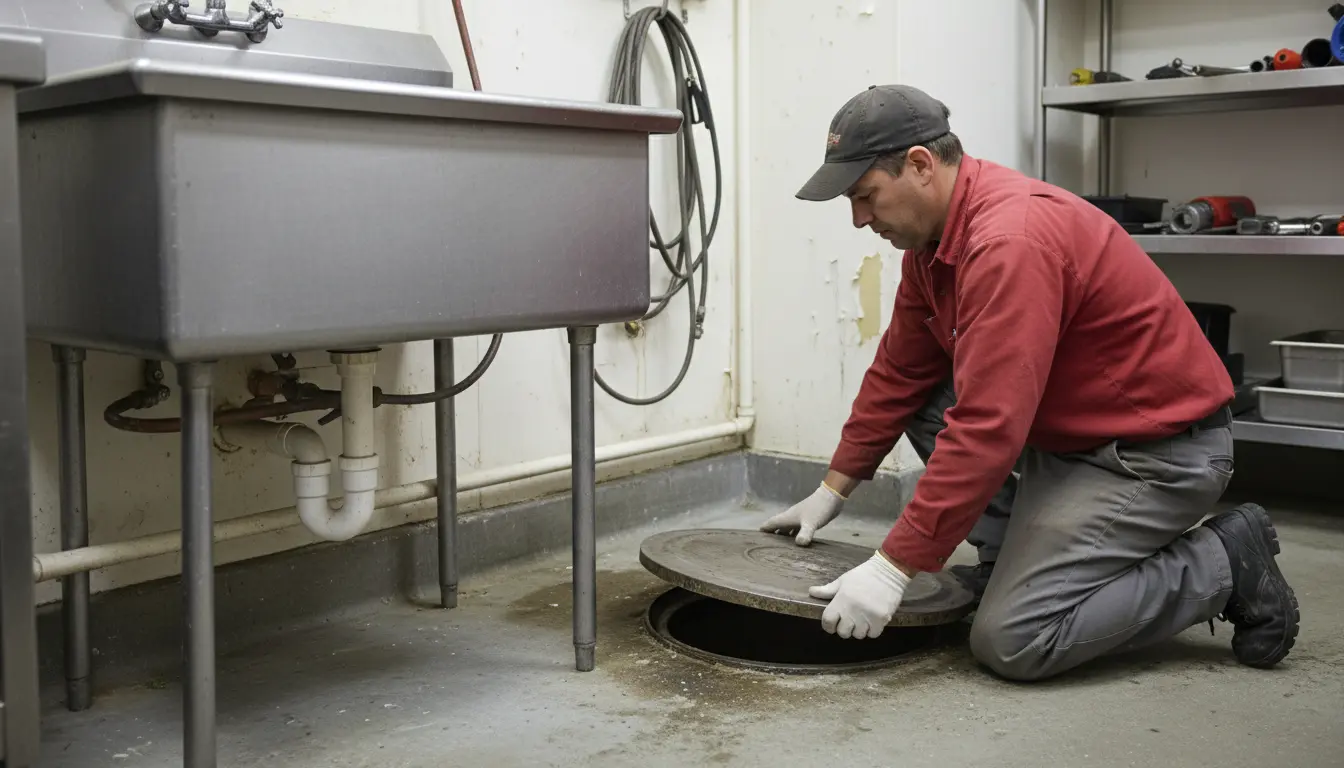
For restaurant owners and food service operators in Georgia, managing fats, oils, and grease (FOG) is a critical operational and legal responsibility. Proper grease trap cleaning and maintenance are not just about preventing clogs; they are mandated by state and local codes to protect the public sewer system from blockages and overflows. Compliance involves adhering to specific pumping schedules, obtaining permits, and maintaining detailed records. Failure to follow these regulations can result in significant fines and operational disruptions. This guide outlines the key requirements, costs, and best practices for grease interceptor maintenance across the Peach State.
S&S Septic Services
5708 Toombs St, Lula, GA 30554
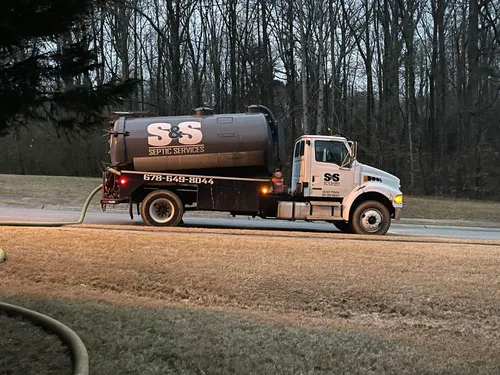
S&S Septic Services is based in Gainesville, GA, providing septic pumping, repair, installation, and maintenance services across northeast Georgia and Upstate South Carolina. They serve residential, commercial, and government clients with a full range of septic solutions, including drain field design, grease trap cleaning, and used cooking oil collection. The company offers specialized capabilities such as field line jetting to clear underground drainage systems and advanced camera inspections for industrial and municipal systems. With over 20 years of experience, S&S Septic Services operates 24/7 to address emergency needs promptly.
Roto-Rooter Plumbing & Water Cleanup
311 Green St Ste 209-B, Gainesville, GA 30501
Roto-Rooter Plumbing & Water Cleanup provides comprehensive plumbing services in Gainesville, GA, including residential and commercial plumbing, sewer and drain cleaning, floodwater removal, mold remediation, and grease trap maintenance. The company offers specialized capabilities such as hydro-jetting and trenchless sewer line replacement using no-dig technology. Established in 1935, Roto-Rooter continues the legacy of its founder, Samuel Blanc, inventor of the original drain cleaning machine. They provide 24/7 emergency plumbing services to address urgent issues like burst pipes, sewer backups, and water heater repairs.

Roto-Rooter Plumbing & Water Cleanup
1324 GA-16, Newnan, GA 30263
Roto-Rooter Plumbing & Water Cleanup offers comprehensive plumbing and water cleanup services in South Fulton, GA. Serving both residential and commercial clients, they handle a wide range of plumbing needs including grease trap cleaning, sewer and drain cleaning, water heater repairs and installations, floodwater cleanup, mold remediation, and emergency plumbing services. Their commercial capabilities include high-pressure water jetting (hydro-jetting) and grease trap pumping. Roto-Rooter provides 24/7 emergency plumbing support to address urgent issues promptly. They serve Newnan and surrounding counties with a focus on addressing local plumbing challenges such as hard water and aging pipes.
Roto-Rooter Plumbing & Water Cleanup
341 E Main St Ste 105, Canton, GA 30114
Roto-Rooter Plumbing & Water Cleanup provides comprehensive plumbing services in South Fulton, GA, specializing in both residential and commercial plumbing solutions. Their offerings include floodwater cleanup, sewer and drain cleaning, water heater repair and installation, grease trap cleaning, and mold remediation. The company is equipped to handle complex commercial plumbing needs such as high-pressure water jetting and industrial pipe restoration. With a commitment to local plumbing regulations and environmental concerns, Roto-Rooter serves a wide area including Canton and surrounding counties. They have extensive experience and offer 24/7 emergency plumbing services year-round to address urgent issues promptly.

Zoom Drain
8601 Dunwoody Pl, Sandy Springs, GA 30350
Zoom Drain is a specialist in sewer and drain cleaning services based in Sandy Springs, GA. They serve residential and commercial customers in Sandy Springs and nearby areas, offering expert solutions for clogged drains, sump pump replacements, and grease trap maintenance. The company is known for using safe and sustainable cleaning methods to extend the life of pipes and prevent damage from harsh chemicals. Zoom Drain also provides tailored maintenance plans and advanced technology to support property managers and contractors. Their services include grease trap installation and hydrojetting, addressing complex plumbing issues with experienced technicians.
Understanding Georgia's Grease Trap Regulations
Georgia's primary regulatory framework for grease management is based on the Georgia Plumbing Code, which adopts the International Plumbing Code (IPC). This code sets the baseline standard that all local jurisdictions must meet or exceed. The core rule mandates that grease interceptors be cleaned and pumped out at a minimum of every 90 days. However, this is a minimum standard. Cleaning must occur more frequently if the accumulated FOG and solids reach 25% of the liquid depth of the trap or interceptor. Many local municipalities have enacted stricter ordinances, making it essential for business owners to know and follow their city or county's specific rules.
The rationale behind these regulations is environmental and infrastructural. When FOG is poured down drains, it cools and solidifies inside sewer pipes. Over time, this creates massive blockages known as "fatbergs," which can cause sewage backups into streets, businesses, and homes. To prevent this, wastewater authorities enforce rigorous FOG programs, and your grease trap is the first line of defense.
State Standards vs. Local Ordinances
While the 90-day/25% rule is the state standard, local variations are common and often more stringent. You must comply with the stricter of the two sets of rules.
- State Standard (Georgia IPC): Pump every 90 days or when FOG/solids reach 25% of tank depth, whichever comes first 1.
- Local Examples:
- City of Atlanta: Requires indoor grease traps to be cleaned every 14 days and outdoor interceptors every 90 days. They also have specific permitting and inspection requirements.
- Gwinnett County: Has a detailed Grease Management Program requiring permits, specific interceptor sizing, and adherence to the 90-day/25% rule 2.
- Clayton County Water Authority: Mandates a permit for all food service facilities and requires interceptors to be pumped a minimum of every 90 days, with more frequent cleaning if monitoring shows it's necessary 3.
- Other Municipalities: Cities like Senoia and Calhoun have their own adopted ordinances outlining permit fees, inspection schedules, and enforcement penalties.
Always contact your local Public Works, Wastewater, or Environmental Health department to obtain the exact FOG ordinance for your area. This is the single most important step for ensuring compliance.
Permits, Sizing, and Documentation
Beyond cleaning schedules, Georgia regulations involve several other key components:
1. FOG Permits: Most jurisdictions require food service establishments to obtain an annual FOG permit. This permit typically involves an application, a fee, and sometimes a pre-opening inspection of your grease interceptor installation. Operating without a valid permit can lead to immediate fines 4 5.
2. Proper Grease Interceptor Sizing: Your grease trap or interceptor must be correctly sized for your kitchen's volume. Sizing is often based on factors like the number of seats, kitchen equipment, and flow rate. Common guidelines reference a minimum of 15 gallons per seat, with many jurisdictions requiring a minimum capacity of 1,000 gallons for outdoor interceptors 6. The specific sizing must be approved by your local authority during the permit process. An undersized interceptor will fail to capture grease effectively and will require impossibly frequent cleaning.
3. Meticulous Record Keeping: You are required to maintain detailed logs of all grease interceptor maintenance. These records, often called "waste manifests" or "service logs," must include:
- Date of service
- Company name and technician performing the service
- Volume of waste removed
- Disposal location (the licensed facility that received the waste)
- Signature of the service provider Keep these records on-site for a minimum of three years (or as specified locally) and make them available for inspectors upon request 7.
Find the perfect grease trap cleaning companies for your needs
Get personalized recommendations and expert advice
Costs of Compliance vs. Non-Compliance
Investing in regular professional cleaning is far less costly than dealing with the consequences of neglect.
Service Costs: The price for grease trap pumping in Georgia varies based on the type and size of the unit, its location, and how much waste is inside.
- Indoor Grease Traps: Typically range from $115 to $475 per service.
- Outdoor Grease Interceptors: Larger units generally cost between $325 and $1,040 to pump and clean 8. Many providers offer contract pricing for scheduled quarterly service, which can provide cost predictability.
Costs of Non-Compliance: Failing to adhere to regulations can be exponentially more expensive.
- Fines: Initial fines can start with re-inspection fees (e.g., $100) and escalate to daily penalties until the violation is corrected 9.
- Permit Suspension/Revocation: Repeat offenses can lead to your FOG permit being suspended or revoked, which may legally force your business to close until compliance is restored.
- Emergency Repairs: A severely clogged interceptor or sewer line can lead to backups in your own kitchen, resulting in expensive emergency plumbing bills, health code violations, and lost business.
Steps for Maintaining Compliance in Georgia
- Identify Your Local Authority: Determine if your business falls under city or county jurisdiction and contact the relevant Wastewater/Public Works department.
- Obtain and Review the FOG Ordinance: Get the official document detailing permit requirements, cleaning schedules, interceptor specifications, and record-keeping rules 10.
- Secure Your Permit: Apply for and pay for your annual FOG permit before opening or as required for renewal.
- Schedule Professional Service: Contract with a licensed, reputable grease trap cleaning company. Ensure they provide detailed waste manifests with every service.
- Maintain Impeccable Records: File every service report and manifest. Consider a digital log for easy access during inspections.
- Train Your Staff: Educate kitchen staff on proper FOG disposal practices-never pour grease down the drain. Scrape plates into trash bins before washing.
- Monitor Your Trap: Visually check your indoor grease trap regularly between professional cleanings. If you see FOG or solids approaching the 25% mark, schedule an extra service immediately 11.
Proactive grease trap management is a cornerstone of responsible restaurant operation in Georgia. By understanding the layered regulations-from the state's 90-day rule to your city's specific permit fees-and partnering with a reliable service provider, you can protect your plumbing, avoid costly penalties, and contribute to the health of your community's infrastructure.
Frequently asked questions
Sources
Footnotes
-
Georgia FOG & Used Oil Rules: Permits, Fines, 90-Day Limit - https://greaseconnections.com/resources/compliance/ga/ ↩
-
Gwinnett County Grease Management Laws Explained - https://liquidrecover.com/gwinnett-county-grease-management-laws/ ↩
-
Grease Management Program for Food Service Facilities - https://www.ccwa.us/wp-content/uploads/2019/01/Grease-Management-Program-for-Food-Service-Facilities-Sewer-Use-Ordinance-Section-98-F.pdf ↩
-
Georgia Grease Ordinance: All County Fees & Deadlines - https://greaseconnections.com/georgia-grease-ordinance-fees-deadlines/ ↩
-
Fats, oils and grease ordinance. - Senoia GA - https://www.senoia.com/media/10846 ↩
-
§ 154-297.02. Food service establishment (grease trap ... - http://atlanta.elaws.us/code/coor_ptii_ch154_artv_div4_sec154-297.02 ↩
-
FOG Compliance Guide for Restaurants - https://www.phibrorenewoil.com/post/staying-compliant-a-guide-to-fog-regulations-for-restaurants ↩
-
Grease Trap Pumping Cost vs. Grease Trap Maintenance Cost - https://www.stateindustrial.com/video/cost-comparison-pumping-v-chemicals-to-maintain-a-grease-trap/ ↩
-
(grease trap) regulations/new and existing installations, fats, oils, ... - https://www.cityofcalhoun-ga.com/wp-content/uploads/2014/12/Fats-Oils-and-Grease-FOG-Program-Policy-2013.pdf ↩
-
Grease Trap 101 - Emerson, GA - https://www.cityofemerson.org/media/4451 ↩
-
How Do I Know When It's Time for My Grease Trap to Be Cleaned? - https://www.southerngreen.com/blog/how-do-i-know-when-its-time-for-my-grease-trap-to-be-cleaned ↩