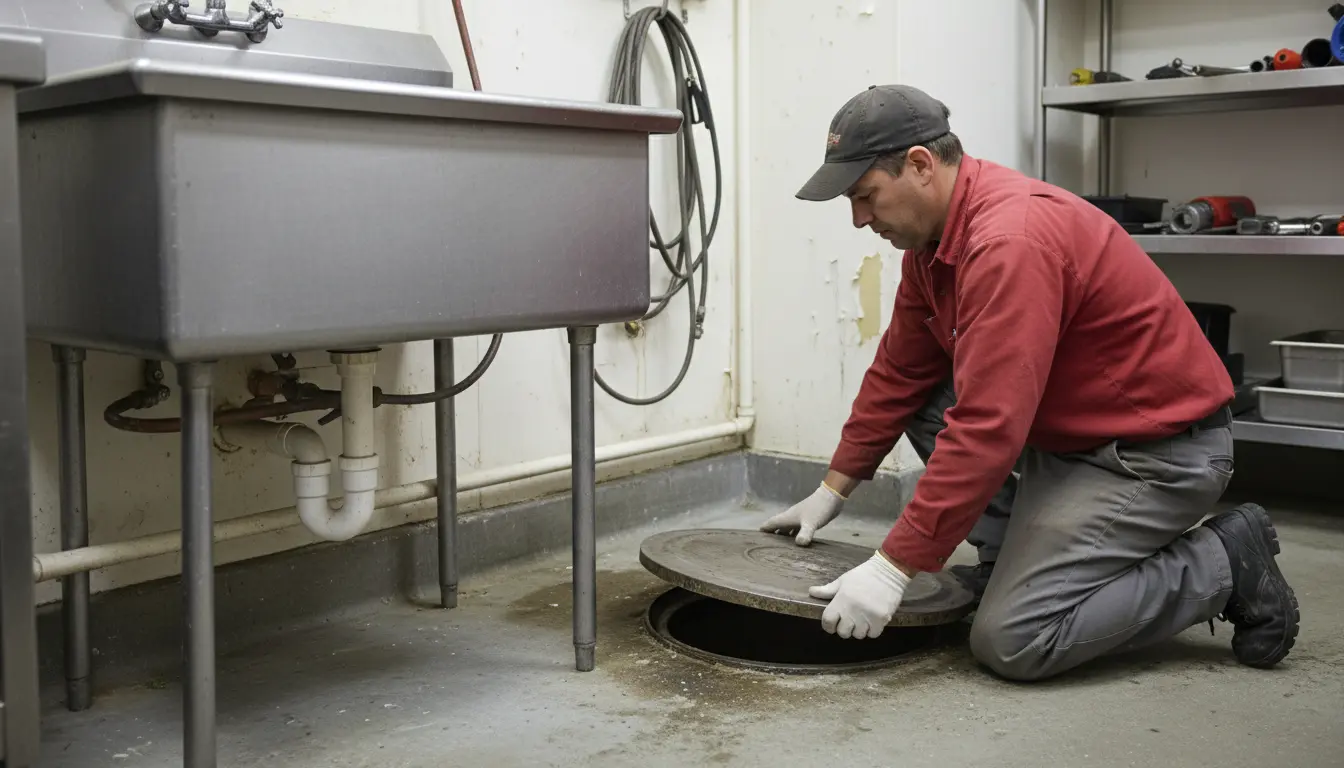
Find the Best Grease Trap Cleaning Companies for Your Business
No obligation • Fast responses • Nationwide coverage

Why you can trust Restaurant Waste Disposal
Restaurant Waste Disposal is a leading U.S. resource for comparing restaurant composting, food-waste recycling, grease trap cleaning, and used cooking oil collection services. Our editorial team researches providers, checks credentials, and organizes unbiased information so operators can make informed decisions. Companies cannot pay to change ratings or placement.
Search providers near you
Top Grease Trap Cleaning Companies in Atlanta, Georgia Ranked
For any restaurant, food truck, or commercial kitchen in Atlanta, managing fats, oils, and grease (FOG) is a critical operational and legal responsibility. The City of Atlanta enforces strict wastewater pretreatment regulations to protect the municipal sewer system from blockages and costly overflows. Compliance isn't optional; it's a mandatory condition of your business license, governed by a detailed permit system with specific cleaning frequencies, inspection protocols, and significant penalties for non-compliance. Understanding Atlanta's unique grease trap and interceptor maintenance rules is essential to avoid fines, service interruptions, and damage to your establishment's plumbing.
Proper grease management starts with knowing your equipment. Atlanta's code distinguishes between smaller, under-sink grease traps and larger, in-ground grease interceptors. The type and location of your unit directly dictate your legally required cleaning schedule. For indoor traps, the minimum cleaning interval is every 14 days. For outdoor gravity interceptors, the minimum interval is every 90 days 1 2. However, these are just baselines. The most critical rule is the "25% Rule," which mandates an immediate pump-out if the combined layer of FOG and solids reaches 25% of the liquid depth in the unit, regardless of how much time has passed since the last service 1 3. This proactive measure is designed to prevent grease from escaping into the sewer lines.
Zoom Drain
8601 Dunwoody Pl, Sandy Springs, GA 30350
Zoom Drain is a specialist in sewer and drain cleaning services based in Sandy Springs, GA. They serve residential and commercial customers in Sandy Springs and nearby areas, offering expert solutions for clogged drains, sump pump replacements, and grease trap maintenance. The company is known for using safe and sustainable cleaning methods to extend the life of pipes and prevent damage from harsh chemicals. Zoom Drain also provides tailored maintenance plans and advanced technology to support property managers and contractors. Their services include grease trap installation and hydrojetting, addressing complex plumbing issues with experienced technicians.
Roto-Rooter Plumbing & Water Cleanup
3780 W County Line Rd # G, Douglasville, GA 30135
Roto-Rooter Plumbing & Water Cleanup provides comprehensive plumbing services in South Fulton, GA, including floodwater cleanup, sewer and drain cleaning, water heater repairs, and grease trap maintenance. Serving Douglasville and the greater Atlanta metro area, they handle both residential and commercial plumbing needs with specialized equipment such as high-pressure water jetting (hydro-jetting) and advanced sewer line repair techniques. Founded on a legacy dating back to 1935 with the invention of the motorized drain cleaner, Roto-Rooter combines decades of experience with modern technology. They offer 24/7 emergency plumbing services to address urgent issues like burst pipes, sewer backups, and water damage cleanup.
Roto-Rooter Plumbing & Water Cleanup
2805 Peachtree Industrial Blvd #110, Duluth, GA 30097
Roto-Rooter Plumbing & Water Cleanup provides a wide range of plumbing services in Sandy Springs, GA, including commercial plumbing, drain cleaning, sewer line services, water heater repairs, and grease trap cleaning. They use advanced techniques such as hydro-jetting and video camera sewer inspections to address complex plumbing issues. The company serves the Duluth metro area and offers 24/7 emergency plumbing services to handle urgent problems at any time.
Roto-Rooter Plumbing & Water Cleanup
997 Commerce Dr SW Ste 300, Conyers, GA 30094
Roto-Rooter Plumbing & Water Cleanup provides a wide range of plumbing services in Stonecrest, GA, including residential and commercial plumbing, drain cleaning, sewer line repair, and grease trap cleaning. They offer specialized capabilities such as hydro-jetting and water damage cleanup. The company serves multiple counties around Conyers and has a strong local presence. Roto-Rooter is available 24/7 for emergency plumbing services, ensuring help is accessible anytime.
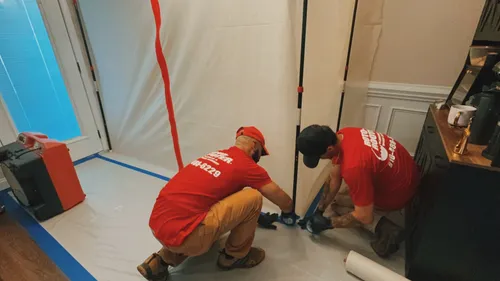
Roto-Rooter Plumbing & Water Cleanup
101 Yorktown Dr Ste 190, Fayetteville, GA 30214
Roto-Rooter Plumbing & Water Cleanup offers a wide range of plumbing services in South Fulton, GA, including floodwater cleanup, sewer and drain cleaning, water heater repairs, and grease trap maintenance. Serving both residential and commercial clients, they provide specialized capabilities such as high-pressure hydro-jetting and trenchless sewer line replacement. Established in 1935, Roto-Rooter has a long history of plumbing expertise and offers 24/7 emergency service for urgent plumbing issues.
Atlanta's Grease Control Ordinance: Key Requirements
The backbone of local FOG management is the Food Service Wastewater Discharge Permit, issued by the City of Atlanta Department of Watershed Management. This isn't a one-time fee; it's an annual permit with costs that can vary based on the number and type of grease control devices at your facility. Holding this permit subjects your business to unannounced inspections. Some high-volume establishments report being inspected by Watershed Management or the Fire Marshal up to three times per year 4. During an inspection, officials will check the physical condition of your trap or interceptor and, crucially, review your service documentation.
Documentation and Record-Keeping
Failing to maintain proper records can lead to a failed inspection, even if your trap was recently cleaned. Atlanta code requires you to keep detailed service manifests on-site for a minimum of three years. These manifests, provided by your licensed grease hauler, must include:
- The date of service.
- The company name and license information.
- The volume of grease and solids removed.
- The disposal location (a licensed rendering plant or wastewater treatment facility).
- The signature of the service technician.
Having this paperwork organized and readily available is a simple yet vital step in demonstrating compliance.
Consequences of Non-Compliance
The penalties for failing an inspection or operating without a valid permit are severe and costly. Initial consequences include re-inspection fees and the immediate cost of an emergency pump-out. If violations are not corrected, the city can levy daily fines and, most damagingly, place a hold on your business license, effectively shutting down operations until the issue is resolved 5 6. Persistent violations attract increased scrutiny and can harm your establishment's reputation.
Understanding Service Costs and Scheduling
Budgeting for grease trap maintenance is a predictable operational cost. For scheduled, preventive maintenance pumping in the Atlanta area, restaurants can typically expect to pay between $250 and $400 per service 7. This average cost can fluctuate based on factors like the size (capacity in gallons) of your interceptor, its accessibility, and the volume of waste removed.
It is vital to view this as a necessary investment. The cost of emergency service, which is often required after a failed inspection or a sewer backup, is substantially higher, ranging from $800 to $1,200 or more per call8. Proactive, scheduled cleaning is always more economical than reactive emergency service. Establishing a regular service plan with a reputable provider ensures you meet the minimum frequency requirements and stay ahead of the 25% rule, minimizing the risk of unexpected failures and exorbitant emergency fees.
Find the perfect grease trap cleaning companies for your needs
Get personalized recommendations and expert advice
Choosing a Service Provider in Atlanta
Not all waste haulers are equal when it comes to Atlanta's specific compliance landscape. When selecting a grease trap cleaning partner, look for a company that demonstrates clear knowledge of the local City of Atlanta ordinances, not just general state guidelines. A qualified provider will:
- Be fully licensed and insured to operate in Fulton County and the City of Atlanta.
- Provide detailed, code-compliant service manifests after every cleaning.
- Offer guidance on your specific cleaning schedule based on your trap type and volume.
- Utilize GPS-tracked vehicles that document proper disposal at licensed facilities, which may be verified by the city.
- Offer additional services like grease interceptor repair, jetting of connected lines, and inspection support.
Building a relationship with a knowledgeable provider turns grease management from a regulatory headache into a streamlined part of your back-of-house operations.
Best Practices for Kitchen Staff
While professional pumping is required, daily kitchen practices significantly impact how quickly your trap fills and its risk of failure. Educating your staff on simple FOG best practices can extend time between services and improve overall compliance:
- Scrape, Don't Rinse: Scrape all food scraps and grease from plates, pots, and pans into the trash before washing.
- Use Strainers: Place strainers in all sink drains to catch solid food particles.
- Never Pour Grease Down the Drain: Collect all used fryer oil, cooking grease, and pan drippings in sealed containers for collection by your grease hauler or oil recycler.
- Minize Garbage Disposal Use: Avoid using the garbage disposal for fatty foods, as this sends emulsified grease into the trap, making it harder to separate and remove.
Implementing these practices reduces the load on your grease control device, helping you stay comfortably within the 25% rule for longer periods.
The Bigger Picture: Why Atlanta's Rules Exist
Atlanta's stringent FOG program exists to protect a critical public asset: the sewer infrastructure. When grease escapes from commercial kitchens, it cools, hardens, and adheres to the inside of sewer pipes. Over time, this accumulation, combined with other debris, creates massive blockages known as "fatbergs." These blockages can cause sewage backups into streets, businesses, and homes, leading to environmental hazards, public health risks, and millions of dollars in cleanup and repair costs for the city-expenses ultimately borne by taxpayers and ratepayers. Your compliance is a direct contribution to the community's environmental and economic well-being.
Frequently asked questions
Sources
Footnotes
-
§ 154-297.03. Maintenance and inspection requirements for new and existing grease traps., Division 4. DISCHARGE RESTRICTIONS, Article V. SEWAGE DISPOSAL, Chapter 154. UTILITIES, Part II. CODE OF ORDINANCES-GENERAL ORDINANCES, Code of Ordinances, Atlanta - http://atlanta.elaws.us/code/coor_ptii_ch154_artv_div4_sec154-297.03 ↩ ↩2
-
Atlanta Grease Trap Regulations & FOG Compliance Guide 2025 - https://greaseconnections.com/atlanta-grease-trap-regulations-fog-compliance-guide/ ↩
-
Grease Trap vs Interceptor: Atlanta Code Guide - https://greaseconnections.com/grease-trap-vs-interceptor-atlanta-code-guide/ ↩
-
NFPA 96 Compliance: The Ultimate Hood Cleaning Guide for Atlanta Restaurants - https://www.premiergrease.com/blog/nfpa-96-compliance-the-ultimate-hood-cleaning-guide-for-atlanta-restaurants ↩
-
Grease Trap Failed Atlanta Watershed Inspection? | Southern Green - https://www.southerngreen.com/blog/what-happens-when-a-grease-trap-fails-inspection-under-atlantas-watershed-rules ↩
-
Georgia Grease Ordinance: All County Fees & Deadlines - https://greaseconnections.com/georgia-grease-ordinance-fees-deadlines/ ↩
-
Grease Trap in Atlanta, GA - Costs 11 / 2025 - Homeyou - https://www.homeyou.com/ga/grease-trap-atlanta-costs ↩
-
Ultimate Grease Trap Pumping Cost Guide: Essential Money-Saving ... - https://www.texwaywastewater.com/grease-trap-pumping-cost/ ↩