Find the Best Composting & Food Waste Companies for Your Business
No obligation • Fast responses • Nationwide coverage

Why you can trust Restaurant Waste Disposal
Restaurant Waste Disposal is a leading U.S. resource for comparing restaurant composting, food-waste recycling, grease trap cleaning, and used cooking oil collection services. Our editorial team researches providers, checks credentials, and organizes unbiased information so operators can make informed decisions. Companies cannot pay to change ratings or placement.
Search providers near you
Top Composting & Food Waste Companies in The Colony, Texas Ranked
For restaurants and food service businesses in The Colony, managing organic waste is a critical operational and environmental consideration. While the city itself does not offer a municipal composting program for commercial entities, a robust network of private haulers provides dedicated food waste collection services. These services are designed to help local eateries, from fast-casual spots to fine dining, divert food scraps, used cooking oil, and certified compostable packaging from landfills, turning a waste stream into a resource. Implementing an organics diversion program can support sustainability goals, potentially reduce waste hauling costs, and meet the growing expectations of eco-conscious customers.
Successful programs hinge on understanding the local provider landscape, implementing clear internal sorting protocols, and maintaining strict standards to avoid contamination, which is the primary challenge for businesses new to composting.
Recycle Revolution
6835 Forest Park Rd, Dallas, TX 75235
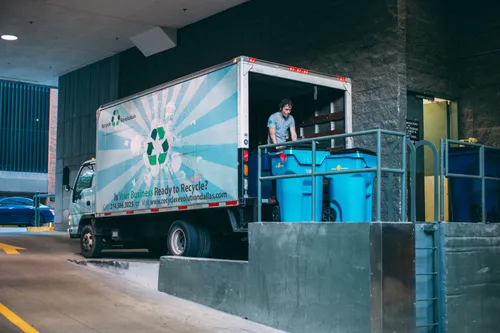
Recycle Revolution offers food waste and composting services for restaurants and businesses in Dallas, TX. They provide collection services and operate a community drop-off center that supports responsible resource recovery. The company focuses on fostering recycling and composting culture in North Texas and accepts a variety of materials including food scraps and hard-to-recycle items. With over 10 years of experience, Recycle Revolution is committed to environmental awareness and good neighborship.
The Organic Recycler - Mulch, Compost, Soil & More
13001 Old Denton Rd, Keller, TX 76262
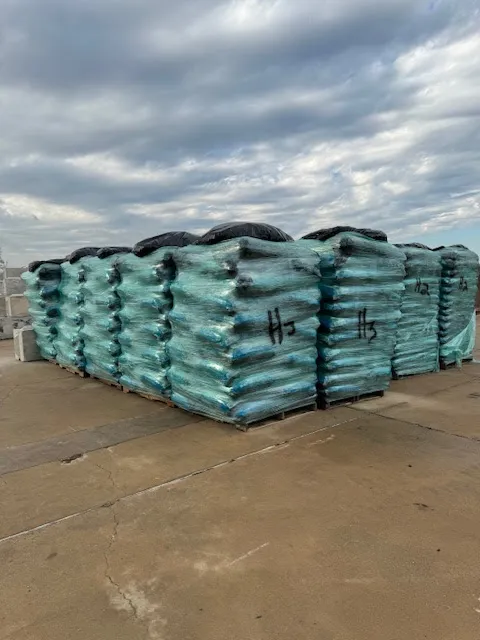
The Organic Recycler - Mulch, Compost, Soil & More is based in Keller, TX, and provides a range of landscaping products and services. They specialize in supplying mulch, soils, compost, and aggregates, along with land clearing services for projects of various sizes. The company also recycles food and liquid waste to create sustainable organic landscaping materials. Founded in 2014, The Organic Recycler serves the DFW area, Austin, and Oklahoma, offering dependable delivery and a blower application service to assist with larger jobs.
Local Service Providers for Organic Waste
Several Texas-based companies extend their commercial food scrap collection services to businesses in The Colony and the greater Dallas-Fort Worth area. Partnering with a private hauler is the standard path for restaurants seeking to compost.
- Recycle Revolution: This provider offers commercial food waste collection, focusing on diverting organic material from the landfill. They work with businesses to set up appropriate container systems and schedules.
- Moonshot Compost: Operating in the Dallas area, Moonshot provides composting services for businesses, including restaurants, offices, and multifamily properties. They emphasize helping clients achieve sustainability benchmarks like LEED certification.
- Turn Compost: A Texas-focused composting service, Turn Compost works with commercial clients to collect organic waste. They are recognized for their efforts in sustainable materials management within the state.
- Break It Down Texas: This service provider offers composting solutions tailored for businesses and offices, with a stated goal of supporting LEED certification efforts through reliable organics diversion.
- Texas Disposal Systems (TDS): While a larger waste solutions company, TDS offers specific restaurant waste solutions that can include organics recycling and composting as part of a comprehensive waste management plan 1.
These haulers typically service most businesses in the DFW region, including restaurants, hotels, corporate cafeterias, and event venues.
Setting Up Your Restaurant's Program
Implementing a food waste recycling system involves a few key steps, from selection to daily operations.
1. Contact and Choose a Provider It is advisable to get quotes and service details from multiple companies. Key factors to compare include:
- Cost Structure: Pricing varies significantly based on the volume of waste, pickup frequency, and your location. For small to medium containers, monthly costs can range from approximately $50 to over $200 2 3 4.
- Container Options: Haulers usually provide the collection containers. Common sizes include 32-gallon wheeled bins, 64-gallon totes, and even larger dumpsters for high-volume establishments.
- Pickup Schedule: Services offer flexible scheduling, often with weekly or bi-weekly pickups available seven days a week to accommodate different kitchen volumes and space constraints.
2. Implement Source Separation and Training This is the most crucial step for long-term success. Clear separation at the source prevents contamination.
- Employee Training: Comprehensive and ongoing training for all kitchen and front-of-house staff is essential. Providers often supply educational posters, bin labels, and other materials to aid this process 5.
- What to Collect: Typically, acceptable materials include all food scraps (fruits, vegetables, grains, meat, dairy), coffee grounds and filters, tea bags, and compostable serviceware that is BPI-certified. Used cooking oil and grease are often handled through separate, dedicated collection programs.
- Designated Collection Points: Place clearly labeled compost bins in key areas like food prep stations, dish pits, and behind service counters.
Find the perfect composting & food waste companies for your needs
Get personalized recommendations and expert advice
Critical Guidelines for Contamination Control
Contamination-placing non-compostable items in the organics stream-is the primary reason programs fail or incur extra fees. Maintaining a clean stream is a shared responsibility between your business and the composting facility.
- Strictly Prohibited Items: Never place plastics (including "bioplastic" utensils unless certified), metals, glass, rubber, latex gloves, or liquids (other than collected fats, oils, and grease) into the compost bin. Even one contaminated bin can spoil an entire truckload, leading to rejected pickups or additional contamination fees from your hauler.
- The "Compostable" Packaging Trap: Be wary of terms like "biodegradable" or "eco-friendly." Only packaging and serviceware with official BPI (Biodegradable Products Institute) certification should be considered for the compost stream. When in doubt, throw it out in the regular trash to protect the integrity of your compostable materials.
- Regular Audits and Feedback: Designate a sustainability lead to periodically check bins and provide feedback to staff. This proactive approach helps correct sorting errors before they become habitual.
Benefits and Reporting for Your Business
Beyond the environmental benefit of reducing landfill methane emissions, a well-run organics diversion program offers tangible business advantages.
- Waste Diversion Reporting: Many commercial composting services provide regular diversion reports. These documents quantify the volume of organic waste you've redirected from the landfill, which is invaluable for tracking progress toward corporate sustainability goals, marketing your green initiatives to customers, and supporting applications for certifications like LEED 6.
- Potential Cost Management: While there is a cost for composting service, diverting heavy, wet organic waste from your standard trash dumpster can sometimes allow you to reduce the size or frequency of your garbage hauling service, potentially offsetting some of the new cost.
- Brand Enhancement: Demonstrating a commitment to responsible waste management resonates strongly with today's consumers and can be a point of differentiation in a competitive market.
Managing Grease and Cooking Oil
While separate from food scrap composting, used cooking oil (UCO) and grease trap waste are vital components of a restaurant's overall organic waste strategy. These materials are almost always collected by specialized renderers or waste oil companies, not typically by compost haulers. Proper management prevents sewer blockages, reduces maintenance costs, and ensures this valuable resource is recycled into biofuels or other products. Ensure your grease trap is serviced regularly by a licensed provider and that your used fryer oil is stored safely in designated containers for pickup by a certified collector.
Frequently asked questions
Sources
Footnotes
-
Restaurant Waste Solutions - Texas Disposal Systems - https://www.texasdisposal.com/your-business/restaurant-solutions/ ↩
-
Commercial Composting Services for Dallas Businesses - https://www.moonshotcompost.com/service-areas/dallas ↩
-
Composting for Business, Office, Multifamily | LEED Certification - https://breakitdowntexas.com/composting/ ↩
-
Commercial Food Waste Collection - Dallas - Recycle Revolution - https://recyclerevolutiondallas.com/food-waste-collection ↩
-
Turn Compost - Texan By Nature - https://texanbynature.org/projects/turn-compost/ ↩
-
Commercial Organics Diversion Requirements - AustinTexas.gov - https://www.austintexas.gov/bizorganics ↩