Find the Best Composting & Food Waste Companies for Your Business
No obligation • Fast responses • Nationwide coverage

Why you can trust Restaurant Waste Disposal
Restaurant Waste Disposal is a leading U.S. resource for comparing restaurant composting, food-waste recycling, grease trap cleaning, and used cooking oil collection services. Our editorial team researches providers, checks credentials, and organizes unbiased information so operators can make informed decisions. Companies cannot pay to change ratings or placement.
Search providers near you
Top Composting & Food Waste Companies in Dallas, Texas Ranked
For Dallas restaurants, managing food scraps and organic waste is both an operational necessity and a significant opportunity for sustainability. Unlike some cities, Dallas does not offer a universal municipal program for commercial food waste diversion, making private subscription services the primary pathway for effective composting. This landscape means that eateries must proactively seek out specialized haulers who can transform kitchen prep scraps, plate waste, and spoiled inventory into nutrient-rich compost, thereby reducing landfill reliance and associated fees. Navigating the options for organic waste recycling in Dallas requires understanding the local providers, their service models, and how to implement a successful program in a busy kitchen environment.
The Landscape of Organic Waste Recycling in Dallas
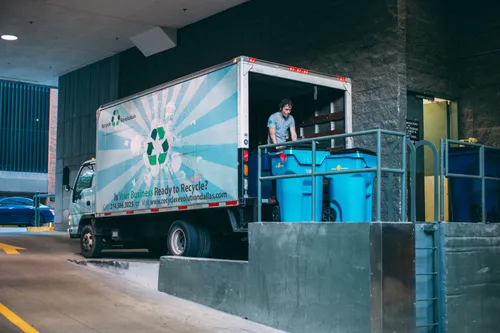
The City of Dallas Sanitation Department focuses primarily on residential waste and limited commercial roll-cart services, leaving a gap for comprehensive food scrap collection tailored to the volume and pace of restaurant operations 1. Consequently, the market for commercial organics diversion is served by a network of private companies. These providers fill a critical role, offering customized solutions that range from small-scale pickups for cafes to large-volume contracts for major hospitality groups. This private-sector approach allows for flexibility but requires restaurant managers to conduct their own research and vendor comparisons to find the best fit for their specific waste stream and sustainability goals.
Engaging with a food waste hauler is more than just adding another bin to the alley; it's a partnership aimed at waste transformation. These companies typically work with local compost facilities to ensure the collected material is processed correctly, closing the loop by returning finished compost to local farms and gardens. For a restaurant, this creates a tangible story of environmental stewardship that can resonate with a growing base of eco-conscious customers.
Key Service Providers for Dallas Restaurants
Several established companies serve the Dallas-Fort Worth area, each with slightly different models for organic waste collection.
- Recycle Revolution: This local service emphasizes comprehensive food scrap acceptance, including items like meat, dairy, bones, and even liquids, which are sometimes excluded from other programs 2. They utilize specialized collection vehicles, provide clean bins at each pickup, and emphasize direct partnerships with local composters.
- Turn Compost: Operating on a subscription model, Turn Compost markets itself as an easy, accessible solution for restaurants looking to start diverting food waste without complex logistics 3. Their focus is on simplifying the process for busy kitchen staff.
- Moonshot Compost: This provider offers flexible service plans for DFW businesses and includes diversion reporting, giving restaurants concrete data on their environmental impact. This reporting can be valuable for sustainability certifications and marketing communications.
- Texas Disposal Systems (TDS): As a larger, established waste management company, TDS provides custom restaurant solutions that can integrate food waste composting with other services like recycling and garbage collection, aiming to provide a holistic waste reduction strategy.
Implementing a Restaurant Food Scrap Program
Starting a composting initiative involves several key steps, from initial assessment to ongoing staff training.
1. Assess Your Waste Volume and Stream Begin by conducting a brief waste audit. Track how much food waste is generated from food preparation, customer plates, and spoilage over a typical week. Identifying the sources (e.g., mostly vegetable peels vs. significant plate waste) helps determine the appropriate container size and collection frequency needed.
2. Choose a Provider and Service Plan Contact several providers for quotes. Key questions to ask include:
- What materials are accepted and prohibited?
- What container sizes are available (e.g., 5-gallon buckets for front-of-house, 32- to 96-gallon totes for the kitchen)?
- How flexible are pickup schedules (weekly, bi-weekly, etc.)?
- What are the costs, and how do they structure pricing (e.g., monthly fee based on volume and frequency)?
- Do they provide onboarding support and educational materials for staff?
3. Set Up for Success and Train Staff Proper setup is crucial to avoid contamination, which can spoil an entire load of compost. Place clearly labeled bins in strategic locations: smaller containers at prep stations and dish pits, and a larger collection tote in the back. Comprehensive staff training is the most critical component. Use clear signage with pictures showing what goes in the compost bin (food scraps, paper towels, napkins) versus what stays out (plastics, metals, glass, Styrofoam) 4 5. Initial and refresher training ensures proper sorting becomes a standard kitchen habit.
Find the perfect composting & food waste companies for your needs
Get personalized recommendations and expert advice
Understanding Costs and Contamination Guidelines
The cost for commercial food waste collection in Dallas varies significantly based on the volume of organic material, the size and number of containers, and the frequency of pickup. Most providers charge a monthly subscription fee. While this is an added line item, it can be partially or wholly offset by reducing the volume of trash sent to the landfill, which lowers standard garbage hauling fees and associated tipping costs 6. Investing in organics diversion can also mitigate potential future costs related to waste regulations and enhances the restaurant's brand as a sustainable business.
Adhering to contamination guidelines is essential for a successful program. Commonly accepted items include:
- All food scraps (raw and cooked)
- Meat, fish, bones, and dairy products
- Grains, bread, pasta
- Fruits, vegetables, and peelings
- Coffee grounds and filters
- Paper towels, napkins, and uncoated paper products (provider-dependent)
Items that must be kept out of the compost stream to prevent contamination are:
- Plastics of any kind, including "compostable" plastics unless explicitly approved
- Metals, glass, and Styrofoam
- Hazardous waste or chemicals
- Liquids in non-approved containers
- Plastic-lined paper products
The Broader Benefits of Food Waste Diversion
Beyond waste management, a robust organics recycling program delivers multiple benefits. Environmentally, it reduces methane emissions from landfills, conserves landfill space, and produces compost that enriches soil 7. Operationally, it can lead to a cleaner kitchen, more mindful food usage, and potential savings on garbage disposal costs. From a business perspective, it strengthens your restaurant's reputation, meets the expectations of sustainability-minded patrons and employees, and can be a differentiating factor in a competitive market. It represents a proactive step toward a circular economy, where waste is viewed not as an endpoint, but as a resource for new growth.
Frequently asked questions
Sources
Footnotes
-
Commercial Recycling and Garbage Collection Service - https://dallascityhall.com/departments/sanitation/Pages/Commercial-Recycling-and-Garbage-Collection-Service.aspx ↩
-
Dallas Recycling & Compost Collection Service - https://recyclerevolutiondallas.com/composting ↩
-
Turn Compost - Texan By Nature - https://texanbynature.org/projects/turn-compost/ ↩
-
Commercial Food Waste Collection - Recycle Revolution - Dallas Recycling & Compost Collection Service - https://recyclerevolutiondallas.com/food-waste-collection ↩
-
Commercial Composting Services for Dallas Businesses - https://www.moonshotcompost.com/service-areas/dallas ↩
-
Restaurant Waste Solutions - Texas Disposal Systems - https://www.texasdisposal.com/your-business/restaurant-solutions/ ↩
-
What is Restaurant Composting? - Benefits & How It Works - https://www.webstaurantstore.com/article/60/restaurant-composting.html ↩