Find the Best Composting & Food Waste Companies for Your Business
No obligation • Fast responses • Nationwide coverage

Why you can trust Restaurant Waste Disposal
Restaurant Waste Disposal is a leading U.S. resource for comparing restaurant composting, food-waste recycling, grease trap cleaning, and used cooking oil collection services. Our editorial team researches providers, checks credentials, and organizes unbiased information so operators can make informed decisions. Companies cannot pay to change ratings or placement.
Search providers near you
Best Composting & Food Waste Companies in Texas Ranked
Managing food scraps and organic waste is a critical operational and environmental consideration for Texas restaurants. While statewide regulations focus on the facilities that process this material, several major cities-most notably Austin-have enacted specific mandates requiring food-permitted businesses to divert organics from landfills. This means implementing practical systems for composting, donation, or other recovery methods. Understanding these local rules, available services, and potential cost implications is key to developing an effective and compliant food waste strategy.
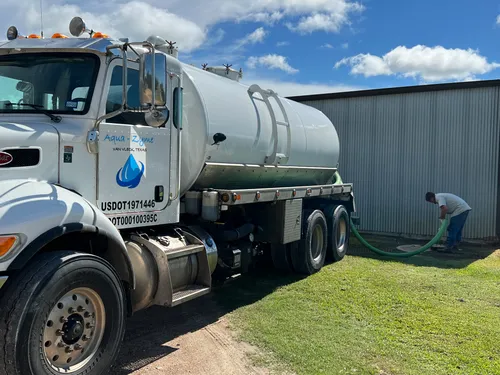
Aqua-Zyme Services (Septic, Grease traps, Port-a-Potty, Rolloff Trash Containers)
569 FM 2540, Van Vleck, TX 77482
Aqua-Zyme Services provides waste disposal and water treatment solutions in Houston, TX. They offer a range of services including septic pumping, grease trap cleaning, portable toilet rentals, rolloff trash containers, and composting services. The company specializes in dewatering equipment rental and sales, which helps industries reduce the volume and weight of semi-solid waste. With over 20 years of experience, Aqua-Zyme operates disposal sites in Texas and supports businesses in managing liquid waste efficiently.
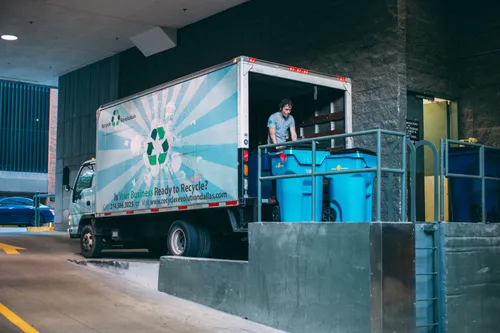
Recycle Revolution
6835 Forest Park Rd, Dallas, TX 75235
Recycle Revolution offers food waste and composting services for restaurants and businesses in Dallas, TX. They provide collection services and operate a community drop-off center that supports responsible resource recovery. The company focuses on fostering recycling and composting culture in North Texas and accepts a variety of materials including food scraps and hard-to-recycle items. With over 10 years of experience, Recycle Revolution is committed to environmental awareness and good neighborship.
Zero Waste Houston
1591 Hope Rd, Conroe, TX 77384
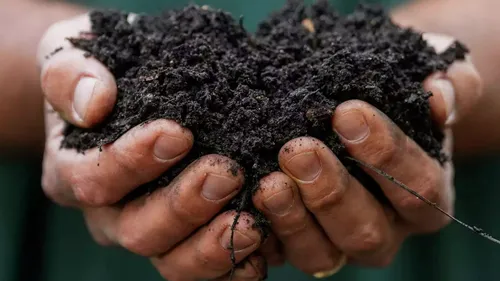
Zero Waste Houston provides food waste and composting services for restaurants and residents in Houston, TX. They offer residential and commercial food waste pick-up, community drop-offs, zero waste events, and advising. Their process turns food waste into compost to help regenerate soil and support sustainable communities. They also provide Texas native landscape installation, maintenance, and soil regeneration services. The business emphasizes reducing waste by giving organic material a second life through composting.
The Organic Recycler - Mulch, Compost, Soil & More
13001 Old Denton Rd, Keller, TX 76262
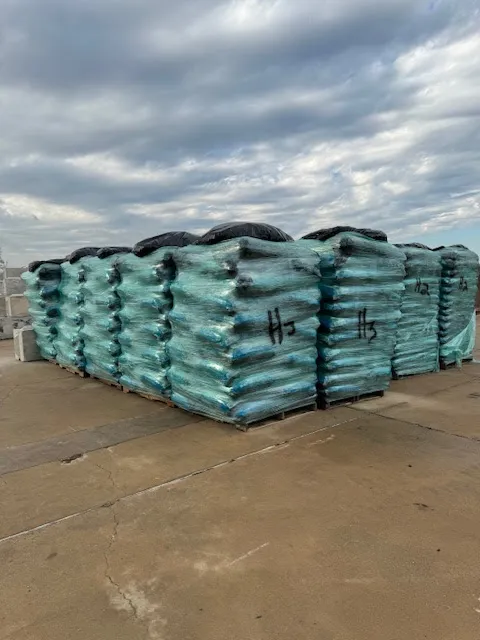
The Organic Recycler - Mulch, Compost, Soil & More is based in Keller, TX, and provides a range of landscaping products and services. They specialize in supplying mulch, soils, compost, and aggregates, along with land clearing services for projects of various sizes. The company also recycles food and liquid waste to create sustainable organic landscaping materials. Founded in 2014, The Organic Recycler serves the DFW area, Austin, and Oklahoma, offering dependable delivery and a blower application service to assist with larger jobs.

Zero Waste The Woodlands
8000 Research Forest Dr suite 115-154, The Woodlands, TX 77382
Zero Waste The Woodlands provides food waste and composting services for restaurants and communities in Conroe, TX. They offer residential and commercial food waste pick-up, community drop-offs, zero waste events, and advising. The company focuses on turning food waste into compost to regenerate soil and supports Texas native landscape installation and maintenance, including landscape design and soil regeneration.
Understanding Texas Regulations and Local Mandates
In Texas, the Texas Commission on Environmental Quality (TCEQ) primarily regulates composting and mulching facilities, setting standards for their operation rather than dictating specific practices for individual businesses statewide 1. This means there is no universal Texas law forcing all restaurants to compost. However, the regulatory landscape shifts significantly at the city level, where local ordinances can create strict requirements.
Austin's Universal Recycling Ordinance (URO) is the most comprehensive example in the state. It requires all food-permitted businesses to provide convenient organics diversion options for their employees and to submit an annual Organics Diversion Plan to the city 2. The ordinance effectively bans food waste from landfills for these businesses, mandating the use of alternative methods like donation, animal feed programs, or composting. Other major cities like Dallas, Houston, and San Antonio may have their own recycling or waste diversion goals and programs, so it is essential to check with your local municipal waste management department for specific rules that apply to your location.
What Materials Can Be Diverted?
For restaurants operating under a diversion program like Austin's, knowing what counts as "organics" is the first step. The primary material is, of course, food scraps-everything from prep waste and spoiled inventory to customer plate scrapings. Additionally, food-soiled paper products, such as uncoated paper napkins, pizza boxes, and paper towels, are typically included 3. In some programs, certified compostable serviceware (those labeled BPI-certified) may also be accepted in the organics stream 4. Clear communication and proper sorting are vital to prevent contamination that can disrupt the composting process.
Implementing a Food Waste Diversion Program
Putting a successful organics diversion system into practice involves a few key steps: planning, partnering with the right service providers, and setting up your physical space for ease of use.
1. Develop Your Plan: In mandated areas like Austin, this is a formal requirement. Your annual Organics Diversion Plan should outline how you will recover food for donation, send scraps to animal feed operations, or have them composted 5. Even where not required, creating an internal plan helps streamline operations.
2. Partner with Licensed Haulers: Most restaurants will work with a licensed waste hauler that offers organics collection services. Companies like Texas Disposal Systems, Waste Connections, and other local providers can supply collection bins and schedule regular pickups, similar to trash and recycling services 6. These haulers ensure the material is transported to permitted composting facilities or other appropriate end destinations.
3. Set Up Your Space for Success: Employee participation is crucial. Place outdoor collection containers for trash, recycling, and organics next to each other in a convenient location 7. Bins should be clearly labeled and color-coded-often green for organics. The city of Austin recommends providing recycling and organics capacity that is equal to or greater than your trash container capacity to encourage diversion 8 9. Indoors, provide clearly marked, smaller bins in kitchen and dishwashing areas to make sorting second nature for your staff.
Find the perfect composting & food waste companies for your needs
Get personalized recommendations and expert advice
The Financial Picture: Costs and Potential Savings
A common concern for restaurant operators is the cost of adding a new waste stream. Expenses for organics collection services vary by hauler, the volume of waste you generate, and your location 10. However, diversion often leads to net financial benefits. By redirecting heavy, wet food waste from your trash dumpster, you can frequently downsize your garbage service or reduce pickup frequency. Since landfill tipping and trash hauling fees are often higher than those for organics collection, many businesses see their overall waste management costs decrease 11. The potential for savings, coupled with avoiding non-compliance fines in regulated cities, makes a strong business case for implementing a food waste program.
Alternative Diversion Methods
While third-party composting collection is a popular solution, it's not the only path to compliance or sustainability.
- Food Donation: Partnering with local food banks or rescue organizations is a high-impact way to divert edible food. It addresses food insecurity and can offer tax benefits.
- Animal Feed: Some farms or specialized services will collect certain food scraps to use as animal feed, providing another valuable outlet for waste.
- On-Site Composting: For operations with sufficient space and commitment, small-scale on-site composting can process waste directly, though it requires careful management to avoid odor or pest issues.
Best Practices for Restaurant Operations
Beyond setting up bins, integrating food waste reduction into daily operations maximizes efficiency and minimizes costs.
- Conduct a Waste Audit: Track what and how much you are throwing away to identify sources of waste, whether from over-preparation, spoilage, or customer portions.
- Train Your Team: Consistent, clear training for all staff-from chefs to dishwashers to servers-is essential for proper sorting and the overall success of the program.
- Source Reduction First: The most effective strategy is to not create waste in the first place. Improve inventory management, adjust portion sizes, and find creative uses for food trimmings (like stocks or sauces) to reduce the volume of organics needing diversion.
Staying informed about evolving local regulations and service provider options will help ensure your Texas restaurant not only meets its obligations but also contributes to a more sustainable and efficient food system.