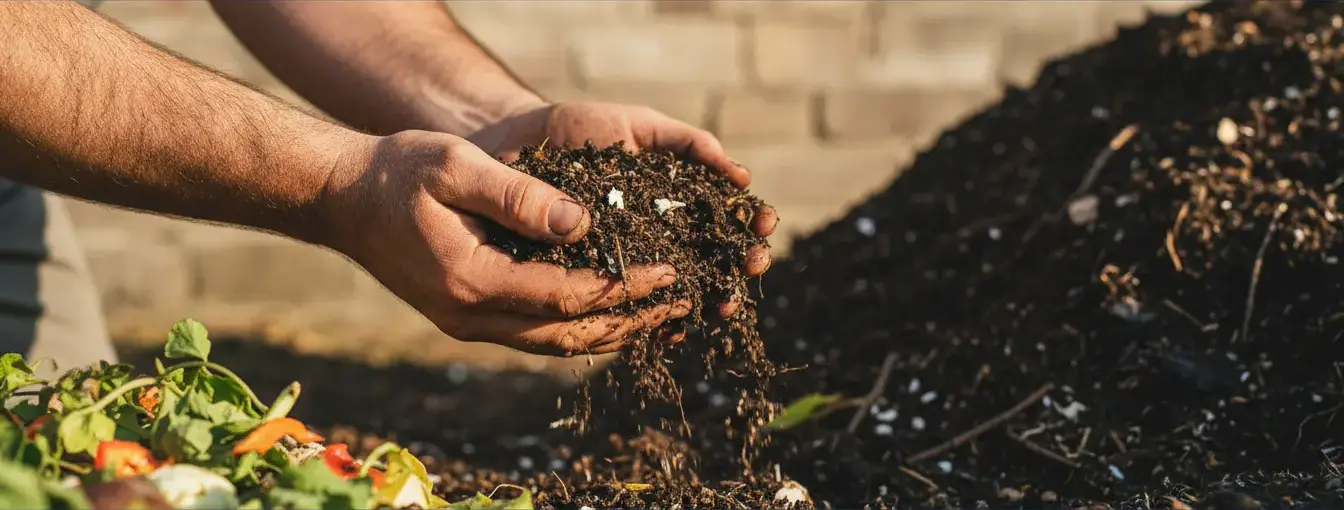
Find the Best Composting & Food Waste Companies for Your Business
No obligation • Fast responses • Nationwide coverage

Why you can trust Restaurant Waste Disposal
Restaurant Waste Disposal is a leading U.S. resource for comparing restaurant composting, food-waste recycling, grease trap cleaning, and used cooking oil collection services. Our editorial team researches providers, checks credentials, and organizes unbiased information so operators can make informed decisions. Companies cannot pay to change ratings or placement.
Search providers near you
Top Composting & Food Waste Companies in Conroe, Texas Ranked
For restaurant owners and food service managers in Conroe, managing food scraps and organic waste is a critical operational and environmental consideration. Unlike some cities with mandated programs, Conroe operates on an open market system for commercial waste services, giving businesses the responsibility and flexibility to choose their own providers for composting and food waste recycling. This guide is designed to help you navigate the process of setting up an effective organics diversion program, from selecting a hauler to mastering contamination rules, ultimately helping you reduce landfill waste and potentially lower your overall disposal costs.
Understanding the local framework is the first step. The City of Conroe does not operate a universal, city-run commercial composting program. Instead, it franchises specific commercial waste haulers to operate within the city. This means your restaurant must contract directly with one of these approved providers to arrange for separate collection of food scraps, soiled paper, and other compostable materials. Taking control of your organic waste stream is not just about disposal-it's a strategic move toward sustainability that can resonate with customers and streamline back-of-house operations.
Zero Waste Houston
1591 Hope Rd, Conroe, TX 77384
Zero Waste Houston provides food waste and composting services for restaurants and residents in Houston, TX. They offer residential and commercial food waste pick-up, community drop-offs, zero waste events, and advising. Their process turns food waste into compost to help regenerate soil and support sustainable communities. They also provide Texas native landscape installation, maintenance, and soil regeneration services. The business emphasizes reducing waste by giving organic material a second life through composting.

Zero Waste The Woodlands
8000 Research Forest Dr suite 115-154, The Woodlands, TX 77382
Zero Waste The Woodlands provides food waste and composting services for restaurants and communities in Conroe, TX. They offer residential and commercial food waste pick-up, community drop-offs, zero waste events, and advising. The company focuses on turning food waste into compost to regenerate soil and supports Texas native landscape installation and maintenance, including landscape design and soil regeneration.
Navigating Conroe's Commercial Waste Market
The key to starting a food waste recycling program in Conroe is partnering with the right hauler. Since the city uses a franchised system, you must select from approved commercial waste companies like Frontier Waste Solutions, Waste Management, or Republic Services. Your first action should be to contact these providers directly to inquire about their specific commercial organics collection services. Not all haulers may offer composting as a standard service, or they may have different program structures, so it's essential to ask pointed questions.
When you call, be prepared to discuss your establishment's specifics. Haulers will need to know your approximate weekly volume of food waste to recommend appropriate service levels. This initial assessment helps ensure you don't overpay for a container that's too large or end up with a bin that overflows too quickly. Remember, you are a customer in a competitive market, and you have the leverage to request detailed quotes and compare services.
Setting Up Your Service: Containers and Schedules
Once you select a hauler, they will work with you to determine the practical details of your collection service. This includes the type of container and the pickup frequency.
Container Types: Your hauler will typically provide the collection containers. For food waste, these are often wheeled carts similar to recycling bins, but scaled for commercial use. For larger restaurants, cafeterias, or venues generating significant volume, dumpsters or even compactors dedicated to organics may be the solution. The size will be directly correlated to your agreed-upon service level and cost.
Pickup Schedules: Flexibility is a hallmark of the private market. Pickup schedules are negotiated between your restaurant and the hauler. Depending on your food waste output, you can arrange for collection daily, several times a week, or weekly 1. Factors like kitchen space, odor control, and health codes will influence this decision. A high-volume establishment like a banquet hall may need daily pickups, while a smaller café might manage with a weekly service.
The Golden Rule: Preventing Contamination
The single most important factor for a successful and cost-effective composting program is preventing contamination. Contamination occurs when non-compostable materials are placed in the organics bin. This can ruin entire loads of compost, lead to rejected pickups, and almost always results in additional fees from your hauler 2.
What CAN Go In:
- Food scraps (fruits, vegetables, meat, bones, dairy, bread, coffee grounds)
- Soiled, non-recyclable paper (napkins, paper towels, uncoated paper plates)
- Certified compostable serviceware and bags (look for BPI certification)
What MUST Stay Out:
- Plastic bags (unless they are certified compostable)
- Glass, metal cans, and foil
- Styrofoam and other plastics
- Liquids (oils, soups, drinks)
- General trash and recyclables
Clear, consistent staff training is non-negotiable. Place well-labeled bins in key areas like the prep kitchen, dishwashing station, and buffet breakdown area. Using liners that are clearly marked as compostable can help. Regular audits of your organics bin can catch contamination early and reinforce training.
Find the perfect composting & food waste companies for your needs
Get personalized recommendations and expert advice
Understanding Costs and Building a Business Case
Investing in organics recycling involves a shift in both practice and budgeting. Costs are not fixed by the city and will vary widely based on your hauler, container size, pickup frequency, and the purity of your compost stream. Generally, you can expect to pay a monthly fee for the organics collection service on top of your existing trash service. While this is an added line item, many businesses find that by diverting heavy, wet food waste, they can reduce the size or frequency of their garbage dumpster, potentially offsetting some of the new cost.
A small bin service might start in the range of $50 to $100 or more per month, with costs scaling up for larger containers and more frequent pickups 3. It's crucial to get detailed, written quotes that outline all potential fees, especially those for contamination. Building a business case involves looking beyond the monthly invoice. Consider the environmental marketing value, alignment with corporate sustainability goals, and the growing consumer preference for eco-conscious businesses. Reducing your restaurant's landfill contribution is a tangible achievement you can share with your community.
Steps to Launch Your Program
- Research and Contact: Compile a list of Conroe's franchised commercial haulers. Contact each one and explicitly ask for a quote on commercial food waste composting services for a restaurant.
- Compare Quotes: Evaluate not just on price, but on container options, pickup flexibility, customer service reputation, and their policies on contamination and education.
- Pilot and Train: Consider starting with a smaller bin and a conservative pickup schedule. Before the first collection, conduct thorough training with all kitchen and service staff. Use clear signage.
- Monitor and Adjust: For the first few weeks, monitor the organics and trash bins closely. Adjust training as needed, and don't be afraid to contact your hauler to adjust service size or frequency based on actual usage.
- Communicate Your Efforts: Let your customers know you've taken this step. It demonstrates a commitment to Conroe's environment and can enhance your brand's reputation.
The Broader Impact for Conroe
When restaurants in Conroe actively participate in food waste recycling, the benefits extend beyond individual balance sheets. Diverting organics from landfills reduces methane emissions, a potent greenhouse gas. The compost created from this material can be used to enrich soils in local agriculture and landscaping, closing the loop in a local nutrient cycle. By taking the initiative to set up a private composting service, Conroe's food service industry plays a leading role in building a more sustainable and resilient local economy. It's a practical business decision with a positive community-wide impact.
Frequently asked questions
Sources
Footnotes
-
Commercial Garbage Franchise - Conroe, TX - https://www.cityofconroe.org/services/utility_billing/commercial_garbage_franchise.php ↩
-
Com Compost - https://www.wmnorthwest.com/beaverton/comcompost/ ↩
-
GARBAGE & RECYCLING SERVICE - Conroe, TX - https://www.cityofconroe.org/services/utility_billing/garbage___recycling.php ↩