Find the Best Composting & Food Waste Companies for Your Business
No obligation • Fast responses • Nationwide coverage

Why you can trust Restaurant Waste Disposal
Restaurant Waste Disposal is a leading U.S. resource for comparing restaurant composting, food-waste recycling, grease trap cleaning, and used cooking oil collection services. Our editorial team researches providers, checks credentials, and organizes unbiased information so operators can make informed decisions. Companies cannot pay to change ratings or placement.
Search providers near you
Top Composting & Food Waste Companies in Houston, Texas Ranked
For Houston restaurants, managing food scraps and organic waste is a critical operational and environmental consideration. While the city offers limited municipal collection for residents, the commercial landscape for food waste recycling and composting is primarily served by private haulers and specialized providers. These services help businesses divert significant volumes of organic material from landfills, potentially reducing disposal costs and supporting local sustainability goals. Navigating the options requires understanding container types, strict contamination rules, and variable pricing structures based on your establishment's specific volume and needs.
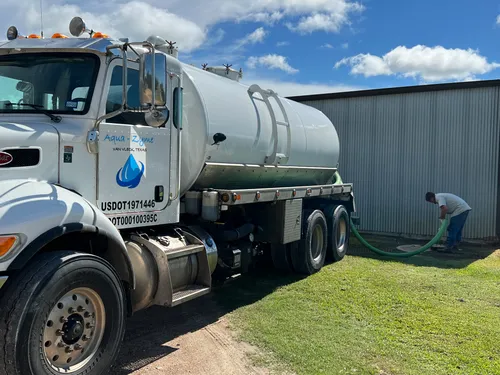
Aqua-Zyme Services (Septic, Grease traps, Port-a-Potty, Rolloff Trash Containers)
569 FM 2540, Van Vleck, TX 77482
Aqua-Zyme Services provides waste disposal and water treatment solutions in Houston, TX. They offer a range of services including septic pumping, grease trap cleaning, portable toilet rentals, rolloff trash containers, and composting services. The company specializes in dewatering equipment rental and sales, which helps industries reduce the volume and weight of semi-solid waste. With over 20 years of experience, Aqua-Zyme operates disposal sites in Texas and supports businesses in managing liquid waste efficiently.
Zero Waste Houston
1591 Hope Rd, Conroe, TX 77384
Zero Waste Houston provides food waste and composting services for restaurants and residents in Houston, TX. They offer residential and commercial food waste pick-up, community drop-offs, zero waste events, and advising. Their process turns food waste into compost to help regenerate soil and support sustainable communities. They also provide Texas native landscape installation, maintenance, and soil regeneration services. The business emphasizes reducing waste by giving organic material a second life through composting.
Southwaste Disposal
3737 Walnut Bend Ln, Houston, TX 77042
Southwaste Disposal is a waste management company based in Sugar Land, TX, specializing in used cooking oil collection, grease trap cleaning, and food waste composting for restaurants and commercial facilities. They offer environmentally focused services including grease trap maintenance, lift station maintenance, and hydro-jetting to keep operations compliant with local, state, and federal regulations. Southwaste Disposal operates with a commitment to sustainability and holds the necessary permits and licenses, including a plumbing license, to perform commercial plumbing and grease trap repairs. The company provides 24/7 emergency response to address urgent waste management needs.
Understanding Commercial Food Scrap Collection in Houston
The City of Houston does not currently operate a universal, citywide commercial food waste collection program for all restaurants. This means businesses must proactively seek out private service providers to handle their organic waste streams. The market is served by national waste management companies and local composting specialists, each offering tailored solutions for food service operations. Engaging with these services is a direct step toward operational efficiency and environmental stewardship.
Key Service Providers for Restaurants
Several established companies operate within the Houston area, offering organic waste collection alongside traditional waste and recycling services.
- National Haulers: Major providers like Waste Management (WM) and Republic Services often include food waste composting as part of their commercial service portfolios. They can provide comprehensive waste audits and integrated solutions.
- Local & Specialized Services: Companies such as Moonshot Compost and Green Maria focus specifically on organic waste. These providers may offer more flexible scheduling and dedicated support for proper sorting and contamination prevention, which is crucial for successful composting.
When evaluating providers, it's advisable to compare quotes and service details from 2-3 different haulers. This ensures you find the best fit for your budget, volume, and desired level of partnership.
Container Options and Pickup Schedules
Service providers typically supply the necessary containers as part of their service agreement. The size and type depend entirely on your establishment's organic waste output.
- Standard Carts: For lower-volume operations, 32-gallon to 96-gallon wheeled carts are common. These are similar in appearance to recycling bins but are designated solely for food scraps and approved compostable materials.
- Front-Load Bins: Restaurants with higher volumes, such as those with significant food prep waste, often require large front-load dumpsters dedicated to organic material. These are serviced by trucks with mechanical arms.
- Scheduling Flexibility: Pickup frequency is highly customizable. Providers offer services ranging from daily pickups for very high-volume locations to weekly or even bi-weekly schedules for smaller operations. The frequency directly impacts the monthly service cost.
A professional waste audit, offered by many haulers, is the best way to determine the optimal container size and pickup schedule, preventing overpayment for unused capacity or issues with overflow.
The Critical Importance of Contamination Control
This is the single most important factor for a successful and cost-effective food waste recycling program. Composting facilities have extremely strict acceptance standards to ensure the quality and safety of the finished compost product.
What is NOT Allowed (Common Contaminants):
- Plastic Bags: Standard plastic bags are a major contaminant. Only certified compostable bags (usually meeting the BPI or ASTM D6400 standard) are acceptable if your hauler permits them.
- Liquids: Oils, soups, and beverages must be kept out. Grease and used cooking oil require separate, specialized collection services.
- Non-Organic Materials: This includes glass, metal, Styrofoam, rubber bands, and conventional plastic packaging.
- "Compostable" Serviceware: Unless explicitly verified by your hauler, items labeled as "compostable" or "biodegradable" (like certain cups and utensils) may not be accepted by the local processing facility.
Contaminated loads risk being rejected at the composting facility, leading to potential extra charges for your business and the hauler. Consistent contamination can even result in service cancellation.
Find the perfect composting & food waste companies for your needs
Get personalized recommendations and expert advice
Analyzing Costs and Potential Savings
The cost for commercial food waste composting in Houston is not a flat fee. It varies based on several factors, creating a tiered pricing system. Understanding these components helps in budgeting and evaluating the return on investment.
- Service Fees: This is a base monthly charge that covers the rental of containers and the scheduled pickup service.
- Weight-Based Tipping Fees: You are typically charged for the weight of the material delivered to the composting facility. A key financial incentive is that the tipping fees for organic waste at compost facilities are often significantly lower than landfill disposal fees. Diverting weight from your trash stream to your compost stream can lower your overall waste bill.
- Frequency and Volume: More frequent pickups or larger container sizes will increase the monthly cost.
- Additional Charges: Be aware of potential extra fees, such as for pickups outside the agreed schedule or for cleaning contaminated bins 1.
For example, while a residential subscription with a service like Moonshot Compost may start around $39 per month, commercial rates for restaurants are higher and custom-quoted based on the factors above 2. The total cost must be weighed against potential savings from reduced landfill trash volume and the positive environmental impact.
City Initiatives and Alternative Options
While not a primary solution for most restaurants, it's useful to be aware of the broader local context for organic waste.
- Pilot Programs: The City of Houston has tested limited food scrap collection initiatives, such as a free drop-off pilot program launched in early 2024 3. These are generally aimed at residents but indicate growing municipal interest in the issue.
- Residential Drop-Off: Historical programs, like a 2021 pilot, have provided drop-off locations for household kitchen scraps 4. These are not designed to handle the volume generated by a commercial kitchen.
- The Role of Audits and Training: Beyond simply selecting a hauler, investing in a waste audit and thorough employee training is essential. Educating every team member on what goes in the compost bin versus the trash or recycling bin is the foundation for a contamination-free, efficient, and financially sound program.
Frequently asked questions
Sources
Footnotes
-
What are the extra charges on my invoice? - WM - https://www.wm.com/us/en/support/faqs/billing/what-are-the-extra-charges-on-my-invoice ↩
-
Composting - City of Houston - https://www.houstontx.gov/council/5/composting.html ↩
-
City of Houston launches free composting program through February - https://www.houstonpublicmedia.org/articles/news/energy-environment/2024/02/01/476084/houston-food-composting-pilot/ ↩
-
Houstonians can now drop off kitchen scraps for composting as part of a new pilot program - Houston Public Media - https://www.houstonpublicmedia.org/articles/news/energy-environment/2021/10/20/411383/houstonians-can-now-drop-off-kitchen-scraps-for-composting-during-citys-pilot-program/ ↩