Find the Best Composting & Food Waste Companies for Your Business
No obligation • Fast responses • Nationwide coverage

Why you can trust Restaurant Waste Disposal
Restaurant Waste Disposal is a leading U.S. resource for comparing restaurant composting, food-waste recycling, grease trap cleaning, and used cooking oil collection services. Our editorial team researches providers, checks credentials, and organizes unbiased information so operators can make informed decisions. Companies cannot pay to change ratings or placement.
Search providers near you
Top Composting & Food Waste Companies in Sugar Land, Texas Ranked
For restaurants and food service businesses in Sugar Land, managing organic waste is a critical operational and environmental consideration. The city has structured its commercial waste management system to ensure streamlined services, with a specific framework for handling food scraps and compostable materials. Navigating this system effectively can help your business reduce its landfill contribution, potentially lower waste disposal costs, and support broader sustainability goals in the Fort Bend County area. This guide provides the essential information for Sugar Land establishments looking to implement or optimize a food waste diversion program.
Understanding Sugar Land's Commercial Waste Framework
In Sugar Land, commercial solid waste collection is managed through an exclusive franchise agreement. This means all businesses, including restaurants, cafes, and grocery stores, must contract with the designated city hauler for all waste streams, including trash, recycling, and organic waste. This centralized system is designed to maintain service consistency and regulatory compliance across the city's commercial sectors. For food waste recycling, this structure dictates the available options and procedures, making it essential to work within the established framework.
The primary provider for these services is Republic Services (operating locally as BFI). They are the sole point of contact for setting up commercial collection, including specialized services for organic material. Before initiating a food scrap collection program, restaurant operators should familiarize themselves with the city's overarching health and safety ordinances, which include provisions for proper waste storage and disposal to prevent public nuisances and pest issues 1.
Setting Up Food Scrap Collection for Your Restaurant
Initial Consultation and Service Design The first step is to contact Republic Services directly to discuss your restaurant's specific needs. Because service is highly customizable, you'll work with a representative to design a program based on your weekly volume of food waste, available space for containers, and desired pickup frequency. This tailored approach ensures you aren't paying for unused capacity or dealing with overfull bins.
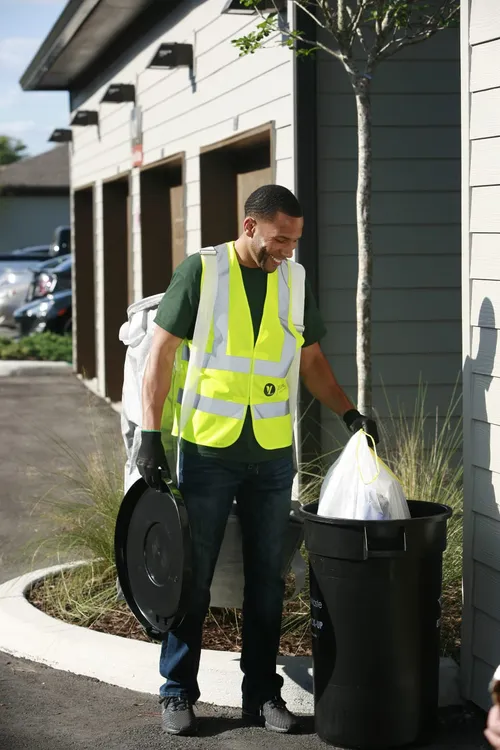
Container Types and Placement Typical service involves designated commercial bins or dumpsters for organic waste. The size can range from smaller 64-gallon carts (often called "Soilmate" bins in some commercial composting contexts) to larger dumpsters, depending on your establishment's output. Republic Services can provide guidance on the appropriate container type and may supply specific liners or bins meant to keep food scraps separate from other waste. Proper placement for easy access by staff and collection crews is a key part of the setup conversation.
Scheduling and Logistics Pickup schedules are flexible. A high-volume restaurant may require service three times a week or even daily, while a smaller cafe might manage with weekly collection. The frequency directly impacts cost and operational flow, so an accurate assessment of your waste generation is crucial. Coordinating the pickup schedule with your other waste and recycling collections can streamline back-of-house operations.
Find the perfect composting & food waste companies for your needs
Get personalized recommendations and expert advice
Critical Guidelines for Contamination-Free Collection
The success of any organics recycling program hinges on keeping the compost stream clean. Contamination with non-compostable materials can result in entire loads being rejected and sent to landfill, undermining environmental and economic benefits.
What to Include The focus should be on food scraps and prep waste. This includes:
- Fruit and vegetable trimmings
- Coffee grounds and filters
- Eggshells and nut shells
- Bread and grains
- Plate scrapings (post-consumer food)
What to Exclude Strictly avoid placing the following in your food waste bins:
- Plastic bags and packaging: Even those labeled "biodegradable" often do not break down in industrial composting facilities. Use approved compostable liner bags or empty scraps directly into the bin.
- Liquids, fats, and oils: These can disrupt the composting process. Grease and cooking oil require separate handling, often through a dedicated grease trap service and used cooking oil collection.
- Non-compostable serviceware: Unless certified compostable, avoid cups, utensils, and containers.
- Other non-organic materials: Glass, metal, rubber, and chemicals have no place in the compost bin.
Clear signage and staff training are indispensable for maintaining a clean stream. Republic Services can provide specific guidelines for their accepted materials.
Cost Considerations and Potential Savings
Investing in food waste diversion does involve service costs, but it can also lead to savings. Pricing for commercial composting services in Sugar Land is not fixed by the city and varies based on several factors 2. Costs are typically calculated by:
- Container Size: Larger bins or dumpsters cost more than smaller carts.
- Collection Frequency: More frequent pickups increase the monthly fee.
- Service Bundle: Some businesses may receive a better rate by bundling food waste collection with their trash and recycling services.
A common model for a standard service (e.g., three 64-gallon bins collected three times per week) involves a monthly subscription fee 3. The key financial benefit for restaurants is the potential to downsize your general trash dumpster or reduce its pickup frequency as you divert organic material, which can offset the cost of the new composting service. A waste audit can help identify this opportunity.
Regional Context and Best Practices
Sugar Land's approach is informed by broader regional studies and goals. The Houston-Galveston Area Council (H-GAC) has conducted research on commercial food waste collection, highlighting the challenges and opportunities for cities and businesses in the metro area 4. These studies help shape local policy and service offerings by identifying effective strategies for participation and contamination reduction.
Best practices adopted by successful restaurants include:
- Starting Small: Begin with pre-consumer kitchen scraps before expanding to include post-consumer plate waste.
- Appointing a Champion: Designate a sustainability lead among staff to monitor bins and train new employees.
- Tracking Progress: Monitor the volume of compost produced versus trash. This data is valuable for reporting sustainability efforts to customers and for optimizing service levels with your provider.
Frequently asked questions
Sources
Footnotes
-
DIVISION 1. REGULATIONS APPLYING TO ALL FOOD ... - https://www.dshs.texas.gov/sites/default/files/foodestablishments/pdf/Local%20Ordinance%20Registry/City%20of%20Sugar%20Land%20Texas%20-%20Code%20of%20Ordinances%20Chapter%203-Health%20and%20Safety%20-%20Article%20IV.%20Food%20and%20Food%20Services.pdf ↩
-
Commercial Solid Waste, Liquid Waste, & Recycling Services - https://www.sugarlandtx.gov/314/Commercial-Services ↩
-
Commercial Composting with 64G bins (6/3) - Soilmate - https://your-soilmate.com/products/commercial-composting-six-6-64-gal-bins-3x-week ↩
-
COMMERCIAL FOOD WASTE COLLECTION IN THE H-GAC ... - https://www.h-gac.com/getmedia/affb59cb-3975-49d8-98f8-d35f21d57b37/CommercialFoodWasteCollectionStudy2015.pdf ↩