Find the Best Composting & Food Waste Companies for Your Business
No obligation • Fast responses • Nationwide coverage

Why you can trust Restaurant Waste Disposal
Restaurant Waste Disposal is a leading U.S. resource for comparing restaurant composting, food-waste recycling, grease trap cleaning, and used cooking oil collection services. Our editorial team researches providers, checks credentials, and organizes unbiased information so operators can make informed decisions. Companies cannot pay to change ratings or placement.
Search providers near you
Top Composting & Food Waste Companies in Keller, Texas Ranked
For restaurants and food service businesses in Keller, managing organic waste responsibly is both an environmental priority and a practical operational consideration. While the city's residential services focus on yard waste, commercial establishments have opportunities to implement food scrap recycling and composting programs through private haulers. Navigating the options for organic waste diversion can help your business reduce its landfill contribution, potentially lower waste disposal costs, and meet growing customer expectations for sustainability. Success hinges on understanding local service structures, contamination rules, and the logistics of separating food waste from the general trash stream.
Recycle Revolution
6835 Forest Park Rd, Dallas, TX 75235
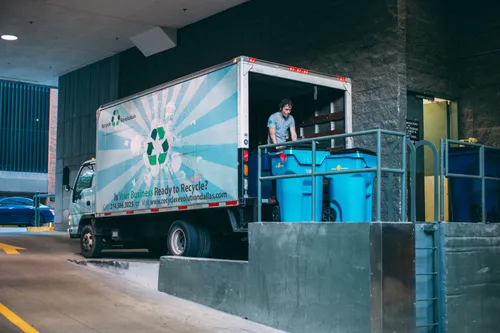
Recycle Revolution offers food waste and composting services for restaurants and businesses in Dallas, TX. They provide collection services and operate a community drop-off center that supports responsible resource recovery. The company focuses on fostering recycling and composting culture in North Texas and accepts a variety of materials including food scraps and hard-to-recycle items. With over 10 years of experience, Recycle Revolution is committed to environmental awareness and good neighborship.
The Organic Recycler - Mulch, Compost, Soil & More
13001 Old Denton Rd, Keller, TX 76262
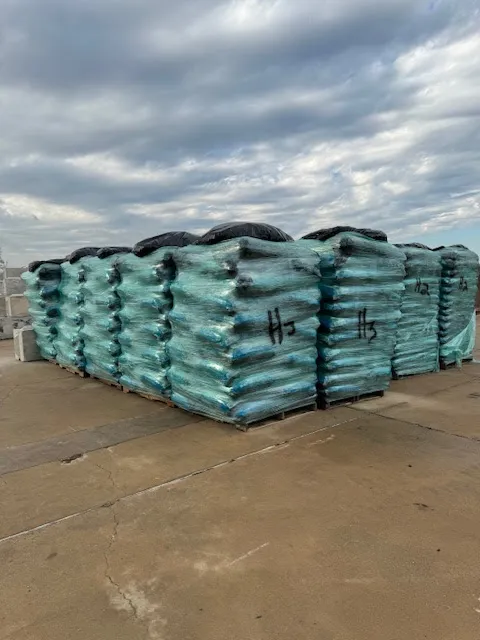
The Organic Recycler - Mulch, Compost, Soil & More is based in Keller, TX, and provides a range of landscaping products and services. They specialize in supplying mulch, soils, compost, and aggregates, along with land clearing services for projects of various sizes. The company also recycles food and liquid waste to create sustainable organic landscaping materials. Founded in 2014, The Organic Recycler serves the DFW area, Austin, and Oklahoma, offering dependable delivery and a blower application service to assist with larger jobs.
Understanding Organic Waste Services in Keller
Keller's municipal waste collection, managed by Community Waste Disposal (CWD), emphasizes residential yard waste programs. For commercial entities like restaurants, detailed municipal food waste programs are not explicitly outlined in general public resources, indicating that businesses typically need to pursue private contracts. This means the onus is on the business owner to seek out and establish a tailored organic waste collection service. The first step is to contact the City of Keller's Public Works or Environmental Department to confirm any city-led initiatives or recommended providers, then directly engage with private haulers for specific commercial programs.
Municipal vs. Private Hauling for Businesses
The distinction between municipal and private services is crucial for Keller restaurants. The city's primary service through CWD is heavily oriented toward residential needs, meaning commercial food waste programs are often separate or entirely outsourced to the private sector. Consequently, restaurants usually contract directly with private waste haulers-which may include CWD's commercial division or other regional providers-to set up customized food scrap and compost collection. This private model allows for flexibility in container sizes, pickup frequency, and service terms that align with a restaurant's specific volume and schedule.
Setting Up a Commercial Food Waste Program
Eligibility and Basic Rules Any commercial food-generating business, including restaurants, cafes, and catering operations, is eligible for private composting services. The fundamental rule is strict source separation: food waste must be kept entirely separate from regular trash and recycling streams. Only acceptable materials like food scraps, compostable paper products, and certified compostable containers should be placed in the organics bin. Prohibited items include liquids, plastics of any kind, metal, glass, and other non-compostable materials.
Container Types and Collection Schedules Private haulers typically provide the necessary collection containers. Restaurants can expect heavy-duty plastic carts or bins, commonly in sizes like 32, 64, or 96 gallons, to accommodate varying volumes of food scraps. The collection schedule is not one-size-fits-all; it is usually negotiated based on the business's needs. For many restaurants, pickup is required 2-3 times per week to manage odor and space, with schedules often adjustable for holidays or seasonal fluctuations in volume.
The Critical Importance of Contamination Control Maintaining a clean stream of organic material is the most critical operational rule. The guiding principle is straightforward: "No trash in the green cart!" Common contaminants that can jeopardize an entire load include conventional plastic bags, utensils, napkins, straws, styrofoam, and liquids. Haulers and composting facilities will reject contaminated loads, which can result in service disruptions, rejection fees, or increased costs for the business. Staff training and clear bin labeling are essential to prevent contamination.
Find the perfect composting & food waste companies for your needs
Get personalized recommendations and expert advice
Financial Considerations and Getting Quotes
While specific pricing for Keller requires direct quotes, general estimates provide a starting point for budgeting. Costs for commercial food waste collection vary widely based on several factors, including bin size, pickup frequency, and the hauler's rate structure1. For a small-to-medium restaurant, monthly fees can range from approximately $50 to over $2001. It's important to view this not just as a cost but as a potential savings opportunity, as diverting heavy, wet organic waste can sometimes reduce the volume and frequency of more expensive trash collection.
Actionable Steps for Keller Restaurants
To establish a compliant and effective food waste diversion program, follow these steps:
- Contact Local Authorities: Start by calling the City of Keller's Public Works or Environmental Department. They can clarify any city-specific regulations or partnerships and may provide a list of approved or recommended haulers.
- Solicit Multiple Quotes: Don't settle for the first option. Request detailed proposals from several commercial waste haulers operating in the area, such as Community Waste Disposal (CWD), Waste Management, and Republic Services. This ensures you get competitive pricing and service terms.
- Confirm All Service Details: Before signing a contract, verify every aspect of the service. Key points include the specific container sizes offered, the guaranteed pickup schedule (including holiday policies), the hauler's exact contamination policy and associated fines, and a full breakdown of all monthly and potential extra fees 2.
Taking this proactive approach ensures your Keller restaurant secures the precise details needed for a successful and sustainable organic waste management plan.
Benefits Beyond Compliance
Implementing a food scrap recycling program offers advantages that extend past regulatory or cost concerns. It significantly reduces the volume of waste sent to landfills, lowering your business's environmental footprint. Many customers actively support businesses with visible sustainability practices, enhancing your brand reputation. Furthermore, the process of separating organics often leads to greater overall waste awareness among staff, potentially improving recycling rates and operational efficiency across all waste streams.
Frequently asked questions
Sources
Footnotes
-
Keller 2020 17x11 - Community Waste Disposal - https://www.communitywastedisposal.com/wp-content/uploads/2020/08/Keller-Residential-Brochure-2020-3.pdf ↩ ↩2
-
Food Waste Management | Commercial Food Waste Collection - https://businesswaste.com/waste-types/food-waste/ ↩