Find the Best Composting & Food Waste Companies for Your Business
No obligation • Fast responses • Nationwide coverage

Why you can trust Restaurant Waste Disposal
Restaurant Waste Disposal is a leading U.S. resource for comparing restaurant composting, food-waste recycling, grease trap cleaning, and used cooking oil collection services. Our editorial team researches providers, checks credentials, and organizes unbiased information so operators can make informed decisions. Companies cannot pay to change ratings or placement.
Search providers near you
Top Composting & Food Waste Companies in Rowlett, Texas Ranked
For restaurant owners and food service managers in Rowlett, managing organic waste is a critical operational and environmental responsibility. While the City of Rowlett provides foundational guidelines for commercial waste management, a dedicated municipal composting program for businesses is not explicitly highlighted, placing the onus on establishments to seek private solutions. Navigating food scrap recycling involves understanding local ordinances, selecting the right service provider, and implementing strict internal protocols to avoid contamination and associated fines. This guide breaks down the actionable steps and key considerations for integrating a successful food waste diversion program into your Rowlett restaurant's operations.
The city's code emphasizes that all commercial waste, including food scraps, must be stored in covered, sealed containers like polycarts or dumpsters to prevent litter and pests. Liquids from waste must be properly drained to the sewer system, not left to accumulate in containers. This foundational rule applies to all waste streams, meaning that whether you are setting aside organics for composting or managing general trash, the standards for container integrity are the same. The eligibility to participate in organics recycling isn't restricted by the city but is determined by your ability to comply with these container rules and find a hauler who will accept your separated food waste.
Understanding Rowlett's Commercial Waste Framework
Rowlett's municipal focus is primarily on residential services, with commercial entities required to arrange for private waste hauling. The city's ordinances set the stage by mandating that all commercial refuse be kept in durable, leak-proof containers with tight-fitting lids. These containers must be stored on a paved surface and kept clean to avoid creating a nuisance. For a restaurant exploring organic waste recycling, this means your food scraps collection bin must meet the same rigorous standards as your trash dumpster. The separation of waste streams happens at your facility before pickup; the city's role is to ensure that whatever is placed at the curb for collection is contained properly, regardless of its final destination.
The Role of Private Haulers in Organics Recycling
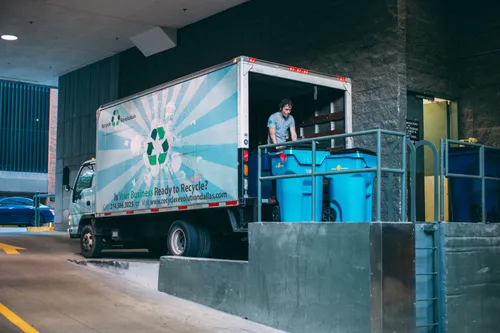
Since a city-run commercial food scrap program isn't readily apparent, partnering with a private waste management company is the essential next step. Major national providers like Waste Management and Republic Services operate in the area, and many are expanding services to include organics collection. However, availability can vary. Your first actionable task is to contact these providers directly to inquire about commercial food waste or composting services specifically for restaurants in Rowlett. Some regional specialists in the Dallas-Fort Worth area, such as composting facilities that service commercial clients, may also offer hauling or have partnerships with local transporters.
When speaking with haulers, you'll need to discuss:
- Container Types: They will typically provide a dedicated bin for food scraps, which could be a smaller cart or a designated dumpster.
- Pickup Schedules: Frequency is based on your volume of organic waste to prevent odor and pest issues-common schedules are 2 to 3 times per week for a busy restaurant.
- Service Costs: Pricing is not set by the city and will be a direct contract between you and the hauler.
Key Steps to Launching Your Program
Implementing a food waste diversion system requires planning, training, and ongoing management. Here is a step-by-step approach tailored for Rowlett businesses.
1. Conduct a Pre-Implementation Waste Audit Before calling haulers, understand your own waste stream. Track how much food waste (pre-consumer scraps and post-consumer plate waste) you generate in a typical week. This data is crucial for determining the size and pickup frequency of the collection container you'll need, which directly impacts cost.
2. Vet and Select a Service Provider Reach out to at least three providers. Ask specific questions:
- Do you offer source-separated organics collection for restaurants?
- What are your contamination policies and fees?
- Can you provide training materials for my staff?
- Where does the collected material ultimately go (e.g., a composting facility, an anaerobic digester)?
3. Design Your Internal Collection System Place clearly labeled collection bins in key areas: the prep kitchen, dishwashing station, and potentially in the back-of-house for staff. Use color-coding or prominent signage to distinguish the food scraps bin from trash and recycling. Ensure these indoor bins are lined with compostable bags (if accepted by your hauler) and are easy for staff to use.
4. Train Your Team Thoroughly Staff buy-in is the single most important factor for success. Hold training sessions to explain what goes in the food waste bin (fruit/vegetable scraps, coffee grounds, eggshells, etc.) and, critically, what does not (plastic, glass, utensils, rubber bands, etc.). Emphasize that contamination can lead to entire loads being rejected and result in significant fines from the hauler, undermining the program's financial and environmental benefits.
5. Monitor, Adjust, and Communicate Assign a sustainability champion on your staff to monitor the bins, provide feedback, and answer questions. Regularly check for contamination. Celebrate your progress with your team and even your customers-marketing your green initiatives can be a powerful business driver.
Find the perfect composting & food waste companies for your needs
Get personalized recommendations and expert advice
Navigating Costs and Avoiding Contamination Fines
The financial model for restaurant composting involves both service fees and risk mitigation. Hauling costs are variable but consider these estimated ranges based on common commercial practices in the region: a basic trash service for a 2-yard dumpster collected twice weekly might range from $150 to $300 per month. Adding a separate food scrap hauling service for a smaller bin collected 2-3 times weekly could add another $100 to $250 monthly. These costs are influenced by your negotiated contract, bin size, and pickup frequency.
The more volatile and impactful cost is contamination fines. Haulers and processing facilities inspect loads, and the presence of prohibited items like plastic wrap, latex gloves, or metal can result in fees often ranging from $50 to over $200 per incident 1. Repeated contamination can lead to service cancellation. Therefore, the investment in staff training and clear bin signage directly protects your bottom line. Proper sorting turns a cost center into a managed, responsible operational practice.
What Happens to Rowlett's Food Scraps?
The end destination of your carefully separated food waste is an important consideration. In a robust system, these organics are taken to a commercial composting facility where they are transformed into nutrient-rich soil amendment, closing the loop from farm to table and back to farm. Some haulers may utilize anaerobic digestion, which captures methane gas for energy production. When selecting a provider, asking about the final destination ensures your environmental goals are fully realized and allows for authentic storytelling about your restaurant's sustainability efforts.
Compliance and Best Practices for Success
Adhering to Rowlett's city codes is non-negotiable. Always ensure your outdoor collection containers-for trash, recycling, and compost-have lids securely closed. Containers should be stored on a paved surface like concrete or asphalt and be accessible for the hauler's truck. Failure to comply can result in code enforcement actions from the city, separate from any hauler fines.
Beyond compliance, adopt these best practices:
- Start Small: Begin with collecting only pre-consumer kitchen scraps (peels, ends, etc.) which are easier to control, then expand to post-consumer waste.
- Maintain Equipment: Keep collection bins clean. Regularly wash indoor bins with a vinegar solution to neutralize odors.
- Engage Your Community: Consider posting a sign about your composting efforts. It educates the public and enhances your restaurant's reputation as a community-minded business.
Taking control of your restaurant's food waste in Rowlett is a proactive step toward operational efficiency, cost control, and environmental stewardship. By leveraging private sector services, committing to staff education, and diligently following local guidelines, you can transform waste into a resource.
Frequently asked questions
Sources
Footnotes
-
Ordinance - Rowlett, TX - https://www.rowletttx.gov/DocumentCenter/View/30813 ↩