Find the Best Composting & Food Waste Companies for Your Business
No obligation • Fast responses • Nationwide coverage

Why you can trust Restaurant Waste Disposal
Restaurant Waste Disposal is a leading U.S. resource for comparing restaurant composting, food-waste recycling, grease trap cleaning, and used cooking oil collection services. Our editorial team researches providers, checks credentials, and organizes unbiased information so operators can make informed decisions. Companies cannot pay to change ratings or placement.
Search providers near you
Top Composting & Food Waste Companies in Richardson, Texas Ranked
For restaurants and food service businesses in Richardson, managing organic waste is a critical operational and environmental consideration. While the city provides robust residential yard waste composting, commercial food waste diversion requires partnering with private hauling services. Navigating the options for organics recycling, from container selection to contamination rules, can streamline your sustainability efforts and potentially reduce overall waste disposal costs. This guide outlines the practical steps and local resources available for implementing a successful food scrap composting program at your establishment.
Understanding Commercial Organics Recycling in Richardson
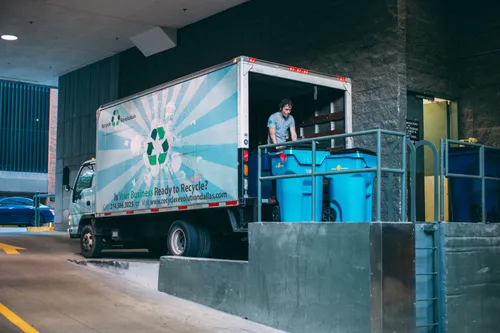
In Richardson, all businesses, including restaurants, are classified as commercial solid waste customers. The city itself does not provide direct municipal collection of commercial food waste for composting. Instead, restaurants must work with private waste hauling companies that are contracted by the city or hired directly by the business to manage organic waste streams. These private providers offer specialized organics diversion programs, often in partnership with regional composting facilities like Texas Pure Solutions, which processes organic material into usable compost.
The primary goal is to separate food scraps and other compostable materials from the general trash stream. This not only diverts waste from landfills but can also lead to cost savings by reducing the volume and frequency of your standard trash pickups. Successful participation hinges on understanding the specific requirements set by your chosen hauler, particularly regarding what materials are accepted.
Key Components of a Restaurant Composting Program
Implementing an organics recycling system involves several key decisions. Your setup will depend on your kitchen's volume of food waste, available space, and your hauler's specific service offerings.
Container Types and Sizes For most restaurants, front-load dumpsters are the standard container for collected food waste. These come in various sizes, such as 2-yard, 4-yard, or 8-yard containers, to match your establishment's output. For lower-volume operations or for pre-collection within the kitchen, smaller organic carts with secure lids (typically 32 to 64 gallons) may be used. It's essential to coordinate with your service provider to select the right container that fits your space and waste generation.
Pickup Schedules and Flexibility Unlike residential services, commercial pickup schedules are highly customizable. Frequency is typically determined by your restaurant's waste volume and can range from two to five times per week or more. This flexibility allows you to tailor service to your operational needs, ensuring containers do not overflow and preventing odor issues.
Critical Contamination Guidelines Adherence to contamination rules is the most crucial factor for a successful program. Contaminated loads can be rejected by composting facilities. Accepted materials generally include food scraps (both cooked and uncooked), soiled paper products like napkins, and BPI-certified compostable packaging-though you should always verify specific items with your hauler.
Items that must NOT be placed in the organics container include:
- Plastic bags (unless they are certified compostable)
- Metal, glass, or Styrofoam
- Liquids
- General trash
For bin liners, most haulers require the use of approved compostable liners; regular plastic bags are not permitted 1.
Cost Considerations for Food Waste Diversion
The cost of adding a commercial organics recycling service is variable and depends on several factors. Primary influences include the size of the dumpster provided and the frequency of pickup required by your business2 3. While adding this service incurs a separate charge, it can create an overall cost-neutral or even cost-saving scenario. By diverting heavy, wet food waste from your standard trash dumpster, you may be able to reduce the size of your general waste container or decrease its pickup frequency, offsetting the new expense. Estimates suggest the premium for organics collection could range from an additional $50 to $200 or more per month, but this is highly dependent on your specific contract and volume2 3.
Find the perfect composting & food waste companies for your needs
Get personalized recommendations and expert advice
Richardson's Municipal Composting: The BABIC Program
While commercial food waste is handled privately, it's helpful to understand the city's own composting initiatives. Richardson operates a successful yard waste composting program for its residents. Through the Bring A Bag, It's Compost (BABIC) program, residents can place leaves, grass clippings, and small brush in compostable bags for curbside pickup 4. This material is then processed into "Texas Pure" compost, closing the loop locally 4. This program highlights the city's commitment to organics recycling and provides a model for the beneficial reuse of organic materials, even as restaurants seek private-sector solutions for their specific waste streams.
Getting Started: Next Steps for Your Restaurant
Taking the first step toward composting is straightforward. The most direct path is to contact your current waste hauler to inquire about adding an organics dumpster to your service plan. If you are serviced through the city's commercial contract, you can also reach out to Richardson Public Services at 972-744-4111 for guidance on available options 5.
It is also wise to get competitive quotes from other major haulers operating in the Dallas-Fort Worth area that offer commercial organics programs. Companies like Waste Management, Republic Services, and Forward Waste are active in the region and may provide tailored solutions. When evaluating providers, ask detailed questions about their contamination policies, accepted materials, container options, and how they handle the processing of the collected waste.
The Broader Impact of Restaurant Composting
Participating in food waste diversion aligns with broader regional sustainability goals. Municipal and commercial composting is recognized as a key strategy for reducing landfill reliance and methane emissions6. For a restaurant, a well-run composting program can enhance your brand's reputation as an environmentally responsible business, appealing to a growing segment of eco-conscious customers. It also engages your staff in meaningful sustainability practices, contributing to a culture of resource efficiency. By separating organics, you are transforming what was once considered waste into a valuable product that can nourish soil and support local agriculture.
Frequently asked questions
Sources
Footnotes
-
What happens to the food waste collected from our curbside pick-up ... - https://www.facebook.com/fyvgov/posts/what-happens-to-the-food-waste-collected-from-our-curbside-pick-up-pilot-program/1094528432702231/ ↩
-
Recycling and Waste Management - Richardson, TX - https://www.cor.net/government/greencor/citizen-partnership/recycling-and-waste-management ↩ ↩2
-
Commercial Solid Waste - Richardson, TX - https://www.cor.net/departments/public-services/trash-recycling/commercial-solid-waste ↩ ↩2
-
City's Curbside BABIC Program Turns Leaves Into Mulch/Compost - https://richardsontoday.com/citys-curbside-babic-program-turns-leaves-into-mulch-compost/ ↩ ↩2
-
Republic Act No. 9003 - https://pepp.emb.gov.ph/wp-content/uploads/2016/06/RA-9003-Ecological-Solid-Waste-Management-Act-of-2000.pdf ↩
-
Municipal & Commercial Composting - https://www.fmmetrocog.org/application/files/1115/3547/3754/BlueprintMunicipalComposting_FINAL.pdf ↩