Find the Best Composting & Food Waste Companies for Your Business
No obligation • Fast responses • Nationwide coverage

Why you can trust Restaurant Waste Disposal
Restaurant Waste Disposal is a leading U.S. resource for comparing restaurant composting, food-waste recycling, grease trap cleaning, and used cooking oil collection services. Our editorial team researches providers, checks credentials, and organizes unbiased information so operators can make informed decisions. Companies cannot pay to change ratings or placement.
Search providers near you
Top Composting & Food Waste Companies in Plano, Texas Ranked
For restaurant owners and food service managers in Plano, managing organic waste is a critical operational and environmental consideration. While the City of Plano offers robust residential food scrap composting programs, commercial establishments like restaurants typically navigate a different path, relying on private waste haulers to handle their food waste recycling needs. Implementing a commercial organics diversion program involves understanding specific container requirements, pickup schedules, and strict contamination guidelines to ensure the material is successfully processed into compost rather than sent to the landfill. This guide outlines the practical steps for Plano restaurants to establish effective food waste management, from evaluating private service providers to adhering to best practices that keep programs running smoothly and cost-effectively.
The primary municipal focus in Plano is on residential participation, with convenient drop-off sites available for enrolled households 1 2. For businesses, this means the initiative to start composting falls on the establishment itself, requiring a direct partnership with a licensed commercial waste provider. The benefits, however, extend beyond sustainability; proper organics management can reduce overall waste hauling costs, improve kitchen efficiency, and align your business with the growing consumer preference for environmentally responsible practices.
Understanding Commercial Food Waste Services in Plano
Unlike some major metropolitan areas, Plano does not currently mandate commercial food scrap composting, leaving it as a voluntary but strategic choice for restaurants. The service model is predominantly provided by private waste management companies. These haulers offer tailored commercial organics collection, which is separate from standard trash and recycling streams. The process begins with an assessment of your establishment's waste output, which determines the service level, container size, and collection frequency.
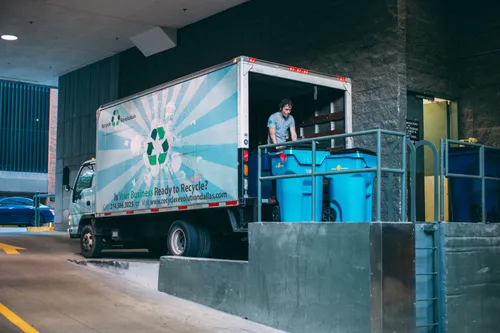
Key players in the Plano market include national providers like Republic Services and Waste Management, as well as regional haulers. These companies supply the necessary specialized containers-often 64-gallon carts or larger dumpsters-specifically designated for compostable materials. It's crucial to understand that this is a contracted service, with costs varying significantly based on volume, pickup frequency, and hauling distance to the nearest commercial composting facility. Most providers require a custom quote, and many restaurants find it economical to bundle food waste pickup with their existing trash and recycling contracts.
Eligibility and Setup for Restaurants
Any licensed retail food establishment in Plano is eligible to sign up for commercial food waste collection services 3. The first step is obtaining the necessary permits from the Texas Department of State Health Services (DSHS) to operate, which is a prerequisite for any waste service contract 3. Once licensed, you can directly contact waste haulers serving the Plano area to request a waste audit and service proposal.
The setup process typically involves:
- Service Agreement: Signing a contract that outlines costs, container provision, pickup schedule, and terms of service.
- Container Delivery: Receiving and placing the designated organics containers in a convenient yet accessible location, such as near dumpsters or in a back-of-house area.
- Staff Training: Implementing internal training to ensure all kitchen and service staff understand what goes in the compost bin versus the trash or recycling.
Navigating Contamination Guidelines
The single most important factor for a successful and cost-effective composting program is avoiding contamination. Contamination occurs when non-compostable materials are placed in the organics container, which can spoil entire loads and lead to significant extra fees or service refusal from your hauler 4.
Acceptable materials typically include:
- Fruit and vegetable scraps
- Meat, bones, and dairy products (check with your specific hauler)
- Coffee grounds and filters
- Eggshells and nutshells
- Soiled, non-glossy paper products (like napkins, paper towels, and uncoated cardboard)
- Certified compostable serviceware (look for BPI certification)
Strictly prohibited materials always include:
- Plastic bags, utensils, or packaging (even if labeled "biodegradable")
- Glass, metal, or Styrofoam
- Liquids, fats, and cooking oils (these require separate grease trap or used oil recycling services)
- Rubber, latex, or other synthetic materials
Clear, multilingual signage above collection bins and ongoing staff engagement are essential to maintain a clean stream. Some restaurants opt for color-coded bins (e.g., green for compost) to simplify the sorting process.
Exploring Alternative and Supplemental Options
While private hauling is the standard for daily, high-volume food waste, Plano restaurants may have supplemental options.
City of Plano Drop-Off Sites: The city maintains residential food scrap drop-off locations, such as the Environmental Education Center and various Recreation Centers. While these are intended for enrolled residents, a small restaurant or café with minimal food prep waste might inquire about potential commercial partnerships or exceptions, though this is not guaranteed. The residential program requires enrollment and a fee, highlighting its focus on household participation.
On-Site Composting: For establishments with significant outdoor space, such as some garden cafes or facilities with landscaping, investigating small-scale on-site composting is an option. This involves managing a compost pile or tumbler for non-meat food scraps to produce compost for on-site gardens. This requires dedicated space, knowledge, and management but can completely eliminate hauling costs for a portion of waste.
Food Donation Partnerships: Before food becomes waste, consider partnering with local food rescue organizations. Donating unsold but still wholesome food is a powerful way to reduce waste and support the community. This should be a complementary strategy to a composting program for inedible scraps.
Find the perfect composting & food waste companies for your needs
Get personalized recommendations and expert advice
Cost Considerations and Potential Savings
The cost of commercial food waste collection in Plano is not standardized and requires a direct quote from service providers. Pricing models are usually based on a combination of:
- Container Size and Quantity: Monthly rental fees for 64-gallon carts, 2-4 yard dumpsters, or larger roll-offs.
- Pickup Frequency: Weekly, twice-weekly, or daily service.
- Hauling and Tip Fees: Costs for transportation and processing at a commercial composting facility.
While this represents a new line item, many restaurants find that by diverting heavy, wet organics from their trash stream, they can downsize their regular garbage dumpster or reduce the frequency of trash pickups, leading to offsetting savings. Conducting a pre-implementation waste audit can provide a clear picture of potential cost reallocation. Furthermore, reducing landfill waste may enhance your brand's image and appeal to a eco-conscious clientele.
Steps to Implement a Program in Your Restaurant
- Conduct a Waste Audit: Spend a week tracking how much food waste (pre-consumer and post-consumer) your kitchen generates. This data is vital for discussions with haulers.
- Research and Contact Haulers: Reach out to at least three licensed commercial waste providers serving Plano. Ask for detailed proposals that include all costs, container options, and contamination policies.
- Plan Internal Logistics: Decide where collection bins will be placed in the kitchen, prep areas, and potentially dining areas. Order clear signage and educate your management team.
- Train Your Staff: Hold a kick-off meeting to explain the "why" and the "how." Use visual aids and consider appointing a "green champion" on staff to motivate others and monitor bin quality.
- Launch and Monitor: Start the service and perform weekly checks on the organics container for contamination. Provide positive feedback to staff and adjust bin locations or training as needed.
- Review and Optimize: After 60-90 days, review the service with your hauler and your internal team. Assess if container sizes or pickup frequency need adjustment and celebrate the diversion success.
The Future of Food Waste in Plano
As urban sustainability goals intensify, the landscape for commercial food waste recycling may evolve. Cities like Portland, Oregon, have implemented mandatory commercial composting ordinances, demonstrating a growing trend 5. While not currently required in Plano, proactive restaurants that establish systems today will be ahead of potential future regulations. Engaging with local business associations or the City of Plano's sustainability office can provide insights into upcoming initiatives or pilot programs that may offer new resources or incentives for commercial organics diversion.
Frequently asked questions
Sources
Footnotes
-
Residential Food Scrap Composting | Plano, TX - Official Website - https://www.plano.gov/2106/Residential-Food-Scrap-Composting ↩
-
Live Green in Plano - Facebook - https://m.facebook.com/livegreeninplano/photos/-want-to-keep-your-households-food-scraps-out-of-the-landfill-enroll-in-the-city/1054166056748263/ ↩
-
Permitting Information - Retail Food Establishments | Texas DSHS - https://www.dshs.texas.gov/retail-food-establishments/permitting-information-retail-food-establishments ↩ ↩2
-
What is Restaurant Composting? - Benefits & How It Works - https://www.webstaurantstore.com/article/60/restaurant-composting.html ↩
-
Composting Food Scraps Required for Businesses in Greater Portland, OR - https://www.nycfoodpolicy.org/food-policy-snapshot-business-food-scraps-composting-requirement-portland-oregon/ ↩