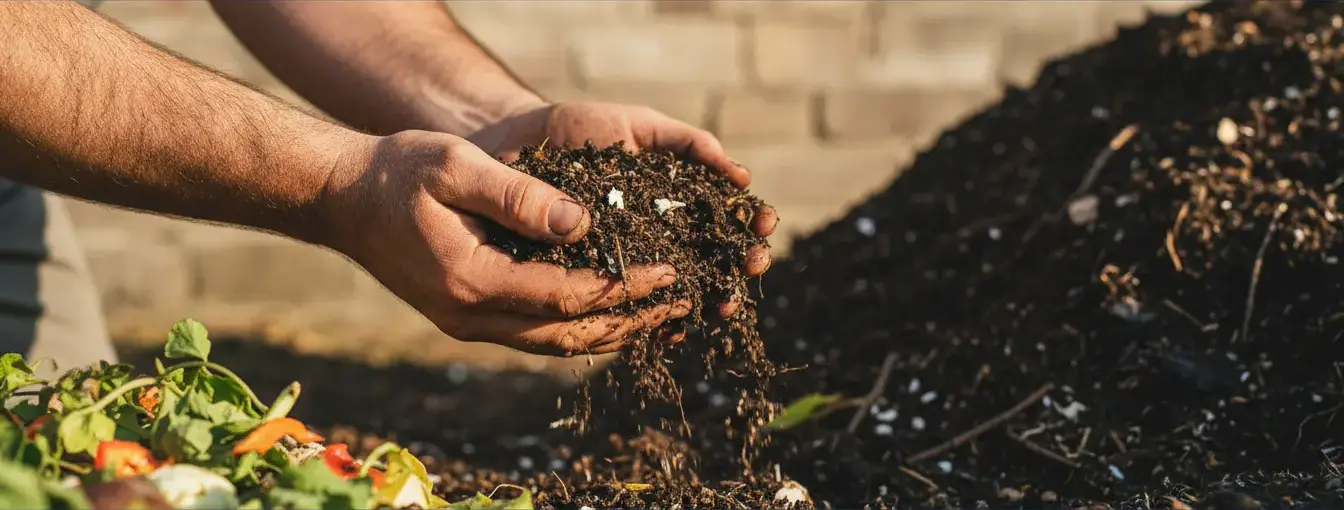
Find the Best Composting & Food Waste Companies for Your Business
No obligation • Fast responses • Nationwide coverage

Why you can trust Restaurant Waste Disposal
Restaurant Waste Disposal is a leading U.S. resource for comparing restaurant composting, food-waste recycling, grease trap cleaning, and used cooking oil collection services. Our editorial team researches providers, checks credentials, and organizes unbiased information so operators can make informed decisions. Companies cannot pay to change ratings or placement.
Search providers near you
Top Composting & Food Waste Companies in Pasadena, Texas Ranked
For restaurants and food service businesses in Pasadena, managing organic waste is no longer just an environmental consideration-it's a regulatory requirement. With California's SB 1383 mandating the diversion of organic waste from landfills, establishing a compliant food scraps recycling program is essential. While the City of Pasadena offers a residential organics program, commercial entities must navigate a different path, working directly with their contracted waste haulers to find tailored solutions for composting and food waste recycling. This process involves selecting appropriate container sizes, understanding pickup schedules, and implementing strict separation protocols to avoid contamination fees and ensure materials are successfully processed into compost or renewable energy.
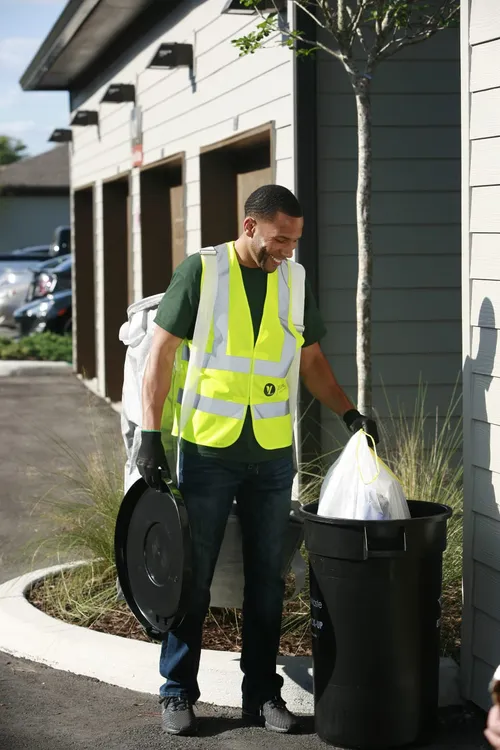
Understanding SB 1383 Compliance for Businesses
California's landmark organic waste law, SB 1383, sets ambitious targets to reduce landfill emissions by diverting food scraps, yard trimmings, and other compostable materials. For restaurants, grocery stores, and other commercial food generators in Pasadena, this means you are required to subscribe to and properly use an organics recycling service. The law aims to repurpose this waste stream into beneficial products like soil amendments or biogas, turning a disposal problem into a resource. Non-compliance can result in warnings and potential penalties, making it critical to understand your obligations and the services available in the Pasadena area.
Commercial Service Setup: Working with Your Hauler
The first and most important step for a Pasadena business is to contact your current waste hauler. The city's municipal program is focused on residential collection, where residents place bagged food waste into their green-lidded yard waste containers. For commercial accounts, however, service details are dictated by your private contract with providers like Waste Management (WM), Frontier Waste Solutions, or other licensed haulers.
When you reach out, you'll be setting up a dedicated commercial organics recycling stream. This typically involves adding a specific container-often a 100-gallon or larger cart designated for organics-to your existing waste service lineup. Your hauler will guide you through container delivery, what materials are accepted, and how to properly prepare them for collection.
Container Options and Pickup Schedules
Commercial organics collection is flexible to meet the needs of different business sizes and waste volumes. Common container sizes include 64-gallon, 96-gallon, and 100-gallon carts, though larger dumpster-style containers may be available for high-volume generators. The frequency of pickup is a key part of your service contract. While residential organics are often collected weekly, your business might arrange for weekly, bi-weekly, or even more frequent pickups depending on your kitchen's output and space constraints. It's vital to establish a schedule that prevents overflow and odor issues while ensuring consistent diversion from the landfill.
Find the perfect composting & food waste companies for your needs
Get personalized recommendations and expert advice
Preventing Contamination: A Critical Best Practice
One of the biggest challenges in food waste recycling is contamination-the presence of non-compostable items in the organics stream. Common contaminants include plastic utensils, glass, rubber gloves, and conventional plastic bags. Contamination can disrupt the composting or anaerobic digestion process and lead to entire loads being rejected and sent to the landfill, defeating the purpose of your recycling efforts.
To avoid this, Pasadena haulers provide clear guidelines. Food scraps should be collected in approved bags. Notably, for commercial processing via anaerobic digestion, some programs may require the use of plastic bags to contain liquids and odors, as these bags are removed mechanically in the facility 1. Always confirm the specific rules with your service provider. Keeping a clean stream not only supports the recycling process but also helps you avoid potential extra charges on your invoice for contaminated loads.
The Journey of Your Food Waste: From Bin to Resource
Once collected, your business's food waste is transported to a specialized processing facility. In the region, this material is often handled through anaerobic digestion, a technology that breaks down organic matter in an oxygen-free environment 2 3. This process captures methane gas, which can be used to generate renewable electricity or fuel, and produces a nutrient-rich digestate that can be further processed into compost. Alternatively, some material may go to a traditional composting facility. By participating, your restaurant directly contributes to California's renewable energy goals and the creation of valuable soil products, closing the loop on the food cycle.
Cost Considerations for Food Waste Recycling
Implementing an organics diversion program involves an investment. Costs are not set by the city but are determined by your hauler based on your service level. You can expect to see a monthly base rate for the container rental and regular pickups. For example, adding a 100-gallon organics container to a service plan might carry a monthly charge in the range of approximately $13.24 4. Additional fees may apply for extra pickups, container swaps, or, as mentioned, for contamination remediation 5. While this represents an added line item, many businesses find that properly separating organics can also reduce the volume of their trash, potentially allowing them to downsize their garbage service and offset some of the new cost.
Building a Successful Program In-House
Setting up the contract is only half the battle; internal implementation is key to success. Start by educating your entire staff, from management to dishwashers, on the why and how of food waste separation. Place clearly labeled collection bins in strategic locations: next to food prep stations, dish pits, and in areas where plate scrapings are collected. Use simple signage with pictures of what goes in (fruit peels, coffee grounds, spoiled food) and what stays out (plastic, metal, foam). Regularly audit your bins to catch and correct contamination early. A well-run program minimizes mess, avoids fees, and can even become a point of pride and a marketing story for your environmentally conscious customers.
Frequently asked questions
Sources
Footnotes
-
Curbside Organics Recycling - City of Pasadena - https://www.cityofpasadena.net/public-works/recycling-resources/resident-recycling/curbside-organics-recycling/ ↩
-
Organics Recycling & Composting - Department of Public Works - https://www.cityofpasadena.net/public-works/recycling-resources/organics-recycling/organics-recycling-composting/ ↩
-
Pasadena Food Waste Program: Questions and Answers - https://policycommons.net/artifacts/2442982/food-waste-program-questions-answers-qa-q/3464704/ ↩
-
Pasadena Municipal Trash Collection - https://www.pasadenatx.gov/334/Pasadena-Municipal-Trash-Collection ↩
-
What are the extra charges on my invoice? - WM - https://www.wm.com/us/en/support/faqs/billing/what-are-the-extra-charges-on-my-invoice ↩