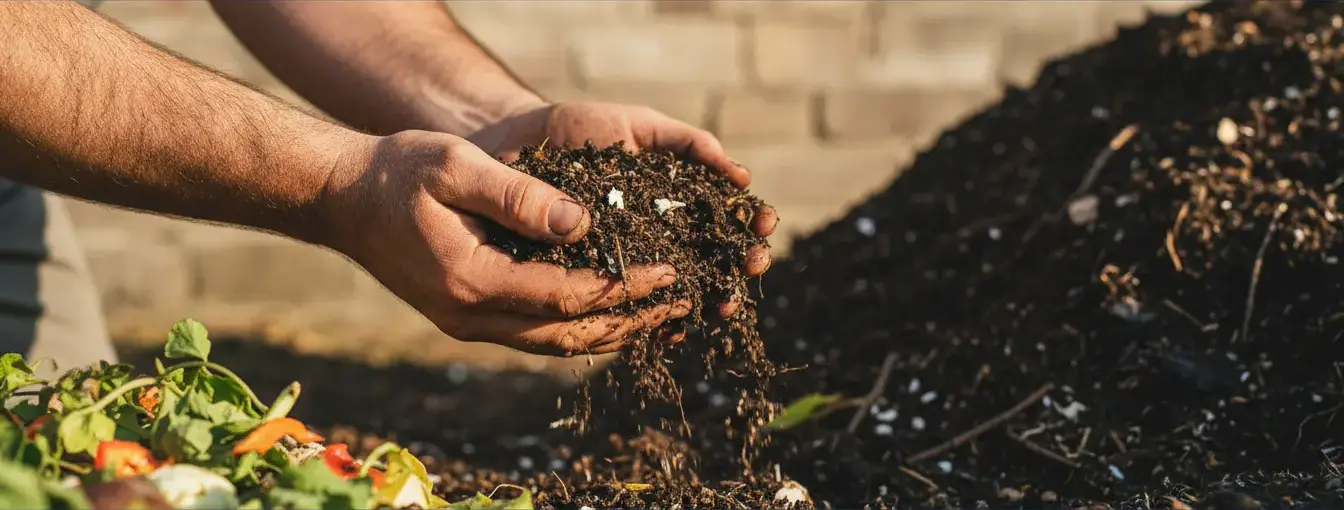
Find the Best Composting & Food Waste Companies for Your Business
No obligation • Fast responses • Nationwide coverage

Why you can trust Restaurant Waste Disposal
Restaurant Waste Disposal is a leading U.S. resource for comparing restaurant composting, food-waste recycling, grease trap cleaning, and used cooking oil collection services. Our editorial team researches providers, checks credentials, and organizes unbiased information so operators can make informed decisions. Companies cannot pay to change ratings or placement.
Search providers near you
Top Composting & Food Waste Companies in North Richland Hills, Texas Ranked
For restaurant owners in North Richland Hills, managing organic waste is a critical operational and environmental consideration. While the city provides robust residential services, commercial food scrap recycling and composting programs for businesses are primarily handled through private waste management partners. Implementing an organics diversion program can help your establishment reduce its landfill footprint, potentially lower waste costs, and meet growing customer expectations for sustainability. This guide outlines the local landscape for restaurant food waste recycling, detailing what you need to know about service options, contamination rules, and practical steps to get started.
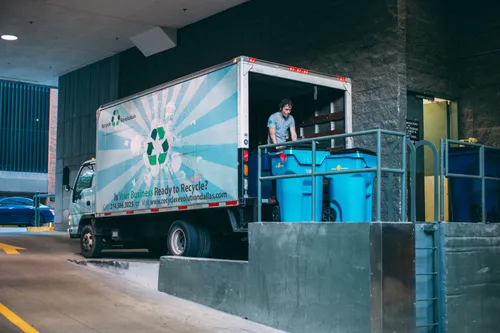
Recycle Revolution
6835 Forest Park Rd, Dallas, TX 75235
Recycle Revolution offers food waste and composting services for restaurants and businesses in Dallas, TX. They provide collection services and operate a community drop-off center that supports responsible resource recovery. The company focuses on fostering recycling and composting culture in North Texas and accepts a variety of materials including food scraps and hard-to-recycle items. With over 10 years of experience, Recycle Revolution is committed to environmental awareness and good neighborship.
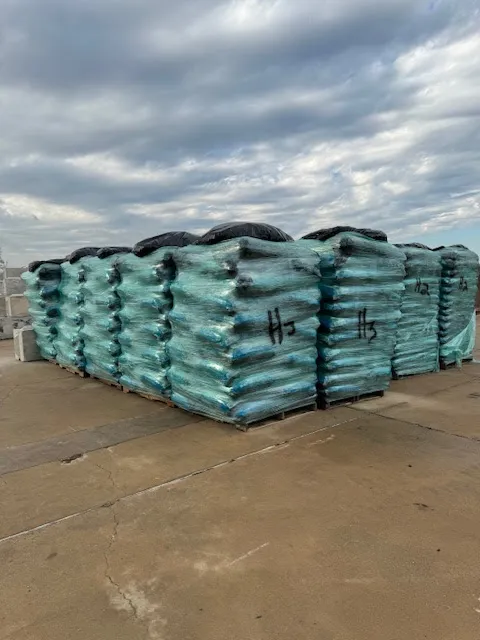
The Organic Recycler - Mulch, Compost, Soil & More
13001 Old Denton Rd, Keller, TX 76262
The Organic Recycler - Mulch, Compost, Soil & More is based in Keller, TX, and provides a range of landscaping products and services. They specialize in supplying mulch, soils, compost, and aggregates, along with land clearing services for projects of various sizes. The company also recycles food and liquid waste to create sustainable organic landscaping materials. Founded in 2014, The Organic Recycler serves the DFW area, Austin, and Oklahoma, offering dependable delivery and a blower application service to assist with larger jobs.
Understanding Commercial vs. Residential Services in NRH
The City of North Richland Hills focuses its municipal services on residential trash, recycling, and bulk collection. This means restaurants, cafes, and other food service businesses must proactively contract with private waste haulers for specialized organics collection. This is a common model where businesses choose their provider, allowing for customization of service levels, container sizes, and pickup frequency based on your specific volume of food scraps and prep waste. Navigating this private market is the first step for any NRH restaurant looking to divert its organic waste from the landfill.
Partnering with Private Waste Haulers
Your primary path to establishing food waste recycling is through a commercial waste management company. Major national providers like Waste Management and Republic Services, as well as regional haulers serving the Dallas-Fort Worth area, typically offer commercial organics collection programs. The process begins by contacting these providers for a quote. They will assess your needs based on kitchen size, meal output, and current waste generation to recommend a service plan.
Setting Up Your Service
Once you select a hauler, you'll agree on key service details:
- Container Types: You will be provided with dedicated, lidded commercial bins for organics. These are often 64-gallon carts or larger dumpsters, clearly labeled to avoid contamination with regular trash or recycling.
- Collection Schedules: Pickup frequency is set based on your volume-typically one to three times per week-to prevent odor and pest issues.
- Service Contracts: You will enter into a service agreement outlining costs, schedules, and terms, similar to your existing trash and recycling contracts.
The Critical Role of Contamination Control
The success of any organics recycling program hinges on keeping contaminants out of the food waste stream. Contaminated loads can be rejected by composting facilities, leading to additional fees and undermining your sustainability efforts. Haulers and processors have strict guidelines, which generally include:
What CANNOT Go in the Organics Bin:
- Plastic bags (unless they are certified compostable by the Biodegradable Products Institute - BPI)
- Styrofoam, glass, and metals
- Liquids and cooking oils (these require separate grease trap or used oil collection services)
- Conventional plastic packaging, utensils, or straws
- Diapers, pet waste, or non-food materials
What USUALLY CAN Go in the Organics Bin (Always Confirm with Your Hauler):
- All food scraps: fruit and vegetable trimmings, meat, bones, dairy, grains, and baked goods
- Coffee grounds and filters
- Soiled, non-recyclable paper products like napkins, paper towels, and uncoated paper carry-out trays (if approved)
- Certified compostable serviceware and bags
Investing in clear bin signage and staff training is essential to maintain a clean stream and ensure your food waste is successfully composted.
Analyzing Costs and Potential Savings
The cost for commercial food waste collection in North Richland Hills varies widely based on your chosen hauler, the volume of organics, and your pickup schedule. You can expect a monthly fee per container, which might range significantly. Some waste companies offer cost structures that provide savings if you can reduce your regular trash volume by diverting heavy, wet organics into a separate stream. It's important to request detailed quotes that compare your total waste management costs (trash, recycling, and organics) under different service scenarios to find the most economical and sustainable setup for your business.
Find the perfect composting & food waste companies for your needs
Get personalized recommendations and expert advice
Beyond the Bin: Processing Your Food Waste
After collection, your food scraps are transported to a processing facility. In the broader DFW region, these can include commercial composting operations or anaerobic digesters that convert waste into nutrient-rich compost or renewable energy. As a restaurant owner, you can research where your hauler sends the material. Some communities and processors even allow businesses to purchase finished compost for landscaping, closing the loop in a visible way. Confirming the end destination of your organics can be a powerful story to share with your team and customers.
Actionable Steps to Launch Your Program
- Conduct a Waste Audit: Briefly assess what and how much organic waste your kitchen generates to communicate effectively with haulers.
- Contact Commercial Haulers: Reach out to providers like Waste Management, Republic Services, and local DFW waste companies serving NRH for quotes on commercial organics collection 1.
- Review City Resources: Check the City of North Richland Hills website for any business waste reduction resources or guidelines, even if they don't provide direct service 2.
- Train Your Staff: Before the first pickup, educate your front and back-of-house teams on what goes in the new organics bin. Use clear signs and simple guidelines.
- Promote Your Efforts: Let your customers know you recycle food waste. This commitment to sustainability can enhance your brand and resonate with the community.
Starting a food scrap recycling program requires an initial investment of time to set up, but it positions your North Richland Hills restaurant as an environmentally responsible leader. By diverting organic waste from landfills, you contribute to a circular economy and take a concrete step toward a more sustainable operation.
Frequently asked questions
Sources
Footnotes
-
National Overview: Facts and Figures on Materials, Wastes and Recycling - https://www.epa.gov/facts-and-figures-about-materials-waste-and-recycling/national-overview-facts-and-figures-materials ↩
-
City of North Richland Hills, TX IN GENERAL - eCode360 - https://ecode360.com/45993106 ↩